Logan Hayes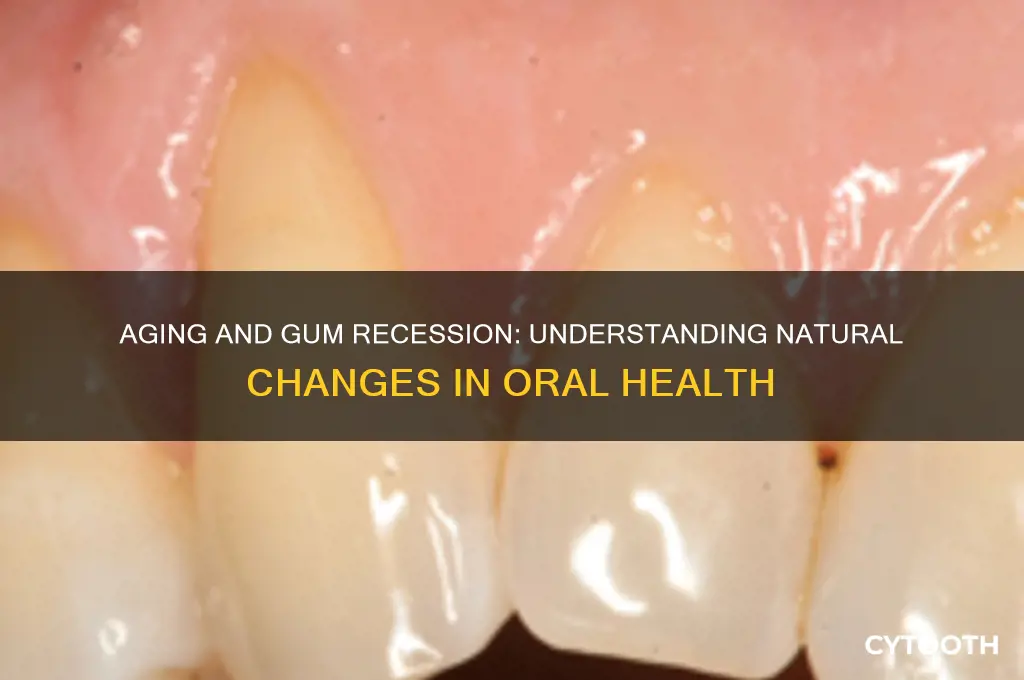
As individuals age, various changes occur in the body, including the oral cavity, leading to concerns about gum health. One common question that arises is whether gums naturally recede with age. While it is true that gum recession can become more prevalent as people grow older, it is not an inevitable part of the aging process. Gum recession occurs when the margin of the gum tissue surrounding the teeth wears away, exposing more of the tooth or its root. This can be caused by several factors, including periodontal disease, aggressive tooth brushing, hormonal changes, and even genetic predisposition. Understanding the causes and risk factors associated with gum recession is essential for maintaining optimal oral health and preventing potential complications as we age.
| Characteristics | Values |
|---|---|
| Prevalence | Gum recession is common in older adults, with studies showing that over 50% of adults over 65 have some degree of gum recession. |
| Causes | Aging, poor oral hygiene, aggressive brushing, periodontal disease, hormonal changes, tobacco use, genetics, and misaligned teeth. |
| Symptoms | Tooth sensitivity, visible tooth roots, longer-appearing teeth, and gaps between teeth and gums. |
| Progression | Gradual process that worsens over time if left untreated. |
| Prevention | Good oral hygiene (brushing twice daily with a soft-bristled toothbrush, flossing daily), regular dental check-ups, and avoiding tobacco. |
| Treatment | Deep cleaning (scaling and root planing), gum graft surgery, or regenerative procedures in severe cases. |
| Risk Factors | Increasing age, male gender, and certain systemic conditions like diabetes. |
| Impact on Health | Can lead to tooth decay, tooth loss, and increased risk of periodontal disease. |
| Reversibility | Early stages may be slowed or prevented, but receded gums typically cannot be fully reversed without surgical intervention. |
| Research Findings | Recent studies emphasize the role of inflammation and oxidative stress in age-related gum recession. |
What You'll Learn

Natural Gum Recession Causes
Gum recession, a gradual process where the gum tissue pulls away from the teeth, exposing the roots, is often associated with aging. While age itself is a contributing factor, it’s not the sole culprit. Natural causes of gum recession are multifaceted, involving genetic predispositions, hormonal changes, and lifestyle habits that accumulate over time. Understanding these factors is crucial for prevention and early intervention.
One significant natural cause is genetic predisposition. Some individuals inherit thinner or more fragile gum tissue, making them more susceptible to recession. Studies suggest that up to 30% of the population may have a genetic vulnerability to gum issues, regardless of oral hygiene practices. If your parents experienced gum recession, you’re at a higher risk, emphasizing the importance of proactive dental care. Regular check-ups and cleanings can help monitor and manage this inherent risk.
Hormonal fluctuations, particularly in women, also play a role in natural gum recession. During puberty, pregnancy, and menopause, estrogen and progesterone levels shift, affecting blood flow to the gums and their ability to repair themselves. For instance, pregnant women often experience gingival inflammation, which, if left untreated, can lead to recession. Maintaining a balanced diet rich in vitamin C and calcium during these periods can support gum health, while avoiding sugary snacks reduces the risk of inflammation.
Another natural cause is the gradual wear and tear from improper brushing techniques. Brushing too hard or using a toothbrush with stiff bristles can erode gum tissue over time. Dentists recommend using a soft-bristled brush and adopting the Bass technique—a 45-degree angle to the gum line with gentle, circular motions. Limiting brushing to twice daily for two minutes each session prevents overexertion, while incorporating flossing and antimicrobial mouthwash enhances overall gum protection.
Finally, occlusal trauma, or excessive force on the teeth from misalignment or bruxism (teeth grinding), contributes to natural gum recession. This chronic pressure disrupts the periodontal fibers supporting the gums, leading to gradual tissue loss. Custom night guards, prescribed by a dentist, can mitigate grinding-related damage, while orthodontic treatments like braces or clear aligners address misalignment. Early intervention in these cases is key to preserving gum integrity and preventing irreversible recession.
How Quickly Do Gums Heal After Injury or Dental Work?
You may want to see also
Age-Related Tissue Changes
As we age, our bodies undergo a series of transformations, and the tissues in our mouths are no exception. One of the most noticeable changes is gum recession, a gradual process where the gum tissue pulls away from the teeth, exposing the roots. This phenomenon is not merely a cosmetic concern; it can lead to increased sensitivity, a higher risk of decay, and even tooth loss if left unaddressed. Understanding the underlying age-related tissue changes is crucial for prevention and management.
The Role of Collagen and Elastin Depletion
Aging skin loses elasticity due to reduced collagen and elastin production, and gum tissue follows suit. These proteins are essential for maintaining the structural integrity of gums. By age 40, collagen production naturally declines by about 1% per year, accelerating after menopause in women due to hormonal shifts. This weakening of gum tissue makes it more susceptible to recession, particularly in areas with poor oral hygiene or aggressive brushing habits. To mitigate this, incorporate collagen-boosting nutrients like vitamin C (found in citrus fruits and bell peppers) and antioxidants (from berries and green tea) into your diet.
Inflammation and Chronic Periodontal Disease
Chronic inflammation, a hallmark of aging, exacerbates gum recession. Long-term periodontal disease, often a result of accumulated plaque and tartar, destroys the fibers attaching gums to teeth. Studies show that 70% of adults over 65 have some form of periodontal disease, making it a leading cause of age-related gum recession. Regular dental check-ups every six months, coupled with daily flossing and using a soft-bristled toothbrush, can significantly reduce inflammation and slow recession. For advanced cases, dentists may recommend deep cleaning (scaling and root planing) or antimicrobial mouthwashes containing chlorhexidine (0.12% concentration, used for 2 weeks).
Hormonal Fluctuations and Their Impact
Hormonal changes, particularly in women, play a pivotal role in gum health. During menopause, decreased estrogen levels reduce blood flow to the gums, impairing their ability to heal and resist infection. This makes postmenopausal women 2-3 times more likely to experience gum recession than their male counterparts. Hormone replacement therapy (HRT) may alleviate some symptoms, but consult a healthcare provider to weigh benefits against risks like blood clots or stroke. Alternatively, natural remedies such as black cohosh or phytoestrogen-rich foods (soy, flaxseeds) can offer milder support.
Practical Tips for Slowing Gum Recession
While age-related tissue changes are inevitable, proactive measures can delay their progression. Avoid brushing teeth with excessive force—use a 45-degree angle and gentle strokes. Switch to a fluoride toothpaste designed for sensitive teeth to strengthen enamel and reduce discomfort. Stay hydrated, as dry mouth (common in older adults due to medication side effects) accelerates tissue deterioration. Finally, monitor recession by noting any increased tooth sensitivity or visible root exposure, and address concerns promptly with a dentist.
By understanding the interplay of collagen loss, inflammation, hormonal shifts, and daily habits, individuals can take targeted steps to preserve gum health as they age. While recession may be a natural part of aging, its pace and severity are largely within our control.
Are Purple Gums Normal? Understanding Gum Color and Oral Health
You may want to see also
Preventive Oral Care Tips
Gum recession is a common concern as we age, often linked to years of wear and tear, improper brushing, or periodontal disease. While genetics play a role, preventive oral care can significantly slow this process. Start by reassessing your brushing technique. Use a soft-bristled toothbrush and angle it 45 degrees to the gum line, employing gentle, circular motions. Avoid sawing back-and-forth, which can erode enamel and irritate gums. Electric toothbrushes with pressure sensors can help maintain the right force, especially for those with arthritis or dexterity issues.
Flossing is non-negotiable, but the method matters. Curve the floss around each tooth in a "C" shape and glide it up and down against the side, avoiding snapping it onto the gums. For those with receding gums or sensitivity, water flossers are a gentler alternative. Pair this with an antimicrobial mouthwash containing chlorhexidine (0.12% concentration) to reduce plaque and gingivitis, but limit use to two weeks at a time to avoid staining.
Diet plays a silent but critical role. Crunchy fruits and vegetables like apples and carrots act as natural toothbrushes, stimulating saliva production and scrubbing surfaces. Incorporate calcium-rich foods (dairy, leafy greens) and vitamin C (citrus, bell peppers) to strengthen teeth and gums. Conversely, limit acidic beverages like soda and wine, which soften enamel, and sugary snacks that fuel bacterial growth. If you indulge, rinse with water immediately to neutralize acids.
Finally, address habits that accelerate recession. Clenching or grinding teeth (bruxism) exerts excessive force on gums and teeth, often worsening at night. A custom-fitted night guard from your dentist can mitigate damage. Similarly, tobacco use restricts blood flow to gums, impairing healing and increasing recession risk. Quitting smoking or chewing tobacco is one of the most impactful steps you can take for oral and overall health.
Regular dental check-ups are the cornerstone of prevention. Professionals can detect early signs of recession, clean hard-to-reach areas, and recommend treatments like gum grafting if needed. Aim for biannual visits, or more frequently if you have risk factors like diabetes or a history of gum disease. By combining these targeted strategies, you can preserve gum health and maintain a confident smile well into later years.
Are Red Gums Normal? Understanding Gum Health and When to Worry
You may want to see also
Gum Disease and Aging
As we age, our bodies undergo various changes, and our oral health is no exception. Gum recession, a condition where the gum tissue pulls away from the teeth, is a common concern among older adults. While it's not an inevitable part of aging, the risk of gum recession increases with age due to a combination of factors, including wear and tear, decreased saliva production, and a higher prevalence of gum disease. According to the Centers for Disease Control and Prevention (CDC), 70% of adults aged 65 and older have some form of gum disease, making it a significant contributor to gum recession in this demographic.
Gum disease, also known as periodontal disease, is a bacterial infection that damages the soft tissue and bone supporting the teeth. It typically progresses through two stages: gingivitis and periodontitis. Gingivitis, the milder form, causes redness, swelling, and bleeding gums, while periodontitis leads to more severe symptoms, including gum recession, pocket formation, and potential tooth loss. As we age, our immune system weakens, making it less effective at fighting off bacterial infections like gum disease. Moreover, certain medications commonly prescribed to older adults, such as antihypertensives and antidepressants, can reduce saliva flow, increasing the risk of gum disease and recession.
To mitigate the effects of gum disease and aging on gum recession, it's essential to adopt a comprehensive oral care routine. Brush your teeth twice daily with a soft-bristled toothbrush and fluoride toothpaste, being careful not to brush too aggressively, as this can accelerate recession. Floss daily to remove plaque and food particles from between teeth, and consider using an antimicrobial mouthwash to reduce bacterial growth. Regular dental check-ups and cleanings are also crucial, as dentists can detect early signs of gum disease and provide targeted treatments, such as scaling and root planing or antibiotic therapy. For older adults with limited dexterity, electric toothbrushes and water flossers can be valuable tools in maintaining good oral hygiene.
Comparing the oral health of younger and older adults highlights the importance of proactive care in preventing gum disease and recession. While younger individuals may be more prone to cavities due to higher sugar consumption and less consistent oral hygiene habits, older adults face unique challenges, such as dry mouth, medication side effects, and age-related tissue changes. By understanding these differences, we can tailor our oral care strategies to address the specific needs of aging gums. For instance, older adults may benefit from using fluoride gels or rinses to strengthen tooth enamel and reduce sensitivity, as well as staying hydrated to combat dry mouth.
In conclusion, while gum recession is not an inevitable part of aging, the increased prevalence of gum disease in older adults makes it a significant concern. By recognizing the unique risk factors associated with aging and adopting a targeted oral care routine, we can help preserve gum health and prevent recession. Practical tips, such as using gentle brushing techniques, staying hydrated, and attending regular dental check-ups, can make a substantial difference in maintaining a healthy smile as we age. Remember, it's never too late to prioritize oral health and take proactive steps to protect your gums from the effects of time and disease.
Are Gum Grafts Painful? What to Expect During Recovery
You may want to see also
Treatment Options for Receding Gums
Gum recession, a common issue among older adults, often stems from years of wear and tear, periodontal disease, or aggressive brushing. While prevention is ideal, treatment becomes essential when recession leads to sensitivity, decay, or aesthetic concerns. The approach varies based on severity, ranging from non-invasive home care to surgical interventions. Understanding these options empowers individuals to make informed decisions about their oral health.
Non-Surgical Treatments: The First Line of Defense
For mild to moderate recession, non-surgical methods focus on halting progression and managing symptoms. Professional deep cleaning, or scaling and root planing, removes plaque and tartar below the gumline, reducing inflammation and allowing gums to reattach to the tooth. This procedure, often performed in 1–2 sessions, may cause temporary sensitivity but is highly effective for early-stage recession. At home, antimicrobial mouthwash containing chlorhexidine (0.12% solution, used twice daily for 2 weeks) can control bacterial growth, though prolonged use is discouraged due to potential staining. Desensitizing toothpaste with potassium nitrate or fluoride (applied daily) alleviates sensitivity by blocking nerve signals in exposed roots.
Surgical Interventions: Restoring Lost Tissue
When recession is severe or non-surgical methods fail, surgical options become necessary. Gum grafting, the gold standard, involves taking tissue from the palate or a donor source and suturing it over the exposed root. The connective tissue graft, where a thin layer of tissue is harvested and placed, is the most predictable method, with success rates exceeding 90%. Alternatively, the pedicle graft uses adjacent gum tissue, ideal for localized recession. Pinhole Surgical Technique (PST) is a minimally invasive option, where a small hole is made in the gum to glide existing tissue over receded areas, often completed in under an hour with quicker recovery. Post-surgery, patients must avoid hard or crunchy foods for 2 weeks and maintain meticulous oral hygiene to ensure graft stability.
Emerging Therapies: Regeneration and Beyond
Advances in regenerative medicine offer promising alternatives. Guided tissue regeneration (GTR) uses a biocompatible membrane to block unwanted tissue growth, allowing bone and gum tissue to regenerate. Often paired with bone grafting, this technique is particularly useful for recession linked to bone loss. Enamel matrix derivative (EMD), a protein-based gel applied during surgery, mimics natural tissue development, enhancing gum and bone regrowth. While these methods show potential, they are typically reserved for complex cases due to higher costs and longer recovery times.
Lifestyle Adjustments: Supporting Treatment Outcomes
Regardless of the treatment chosen, long-term success relies on addressing underlying causes. Switching to a soft-bristled toothbrush and adopting the Bass brushing technique (45-degree angle, short strokes) minimizes mechanical damage. Quitting smoking is non-negotiable, as tobacco impairs healing and exacerbates gum disease. For bruxism (teeth grinding), a custom night guard reduces stress on gums and teeth. Regular 6-month dental check-ups ensure early detection of recurrence or complications.
In summary, treating receding gums requires a tailored approach, balancing invasiveness with effectiveness. While non-surgical methods suffice for many, surgical and regenerative options provide definitive solutions for advanced cases. Coupled with lifestyle modifications, these treatments not only restore oral health but also enhance quality of life, proving that age-related gum recession need not be irreversible.
Are Zyn Pouches Harmful to Your Gum Health? Find Out Now
You may want to see also
Frequently asked questions
Yes, gum recession can occur naturally with age due to factors like wear and tear, thinning gum tissue, and reduced collagen production.
Poor oral hygiene, periodontal disease, aggressive brushing, and genetic predisposition can accelerate gum recession in older adults.
While some recession is natural, it can be minimized by maintaining good oral hygiene, using a soft-bristled toothbrush, and visiting the dentist regularly.
Gum recession itself is not always serious, but it can indicate underlying issues like gum disease, which may require professional treatment.
While receded gums cannot regrow on their own, treatments like deep cleaning, gum grafting, or pinhole surgery can help manage and restore gum health in older adults.