Matthew Grant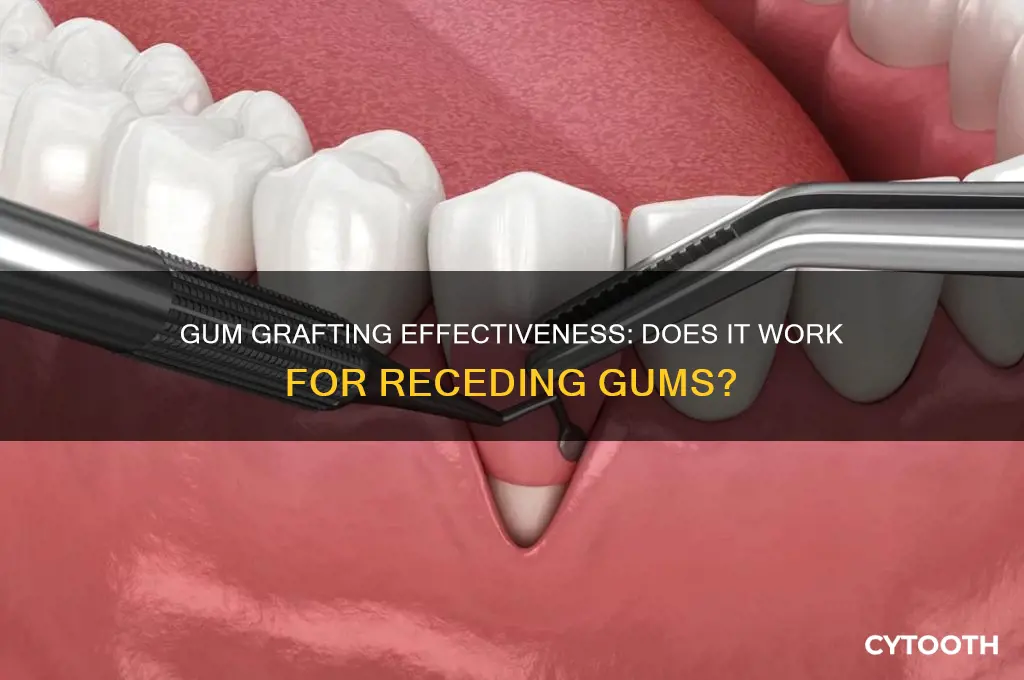
Gum grafting is a surgical procedure designed to address gum recession, a condition where the gum tissue pulls away from the tooth, exposing the root and potentially leading to sensitivity, decay, and tooth loss. The procedure involves taking tissue from another part of the mouth, such as the palate, or using donor tissue, and grafting it onto the receded area to restore gum health and protect the tooth. Many patients wonder, Does gum grafting work? The answer is generally yes, as it has proven to be an effective solution for halting recession, reducing sensitivity, and improving both oral health and aesthetics. Success rates are high, especially when performed by an experienced periodontist, though individual outcomes may vary depending on factors like oral hygiene, the extent of recession, and the patient’s overall health. With proper care, gum grafting can provide long-lasting results, making it a reliable option for those seeking to combat gum recession.
| Characteristics | Values |
|---|---|
| Success Rate | High success rate, typically 90-95%, depending on patient compliance and technique. |
| Procedure Types | Connective tissue graft, free gingival graft, pedicle graft, and Allograft (donor tissue). |
| Recovery Time | 1-2 weeks for initial healing; complete recovery may take 3-6 months. |
| Pain Level | Mild to moderate discomfort post-procedure; manageable with pain medication. |
| Long-Term Effectiveness | Effective in preventing further gum recession and improving aesthetics. |
| Cost | $600 to $3,000 per graft, depending on complexity and location. |
| Insurance Coverage | Often covered by dental insurance if deemed medically necessary. |
| Patient Satisfaction | High satisfaction rates due to improved gum health and appearance. |
| Risks/Complications | Infection, bleeding, graft failure, or temporary sensitivity. |
| Alternative Treatments | Non-surgical options like scaling and root planing, but less effective for severe cases. |
| Maintenance Required | Good oral hygiene and regular dental check-ups are essential for long-term success. |
What You'll Learn

Success rates of gum grafting procedures
Gum grafting procedures boast high success rates, typically ranging from 85% to 95%, depending on the technique used and patient compliance. These figures are supported by numerous clinical studies, which highlight the effectiveness of gum grafting in treating gum recession and improving oral health. For instance, the connective tissue graft, one of the most common methods, has been shown to achieve predictable results in restoring gum tissue and covering exposed roots. Success is often measured by factors such as root coverage, tissue stability, and patient satisfaction, with most individuals experiencing significant improvement within 6 to 12 months post-procedure.
Several factors influence the success of gum grafting, including the patient’s oral hygiene habits, the severity of gum recession, and the skill of the periodontist. Patients who maintain excellent oral care post-surgery, such as regular brushing, flossing, and follow-up visits, tend to have better outcomes. Conversely, smoking and poor oral hygiene can significantly reduce success rates, as they impair healing and increase the risk of infection. Additionally, the choice of grafting technique matters; for example, the tunnel technique may be less invasive but is often less effective for severe recession compared to the connective tissue graft.
Comparing gum grafting techniques reveals nuanced differences in success rates. The free gingival graft, often used for thickening thin gum tissue, has a slightly lower success rate due to its complexity and longer recovery time. In contrast, the acellular dermis matrix (ADM) graft, a newer technique that avoids harvesting tissue from the palate, has gained popularity for its reduced post-operative discomfort and comparable success rates. However, ADM grafts may not be suitable for all cases, particularly those requiring significant root coverage. Understanding these differences helps patients and dentists choose the most appropriate method for individual needs.
Practical tips can enhance the likelihood of a successful gum grafting procedure. Patients should follow post-operative instructions meticulously, including avoiding hard or crunchy foods for 1–2 weeks, using prescribed mouth rinses, and taking pain medications as directed. Applying ice packs to the face can reduce swelling, and elevating the head while sleeping can minimize discomfort. Regular follow-up appointments are crucial to monitor healing and address any complications early. For long-term success, adopting a rigorous oral hygiene routine and quitting smoking are non-negotiable steps to prevent further gum recession and ensure the graft’s stability.
In conclusion, gum grafting is a highly effective solution for gum recession, with success rates that rival many other dental procedures. While the technique chosen and patient compliance play critical roles, the overall predictability of positive outcomes makes it a reliable option for those seeking to restore their gum health. By understanding the factors that influence success and following practical post-operative care tips, patients can maximize the benefits of this procedure and enjoy lasting results.
Are Zyn Pouches Harmful to Your Gum Health? Find Out Now
You may want to see also
Types of gum grafting techniques available
Gum grafting, a procedure aimed at correcting receding gums, has proven effective in restoring both oral health and aesthetic appearance. The success of this treatment hinges on the specific technique employed, each tailored to address varying degrees of gum recession and patient needs. Among the most commonly utilized methods are the connective tissue graft, free gingival graft, and pedicle graft, with newer techniques like the acellular dermal matrix graft gaining traction. Understanding these options is crucial for patients and practitioners alike, as the choice of technique can significantly influence recovery time, comfort, and overall outcomes.
The connective tissue graft is often considered the gold standard for treating gum recession. This technique involves harvesting a small piece of tissue from the palate, trimming it to isolate connective tissue, and then suturing it over the exposed root. It’s particularly effective for single or multiple areas of recession and boasts a high success rate, often exceeding 90%. However, patients should be prepared for a dual surgical site—one at the donor area and one at the recipient site—which may increase post-operative discomfort. Pain management typically includes over-the-counter analgesics, and patients are advised to avoid hard or crunchy foods for 1-2 weeks to ensure proper healing.
In contrast, the free gingival graft is a more straightforward but less aesthetically refined option. Here, a layer of tissue is directly removed from the palate and sutured onto the receded area without trimming. While this method is quicker and often less expensive, it can result in a slightly bulkier appearance and may not blend as seamlessly with the surrounding gum tissue. It’s most suitable for patients with thin gum tissue or those requiring additional volume in the treated area. Recovery is similar to the connective tissue graft, though patients may experience more palatal discomfort due to the larger donor site.
For those seeking a less invasive option, the pedicle graft utilizes tissue from adjacent areas of the mouth, eliminating the need for a second surgical site. This technique is ideal for cases where sufficient gum tissue is available near the recession site. However, its applicability is limited, as it requires the recession to be located near healthy gum tissue. While recovery is generally faster and less painful, the procedure’s success depends heavily on the surgeon’s skill in manipulating the tissue without compromising blood supply.
Emerging as a minimally invasive alternative, the acellular dermal matrix graft uses medically processed tissue from human or animal donors, eliminating the need for a palatal donor site. This technique reduces post-operative pain and speeds up recovery, making it an attractive option for patients with multiple areas of recession or low pain tolerance. However, its long-term success rates are still being studied, and it may not be suitable for all cases, particularly those requiring significant volume augmentation.
In conclusion, the choice of gum grafting technique depends on factors such as the extent of recession, patient anatomy, and individual preferences. Each method has its advantages and limitations, and consulting with a periodontist is essential to determine the most appropriate approach. With proper care and technique selection, gum grafting remains a highly effective solution for combating gum recession and preserving oral health.
Fluoride's Role in Gum Health: Benefits, Myths, and Dental Care Tips
You may want to see also
Recovery time and post-op care tips
Gum grafting recovery typically spans 1-2 weeks for initial healing, though complete tissue maturation can take up to 6 months. During the first 48 hours, swelling and discomfort peak, necessitating strict adherence to post-operative care. Ice packs applied for 15-20 minutes at a time can reduce swelling, but avoid direct contact with the surgical site. Pain management often involves over-the-counter medications like ibuprofen (600 mg every 6 hours) or prescribed analgesics, but always follow your dentist’s dosage instructions.
Dietary restrictions are critical in the first week. Stick to soft, lukewarm foods like yogurt, mashed potatoes, and smoothies to avoid irritating the graft. Avoid hot, spicy, or crunchy foods, as well as alcoholic and carbonated beverages, which can disrupt healing. Hydration is essential, but use a straw to minimize contact with the surgical area. Smoking and vaping are strictly prohibited, as they impair blood flow and increase infection risk, potentially compromising the graft’s success.
Oral hygiene must be modified but not neglected. For the first 24 hours, avoid rinsing or spitting forcefully. After this period, gently rinse with a warm saltwater solution (1/2 teaspoon of salt in 8 ounces of water) or a prescribed antimicrobial mouthwash 2-3 times daily. Brush teeth carefully, avoiding the graft site, and use a soft-bristled toothbrush. Your dentist may recommend a chlorhexidine rinse (0.12% concentration) to reduce bacterial buildup, especially for patients prone to gum disease.
Physical activity should be limited for the first 3-5 days to minimize bleeding and swelling. Avoid strenuous exercise, heavy lifting, and bending over, as these actions increase blood pressure and can dislodge the graft. Elevating your head with extra pillows while sleeping can also reduce swelling. If you experience persistent pain, bleeding, or signs of infection (e.g., pus, fever, or worsening redness), contact your dentist immediately.
Long-term care involves regular follow-up appointments to monitor healing and address any complications. Once the graft stabilizes, resume normal oral hygiene practices, including flossing, but be gentle around the grafted area. Gum grafting works effectively when post-operative instructions are followed meticulously, ensuring the graft integrates successfully and improves gum health and aesthetics. Patience and diligence during recovery are key to achieving lasting results.
Are Purple Gums Normal? Understanding Gum Color and Oral Health
You may want to see also
Common reasons for needing gum grafting
Gum recession, a condition where the gum tissue pulls away from the tooth, exposing the root, is a primary reason individuals seek gum grafting. This recession can occur due to various factors, including aggressive brushing, periodontal disease, and genetic predisposition. When left untreated, exposed roots can lead to increased sensitivity, a higher risk of decay, and an unattractive smile. Gum grafting, a surgical procedure that involves taking tissue from one area of the mouth and relocating it to the affected site, effectively covers these exposed roots, restoring both function and aesthetics.
Consider the case of a 35-year-old patient who brushes their teeth vigorously twice daily with a hard-bristled toothbrush. Over time, this habit causes the gums to recede, leading to discomfort when consuming hot or cold foods. A periodontist recommends a connective tissue graft, a common type of gum grafting procedure. During this surgery, a small flap of tissue is cut at the roof of the mouth, and a layer of tissue beneath is removed. This tissue is then stitched to the area of recession, promoting new gum growth. Post-operative care includes avoiding the surgical site while brushing, using a soft-bristled toothbrush, and rinsing with a prescribed antimicrobial mouthwash for two weeks.
Periodontal disease, another significant cause of gum recession, progresses silently, often without noticeable symptoms until advanced stages. Plaque and tartar buildup lead to inflammation and infection, destroying the gum tissue and bone supporting the teeth. For patients with moderate to severe gum disease, gum grafting may be necessary after undergoing scaling and root planing to regenerate lost tissue. This combination of treatments not only halts disease progression but also improves the chances of successful grafting. It’s crucial for individuals over 40, who are at higher risk of periodontal disease, to attend regular dental check-ups to detect early signs of recession.
Genetics also play a role in determining gum health, with some individuals naturally having thinner or more fragile gum tissue. For these patients, even with optimal oral hygiene, recession may still occur. Orthodontic treatments, such as braces, can exacerbate this issue by placing additional stress on the gums. In such cases, gum grafting serves as a preventive measure, strengthening the gumline to withstand future challenges. A free gingival graft, where tissue is directly taken from the palate and attached to the receded area, is often recommended for patients with thin gums. Recovery typically takes one to two weeks, during which a soft diet and pain management with over-the-counter medications are advised.
Ultimately, understanding the common reasons for needing gum grafting highlights its importance in maintaining oral health and enhancing quality of life. Whether due to aggressive brushing, periodontal disease, or genetic factors, addressing gum recession early can prevent more severe complications. By choosing the appropriate type of graft and following post-operative instructions, patients can achieve long-lasting results, ensuring their gums remain healthy and their smiles confident.
Are Receding Gums Hereditary? Uncovering the Genetic Link to Gum Health
You may want to see also
Potential risks and complications involved
Gum grafting, while generally successful, is not without its potential risks and complications. One of the most common issues is postoperative infection, which can occur if the surgical site is not kept clean or if the patient’s immune system is compromised. Signs of infection include persistent pain, swelling, redness, or discharge. To minimize this risk, patients are typically prescribed antibiotics and instructed to rinse with an antimicrobial mouthwash. However, even with these precautions, infections can still arise, particularly in smokers or individuals with poor oral hygiene, as these factors impair healing and increase susceptibility to bacteria.
Another significant concern is graft failure, where the transplanted tissue does not integrate properly with the existing gum tissue. This can happen due to poor blood supply, excessive movement of the graft, or underlying conditions like diabetes that affect healing. Graft failure may require a repeat procedure, adding to the patient’s discomfort and financial burden. To reduce this risk, surgeons often use techniques like secure suturing and protective dressings, but success ultimately depends on the patient’s adherence to postoperative care instructions, such as avoiding hard or crunchy foods for at least two weeks.
Pain and discomfort are nearly universal after gum grafting, but in some cases, they can be more severe or prolonged than expected. This may be due to nerve damage during the procedure or an exaggerated inflammatory response. Patients are usually prescribed pain relievers like ibuprofen (600–800 mg every 6–8 hours) or acetaminophen (500–1000 mg every 4–6 hours), but if pain persists or worsens, it could indicate complications like dry socket or infection. Applying ice packs for the first 24–48 hours and avoiding strenuous activity can help manage swelling and discomfort, but patients should report unusual symptoms to their dentist promptly.
A less common but serious complication is nerve damage, which can result in temporary or permanent numbness in the lips, tongue, or chin. This typically occurs when the graft is harvested from the palate, as the procedure involves working near sensitive nerves. While most cases of numbness resolve within a few weeks to months, some patients may experience long-term sensory changes. Dentists often use local anesthesia with vasoconstrictors (e.g., lidocaine with epinephrine) to minimize bleeding and improve visibility during surgery, but this cannot entirely eliminate the risk of nerve injury.
Finally, aesthetic concerns can arise if the graft does not match the natural gum tissue in color, texture, or contour. This is more likely with certain types of grafts, such as those harvested from the palate, which may differ in appearance from the recipient site. While skilled surgeons strive to achieve a seamless result, some patients may be dissatisfied with the cosmetic outcome, particularly in highly visible areas like the front teeth. In such cases, additional procedures like tissue sculpting or crown lengthening may be necessary to improve the appearance, though these add to the overall treatment complexity and cost.
Do Gum Grafts Look Natural? A Comprehensive Guide to Results
You may want to see also
Frequently asked questions
Yes, gum grafting is an effective surgical procedure that works by taking tissue from another part of your mouth (or a donor source) and using it to cover exposed tooth roots, restoring gum tissue and preventing further recession.
Initial healing typically takes 1-2 weeks, but complete results, including reduced sensitivity and improved gum appearance, may take 3-6 months as the grafted tissue fully integrates and heals.
Yes, when performed correctly and with proper oral hygiene maintenance, gum grafting provides a long-lasting, often permanent solution to gum recession, preventing further damage and improving oral health.