Olivia Bennett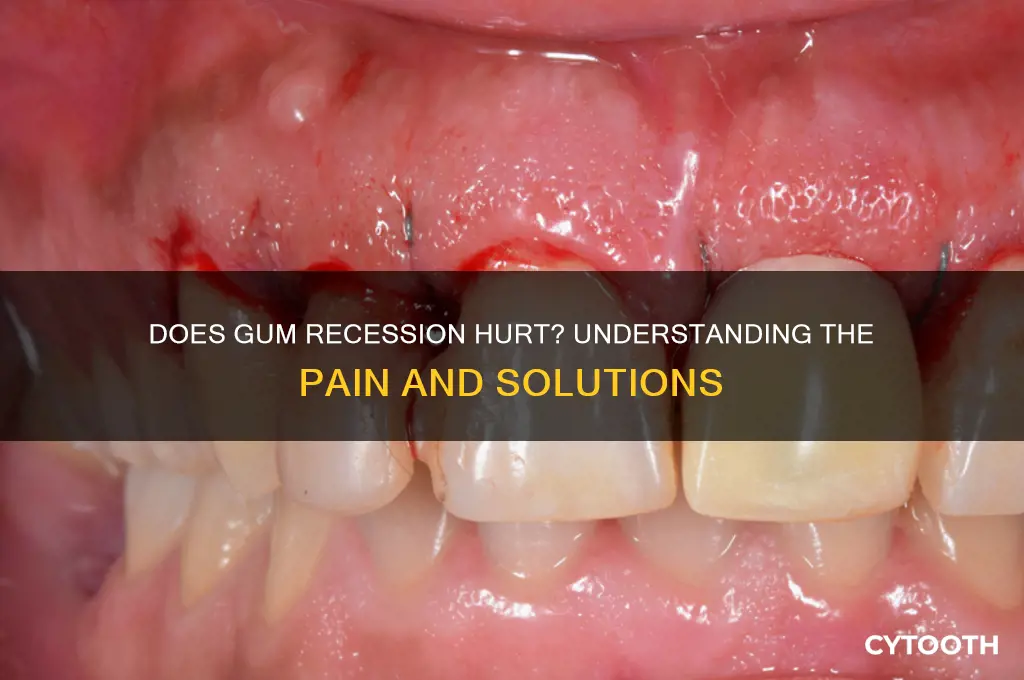
Gum recession, a condition where the gum tissue surrounding the teeth wears away, exposing more of the tooth or its root, is a common dental concern that many people experience. While the process of gum recession itself is often gradual and may go unnoticed, it can lead to sensitivity, discomfort, and pain in some cases. The exposure of the tooth root, which lacks the protective enamel covering the crown, can make the area more susceptible to temperature changes, sweet or acidic foods, and even touch sensitivity. Additionally, as the recession progresses, it may cause the formation of pockets between the teeth and gums, allowing bacteria to accumulate and potentially lead to infections or other oral health issues. Understanding the causes, symptoms, and treatment options for gum recession is essential for maintaining good oral health and addressing any associated discomfort.
| Characteristics | Values |
|---|---|
| Pain Sensation | Gum recession itself is often painless, but sensitivity to hot, cold, or sweet foods/drinks may occur. |
| Symptoms | Tooth sensitivity, visible tooth roots, longer-looking teeth, and bleeding gums during brushing. |
| Causes | Poor oral hygiene, aggressive brushing, periodontal disease, genetics, and aging. |
| Progression | Gradual and may worsen over time if left untreated. |
| Treatment Options | Deep cleaning (scaling and root planing), gum graft surgery, and improved oral care habits. |
| Prevention | Proper brushing technique, regular dental check-ups, and avoiding tobacco use. |
| Complications | Increased risk of tooth decay, infection, and potential tooth loss if severe. |
| Aesthetic Impact | Can affect smile appearance due to exposed roots and longer teeth. |
| Sensitivity Management | Desensitizing toothpaste, fluoride treatments, and avoiding acidic foods. |
| Reversibility | Gum tissue does not grow back naturally; treatment focuses on preventing further recession. |
What You'll Learn

Causes of Gum Recession Pain
Gum recession pain can stem from several underlying causes, each requiring a tailored approach to manage discomfort and prevent further damage. One primary culprit is aggressive brushing, where excessive force or a hard-bristled toothbrush wears away enamel and irritates the gum line. This mechanical stress exposes sensitive root surfaces, leading to sharp, localized pain, especially when consuming hot, cold, or sweet substances. To mitigate this, switch to a soft-bristled brush and adopt the Bass technique, holding the brush at a 45-degree angle and using gentle, circular motions. Dentists recommend brushing for two minutes twice daily, avoiding sawing motions that exacerbate recession.
Another significant cause of gum recession pain is periodontal disease, an infection triggered by bacterial plaque buildup. As gums inflame and pull away from teeth, pockets form, trapping debris and deepening the infection. Advanced stages, like periodontitis, can cause throbbing pain, bleeding, and even tooth mobility. Early intervention is critical; professional deep cleaning (scaling and root planing) removes plaque and tartar, while antibiotics may be prescribed for severe cases. Maintaining oral hygiene and regular dental check-ups every six months can prevent progression and alleviate pain.
Hormonal fluctuations, particularly in women, can also contribute to gum recession pain. Pregnancy, menopause, and menstrual cycles alter oral tissues' sensitivity, making gums more susceptible to inflammation and recession. For instance, pregnancy gingivitis affects up to 50% of expectant mothers, causing redness, swelling, and tenderness. Using a fluoride mouthwash and avoiding sugary snacks can help manage symptoms. Consult a dentist before starting any new oral care regimen during hormonal shifts to ensure safety and efficacy.
Lastly, malocclusion or misaligned teeth places uneven pressure on gums, accelerating recession and causing chronic discomfort. Crowded or crooked teeth create hard-to-clean areas, fostering plaque accumulation and gum irritation. Orthodontic treatments like braces or clear aligners not only correct alignment but also distribute bite forces evenly, reducing pain and preventing further recession. Patients typically wear aligners for 20–22 hours daily, with adjustments every 4–6 weeks, depending on the treatment plan.
In summary, gum recession pain arises from diverse factors, each demanding specific interventions. Whether addressing brushing habits, treating infections, managing hormonal changes, or correcting bite issues, early action and professional guidance are key to relief and long-term oral health.
Are Gum Grafts Painful? What to Expect During Recovery
You may want to see also
Symptoms and Early Signs
Gum recession often begins subtly, making early detection crucial for preventing further damage. One of the first signs is tooth sensitivity, particularly to hot, cold, or sweet substances. This occurs because the protective enamel at the gum line wears away, exposing the more sensitive dentin beneath. If you notice a sharp, sudden pain when sipping iced tea or biting into ice cream, it could be an early warning. Unlike general tooth sensitivity, which might affect the entire tooth, recession-related sensitivity is usually localized to the gum line.
Another telltale symptom is the appearance of your teeth. As gums recede, teeth may seem longer or larger than before. This isn’t an optical illusion—it’s a physical change caused by the gum tissue pulling away from the tooth. Hold a mirror and compare your teeth to older photos or dental records if available. If you notice a visible difference, especially around the necks of the teeth, it’s time to consult a dentist. Early intervention can prevent the recession from worsening and protect the tooth roots from decay.
Bleeding gums, often dismissed as a minor issue, can also signal early gum recession. Healthy gums don’t bleed during brushing or flossing. If you notice pink in the sink after oral care, it’s a red flag. Bleeding indicates inflammation or infection, which can contribute to gum tissue loss. Pair this symptom with a receding gum line, and you’ve got a strong case for seeking professional advice. Don’t wait for pain—gum recession doesn’t always hurt, but its consequences can be irreversible.
For those over 40, age-related gum recession is more common, but it’s not inevitable. Poor oral hygiene, aggressive brushing, and conditions like periodontal disease accelerate the process. To monitor for early signs, use a soft-bristled toothbrush and avoid sawing motions when brushing. Instead, hold the brush at a 45-degree angle and use gentle, circular strokes. Regular dental check-ups every six months are essential, as dentists can spot recession in its earliest stages, often before you feel any discomfort.
Finally, pay attention to changes in your bite or the fit of dental appliances. If your teeth feel looser or your partial denture no longer fits snugly, gum recession could be the culprit. Receding gums weaken the tooth’s support structure, leading to mobility or misalignment. Addressing these symptoms promptly can save your natural teeth and avoid the need for extensive restorative work. Remember, gum recession might not hurt initially, but ignoring its early signs can lead to painful and costly complications down the line.
Receding Gums: Understanding the Pain and Discomfort They Cause
You may want to see also
Treatment Options for Relief
Gum recession can indeed cause discomfort, ranging from mild sensitivity to sharp pain, especially when exposed roots come into contact with hot, cold, or sweet substances. Addressing this issue requires a targeted approach to alleviate pain and prevent further deterioration. Treatment options vary depending on the severity of the recession and its underlying cause, but they generally fall into three categories: non-surgical interventions, surgical procedures, and at-home remedies. Each has its merits, and the choice often depends on the patient’s condition and preferences.
Non-surgical treatments are typically the first line of defense for mild to moderate gum recession. One common method is scaling and root planing, a deep-cleaning procedure that removes plaque and tartar from below the gumline and smooths the root surface to discourage bacterial growth. This can reduce inflammation and promote gum reattachment. Another option is antimicrobial mouthwash, such as chlorhexidine, prescribed at a concentration of 0.12% for twice-daily use. It’s important to note that long-term use of chlorhexidine can stain teeth, so it’s generally recommended for short-term management. For those with tooth sensitivity, desensitizing agents like potassium nitrate or fluoride varnish can be applied directly to the exposed roots, often providing relief within a few weeks.
When non-surgical methods are insufficient, surgical interventions may be necessary. The gold standard for severe gum recession is the connective tissue graft, where tissue from the palate or a donor source is sutured over the exposed root. This procedure not only covers the recession but also strengthens the gum tissue. Another option is the pinhole surgical technique, a less invasive method that involves making a small hole in the gum tissue to reposition it over the receded area. Both procedures require local anesthesia and have recovery times ranging from one to two weeks, during which patients should avoid hard or crunchy foods. While effective, these surgeries are more costly and require careful post-operative care.
At-home remedies can complement professional treatments and provide temporary relief. For instance, rinsing with a saltwater solution (1 teaspoon of salt in 8 ounces of warm water) twice daily can reduce inflammation and soothe irritated gums. Applying aloe vera gel, known for its anti-inflammatory properties, directly to the affected area may also alleviate discomfort. However, it’s crucial to avoid abrasive toothpaste or harsh brushing techniques, as these can exacerbate recession. Instead, use a soft-bristled toothbrush at a 45-degree angle and consider switching to an electric toothbrush with a pressure sensor for better control.
Ultimately, the key to managing gum recession pain lies in early intervention and consistent care. While non-surgical treatments and at-home remedies can provide significant relief for many, severe cases may require surgical expertise. Patients should consult a periodontist to determine the most appropriate treatment plan tailored to their specific needs. By combining professional care with mindful oral hygiene practices, it’s possible to mitigate pain, restore gum health, and prevent further recession.
Gum Grafts: Understanding Their Necessity for Oral Health and Smile Aesthetics
You may want to see also
Prevention Tips to Avoid Pain
Gum recession can indeed cause discomfort, ranging from mild sensitivity to sharp pain, especially when consuming hot, cold, or sweet substances. Preventing this pain starts with understanding its root causes—poor oral hygiene, aggressive brushing, and periodontal disease being the most common culprits. By addressing these factors, you can significantly reduce the risk of gum recession and the associated pain. Here’s how to take proactive steps to protect your gums and maintain oral comfort.
Adopt a Gentle Brushing Technique
The way you brush matters more than you think. Hard-bristled toothbrushes and aggressive scrubbing can wear away enamel and irritate gums, accelerating recession. Switch to a soft-bristled toothbrush and use the Bass technique: tilt the brush at a 45-degree angle to the gum line and make short, circular motions. Brush for at least two minutes twice daily, but avoid applying excessive force. Electric toothbrushes with pressure sensors can be particularly helpful for those who tend to brush too hard.
Prioritize Gum-Friendly Habits
Certain habits can either protect or harm your gums. Smoking, for instance, restricts blood flow to gum tissue, impairing healing and increasing recession risk. Quitting smoking not only benefits your overall health but also reduces gum-related pain. Additionally, avoid habits like teeth grinding (bruxism), which can strain gums and enamel. If you grind your teeth, especially at night, consult a dentist for a custom mouthguard to minimize damage.
Strengthen Gums with Proper Nutrition
A diet rich in vitamins and minerals can fortify gum tissue and prevent recession. Vitamin C, found in citrus fruits, bell peppers, and broccoli, is essential for collagen production and gum health. Deficiency can lead to scurvy, a condition characterized by bleeding gums. Calcium and vitamin D, abundant in dairy products, leafy greens, and fortified foods, strengthen teeth and bones, indirectly supporting gum structure. Stay hydrated, as dry mouth can exacerbate gum issues by reducing saliva’s protective effects.
Regular Dental Check-Ups and Professional Care
Even with diligent home care, plaque and tartar can accumulate in hard-to-reach areas, leading to gum disease. Schedule dental cleanings every six months to remove buildup and catch early signs of recession. Dentists may recommend deep cleaning (scaling and root planing) for advanced cases. Don’t ignore symptoms like bleeding gums or persistent bad breath—these are warning signs that require professional attention. Early intervention can prevent further recession and alleviate pain before it becomes chronic.
By integrating these prevention tips into your daily routine, you can safeguard your gums against recession and the discomfort it brings. Small, consistent efforts today can spare you from significant pain and costly treatments tomorrow.
How Quickly Do Gums Heal After Injury or Dental Work?
You may want to see also
When to See a Dentist
Gum recession, though often painless in its early stages, can silently progress to a point where it causes discomfort, sensitivity, or more severe oral health issues. Recognizing when to see a dentist is crucial for preventing irreversible damage. If you notice your teeth appear longer than usual, experience increased sensitivity to hot or cold, or see exposed tooth roots, these are red flags that warrant immediate professional attention. Even if you’re not in pain, these signs indicate that the protective gum tissue is receding, leaving your teeth vulnerable to decay and infection.
While mild gum recession might not require urgent care, certain symptoms demand prompt dental intervention. Persistent bad breath, bleeding gums during brushing, or the formation of deep pockets between the teeth and gums are indicators of advanced gum disease, often linked to recession. If left untreated, this can lead to tooth loss or systemic health issues like heart disease. Dentists can assess the severity using tools like periodontal probes and X-rays, providing a clear picture of the underlying problem and the best course of action.
For those experiencing pain or discomfort due to gum recession, over-the-counter remedies like desensitizing toothpaste or saltwater rinses may offer temporary relief, but they are not long-term solutions. A dentist can recommend more effective treatments, such as scaling and root planing to remove plaque and tartar, or surgical procedures like gum grafts to restore lost tissue. Early intervention not only alleviates pain but also halts progression, preserving your natural teeth and overall oral health.
Age and lifestyle factors play a significant role in gum recession, making regular dental check-ups essential, especially for adults over 40. Poor oral hygiene, aggressive brushing, smoking, and genetic predisposition accelerate recession, but a dentist can tailor preventive strategies to your specific risks. For instance, switching to a soft-bristled toothbrush, adopting proper brushing techniques, or quitting smoking can slow recession and reduce the need for invasive treatments. Don’t wait for pain to signal a problem—proactive care is key to maintaining a healthy smile.
Gum Grafting Effectiveness: Does It Work for Receding Gums?
You may want to see also
Frequently asked questions
No, gum recession does not always cause pain. In its early stages, it may be painless, but as it progresses, it can lead to sensitivity, discomfort, or pain, especially when eating or exposed to hot or cold temperatures.
Yes, gum recession can make brushing or flossing painful due to exposed tooth roots, which are more sensitive than enamel. Proper oral hygiene and using soft-bristled brushes can help minimize discomfort.
Untreated gum recession can lead to more severe issues like tooth decay, infection, or tooth loss, which can be painful. Early intervention is key to preventing complications.
Dental procedures to treat gum recession, such as gum grafting, may cause temporary discomfort or soreness afterward, but local anesthesia is used to minimize pain during the procedure.
While gum recession itself doesn’t directly cause headaches or jaw pain, advanced gum disease associated with recession can lead to tooth instability, which may contribute to jaw discomfort or headaches in some cases.