Olivia Bennett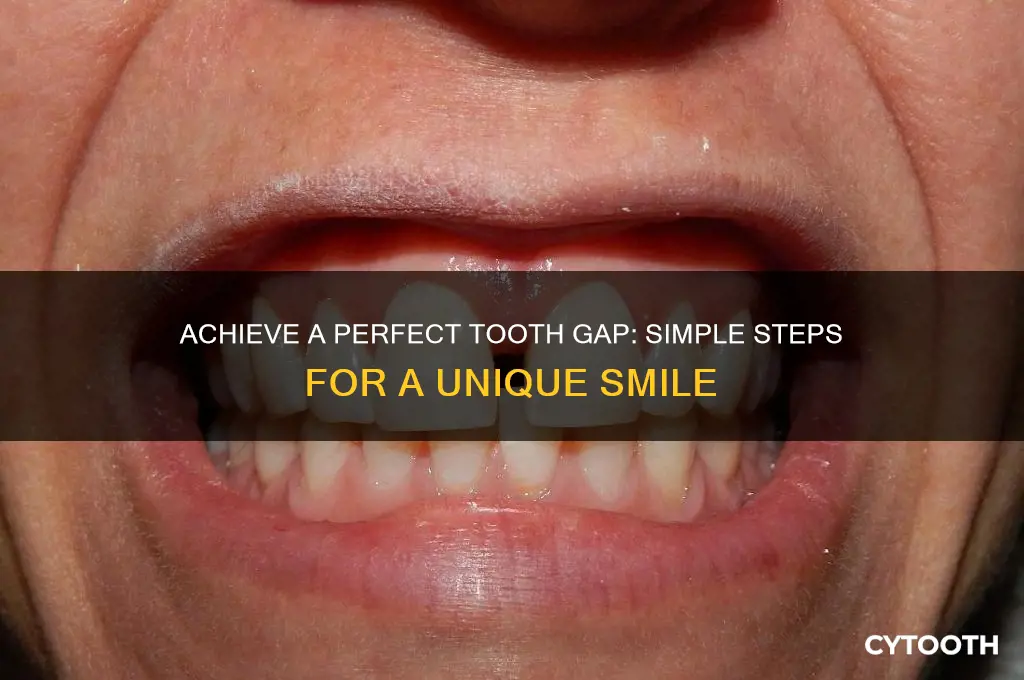
Tooth gaps, also known as diastemas, can occur naturally or be created through various dental procedures, and understanding how to achieve them involves considering both aesthetic preferences and oral health. Natural gaps may arise due to genetics, mismatched jaw and tooth sizes, or habits like thumb-sucking, while intentional gaps can be created through orthodontic treatments such as braces or clear aligners, which reposition teeth to form spaces. Alternatively, cosmetic dentistry options like veneers or dental bonding can reshape teeth to mimic gaps. However, it’s crucial to consult a dentist or orthodontist to ensure any method chosen aligns with long-term oral health and functionality, as improper techniques can lead to issues like gum disease or tooth misalignment.
| Characteristics | Values |
|---|---|
| Natural Causes | Diastema (tooth gap) can occur naturally due to mismatch between tooth size and jaw size, habits like thumb sucking, or tongue thrusting. |
| Genetics | Hereditary factors play a significant role; if family members have gaps, you’re more likely to develop one. |
| Dental Habits | Prolonged thumb sucking, pacifier use, or tongue thrusting can push teeth apart, creating gaps. |
| Missing Teeth | Gaps may form if a tooth is missing or extracted, especially in the upper front teeth. |
| Gum Disease | Periodontal issues can cause gum recession and tooth shifting, leading to gaps. |
| Jaw Size Discrepancy | A jaw that is too large for the teeth can result in spacing between teeth. |
| Orthodontic Treatment | Deliberate gap creation via braces, aligners, or gap bands for aesthetic purposes. |
| Dental Appliances | Gap bands, spacers, or aligners can be used to widen spaces between teeth. |
| Surgical Options | Gum grafting or orthodontic surgery may be used to create or enhance gaps. |
| Cost of Procedures | Varies widely; orthodontic treatments range from $3,000 to $7,000, while surgical options can cost more. |
| Maintenance | Regular dental check-ups and proper oral hygiene are essential to maintain the gap and prevent issues. |
| Aesthetic Considerations | Tooth gaps are often sought for fashion or personal style, popularized by celebrities and influencers. |
| Risks | Potential risks include gum sensitivity, food trapping, and misalignment if not managed properly. |
| Duration of Treatment | Natural gaps may persist lifelong; orthodontic treatments can take 6 months to 2 years. |
What You'll Learn
- Causes of Tooth Gaps: Genetics, habits, tooth size, jaw size, and missing teeth contribute to gaps
- Preventing Tooth Gaps: Proper oral hygiene, avoiding thumb-sucking, and timely dental care prevent gaps
- Fixing Tooth Gaps: Options include braces, Invisalign, veneers, bonding, and dental implants
- Natural Remedies: Exercises like tongue thrusting and gap-closing tools may reduce minor gaps
- When to See a Dentist: Consult a dentist if gaps cause discomfort, affect speech, or worsen?

Causes of Tooth Gaps: Genetics, habits, tooth size, jaw size, and missing teeth contribute to gaps
Tooth gaps, often seen as a unique aesthetic feature, can emerge from a complex interplay of factors beyond mere chance. Genetics play a pivotal role, as inherited traits dictate the size and alignment of teeth and jaws. For instance, if your parents have diastema—the technical term for a gap between teeth—you’re more likely to develop one. This isn’t a flaw but a natural variation, much like eye color or hair texture. Understanding this genetic predisposition can help you embrace or address the gap with clarity.
Habits, particularly in childhood, can also contribute to tooth gaps. Thumb-sucking or prolonged use of pacifiers beyond age three exerts pressure on the front teeth, pushing them outward and creating spaces. Similarly, tongue thrusting, a habit where the tongue presses against the teeth during swallowing, can gradually widen gaps over time. Parents can mitigate these risks by encouraging children to break these habits early, using positive reinforcement or orthodontic devices if necessary.
The physical dimensions of teeth and jaws are another critical factor. If teeth are smaller than the jawbone’s arch, gaps naturally form as there isn’t enough dental material to fill the available space. Conversely, a jaw that’s too small can lead to overcrowding, but in cases where teeth are lost—say, due to injury or decay—adjacent teeth may shift, leaving noticeable spaces. Orthodontic treatments like braces or aligners can address these issues by repositioning teeth to close gaps or create them intentionally, depending on the desired outcome.
Missing teeth, whether from extraction, trauma, or congenital absence, are a direct cause of gaps. For example, the absence of a permanent tooth due to a genetic condition like hypodontia leaves an empty space that can alter the entire dental alignment. In such cases, dental implants or bridges are practical solutions to restore both function and appearance. However, some individuals opt to keep the gap as a distinctive feature, highlighting the intersection of biology and personal style.
In summary, tooth gaps are not random but the result of specific genetic, behavioral, and anatomical factors. Whether you view them as a quirk to celebrate or a feature to modify, understanding their origins empowers you to make informed decisions. From early habit correction to advanced orthodontic interventions, the path to managing or creating tooth gaps is as varied as the causes themselves.
Pregnancy and Dental Care: Is It Safe to Fill a Tooth?
You may want to see also
Preventing Tooth Gaps: Proper oral hygiene, avoiding thumb-sucking, and timely dental care prevent gaps
Tooth gaps, often seen as a quirky charm, can be unintentional outcomes of habits and neglect. While some seek them for aesthetic reasons, others inadvertently create conditions that lead to spacing. The key to preventing these gaps lies in understanding their root causes and taking proactive steps to address them. Proper oral hygiene, for instance, isn’t just about a bright smile—it’s about maintaining the structural integrity of your teeth and gums. Plaque buildup can lead to gum disease, which weakens the tissues holding teeth in place, causing them to shift and create gaps. Brushing twice daily with fluoride toothpaste, flossing daily, and using an antiseptic mouthwash can significantly reduce this risk.
Thumb-sucking, a common habit in children under five, is another major culprit behind tooth gaps. The pressure exerted on the front teeth can push them outward, creating a noticeable space. Parents can discourage this habit by offering alternatives like pacifiers (which cause less damage) or positive reinforcement techniques. For older children, orthodontic devices like thumb cribs can be used to break the habit. It’s crucial to address thumb-sucking before permanent teeth erupt, typically around age six, as correcting gaps later can be more invasive and costly.
Timely dental care plays a pivotal role in gap prevention. Regular check-ups every six months allow dentists to spot early signs of spacing or misalignment. For children, early orthodontic evaluations (around age seven) can identify issues like overcrowding or jaw discrepancies that may lead to gaps. Adults should be vigilant about replacing missing teeth promptly, as neighboring teeth can shift into the empty space over time. Dental interventions like braces, aligners, or implants not only correct gaps but also prevent new ones from forming.
A comparative look at prevention versus correction highlights the value of proactive measures. While preventing gaps through hygiene, habit control, and regular dental visits is relatively simple and affordable, fixing them later often involves lengthy orthodontic treatments or surgical procedures. For example, closing a gap caused by thumb-sucking might require braces for 12–24 months, costing thousands of dollars, whereas early intervention could have avoided the issue altogether. The takeaway is clear: prevention is not just easier—it’s far more effective.
Incorporating these practices into daily life doesn’t require drastic changes. Start with small, consistent actions: set a timer for two-minute brushing sessions, keep floss picks handy for on-the-go use, and schedule dental appointments in advance. For parents, monitor thumb-sucking habits and consult a dentist if the behavior persists past age four. By prioritizing oral health and addressing risk factors early, you can maintain a gap-free smile without the need for corrective measures down the line.
Pregnancy and Dental Implants: What You Need to Know
You may want to see also
Fixing Tooth Gaps: Options include braces, Invisalign, veneers, bonding, and dental implants
Tooth gaps, whether natural or desired, can be addressed through various dental procedures, each with its own set of advantages and considerations. For those seeking to close a gap, the first step is understanding the available options: braces, Invisalign, veneers, bonding, and dental implants. Each method caters to different needs, budgets, and timelines, making it essential to consult with a dentist to determine the most suitable approach.
Braces and Invisalign: The Gradual Approach
Orthodontic treatments like traditional braces and Invisalign are effective for closing gaps by gradually shifting teeth into alignment. Braces use wires and brackets to apply consistent pressure, while Invisalign employs a series of clear, removable aligners. Both options typically require 6 to 24 months, depending on the gap’s size and the patient’s compliance. Invisalign is often preferred for its discreet appearance and ease of maintenance, though it may not be suitable for complex cases. Braces, on the other hand, are more versatile but less aesthetically pleasing. Costs range from $3,000 to $7,000, with Invisalign generally being more expensive.
Veneers and Bonding: Instant Transformation
For a quicker fix, veneers and dental bonding offer immediate results. Veneers are thin, custom-made shells that cover the front surface of teeth, effectively masking gaps. They are durable, lasting 10–15 years, but require removing a small amount of enamel, making the procedure irreversible. Bonding, in contrast, involves applying a tooth-colored resin to the teeth, which is then shaped and polished. It’s less expensive ($300–$600 per tooth) and can be completed in a single visit, but it’s more prone to staining and chipping. Both options are ideal for small to moderate gaps and provide a natural-looking finish.
Dental Implants: The Comprehensive Solution
When a gap is caused by a missing tooth, dental implants are the gold standard. This procedure involves placing a titanium post into the jawbone, which acts as a root for a custom-made crown. Implants are the most durable option, often lasting a lifetime with proper care, but they are also the most invasive and costly ($3,000–$4,500 per tooth). The process can take several months, as the jawbone needs time to fuse with the implant. While implants restore both function and aesthetics, they require healthy gums and sufficient bone density, making them unsuitable for everyone.
Choosing the Right Option: Practical Considerations
Selecting the best method depends on factors like the gap’s size, budget, and desired timeline. For minor gaps, bonding or veneers may suffice, while larger or multiple gaps might require braces or Invisalign. Dental implants are ideal for replacing missing teeth but are a significant investment. Maintenance is also key: braces and Invisalign require regular orthodontic visits, veneers need minimal upkeep, and implants demand excellent oral hygiene. Consulting a dentist will help tailor the solution to individual needs, ensuring both aesthetic satisfaction and long-term dental health.
Can You Get a Root Canal on a Broken Tooth?
You may want to see also
Natural Remedies: Exercises like tongue thrusting and gap-closing tools may reduce minor gaps
Minor tooth gaps, often caused by factors like genetics, gum disease, or habits such as thumb-sucking, can be a cosmetic concern for many. While orthodontic treatments like braces or aligners are common solutions, natural remedies and exercises have gained attention for their potential to reduce minor gaps. Among these, tongue thrusting exercises and gap-closing tools stand out as accessible, non-invasive options. However, their effectiveness depends on consistent practice and the severity of the gap.
Tongue thrusting exercises, for instance, focus on retraining the tongue’s resting position to promote proper dental alignment. To perform this exercise, place the tip of your tongue against the roof of your mouth, just behind the front teeth, and hold for 5–10 seconds. Repeat this 10–15 times daily. This technique helps counteract the pressure that may contribute to gaps by encouraging the tongue to rest in a position that supports tooth alignment. For best results, combine this exercise with mindful swallowing, ensuring the tongue presses against the palate rather than the teeth.
Gap-closing tools, such as dental bands or aligners designed for minor spacing, offer a more mechanical approach. These tools apply gentle pressure to the teeth, gradually nudging them closer together. For example, orthodontic bands can be placed around two teeth with a gap, and worn for several hours daily. It’s crucial to start slowly—wear the bands for 1–2 hours initially, increasing duration as tolerance builds. Always consult a dentist before using such tools, as improper use can lead to discomfort or damage.
While these natural remedies show promise for minor gaps, they are not one-size-fits-all solutions. Children and teenagers, whose jaws are still developing, may see better results than adults. Additionally, gaps caused by significant misalignment or underlying dental issues may require professional intervention. Patience is key, as noticeable changes can take weeks or months. Pairing these exercises with good oral hygiene and regular dental check-ups maximizes their potential effectiveness.
In conclusion, tongue thrusting exercises and gap-closing tools offer a low-cost, non-invasive way to address minor tooth gaps. Their success hinges on consistency, proper technique, and realistic expectations. For those seeking a natural approach, these methods provide a starting point—but always consult a dental professional to ensure they’re right for your specific needs.
Can Abscesses Occur Post-Root Canal Treatment? Understanding the Risks
You may want to see also
When to See a Dentist: Consult a dentist if gaps cause discomfort, affect speech, or worsen
Gaps between teeth, while sometimes embraced for aesthetic reasons, can signal underlying issues that demand professional attention. Discomfort, such as sensitivity or pain around the gap, often indicates gum irritation, tooth misalignment, or even decay. If brushing or flossing near the gap becomes painful, it’s a clear sign to consult a dentist. Ignoring these symptoms can lead to more severe problems, including infection or periodontal disease, which may require invasive treatments.
Speech impediments caused by tooth gaps, like lisping or difficulty pronouncing certain sounds, are more than just cosmetic concerns. The tongue relies on precise contact with teeth to form words correctly. A gap disrupting this process can affect communication and confidence. Dentists can assess whether the gap is the root cause and recommend solutions, such as orthodontic treatment or dental appliances, to restore proper speech function. Early intervention is key to preventing long-term speech challenges.
Worsening gaps, whether due to shifting teeth or gum recession, should never be overlooked. Gradual changes might seem minor, but they can indicate bone loss, periodontal disease, or habits like tooth grinding. A dentist can identify the cause through X-rays and oral exams, offering treatments like braces, aligners, or gum grafting to halt progression. Monitoring gaps at regular dental check-ups ensures timely intervention before irreversible damage occurs.
Practical tip: If you notice a gap widening or causing discomfort, avoid DIY fixes like dental wax or over-the-counter spacers. These can exacerbate issues by trapping bacteria or misaligning teeth further. Instead, schedule a dental appointment promptly. For children, gaps often close naturally as permanent teeth erupt, but persistent or widening gaps after age 12 warrant evaluation. Adults should seek care immediately, as gaps in mature mouths rarely self-correct and may require orthodontic or restorative solutions.
In summary, tooth gaps aren’t always harmless quirks. Discomfort, speech issues, or visible worsening are red flags that demand professional assessment. Dentists can diagnose the cause, prevent complications, and provide tailored treatments to restore oral health and function. Don’t wait for symptoms to escalate—early intervention is the most effective way to address gap-related concerns.
Invisalign with a Missing Tooth: Is It Possible? Find Out!
You may want to see also
Frequently asked questions
Tooth gaps, also known as diastema, can be caused by various factors such as genetics, mismatched jaw and tooth sizes, missing teeth, gum disease, or habits like thumb sucking.
While some tooth gaps are unavoidable due to genetics or jaw structure, others can be prevented by maintaining good oral hygiene, avoiding harmful habits like thumb sucking, and seeking early orthodontic treatment if necessary.
Treatment options for tooth gaps include orthodontic treatments like braces or clear aligners (e.g., Invisalign), dental bonding, veneers, or dental implants, depending on the underlying cause and severity of the gap.
Yes, it is possible to create a tooth gap intentionally through cosmetic dentistry procedures like dental bonding or veneers, but it is essential to consult with a dentist to ensure the procedure is safe and suitable for your oral health.