Samantha Blake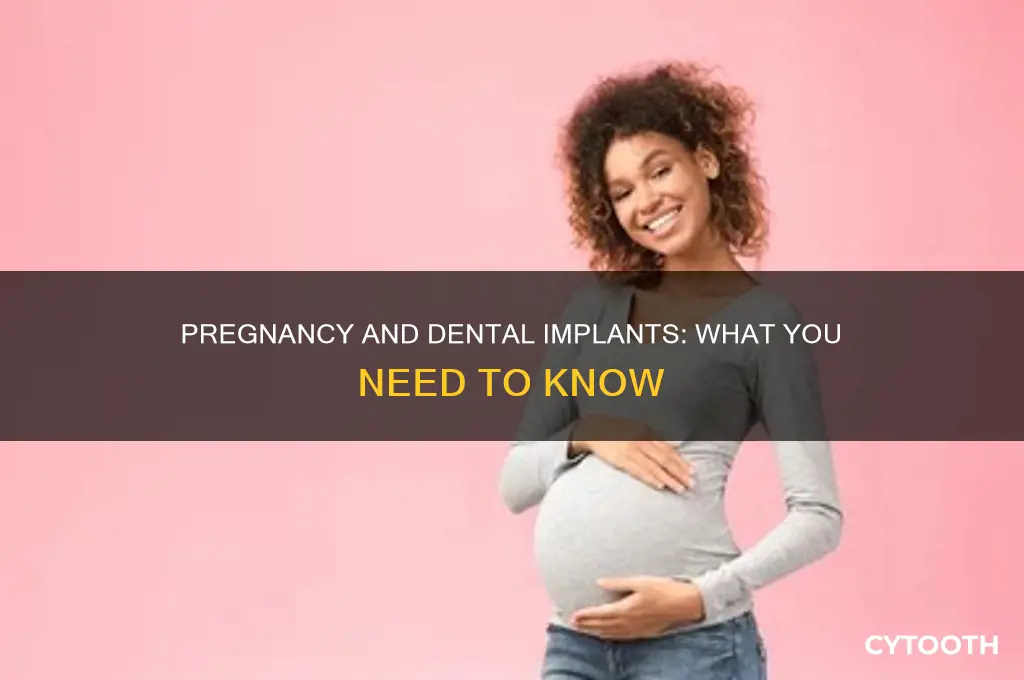
Pregnancy is a time of heightened health considerations, and many expectant mothers wonder about the safety of dental procedures, including tooth implants. While dental implants are generally considered safe and effective for replacing missing teeth, the question of whether they can be performed during pregnancy requires careful evaluation. Pregnancy involves hormonal changes and increased blood flow, which can affect oral health and the body’s response to surgical procedures. Additionally, there are concerns about anesthesia, radiation from X-rays, and potential risks to the developing fetus. As a result, most dental professionals recommend postponing elective procedures like tooth implants until after pregnancy, unless the situation is urgent. Always consult with both your dentist and obstetrician to weigh the risks and benefits based on your specific circumstances.
| Characteristics | Values |
|---|---|
| Safety | Generally considered safe during pregnancy, but elective procedures are often postponed until after delivery. |
| Anesthesia | Local anesthesia is typically used and is considered safe for both mother and fetus. |
| Timing | Best to avoid during the first trimester and late third trimester. Second trimester is often considered the safest window if the procedure is necessary. |
| Infection Risk | Increased risk of infection during pregnancy, which can pose risks to both mother and fetus. |
| Radiation Exposure | X-rays are generally avoided during pregnancy unless absolutely necessary. Limited radiation exposure with proper shielding is possible. |
| Medications | Some medications used during or after the procedure (e.g., antibiotics, pain relievers) may not be safe during pregnancy. Consultation with an obstetrician is essential. |
| Stress and Discomfort | Pregnancy can increase sensitivity to pain and discomfort, and the stress of the procedure may not be ideal. |
| Healing | Healing may be slower during pregnancy due to hormonal changes and increased blood flow. |
| Recommendation | Most dentists recommend postponing elective dental implants until after pregnancy unless it’s an emergency. |
| Consultation | Always consult with both the dentist and obstetrician to weigh the risks and benefits. |
What You'll Learn

Safety of implants during pregnancy
Dental implants during pregnancy are generally not recommended due to potential risks associated with the procedure and the prenatal environment. The primary concern lies in the surgical aspect of implant placement, which involves incisions, bone grafting (if necessary), and the use of anesthesia. Local anesthetics like lidocaine are considered relatively safe during pregnancy, but the stress of surgery and potential complications such as infection or bleeding pose risks to both the mother and the developing fetus. Additionally, pregnancy-related hormonal changes can affect oral tissues, potentially compromising the implant’s integration with the jawbone.
From a comparative perspective, dental implants differ significantly from other dental procedures like fillings or extractions, which are often deemed necessary and safer during pregnancy. While a simple filling addresses immediate pain or decay without invasive surgery, implants require a multi-stage process that includes osseointegration—a period of several months where the implant fuses with the bone. This timeline often extends beyond the pregnancy, making it impractical and risky to initiate the procedure during this period. In contrast, urgent extractions or root canals are prioritized to prevent systemic infections that could harm the fetus.
A persuasive argument against implants during pregnancy centers on the precautionary principle: avoiding unnecessary interventions when the benefits do not outweigh the risks. While tooth loss or severe decay can impact a mother’s quality of life, temporary solutions like bridges or partial dentures can serve as effective alternatives until postpartum. These options avoid surgery and minimize exposure to potential stressors or medications. Pregnant individuals should consult their dentist and obstetrician to weigh immediate needs against long-term implications, ensuring decisions align with both oral health and prenatal care guidelines.
Practically, if a dental implant is deemed absolutely necessary during pregnancy (e.g., due to trauma or severe functional impairment), it should be delayed until the second trimester, when the risk of miscarriage is lower and fetal development is more stable. However, even then, the procedure should be approached with extreme caution. Postponing the implant until after childbirth and completion of breastfeeding is the safest course, as it eliminates concerns about anesthesia, radiation from imaging, and the body’s altered physiological state. Patients should prioritize preventive care during pregnancy, such as meticulous oral hygiene and regular dental check-ups, to reduce the likelihood of complications requiring invasive treatments.
Pregnancy and Dental Care: Is It Safe to Fill a Tooth?
You may want to see also
Best trimester for dental procedures
Pregnancy significantly alters a woman's body, including her oral health, making dental procedures a delicate consideration. While dental implants are generally safe, the ideal timing during pregnancy remains a nuanced decision. The second trimester often emerges as the most favorable window for elective dental procedures, including implants. This period, spanning weeks 14 to 26, minimizes risks associated with both the first trimester's critical fetal development and the third trimester's physical discomfort and increased risk of complications. During the second trimester, nausea and fatigue typically subside, and the mother's body is more stable, allowing for better tolerance of dental procedures.
However, the decision to proceed with a dental implant during pregnancy should be individualized, considering the urgency of the procedure and the mother's overall health. Non-urgent procedures are often postponed until after childbirth to eliminate any potential risks, no matter how minimal. If an implant is deemed necessary, such as in cases of severe infection or trauma, the second trimester is generally preferred. Dentists will take extra precautions, including avoiding X-rays unless absolutely necessary and using lead aprons to shield the abdomen. Local anesthesia, such as lidocaine, is considered safe during pregnancy, but the dosage and type of anesthetic will be carefully selected to minimize any potential impact on the fetus.
Comparatively, the first trimester is the most critical period for fetal development, with major organs forming during this time. Dental procedures, including implants, are typically avoided unless they are essential for the mother's health. The third trimester, while less critical for fetal development, poses challenges due to the mother's increased discomfort, difficulty lying flat, and higher risk of complications such as preterm labor. Additionally, the physiological changes in pregnancy, such as increased blood flow and gum sensitivity, can affect the healing process, making the second trimester a more predictable and safer time for dental interventions.
Practical tips for pregnant women considering dental implants include maintaining excellent oral hygiene to prevent complications that might necessitate urgent procedures. Regular dental check-ups during pregnancy are crucial, as hormonal changes can exacerbate conditions like gingivitis. If an implant is necessary, discuss all concerns with both your dentist and obstetrician to ensure a coordinated approach. Post-procedure care is equally important, with a focus on gentle cleaning around the implant site and avoiding any medications that are not pregnancy-safe. While the second trimester is often the best time for dental implants, the decision should always prioritize the health and safety of both mother and baby.
Veneers with a Missing Tooth: What Are Your Options?
You may want to see also
Anesthesia risks for pregnant women
Pregnant women often face unique challenges when it comes to dental procedures, and the use of anesthesia adds another layer of complexity. While tooth implants can be a viable solution for missing teeth, the safety of anesthesia during pregnancy is a critical concern. Anesthesia can potentially affect both the mother and the developing fetus, making it essential to weigh the risks and benefits carefully.
From an analytical perspective, the risks associated with anesthesia during pregnancy depend on various factors, including the type of anesthesia, the stage of pregnancy, and the overall health of the mother. Local anesthesia, which numbs a specific area, is generally considered safer than general anesthesia, which affects the entire body. However, even local anesthesia can pose risks if not administered correctly. For instance, lidocaine, a common local anesthetic, is typically safe in limited doses but can cross the placenta and potentially affect fetal heart rate and development. The American Dental Association (ADA) recommends using the lowest effective dose and avoiding epinephrine-containing solutions, especially during the first trimester.
Instructively, if a tooth implant is deemed necessary during pregnancy, it’s crucial to follow specific precautions. First, consult with both your dentist and obstetrician to assess the urgency of the procedure and the potential risks. If proceeding, ensure the dentist uses local anesthesia without epinephrine and monitors the dosage carefully. The second trimester is often considered the safest period for dental procedures, as the first trimester is critical for fetal development, and the third trimester may pose risks due to positioning and increased stress on the mother’s body. Always prioritize non-invasive treatments or postpone elective procedures until after pregnancy if possible.
Persuasively, while the risks of anesthesia during pregnancy are real, they should not deter women from seeking necessary dental care. Untreated dental issues, such as infections, can pose greater risks to both mother and baby. For example, periodontal disease has been linked to preterm birth and low birth weight. By addressing dental problems promptly and using anesthesia judiciously, pregnant women can maintain oral health without compromising fetal safety. Communication between healthcare providers is key to making informed decisions tailored to individual circumstances.
Comparatively, the risks of anesthesia during pregnancy are often lower than those associated with untreated dental conditions. For instance, a tooth abscess can lead to systemic infections, which are far more dangerous than the controlled use of local anesthesia. Additionally, modern anesthesia techniques and monitoring have significantly reduced complications, making dental procedures safer than in the past. However, this does not negate the need for caution; pregnant women should always err on the side of safety and explore alternatives when possible.
In conclusion, while anesthesia during pregnancy carries risks, it can be managed with careful planning and collaboration between healthcare providers. Pregnant women considering tooth implants should prioritize their oral health while minimizing potential harm to their baby. By understanding the specifics of anesthesia risks and following expert guidelines, they can make informed decisions that balance both needs effectively.
Can Root Canal Teeth Develop Cavities? Debunking Dental Myths
You may want to see also
Post-implant care and pregnancy
Pregnancy complicates post-implant care due to hormonal changes and increased sensitivity. Gum tissues become more susceptible to inflammation, a condition known as pregnancy gingivitis, which can interfere with the healing process after an implant. Elevated levels of progesterone and estrogen enhance blood flow to the gums, making them prone to irritation and bleeding. This heightened sensitivity necessitates a gentler, more meticulous oral hygiene routine to prevent complications such as implant failure or infection.
To mitigate risks, pregnant individuals must adopt a tailored oral care regimen post-implant. Use a soft-bristled toothbrush to clean around the implant site twice daily, avoiding aggressive scrubbing. Incorporate an antimicrobial mouthwash, preferably alcohol-free, to reduce bacterial buildup without causing dryness or irritation. Flossing is crucial but should be done gently to avoid damaging the gums. For added protection, consider using an interdental brush to clean hard-to-reach areas around the implant.
Diet plays a pivotal role in post-implant care during pregnancy. Consume foods rich in calcium, vitamin D, and phosphorus to support bone health and implant integration. Avoid hard, crunchy, or sticky foods that could exert pressure on the implant site, potentially disrupting the healing process. Stay hydrated to maintain saliva production, which helps neutralize acids and prevent plaque accumulation. Limit sugary snacks and beverages, as pregnancy increases the risk of tooth decay, which could compromise the implant’s stability.
Regular dental check-ups are essential but require careful scheduling during pregnancy. Avoid elective procedures, including implant placement, during the first and third trimesters when fetal development is most critical. If an implant is already in place, consult your dentist and obstetrician to determine safe intervals for follow-up visits. X-rays and other diagnostic procedures should be minimized, but if necessary, use lead aprons and thyroid collars to protect the fetus. Always inform your dental provider about your pregnancy and any medications you’re taking to ensure safe treatment.
Finally, monitor for signs of complications such as persistent pain, swelling, or discharge around the implant site. These symptoms could indicate infection or implant failure, which require immediate attention. Pregnancy-related hormonal changes may exacerbate these issues, so early intervention is crucial. Maintain open communication with your dental and medical teams to address concerns promptly and ensure both maternal and oral health remain optimal throughout pregnancy.
Can You Get a Root Canal on a Broken Tooth?
You may want to see also
Alternatives to implants during pregnancy
Pregnancy often necessitates postponing dental implants due to concerns about anesthesia, X-rays, and osseointegration during hormonal fluctuations. However, untreated tooth loss can lead to misalignment, bone loss, and functional issues. Temporary alternatives focus on preserving oral health without invasive procedures. Removable partial dentures, for instance, offer a non-surgical solution that can be adjusted as the mouth changes during pregnancy. These prosthetics are custom-fitted to replace missing teeth, restoring aesthetics and chewing ability while avoiding the risks associated with implant surgery.
Another viable option is a dental bridge, which anchors to adjacent teeth rather than requiring implant placement. While this method involves minimal alteration to neighboring teeth, it provides a fixed solution that feels more natural than a removable denture. Pregnant individuals should consult their dentist to ensure the procedure is timed appropriately, avoiding the first trimester when fetal development is most sensitive. Bridges are durable and can be maintained with regular oral hygiene, making them a practical choice until a permanent implant can be considered postpartum.
For those seeking a more conservative approach, resin-bonded bridges offer a less invasive alternative. These bridges use a metal or porcelain framework bonded to the back of adjacent teeth, minimizing preparation and preserving tooth structure. This method is particularly suitable for front teeth, where aesthetics are a priority. However, it may not be as durable as traditional bridges, especially under heavy biting forces. Pregnant patients should discuss their specific needs with a dentist to determine the best fit.
In cases where tooth loss is recent, a temporary flipper denture can serve as a short-term solution. This lightweight, acrylic appliance is designed to fill the gap while the patient awaits a more permanent option. Flippers are cost-effective and easy to adjust, making them ideal for the dynamic oral environment during pregnancy. While they may not offer the same stability as bridges or implants, they prevent adjacent teeth from shifting and maintain space for future restoration.
Ultimately, the choice of alternative depends on individual circumstances, such as the location of the missing tooth, oral health status, and personal preference. Pregnant individuals should prioritize solutions that minimize risk while addressing immediate functional and aesthetic needs. Regular dental check-ups during pregnancy are essential to monitor oral health and ensure any temporary restoration remains effective. By opting for these alternatives, patients can safeguard their oral well-being without compromising their pregnancy.
Partial Denture for a Single Tooth: Is It a Viable Option?
You may want to see also
Frequently asked questions
It is generally not recommended to get a tooth implant during pregnancy due to potential risks and uncertainties.
Dental implants are typically avoided during all trimesters to minimize exposure to anesthesia, X-rays, and potential infections.
Risks include exposure to anesthesia, X-rays, infection, and potential complications that could affect the pregnancy.
Yes, it is usually advised to postpone non-emergency dental procedures like implants until after pregnancy and breastfeeding.
Temporary solutions like dental bridges or partial dentures can be considered, but consult your dentist and obstetrician for personalized advice.