Logan Hayes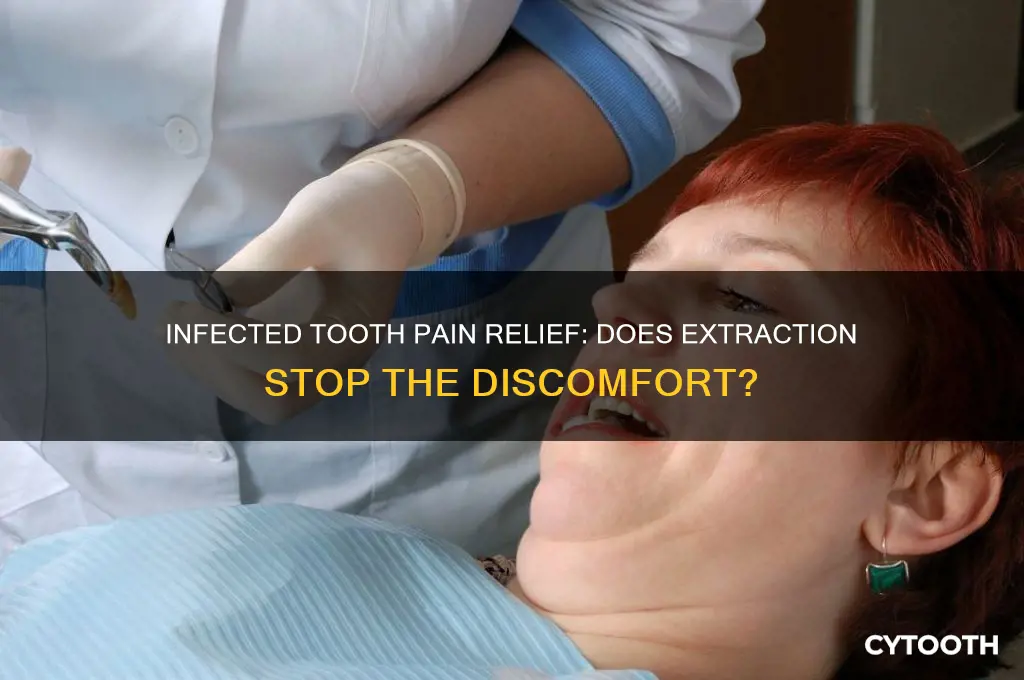
Pulling an infected tooth is often considered a last resort but can be an effective way to alleviate severe pain caused by dental infections. When a tooth becomes infected, the bacteria can spread to the surrounding tissues, leading to inflammation, abscess formation, and intense discomfort. While antibiotics and root canal treatments may help manage the infection, extracting the tooth can provide immediate relief by removing the source of the problem. However, the decision to extract should be made by a dentist or oral surgeon, as it depends on the extent of the infection, the tooth's condition, and the patient's overall health. While pulling the tooth may stop the pain, it is crucial to address the underlying cause to prevent further complications.
| Characteristics | Values |
|---|---|
| Immediate Pain Relief | Pulling an infected tooth can provide immediate relief from severe pain caused by infection or abscess. |
| Elimination of Infection Source | Removing the infected tooth eliminates the source of infection, preventing further spread. |
| Long-Term Solution | Extraction is a permanent solution for an irreparably damaged or infected tooth. |
| Potential for Complications | Risks include dry socket, bleeding, infection, or nerve damage if not performed properly. |
| Post-Extraction Pain | Pain after extraction is common but manageable with medication and proper care. |
| Alternative Treatments | Root canal therapy or antibiotics may be considered before extraction, depending on the infection's severity. |
| Recovery Time | Healing typically takes 1-2 weeks, with initial pain subsiding within a few days. |
| Cost Implications | Extraction may be more cost-effective than root canal therapy or other treatments. |
| Impact on Oral Health | Removal of a tooth may require replacement (e.g., implant, bridge) to maintain oral function and aesthetics. |
| Dependence on Infection Severity | Effectiveness varies; severe infections often require extraction for complete relief. |
What You'll Learn

Immediate Pain Relief After Extraction
Pulling an infected tooth often provides immediate pain relief, but the experience varies depending on the severity of the infection and individual pain tolerance. Once the source of infection is removed, the acute pain caused by pressure buildup, nerve irritation, or abscess drainage typically subsides within hours. However, this relief is not instantaneous; it may take 30 minutes to 2 hours for the anesthesia to wear off and the full effect of the extraction to be felt. During this window, patients often report a dramatic reduction in throbbing or sharp pain, replaced by a manageable soreness at the extraction site.
To maximize immediate pain relief post-extraction, follow these steps: First, apply an ice pack to the cheek near the extraction site for 15–20 minutes at a time, repeating every hour for the first 6 hours. This reduces swelling and numbs the area. Second, take over-the-counter pain relievers such as ibuprofen (600–800 mg every 6–8 hours) or acetaminophen (500–1000 mg every 4–6 hours) as directed by your dentist. Avoid aspirin, as it can increase bleeding. Third, keep your head elevated, even while sleeping, to minimize swelling and discomfort. Finally, rinse gently with warm salt water 24 hours after the procedure to keep the area clean and soothe irritation.
While immediate pain relief is common, some patients may experience residual discomfort due to factors like dry socket, a condition where the blood clot at the extraction site dislodges. This typically occurs 3–5 days post-extraction and causes sharp, radiating pain. To prevent dry socket, avoid smoking, using straws, or vigorously rinsing your mouth for the first 48 hours. If pain persists or worsens despite following these measures, contact your dentist immediately, as it may indicate an infection or other complication requiring intervention.
Comparatively, the relief from extracting an infected tooth is often more pronounced than managing the infection with antibiotics alone. While antibiotics can reduce infection over several days, they do not address the physical pressure or nerve damage causing immediate pain. Extraction eliminates the source of the problem, providing faster and more definitive relief. However, it’s crucial to complete any prescribed antibiotic course to prevent the spread of infection to surrounding tissues or the bloodstream, even if pain subsides quickly.
In summary, immediate pain relief after extracting an infected tooth is a common and often dramatic outcome, but it requires proper aftercare to ensure lasting comfort. By following specific steps, such as using ice packs, taking medication, and avoiding behaviors that disrupt healing, patients can minimize discomfort and reduce the risk of complications. While extraction offers faster relief than antibiotics alone, it’s a procedure that demands careful post-operative management to achieve the best results.
Popcorn Kernels and Tooth Pain: Uncovering the Surprising Connection
You may want to see also
Risks of Delaying Infected Tooth Removal
Delaying the removal of an infected tooth can allow the infection to spread, potentially leading to more severe health complications. An untreated dental abscess, for instance, can progress from a localized issue to a systemic problem, affecting not just the mouth but also other parts of the body. Bacteria from the infection can enter the bloodstream, causing conditions like sepsis, a life-threatening response to infection. This risk underscores the urgency of addressing an infected tooth promptly rather than postponing treatment.
Consider the financial and physical toll of delaying care. While the immediate cost of a tooth extraction might seem daunting, the expenses associated with treating advanced infections—such as hospitalization, intravenous antibiotics, or surgical drainage—can be significantly higher. For example, a course of intravenous antibiotics for a severe dental infection can cost thousands of dollars, not to mention the potential loss of workdays due to illness. Early intervention not only alleviates pain but also minimizes long-term financial strain.
From a procedural standpoint, extracting an infected tooth earlier rather than later often simplifies the process. An infection can weaken the surrounding bone and gum tissue, making the extraction more complex and increasing the risk of complications like excessive bleeding or incomplete removal of the tooth. Dentists may also need to prescribe a higher dose of antibiotics (e.g., 500 mg of amoxicillin three times daily for adults) pre- or post-extraction if the infection has progressed, adding another layer of treatment. Timely action ensures a smoother procedure and faster recovery.
Finally, delaying removal can exacerbate pain and discomfort, which may temporarily subside with antibiotics but will persist until the tooth is extracted. Over-reliance on pain relievers like ibuprofen (typically 600–800 mg every 6–8 hours for adults) can lead to gastrointestinal issues or liver damage if used long-term. Addressing the root cause by removing the infected tooth not only stops the pain but also eliminates the need for prolonged medication use, offering a more sustainable solution to the problem.
Toothache and Throat Pain: Understanding the Surprising Connection
You may want to see also
Post-Extraction Pain Management Options
Pulling an infected tooth often provides immediate relief from the intense pain caused by the infection. However, post-extraction discomfort is common and managing it effectively is crucial for a smooth recovery. Here’s a focused guide on post-extraction pain management options, tailored to ensure comfort and prevent complications.
Immediate Relief Strategies: The First 24 Hours
After a tooth extraction, the first 24 hours are critical for managing pain and swelling. Apply an ice pack to the affected area in 20-minute intervals during the first day to reduce inflammation. Avoid hot compresses initially, as they can increase swelling. Over-the-counter pain relievers like ibuprofen (600–800 mg every 6–8 hours) or acetaminophen (500–1000 mg every 4–6 hours) are effective for mild to moderate pain. Always follow the recommended dosage and consult a dentist if pain persists or worsens. For severe cases, your dentist may prescribe stronger medications like hydrocodone or codeine, but these should be used sparingly due to their side effects and potential for dependency.
Long-Term Pain Management: Days 2–7
As swelling subsides, transition to warm compresses to promote healing and alleviate residual discomfort. Continue with over-the-counter pain relievers as needed, but avoid aspirin, as it can increase bleeding risk. Rinsing with a warm saltwater solution (1/2 teaspoon of salt in 8 ounces of water) after meals helps keep the extraction site clean and reduces irritation. Avoid strenuous activities, smoking, and alcohol, as these can delay healing and exacerbate pain. If pain persists beyond 7 days or is accompanied by fever, pus, or excessive bleeding, seek immediate dental care, as these could indicate infection or dry socket.
Preventing Dry Socket: A Critical Consideration
Dry socket, a painful condition where the blood clot at the extraction site dislodges, is a common complication. To prevent it, avoid using straws, spitting forcefully, or rinsing vigorously for the first 24 hours. Stick to soft foods like yogurt, mashed potatoes, and smoothies, and chew on the opposite side of the mouth. If dry socket occurs, your dentist can provide a medicated dressing to alleviate pain and promote healing.
Natural Remedies: Complementary Options
For those seeking alternatives to medication, natural remedies can provide additional relief. Clove oil, applied topically with a cotton swab, has analgesic and antimicrobial properties. Peppermint tea bags, cooled and placed on the extraction site, can reduce inflammation and numb the area. However, these remedies should complement, not replace, professional advice and prescribed treatments. Always consult your dentist before trying new methods, especially if you have allergies or underlying health conditions.
Effective post-extraction pain management combines immediate interventions, long-term strategies, and preventive measures. By following these guidelines, you can minimize discomfort, promote healing, and ensure a successful recovery after a tooth extraction.
Can Tooth Pain Cause Dizziness? Exploring the Surprising Connection
You may want to see also
Infection Spread Prevention Benefits
An infected tooth can serve as a breeding ground for harmful bacteria, which, if left unchecked, can spread to other parts of the body, including the jawbone, neck, and even the brain. This is why preventing the spread of infection is a critical consideration when deciding whether to extract an infected tooth. By removing the source of infection, you eliminate the risk of it traveling through the bloodstream or lymphatic system, potentially causing life-threatening conditions such as sepsis or Ludwig’s angina.
Consider the process of extraction as a targeted intervention to contain bacterial growth. When a tooth is severely infected, antibiotics alone may not penetrate the affected area effectively, especially if an abscess has formed. In such cases, pulling the tooth not only alleviates pain but also physically removes the infected tissue, preventing further bacterial colonization. For instance, a periapical abscess, if untreated, can erode bone and spread to adjacent structures, making extraction a necessary step to halt the infection’s progression.
From a practical standpoint, preventing infection spread through extraction is particularly crucial for individuals with compromised immune systems, such as diabetics, cancer patients, or the elderly. These groups are more susceptible to systemic infections and may experience slower healing times. For example, a diabetic patient with a tooth infection faces a higher risk of developing a widespread infection due to elevated blood sugar levels, which impair immune function. Extracting the infected tooth in such cases acts as both a pain relief measure and a proactive step to safeguard overall health.
To maximize the infection spread prevention benefits of tooth extraction, follow these post-operative care guidelines: keep the extraction site clean by rinsing gently with warm salt water starting 24 hours after the procedure, avoid smoking or using straws for at least 72 hours to prevent dry socket, and take prescribed antibiotics exactly as directed, typically 500 mg of amoxicillin every 8 hours for 7 days, unless contraindicated. Additionally, monitor for signs of spreading infection, such as fever, swelling beyond the extraction site, or difficulty swallowing, and seek immediate medical attention if these symptoms occur.
In comparison to root canal therapy, which aims to save the infected tooth, extraction offers a more definitive solution for preventing infection spread, especially when the tooth’s structural integrity is severely compromised. While root canals are effective in many cases, they carry a small risk of recurrent infection if bacteria remain in the root system. Extraction eliminates this risk entirely, making it the preferred choice in cases of advanced infection or when the patient’s overall health is at stake. By prioritizing infection containment, tooth extraction not only stops the pain but also protects against potentially severe complications.
Effective Ways to Relieve Tooth Pain Caused by Invisalign Treatment
You may want to see also
Long-Term Pain Relief vs. Temporary Solutions
Pulling an infected tooth can provide immediate relief from excruciating pain, but it’s a decision that hinges on understanding the difference between long-term pain relief and temporary solutions. While extraction eliminates the source of infection, it doesn’t address underlying issues like gum disease or systemic health problems that may have contributed to the infection. For instance, a study in the *Journal of Oral and Maxillofacial Surgery* found that 85% of patients experienced immediate pain relief post-extraction, but 30% reported lingering discomfort or complications within six months due to unresolved oral health issues. This highlights the importance of evaluating whether extraction is a definitive solution or merely a quick fix.
Consider the case of a 45-year-old patient with a severely infected molar. Over-the-counter pain relievers like ibuprofen (600–800 mg every 6–8 hours) or acetaminophen (1000 mg every 6 hours) may temporarily mask the pain, but the infection persists, risking abscess formation or bone loss. Root canal therapy, though more invasive and costly ($1,000–$2,000), preserves the tooth and addresses the infection at its source, offering long-term relief. Extraction, while cheaper ($150–$300), removes the tooth but leaves the patient vulnerable to misalignment, bite issues, or the need for costly replacements like implants ($3,000–$4,500) later. The choice depends on the patient’s oral health, budget, and willingness to invest in preventive care.
From a persuasive standpoint, opting for long-term solutions like root canals or antibiotics (e.g., amoxicillin 500 mg three times daily for 7–10 days) requires patience and commitment but yields better outcomes. Temporary fixes, such as draining an abscess or using topical anesthetics like benzocaine gel, provide fleeting relief but fail to resolve the infection. A comparative analysis reveals that while extraction stops pain instantly, it’s akin to pruning a diseased branch without treating the tree. Long-term strategies, though demanding, ensure the infection doesn’t recur and preserve oral function.
Practically, patients should weigh the pros and cons with their dentist. For example, a young adult with a healthy adjacent tooth might benefit from a root canal to maintain bite alignment, while an elderly patient with multiple dental issues may find extraction more feasible. Post-extraction care, such as avoiding hot liquids for 24 hours and rinsing with warm salt water after 48 hours, minimizes complications. Ultimately, the goal isn’t just to stop pain but to restore oral health sustainably, making informed decisions the cornerstone of effective treatment.
Can Acid Reflux Trigger Tooth Pain? Understanding the Surprising Connection
You may want to see also
Frequently asked questions
Pulling an infected tooth can provide significant pain relief, but it may not be immediate. The procedure itself is done under anesthesia, so you won’t feel pain during extraction. Afterward, some discomfort or soreness is normal, but the severe pain from the infection should subside as the source of the infection is removed.
Yes, extracting an infected tooth can prevent the infection from spreading to other teeth, gums, or even the jawbone. Leaving an infected tooth untreated can lead to more serious complications, such as abscesses or systemic infections.
Depending on the severity of the infection, alternatives like root canal therapy, antibiotics, or drainage of an abscess may be considered. However, if the tooth is severely damaged or the infection is advanced, extraction may be the only effective option to stop the pain.
Recovery time varies, but most people begin to feel better within a few days. Initial healing typically takes about 1-2 weeks, during which you may experience swelling, bruising, or mild discomfort. Following your dentist’s aftercare instructions is crucial for a smooth recovery.