Hailey Morgan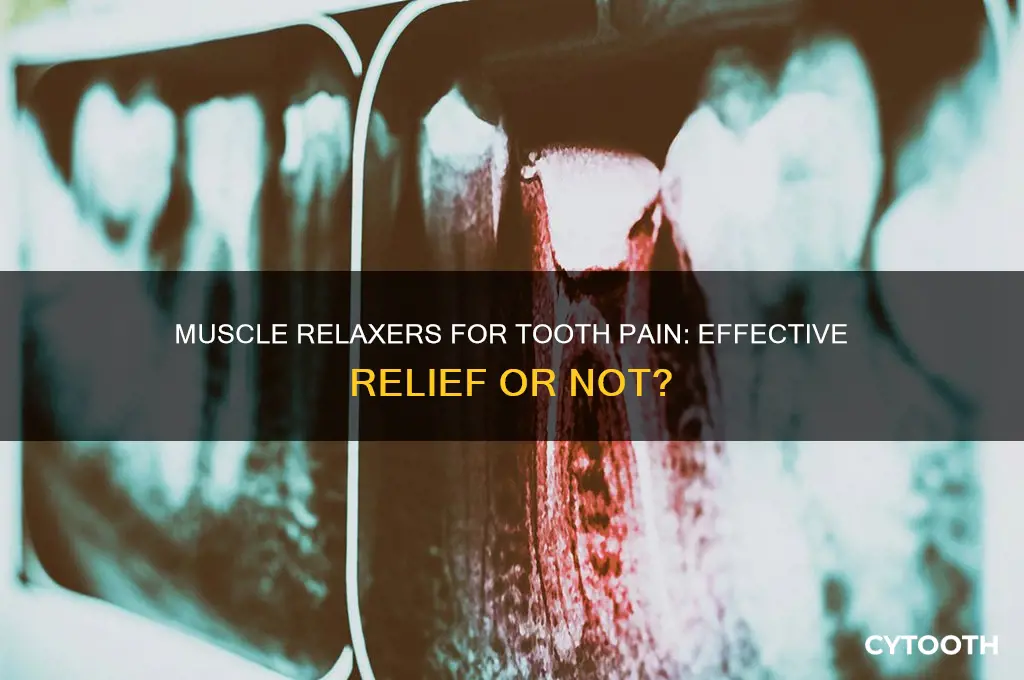
Muscle relaxers are commonly prescribed to alleviate muscle spasms and tension, but their effectiveness in managing tooth pain is a topic of interest and debate. While tooth pain typically stems from issues like cavities, infections, or gum disease, some individuals wonder if muscle relaxers could provide relief, especially if the pain is accompanied by jaw tension or muscle-related discomfort. However, it’s important to note that muscle relaxers are not specifically designed to address dental pain, and their use for this purpose should be approached with caution. Consulting a dentist or healthcare professional is essential to determine the underlying cause of the pain and receive appropriate treatment, as relying solely on muscle relaxers may not address the root issue and could delay necessary dental care.
| Characteristics | Values |
|---|---|
| Effectiveness | Limited; muscle relaxers may reduce jaw tension but do not address tooth pain directly. |
| Primary Use | Relieves muscle spasms and tension, not dental pain. |
| Mechanism of Action | Acts on the central nervous system to relax muscles. |
| Common Muscle Relaxers | Cyclobenzaprine, Methocarbamol, Tizanidine. |
| Potential Benefit for Tooth Pain | May help if pain is due to jaw clenching or TMJ disorders. |
| Side Effects | Drowsiness, dizziness, dry mouth, and impaired coordination. |
| Recommended for Tooth Pain | No; not a first-line treatment for dental pain. |
| Alternative Treatments | Over-the-counter pain relievers (e.g., ibuprofen), dental procedures, or antibiotics (if infection is present). |
| Consultation Needed | Yes; consult a dentist or doctor for proper diagnosis and treatment. |
| Duration of Use | Short-term; not intended for long-term management of tooth pain. |
What You'll Learn

Muscle relaxers for TMJ disorders
TMJ disorders, characterized by pain and dysfunction in the jaw joint and surrounding muscles, often manifest as tooth pain, headaches, and difficulty chewing. Muscle relaxers, typically prescribed for musculoskeletal conditions, have emerged as a treatment option for TMJ-related discomfort. These medications work by reducing muscle tension and spasms, which can alleviate the strain on the temporomandibular joint. For instance, cyclobenzaprine (Flexeril) is commonly prescribed at doses of 5–10 mg, taken 2–3 times daily, to manage acute TMJ symptoms. However, their effectiveness varies, and they are often used as part of a broader treatment plan that includes physical therapy and lifestyle modifications.
When considering muscle relaxers for TMJ disorders, it’s crucial to weigh the benefits against potential side effects. Common side effects include drowsiness, dizziness, and dry mouth, which can impact daily activities. For this reason, patients are often advised to take these medications at night or when they can rest. Additionally, muscle relaxers are typically recommended for short-term use (2–3 weeks) to avoid dependency or tolerance. Pregnant or breastfeeding individuals, as well as those with liver or kidney issues, should consult a healthcare provider before starting treatment, as these medications may pose risks in certain populations.
A comparative analysis of muscle relaxers versus other TMJ treatments reveals their niche role. While nonsteroidal anti-inflammatory drugs (NSAIDs) like ibuprofen are often the first-line treatment for pain relief, muscle relaxers are reserved for cases where muscle spasms are the primary issue. Physical therapy, including jaw exercises and heat therapy, remains a cornerstone of long-term management. In severe cases, Botox injections may be considered to temporarily paralyze overactive jaw muscles. Muscle relaxers, therefore, are not a standalone solution but a targeted intervention for specific symptoms.
Practical tips for using muscle relaxers in TMJ treatment include combining them with behavioral strategies. Avoiding hard or chewy foods, practicing stress-reduction techniques like meditation, and applying warm compresses to the jaw can enhance the medication’s effectiveness. Patients should also monitor their symptoms closely and report any worsening pain or new side effects to their healthcare provider. For those who find muscle relaxers ineffective, alternative treatments such as oral splints or acupuncture may be explored. Ultimately, the goal is to restore jaw function and alleviate pain through a tailored, multidisciplinary approach.
Aspirin for Tooth Pain: Effective Relief or Temporary Solution?
You may want to see also
How muscle relaxers reduce jaw tension
Muscle relaxers can alleviate jaw tension by targeting the underlying cause: overactivity or spasms in the masticatory muscles, such as the masseter and temporalis. When these muscles tighten excessively—often due to stress, teeth grinding, or misalignment—they create pressure on the temporomandibular joint (TMJ), leading to pain that mimics toothaches. Muscle relaxers like cyclobenzaprine (Flexeril) or methocarbamol (Robaxin) work by inhibiting nerve signals to these muscles, reducing their contraction and easing tension. This mechanism not only relieves jaw discomfort but also minimizes associated symptoms like headaches or ear pain.
Consider a scenario where a patient grinds their teeth at night, a condition known as bruxism. Over time, this habit causes chronic jaw tightness and radiating tooth pain. A dentist might prescribe a short-term course of 5–10 mg of cyclobenzaprine before bed. This dosage helps relax the jaw muscles during sleep, preventing involuntary clenching and reducing inflammation. However, muscle relaxers are not a standalone solution for bruxism; they are often paired with lifestyle changes, such as stress management or wearing a night guard, to address the root cause.
While muscle relaxers are effective, they come with considerations. Side effects like drowsiness, dizziness, or dry mouth are common, making it crucial to avoid driving or operating machinery after taking them. Additionally, these medications are typically prescribed for short durations—usually 2–3 weeks—to prevent dependency. Patients with liver or kidney issues, or those over 65, may require lower doses due to slower metabolism. Always follow a healthcare provider’s instructions and report any adverse reactions promptly.
Comparatively, muscle relaxers offer a distinct advantage over pain relievers like ibuprofen for jaw tension. While NSAIDs reduce inflammation and pain, they do not address the muscular spasms driving the issue. Muscle relaxers, on the other hand, directly target the source of tension, providing more comprehensive relief. For instance, a patient with TMJ disorder might find that 750 mg of methocarbamol twice daily alleviates both pain and stiffness more effectively than acetaminophen alone. This targeted approach makes muscle relaxers a valuable tool in managing jaw-related discomfort.
In practice, combining muscle relaxers with heat therapy and gentle jaw exercises can maximize their benefits. Applying a warm compress to the jaw for 15–20 minutes before taking the medication enhances muscle relaxation. Simple stretches, like slowly opening and closing the mouth or moving the jaw side to side, can also improve flexibility. For best results, take the medication at the same time daily and maintain consistent hydration to minimize side effects. With proper use, muscle relaxers can significantly reduce jaw tension, offering relief for those suffering from tooth pain linked to muscular strain.
Tooth Infection and Back Pain: Uncovering the Surprising Connection
You may want to see also
Side effects of muscle relaxers
Muscle relaxers, often prescribed for musculoskeletal conditions, are sometimes considered for tooth pain relief due to their ability to reduce muscle tension and spasms. However, their side effects can complicate their use, particularly in dental scenarios. Common muscle relaxers like cyclobenzaprine and tizanidine can cause drowsiness, dizziness, and dry mouth, which may exacerbate discomfort for someone already dealing with tooth pain. These medications primarily target muscle function, not the root cause of dental pain, such as infection or inflammation, making them a less direct solution.
Analyzing the side effects, drowsiness is a significant concern, as it can impair daily activities like driving or operating machinery. For instance, cyclobenzaprine (Flexeril) is known to cause sedation in up to 30-50% of users, especially at higher doses (10-30 mg). This risk increases when combined with other sedatives or alcohol, which patients might unknowingly use for pain relief. Additionally, muscle relaxers can lower blood pressure, leading to lightheadedness, particularly in older adults or those with cardiovascular issues. Such side effects may outweigh the minimal benefit these drugs offer for tooth pain.
From a practical standpoint, dry mouth (xerostomia) is another notable side effect, particularly problematic for dental health. Saliva helps neutralize acids and protect teeth from decay, so reduced saliva production can worsen oral conditions. For example, tizanidine (Zanaflex) frequently causes dry mouth, which could aggravate tooth sensitivity or existing dental issues. Patients using muscle relaxers should stay hydrated and consider sugar-free gum or lozenges to stimulate saliva production, though these measures may not fully counteract the medication’s effects.
Comparatively, muscle relaxers are less effective for tooth pain than targeted treatments like NSAIDs (e.g., ibuprofen) or antibiotics for infections. While they might provide mild relief by reducing jaw tension (e.g., in cases of TMJ disorders), their systemic side effects make them a suboptimal choice. For instance, a 2020 study found that muscle relaxers provided only marginal benefit for orofacial pain, with 40% of participants reporting intolerable side effects. This highlights the importance of consulting a dentist or physician before using these medications for dental pain.
In conclusion, while muscle relaxers may seem like a viable option for tooth pain, their side effects—ranging from drowsiness and dizziness to dry mouth—limit their utility. Patients should prioritize treatments directly addressing the cause of dental pain, such as anti-inflammatory medications or dental procedures. If a muscle relaxer is deemed necessary (e.g., for TMJ-related pain), starting with the lowest effective dose (e.g., 5 mg of cyclobenzaprine) and monitoring side effects is crucial. Always consult a healthcare professional to weigh the risks and benefits before use.
Smoking and Tooth Pain: Uncovering the Hidden Connection
You may want to see also
Alternatives to muscle relaxers for pain
Tooth pain often stems from inflammation or infection, not muscle tension, making muscle relaxers an ineffective solution. Instead, consider targeted alternatives that address the root cause of dental discomfort. Over-the-counter anti-inflammatory medications like ibuprofen (200–400 mg every 4–6 hours) or acetaminophen (500–1000 mg every 4–6 hours) can reduce swelling and pain. Always follow dosage guidelines and avoid exceeding daily limits to prevent liver or kidney damage. For localized relief, a warm saltwater rinse (1/2 teaspoon of salt in 8 ounces of water) can soothe inflamed gums and temporarily alleviate pain.
Topical treatments offer another non-systemic option for tooth pain. Benzocaine-based gels or creams (e.g., Orajel) can numb the affected area, providing quick but temporary relief. Apply a small amount directly to the sore spot using a clean finger or cotton swab, but avoid overuse, as excessive benzocaine can lead to allergic reactions or tissue damage. Clove oil, a natural analgesic, is another alternative. Dilute 1–2 drops in a carrier oil (like coconut oil) and apply it to the painful area using a cotton ball. Its eugenol content acts as a mild anesthetic, though it’s not suitable for prolonged use or in large quantities.
For those seeking non-pharmacological approaches, cold therapy can constrict blood vessels and reduce inflammation. Hold an ice pack wrapped in a thin cloth against the cheek near the painful tooth for 15–20 minutes at a time, with 10-minute breaks in between. Alternatively, acupressure techniques, such as applying firm pressure to the LI4 point (located between the thumb and index finger), may help alleviate dental pain by stimulating endorphin release. While not a cure, these methods can provide temporary relief while awaiting professional dental care.
Herbal remedies and dietary adjustments can also play a role in managing tooth pain. Garlic, known for its antimicrobial properties, can be crushed into a paste and applied directly to the affected area for 10–15 minutes. Consuming anti-inflammatory foods like turmeric, ginger, or leafy greens may help reduce overall inflammation. However, these methods should complement, not replace, professional treatment. Persistent or severe tooth pain warrants a dentist visit to address underlying issues like cavities, infections, or gum disease, which require targeted interventions beyond home remedies.
Gum Infections and Back Pain: Surprising Connection Explained
You may want to see also
When to consult a dentist/doctor
Tooth pain that persists beyond a day or two often signals an underlying issue requiring professional attention. While muscle relaxers might alleviate discomfort associated with jaw tension or temporomandibular joint (TMJ) disorders, they do not address dental infections, cavities, or structural damage. If pain is accompanied by swelling, fever, or a foul taste, these are red flags for abscesses or advanced decay—conditions muscle relaxers cannot treat. Ignoring such symptoms risks complications like systemic infection or tooth loss.
Consult a dentist immediately if over-the-counter pain relievers (e.g., ibuprofen 600 mg every 6 hours) fail to manage pain or if symptoms worsen despite home remedies. A dentist can diagnose the root cause through X-rays, visual exams, or sensitivity tests, prescribing antibiotics for infections or recommending procedures like root canals. Delaying care often transforms simple fixes into costly, invasive treatments.
For individuals under 18 or over 65, prompt dental evaluation is critical. Children’s developing teeth and older adults’ compromised immune systems heighten vulnerability to complications. Pregnant individuals should also seek immediate care, as untreated dental infections can affect fetal health. In these cases, muscle relaxers are not only ineffective but may mask symptoms, delaying necessary treatment.
If tooth pain follows trauma, such as a fall or blow to the face, see a dentist or emergency doctor within 24 hours. Even if the tooth appears intact, internal damage or fractures might require intervention to prevent nerve death or infection. Muscle relaxers may ease jaw muscle spasms post-injury but do not address dental trauma, making professional assessment essential.
Finally, persistent nighttime tooth pain or pain triggered by temperature changes often indicates nerve involvement, a condition muscle relaxers cannot resolve. Such symptoms warrant urgent dental care to prevent irreversible nerve damage. While muscle relaxers might offer temporary relief for TMJ-related discomfort, they are not a substitute for addressing the dental source of pain. Always prioritize professional evaluation when symptoms persist, escalate, or involve systemic signs.
Can Tooth Extraction Relieve Nerve Pain? Exploring the Connection
You may want to see also
Frequently asked questions
Muscle relaxers are not typically recommended for tooth pain, as they target muscle spasms rather than dental issues. Tooth pain usually requires dental treatment or pain relievers like ibuprofen or acetaminophen.
While muscle relaxers may help with jaw muscle spasms (e.g., from TMJ disorders), they do not address the underlying cause of tooth pain, such as cavities or infections. Consult a dentist for proper diagnosis and treatment.
Combining medications should only be done under a doctor’s or dentist’s guidance. Muscle relaxers may not enhance tooth pain relief and could cause side effects. Focus on dental-specific treatments for effective pain management.