Olivia Bennett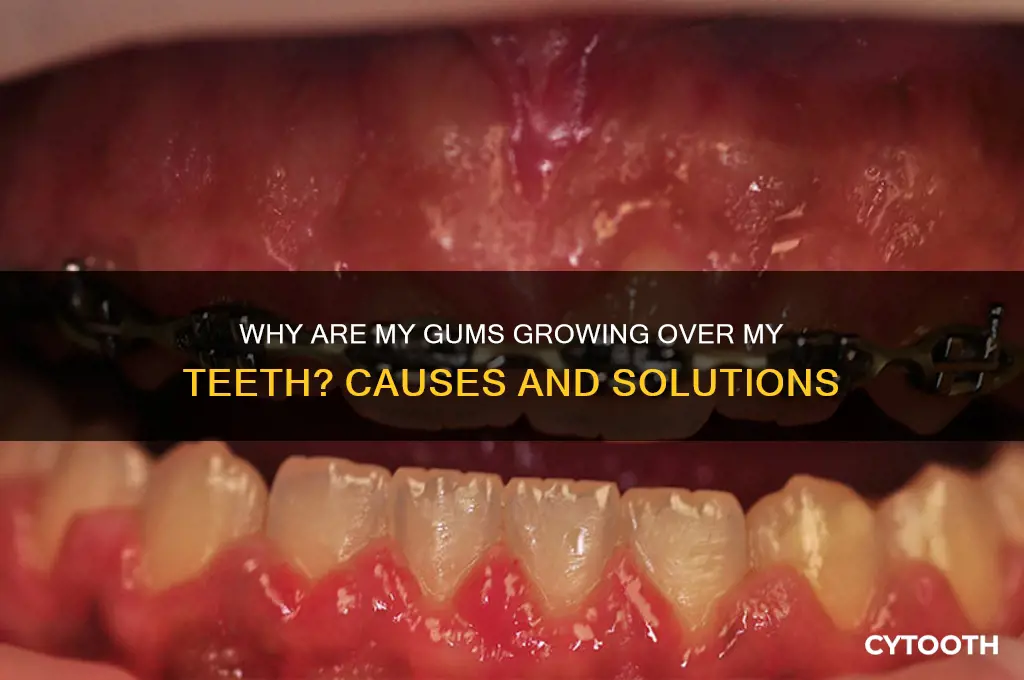
If you’ve noticed your gums growing over your teeth, it could be a sign of several underlying issues, ranging from natural anatomical variations to more serious oral health problems. One common cause is gingival overgrowth, which can result from factors like poor oral hygiene, certain medications, hormonal changes, or genetic predispositions. Another possibility is gum inflammation or periodontal disease, where plaque buildup leads to gum swelling and recession, causing them to cover more of the tooth surface. In some cases, this phenomenon may also be linked to orthodontic treatments or the eruption of wisdom teeth. Consulting a dentist is essential to determine the exact cause and receive appropriate treatment, as untreated gum overgrowth can lead to tooth decay, gum disease, or even tooth loss.
| Characteristics | Values |
|---|---|
| Condition Name | Gingival Overgrowth (GO) or Gingival Hyperplasia |
| Common Causes | Poor oral hygiene, certain medications (e.g., phenytoin, cyclosporine, nifedipine), hormonal changes (pregnancy, puberty), genetic factors, inflammation, or underlying health conditions (e.g., leukemia, HIV) |
| Symptoms | Gums appear swollen, cover part of the teeth, bleeding gums, bad breath, difficulty chewing or speaking, gum tenderness or pain |
| Risk Factors | Poor dental hygiene, medication use, hormonal fluctuations, genetic predisposition, systemic diseases |
| Diagnosis | Dental examination, medical history review, X-rays, or biopsy in some cases |
| Treatment Options | Improved oral hygiene, deep dental cleaning (scaling and root planing), medication adjustments, surgical gum reduction (gingivectomy), or treatment of underlying conditions |
| Prevention | Regular brushing and flossing, routine dental check-ups, avoiding tobacco, and managing systemic health issues |
| Complications | Tooth decay, gum disease, tooth loss, infection, or aesthetic concerns |
| Prevalence | More common in individuals taking specific medications or with certain systemic conditions; exact prevalence varies by population |
| Prognosis | Generally good with proper treatment and management, but recurrence is possible without addressing underlying causes |
What You'll Learn
- Hormonal Changes Impact: Hormonal fluctuations can cause gum tissue to grow, covering teeth partially or fully
- Poor Oral Hygiene Effects: Inadequate brushing and flossing lead to plaque buildup, triggering gum overgrowth
- Medications Side Effects: Certain drugs like anticonvulsants or calcium channel blockers may cause gum enlargement
- Genetic Predisposition: Some individuals inherit a tendency for gums to naturally grow over teeth
- Gum Disease Symptoms: Gingivitis or periodontitis can inflame gums, making them swell and cover teeth

Hormonal Changes Impact: Hormonal fluctuations can cause gum tissue to grow, covering teeth partially or fully
Hormonal fluctuations, particularly those involving estrogen and progesterone, can trigger gum tissue to expand and encroach on teeth. This phenomenon, often referred to as "pregnancy gingivitis" or "puberty gingivitis," highlights how sensitive gum tissue is to hormonal shifts. During pregnancy, for instance, elevated hormone levels increase blood flow to the gums, making them more susceptible to inflammation and growth. Similarly, adolescents experiencing puberty may notice their gums becoming swollen or overgrown as their bodies adapt to new hormone levels. Understanding this connection is crucial for identifying the root cause of gum overgrowth and seeking appropriate care.
To manage gum overgrowth caused by hormonal changes, proactive oral hygiene is essential. Pregnant women and teenagers should prioritize gentle brushing twice daily with a soft-bristled toothbrush and fluoride toothpaste. Flossing daily helps remove plaque buildup that can exacerbate gum inflammation. Additionally, using an antimicrobial mouthwash can reduce bacterial growth and soothe irritated gums. For severe cases, consulting a dentist is vital; they may recommend professional cleanings or, in rare instances, a minor surgical procedure to remove excess tissue. Avoiding sugary foods and maintaining a balanced diet can also support gum health during these hormonal shifts.
While hormonal gum overgrowth is often temporary, ignoring it can lead to complications like gum disease or tooth misalignment. For example, untreated gingivitis during pregnancy can progress to periodontitis, potentially affecting both maternal and fetal health. Similarly, adolescents with persistent gum issues may experience discomfort or aesthetic concerns. Monitoring changes in gum appearance and seeking timely dental advice can prevent long-term damage. Dentists may also suggest hormonal management strategies, such as adjusting birth control methods, in consultation with a healthcare provider.
Comparing hormonal gum overgrowth to other causes, such as medication side effects or poor oral hygiene, reveals the importance of a tailored approach. Unlike overgrowth caused by medications like phenytoin or cyclosporine, hormonal cases often resolve once hormone levels stabilize. However, this natural resolution doesn’t diminish the need for immediate care. Patients should avoid self-diagnosis and instead work with dental professionals to differentiate between causes. For instance, a dentist might examine the texture and color of the gums—hormonal overgrowth typically appears red and shiny, whereas medication-induced growth may be firmer and more fibrous.
Finally, practical tips can make managing hormonal gum overgrowth more manageable. Pregnant women can use saltwater rinses (1/2 teaspoon of salt in a cup of warm water) to reduce inflammation. Adolescents might benefit from orthodontic evaluations to ensure gum overgrowth isn’t complicating tooth alignment. Keeping a dental journal to track gum changes can help identify patterns related to menstrual cycles or pregnancy trimesters. By combining these strategies with professional guidance, individuals can navigate hormonal impacts on gum health effectively, ensuring both comfort and long-term oral wellness.
Bleeding Gums While Brushing? Causes, Prevention, and Oral Health Tips
You may want to see also
Poor Oral Hygiene Effects: Inadequate brushing and flossing lead to plaque buildup, triggering gum overgrowth
Gum overgrowth, medically termed gingival hyperplasia, often signals an underlying issue rooted in oral care neglect. When brushing and flossing fall short, plaque—a sticky film of bacteria—accumulates along the gum line. Over time, this plaque hardens into tartar, which irritates gum tissue and triggers inflammation. The body’s response to this chronic irritation is excessive gum growth, as it attempts to shield teeth from bacterial invasion. This process is not only unsightly but also a precursor to more severe conditions like periodontitis, where gum recession and tooth loss become imminent risks.
Consider the mechanics of proper brushing and flossing as a preventive measure. Dentists recommend brushing twice daily for at least two minutes, using a soft-bristled toothbrush at a 45-degree angle to the gums. Flossing, equally critical, should be performed daily to remove debris from interdental spaces where brushes cannot reach. For those struggling with traditional floss, water flossers or interdental brushes offer viable alternatives. Ignoring these practices allows plaque to thrive, setting the stage for gum overgrowth and its associated complications.
The consequences of inadequate oral hygiene extend beyond aesthetics. Gum overgrowth can lead to difficulty chewing, heightened sensitivity, and persistent bad breath. In advanced cases, it may require surgical intervention to restore gum health. For instance, a study published in the *Journal of Periodontology* found that individuals who flossed irregularly were 30% more likely to develop gingival hyperplasia compared to consistent flossers. This underscores the direct correlation between oral care habits and gum tissue behavior.
To mitigate risks, adopt a proactive approach. Incorporate antimicrobial mouthwash into your routine to reduce bacterial load, and schedule biannual dental check-ups for professional cleanings and early detection of issues. For those already experiencing gum overgrowth, scaling and root planing—a deep-cleaning procedure—can remove tartar and smooth tooth roots, discouraging further bacterial accumulation. Remember, gum health is not merely about preserving your smile; it’s a critical component of overall well-being, influencing systemic conditions like heart disease and diabetes.
In essence, gum overgrowth is a preventable condition rooted in the neglect of basic oral hygiene practices. By prioritizing consistent brushing, flossing, and professional care, you can halt plaque buildup in its tracks and safeguard your gums from unnecessary enlargement. The choice is clear: invest a few minutes daily in oral care or face the consequences of a condition that could have been avoided. Your gums—and your future self—will thank you.
Chewing Gum: A Sweet Habit for Dental Health or Harm?
You may want to see also
Medications Side Effects: Certain drugs like anticonvulsants or calcium channel blockers may cause gum enlargement
Gum enlargement, or gingival overgrowth, can be an unexpected and concerning side effect of certain medications. Among the culprits are anticonvulsants, commonly prescribed for epilepsy and bipolar disorder, and calcium channel blockers, used to manage high blood pressure and heart conditions. These drugs, while essential for treating serious health issues, can disrupt the delicate balance of gum tissue growth and turnover. For instance, phenytoin, an anticonvulsant, and nifedipine, a calcium channel blocker, are frequently associated with this condition. The risk increases with long-term use and higher dosages, making it crucial for patients to monitor their oral health closely.
The mechanism behind this side effect involves the drugs interfering with the normal function of gum tissue cells. Anticonvulsants like phenytoin affect fibroblast activity, leading to excessive collagen production and reduced breakdown, resulting in gum tissue swelling. Calcium channel blockers, on the other hand, alter the balance of cytokines and growth factors, promoting abnormal gum growth. This process is often gradual, with patients noticing their gums slowly creeping over their teeth, sometimes affecting speech, eating, and oral hygiene. Early detection is key, as untreated gum overgrowth can lead to more severe dental issues, including tooth decay and periodontal disease.
If you suspect your medication is causing gum enlargement, consult your healthcare provider immediately. Do not discontinue or alter your dosage without professional advice, as these medications are often critical for managing underlying conditions. Your dentist and doctor may collaborate to adjust your treatment plan, which could involve switching to an alternative medication with a lower risk of gum-related side effects. For example, substituting phenytoin with lamotrigine or nifedipine with amlodipine might be considered, depending on your medical history and condition severity.
Practical steps to manage gum overgrowth include maintaining impeccable oral hygiene. Brush twice daily with a soft-bristled toothbrush and fluoride toothpaste, and floss gently to remove plaque without irritating the gums. Regular dental check-ups every six months, or more frequently if advised, are essential for monitoring and managing this condition. In some cases, a dentist may recommend deep cleaning procedures like scaling and root planing to remove plaque and tartar buildup. For severe cases, surgical intervention might be necessary to reduce gum tissue and restore oral health.
While medication-induced gum enlargement can be distressing, understanding its causes and taking proactive measures can mitigate its impact. Patients should remain vigilant about oral health and maintain open communication with their healthcare providers. By balancing the benefits of necessary medications with the management of their side effects, individuals can preserve both their systemic and oral well-being. Remember, early intervention is often the most effective way to address this issue, ensuring that your gums don’t overshadow your overall health.
Teeth Grinding and Gum Recession: Uncovering the Surprising Connection
You may want to see also
Genetic Predisposition: Some individuals inherit a tendency for gums to naturally grow over teeth
Ever noticed how some families seem to share not just eye color or height, but also dental quirks? Genetic predisposition plays a significant role in why some individuals experience gum tissue naturally growing over their teeth. This condition, often referred to as gingival overgrowth or hyperplasia, can be traced back to inherited traits that influence gum tissue behavior. If a close relative has struggled with this issue, there’s a higher likelihood you might too, as certain genes regulate how gum tissue responds to stimuli like plaque or inflammation. Understanding this genetic link is the first step in addressing the problem effectively.
Analyzing the mechanism, genetic factors can affect the way gum tissue interacts with teeth and the underlying bone. For instance, mutations in genes like *FGF1* or *SOD2* have been linked to excessive gum growth. These genes typically regulate cell growth and inflammation, but when altered, they can cause gums to expand beyond their normal boundaries. This isn’t just a cosmetic concern—it can lead to difficulty cleaning teeth, increased risk of gum disease, and even tooth mobility. Recognizing the genetic component helps differentiate between preventable causes (like poor oral hygiene) and inherent tendencies that require targeted management.
If you suspect genetics are to blame, start by consulting a periodontist for a comprehensive evaluation. They may recommend genetic testing to identify specific markers associated with gingival overgrowth. While you can’t change your genes, you *can* adopt proactive measures to minimize their impact. For example, maintaining impeccable oral hygiene—brushing twice daily with a soft-bristled toothbrush, flossing daily, and using an antimicrobial mouthwash—can reduce plaque buildup, a common trigger for gum overgrowth. Regular dental check-ups every six months are also crucial for early detection and intervention.
Comparatively, individuals with a genetic predisposition may require more aggressive or frequent treatments than those without. Options include deep cleaning procedures like scaling and root planing to remove plaque and tartar below the gumline, or surgical interventions such as gingivectomy to reshape overgrown gum tissue. In some cases, medications like chlorhexidine rinses or systemic drugs may be prescribed to manage inflammation. While these treatments don’t alter your genetic makeup, they can effectively control symptoms and prevent complications.
The takeaway? Genetic predisposition isn’t a life sentence to gum overgrowth, but it does demand vigilance and tailored care. By understanding your genetic risks and working closely with dental professionals, you can stay ahead of the issue. Remember, early intervention is key—don’t wait for symptoms to worsen. With the right approach, you can maintain healthy gums and preserve your smile, regardless of the genes you’ve inherited.
Effective Ways to Reduce Gum Swelling from Wisdom Teeth
You may want to see also
Gum Disease Symptoms: Gingivitis or periodontitis can inflame gums, making them swell and cover teeth
If you notice your gums encroaching on your teeth, it’s likely more than a cosmetic concern. Gum disease, specifically gingivitis or periodontitis, often triggers inflammation that causes gums to swell and extend over tooth surfaces. This isn’t just unsightly—it’s a red flag for deeper oral health issues. Gingivitis, the milder form, results from plaque buildup irritating the gum line, while periodontitis involves infection spreading to the tissues and bones supporting teeth. Both conditions, if left untreated, can lead to tooth loss and systemic health problems like heart disease or diabetes complications.
Analyzing the Mechanism: When bacteria in plaque accumulate along the gum line, they trigger an immune response, causing gums to become red, tender, and swollen. This inflammation, known as gingivitis, is your body’s attempt to fight infection. Over time, persistent inflammation weakens the gum tissue, allowing it to detach from the tooth and form pockets where more bacteria can thrive. In periodontitis, these pockets deepen, and the body’s response begins to break down the bone and connective tissue holding teeth in place. As gums recede or swell, they may appear to “grow” over the teeth, though this is actually a retraction or overgrowth due to disease progression.
Practical Steps to Address the Issue: Start by improving your oral hygiene routine. Brush twice daily with a soft-bristled toothbrush and fluoride toothpaste, and floss daily to remove plaque from between teeth and under the gum line. Incorporate an antimicrobial mouthwash to reduce bacterial levels. If symptoms persist, visit a dentist promptly. They may recommend a deep cleaning (scaling and root planing) to remove plaque and tartar below the gum line. For advanced cases, surgical interventions like gum grafting or flap surgery might be necessary to restore gum health and prevent further tooth coverage.
Comparative Perspective: Unlike natural gum contours, which vary slightly among individuals, disease-related gum overgrowth is abnormal and progressive. For instance, hormonal changes during pregnancy can cause temporary gum swelling, but this resolves postpartum. In contrast, gum disease-induced swelling worsens without intervention. Additionally, certain medications (e.g., antihypertensives, immunosuppressants) can cause gum tissue to enlarge, but this appears as uniform growth rather than localized swelling over teeth. Distinguishing between these conditions is crucial for targeted treatment.
Takeaway and Prevention: Gum disease is preventable with consistent oral care and regular dental check-ups. Limit risk factors like smoking, poor diet, and stress, which exacerbate inflammation. If you notice gums covering your teeth, early action can halt progression and preserve your smile. Remember, healthy gums should fit snugly around teeth, not overshadow them. Addressing the root cause—whether gingivitis or periodontitis—is key to reclaiming your oral health.
Why Are My Gums Detaching? Causes and Solutions Explained
You may want to see also
Frequently asked questions
Gums growing over teeth, a condition known as gingival overgrowth or hypertrophy, can result from factors like poor oral hygiene, certain medications (e.g., antihypertensives or antiseizure drugs), genetic predisposition, or gum disease.
Yes, gum overgrowth can be serious if left untreated. It may lead to gum disease, tooth decay, or even tooth loss, as it can trap bacteria and plaque. It’s important to consult a dentist for proper diagnosis and treatment.
Prevention includes maintaining good oral hygiene (brushing, flossing, and regular dental checkups). Treatment may involve deep cleaning (scaling and root planing), medication adjustments, or surgical intervention, depending on the underlying cause.