Olivia Bennett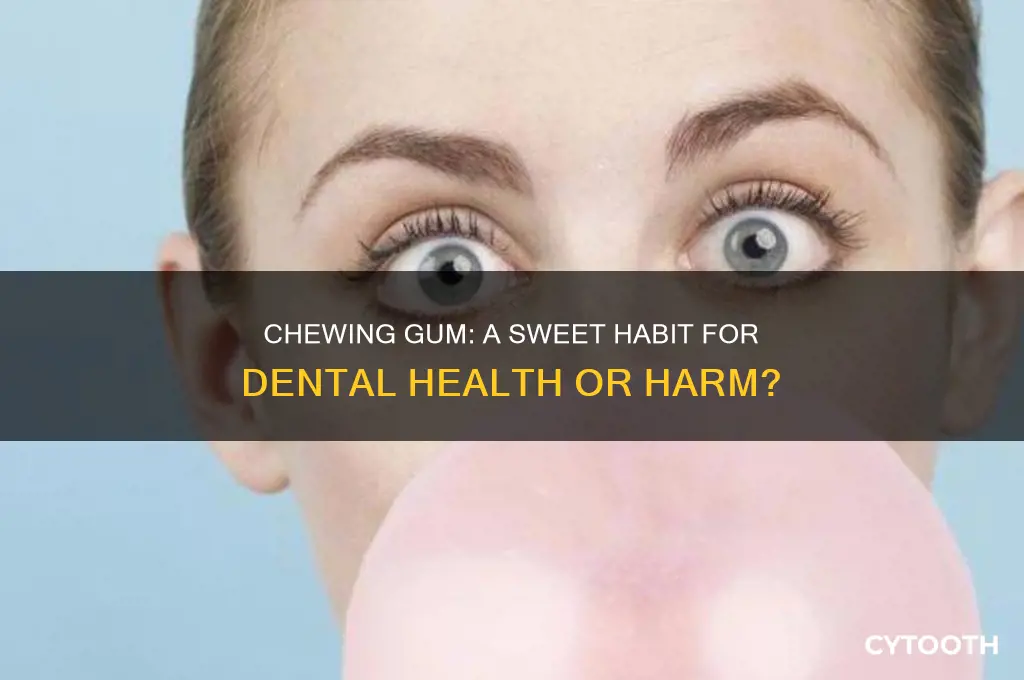
Chewing gum has long been a subject of debate when it comes to oral health, with many wondering whether it is beneficial or detrimental to teeth. While some argue that gum can help stimulate saliva production, which in turn neutralizes acids and strengthens enamel, others caution that sugary or poorly formulated gums can contribute to cavities and erosion. The key lies in choosing sugar-free gum, preferably with ingredients like xylitol, which has been shown to inhibit bacterial growth and reduce the risk of tooth decay. When used as a complement to regular brushing and flossing, gum can be a helpful tool in maintaining oral hygiene, but it should not replace established dental care practices.
| Characteristics | Values |
|---|---|
| Plaque Reduction | Chewing sugar-free gum can stimulate saliva production, which helps neutralize acids and reduce plaque buildup. |
| Tooth Decay Prevention | Sugar-free gum with xylitol or other sugar substitutes can inhibit the growth of harmful bacteria, reducing the risk of cavities. |
| Saliva Production | Increases saliva flow, which aids in washing away food particles and buffering acids in the mouth. |
| Enamel Strengthening | Saliva contains minerals like calcium and phosphate, which can help remineralize and strengthen tooth enamel. |
| Fresh Breath | Chewing gum can temporarily mask bad breath and stimulate saliva, which naturally freshens the mouth. |
| Jaw Exercise | Chewing gum provides mild exercise for jaw muscles, though excessive use can lead to TMJ issues. |
| Sugar Content | Only sugar-free gum is beneficial; gum with sugar can contribute to tooth decay. |
| Fluoride Content | Some gums contain fluoride, which can further protect teeth from decay. |
| pH Balance | Helps maintain a neutral pH in the mouth, reducing the risk of acid erosion. |
| Dental Association Approval | Many dental associations, including the ADA, endorse sugar-free gum as a supplementary oral hygiene practice. |
What You'll Learn

Sugar-Free Gum Benefits
Chewing sugar-free gum can be a surprisingly effective tool for maintaining oral health, particularly when it comes to neutralizing acids and stimulating saliva production. Unlike sugary gums that contribute to tooth decay, sugar-free varieties often contain xylitol, a natural sweetener that inhibits the growth of harmful bacteria in the mouth. Studies show that chewing sugar-free gum for 20 minutes after meals can increase saliva flow, which helps wash away food particles and buffer acids produced by bacteria. This simple habit can reduce the risk of cavities by up to 28%, according to research from the American Dental Association.
To maximize the benefits, choose gums with the ADA Seal of Acceptance, ensuring they meet specific criteria for safety and efficacy. Chew one piece for 10–20 minutes after meals, particularly when brushing isn’t immediately possible. For adults and children over six, this practice can complement regular oral hygiene routines. However, it’s not a substitute for brushing or flossing—think of it as a supplementary measure. Avoid overdoing it; excessive chewing can lead to jaw discomfort or temporomandibular joint (TMJ) issues.
From a comparative standpoint, sugar-free gum offers a practical alternative to other post-meal remedies. While mouthwash can freshen breath, it doesn’t physically remove debris like chewing gum does. Mints, even sugar-free ones, dissolve quickly and provide minimal mechanical cleaning. Sugar-free gum, on the other hand, combines physical action with saliva stimulation, making it a dual-action solution. It’s also portable, affordable, and doesn’t require water, making it ideal for on-the-go oral care.
For those with specific dental concerns, sugar-free gum can be particularly beneficial. Dry mouth sufferers, for instance, can use it to alleviate discomfort and protect teeth from the effects of reduced saliva. Pregnant women, who are at higher risk for gum disease due to hormonal changes, may find it a safe way to support oral health. However, individuals with braces or dental work should consult their dentist, as chewing gum could potentially damage appliances. Always opt for xylitol-sweetened gums over those with artificial sweeteners like aspartame, as xylitol has additional antibacterial properties.
Incorporating sugar-free gum into your routine is straightforward but requires mindfulness. Pair it with consistent brushing, flossing, and regular dental check-ups for optimal results. Keep a pack in your bag or desk for convenience, and remember: it’s a tool, not a cure-all. By understanding its role and limitations, you can harness its benefits effectively, contributing to a healthier smile without adding complexity to your daily routine.
Prevent Gum Overgrowth: Effective Tips to Save Your Teeth
You may want to see also
Gum and Plaque Reduction
Chewing sugar-free gum can significantly reduce plaque buildup, a primary culprit in tooth decay and gum disease. Plaque, a sticky film of bacteria and food debris, constantly forms on teeth and thrives in the absence of saliva. Sugar-free gum stimulates saliva production, which acts as a natural cleanser, washing away food particles and neutralizing acids produced by bacteria. Studies show that chewing sugar-free gum for 20 minutes after meals can increase saliva flow by up to 10 times, effectively reducing plaque accumulation by as much as 50% in some cases.
To maximize plaque reduction, choose gum containing xylitol, a sugar substitute with proven antibacterial properties. Xylitol inhibits the growth of *Streptococcus mutans*, the bacteria primarily responsible for tooth decay. Clinical trials indicate that chewing xylitol gum twice daily for 5–10 minutes can reduce *S. mutans* levels in the mouth by up to 70% over 6 months. However, not all sugar-free gums contain xylitol, so check the ingredient list before purchasing. Avoid gums with added sugars or artificial sweeteners like aspartame, which lack the same protective benefits.
While gum chewing is beneficial, it’s not a substitute for proper oral hygiene. Brushing twice daily with fluoride toothpaste and flossing remain essential for removing plaque and preventing gum disease. Chewing gum should complement, not replace, these practices. Additionally, individuals with temporomandibular joint (TMJ) disorders or jaw pain should limit gum chewing to avoid exacerbating symptoms. For children under 6, avoid xylitol gum due to choking risks, and always supervise gum consumption in young children.
Incorporating sugar-free gum into your routine is simple: chew a piece for 10–20 minutes after meals or snacks, particularly when brushing isn’t feasible. This habit is especially useful in situations where oral hygiene tools are unavailable, such as after eating at a restaurant or during travel. Remember, the key is consistency—regular use yields the best results. By combining gum chewing with a robust oral care routine, you can effectively reduce plaque buildup and maintain healthier teeth and gums.
Effective Ways to Reduce Gum Swelling from Wisdom Teeth
You may want to see also
Impact on Tooth Enamel
Chewing gum can either protect or harm tooth enamel, depending on its composition and how it’s used. Sugarless gum, particularly those containing xylitol, stimulates saliva production, which helps neutralize acids and remineralize enamel. Conversely, gum with added sugars feeds oral bacteria, producing acids that erode enamel over time. The key lies in the ingredients—xylitol acts as a shield, while sugar becomes a weapon against this protective layer.
To minimize enamel damage, follow these steps: choose sugarless gum with xylitol, chew for 10–15 minutes after meals to maximize saliva flow, and limit frequency to 2–3 times daily. Avoid chewing gum for extended periods, as excessive jaw movement can lead to tooth stress. For children under 6, skip gum altogether due to choking risks and opt for sugar-free lollipops with xylitol instead. Always pair gum-chewing with proper brushing and flossing for comprehensive care.
A comparative analysis reveals that xylitol-sweetened gum outperforms sugar-based alternatives in enamel preservation. Studies show xylitol reduces cavity risk by up to 50% by inhibiting bacterial growth, while sugar-laden gum increases acidity levels in the mouth, accelerating enamel demineralization. For instance, chewing one piece of xylitol gum post-meal can raise saliva pH, creating a protective environment for enamel. This makes ingredient selection a critical factor in oral health.
Finally, consider the descriptive impact of gum on enamel: imagine a shield of saliva, fortified by xylitol, guarding teeth against acid attacks. Without this defense, enamel weakens, becoming susceptible to cracks and decay. Practical tip: if you crave flavored gum, opt for brands with the ADA Seal of Acceptance, ensuring they meet safety and efficacy standards. By making informed choices, you can turn a simple habit into a tool for enamel preservation.
Teeth Clenching and Gum Recession: Uncovering the Hidden Connection
You may want to see also
Gum Chewing and Saliva Production
Chewing gum stimulates saliva production, a natural process that plays a pivotal role in oral health. Saliva acts as the mouth's first line of defense, neutralizing acids produced by bacteria and washing away food particles that can lead to plaque buildup. When you chew gum, particularly sugar-free varieties, you encourage this protective mechanism, potentially reducing the risk of cavities and tooth decay.
The Science Behind Saliva and Gum Chewing
Saliva contains enzymes like amylase and proteins that aid in breaking down food and remineralizing tooth enamel. Chewing gum increases salivary flow rate, which can rise from a resting 0.3–0.4 ml/minute to 2.0–10.0 ml/minute during active chewing. This heightened production dilutes harmful acids and buffers the mouth’s pH, creating an environment less conducive to bacterial growth. Studies suggest that 20 minutes of gum chewing post-meals can significantly enhance saliva’s protective effects, making it a simple yet effective oral hygiene practice.
Practical Tips for Maximizing Benefits
To leverage gum chewing for saliva production, opt for sugar-free gum containing xylitol, a sweetener that inhibits bacterial adhesion to teeth. Chew for 10–20 minutes after meals, especially when brushing isn’t feasible. Avoid excessive chewing, as it can lead to jaw discomfort or temporomandibular joint (TMJ) issues. For children over six years old, supervise gum chewing to prevent choking hazards, and limit intake to 1–2 pieces daily to avoid overstimulation.
Comparing Gum Chewing to Other Saliva-Boosting Methods
While gum chewing is convenient, it’s not the only way to increase saliva production. Alternatives include staying hydrated, sucking on sugar-free lozenges, or using prescription salivary stimulants for severe dry mouth. However, gum stands out for its accessibility and dual benefit of mechanical cleaning. Unlike sipping water, which provides temporary relief, gum chewing sustains saliva flow over a longer period, making it a practical choice for on-the-go oral care.
Cautions and Considerations
Not all gums are created equal. Avoid gums with added sugars, as they negate the protective effects of saliva by feeding acid-producing bacteria. Individuals with braces or dental restorations should consult a dentist before chewing gum, as it may pose a risk of damage. Additionally, while gum chewing aids saliva production, it doesn’t replace brushing and flossing. Think of it as a supplementary tool, not a substitute, in your oral hygiene routine.
Can Extracting Teeth Cure Gum Disease? Understanding the Connection
You may want to see also
Fluoride in Chewing Gum
Chewing gum with added fluoride has emerged as a convenient tool in the fight against tooth decay. Fluoride, a mineral proven to strengthen enamel and prevent cavities, is typically delivered through toothpaste, mouthwash, or professional treatments. Incorporating it into gum offers a portable, sugar-free way to provide a sustained release of fluoride throughout the day, particularly after meals when teeth are most vulnerable to acid attacks.
Fluoride gum isn't a replacement for brushing and flossing, but rather a complementary strategy. Studies suggest chewing fluoride gum for 10-15 minutes after meals can significantly increase fluoride concentration in saliva, aiding in remineralization and protecting teeth from decay.
Choosing the right fluoride gum is crucial. Look for products containing at least 0.5 mg of sodium fluoride per piece. This dosage is generally considered safe and effective for adults and children over six years old. Avoid giving fluoride gum to younger children who might swallow it, as excessive fluoride intake during tooth development can lead to fluorosis, a cosmetic condition causing white streaks or spots on teeth.
While fluoride gum offers benefits, it's not a magic bullet. Excessive chewing can lead to jaw pain or TMJ issues. Additionally, some people may experience temporary gastrointestinal discomfort due to sugar substitutes commonly used in sugar-free gum. Moderation is key – aim for 2-3 pieces per day, focusing on chewing after meals for maximum benefit.
Coronavirus and Oral Health: Exploring Its Impact on Teeth and Gums
You may want to see also
Frequently asked questions
Chewing sugar-free gum can be beneficial for teeth as it stimulates saliva production, which helps neutralize acids and wash away food particles, reducing the risk of cavities.
No, gum cannot replace brushing and flossing. It can complement oral hygiene but is not a substitute for regular brushing, flossing, and professional dental care.
Yes, gum with sugar can harm teeth as it feeds harmful bacteria in the mouth, leading to acid production and increasing the risk of tooth decay.
Chewing sugar-free gum for 10–20 minutes after meals is sufficient to stimulate saliva flow and help protect teeth. Prolonged chewing is unnecessary and may lead to jaw discomfort.