Logan Hayes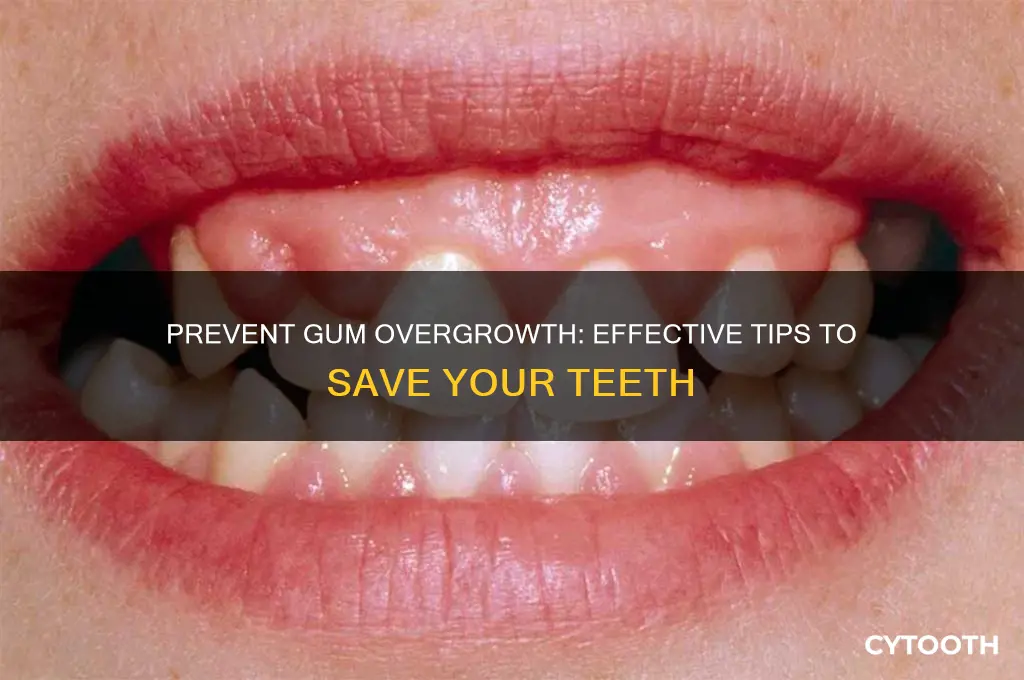
Gum overgrowth, or gingival hyperplasia, can be a concerning issue where the gums grow excessively over the teeth, potentially leading to discomfort, aesthetic concerns, and oral health problems. This condition may arise due to various factors, including poor oral hygiene, certain medications, hormonal changes, or genetic predisposition. To address this, it is crucial to maintain excellent oral care practices, such as regular brushing, flossing, and professional dental cleanings. Additionally, identifying and managing underlying causes, like adjusting medications or treating hormonal imbalances, can help prevent further gum growth. Consulting a dentist or periodontist is essential for a proper diagnosis and tailored treatment plan, which may include deep cleaning, medication, or surgical intervention to restore a healthy gum line and prevent complications.
| Characteristics | Values |
|---|---|
| Maintain Oral Hygiene | Brush twice daily with a soft-bristled toothbrush and fluoride toothpaste. Floss daily to remove plaque and food particles between teeth and gums. |
| Use Antiseptic Mouthwash | Rinse with an antibacterial or antiseptic mouthwash to reduce plaque and gingivitis, which can contribute to gum overgrowth. |
| Regular Dental Check-ups | Visit a dentist every six months for professional cleanings and early detection of gum issues. |
| Address Underlying Conditions | Treat conditions like gingivitis, periodontitis, or hormonal changes (e.g., pregnancy, puberty) that may cause gum overgrowth. |
| Medications Review | Consult a doctor to review medications (e.g., antihypertensives, immunosuppressants, anticonvulsants) that may cause gum overgrowth as a side effect. |
| Gum Surgery | In severe cases, procedures like gingivectomy or crown lengthening may be necessary to remove excess gum tissue. |
| Orthodontic Treatment | Correct misaligned teeth or bite issues that may contribute to gum overgrowth. |
| Avoid Irritants | Stop tobacco use and limit alcohol consumption, as they can irritate gums and worsen overgrowth. |
| Healthy Diet | Consume a balanced diet rich in vitamins (especially Vitamin C) and minerals to support gum health. |
| Hydration | Drink plenty of water to maintain saliva production, which helps protect gums and teeth. |
| Stress Management | Practice stress-reducing techniques, as stress can negatively impact oral health. |
| Avoid Teeth Grinding | Use a night guard if you grind your teeth (bruxism), as it can irritate gums and contribute to overgrowth. |
| Hormonal Therapy Adjustment | For hormone-related gum overgrowth, consult a healthcare provider to adjust hormonal therapy if possible. |
| Laser Therapy | Some dentists use laser treatments to reshape gums and reduce overgrowth with minimal discomfort. |
| Proper Brushing Technique | Use gentle, circular motions while brushing to avoid damaging gums and causing recession or overgrowth. |
What You'll Learn
- Maintain Oral Hygiene: Brush twice daily, floss regularly, and use antiseptic mouthwash to prevent gum overgrowth
- Avoid Irritants: Stop tobacco use and limit sugary foods to reduce gum inflammation and growth
- Professional Cleanings: Schedule dental check-ups every six months for plaque and tartar removal
- Orthodontic Solutions: Use braces or aligners to correct misalignment causing gum overgrowth
- Surgical Options: Consider gingivectomy or gum contouring for severe cases of gum overgrowth

Maintain Oral Hygiene: Brush twice daily, floss regularly, and use antiseptic mouthwash to prevent gum overgrowth
Gum overgrowth, or gingival hyperplasia, often stems from poor oral hygiene, which allows plaque and bacteria to accumulate along the gumline. This buildup triggers inflammation, causing gums to swell and encroach on tooth surfaces. The simplest yet most effective defense against this issue is a rigorous oral care routine. Brushing twice daily with a soft-bristled toothbrush and fluoride toothpaste removes surface debris and disrupts plaque formation. Focus on the gumline, using gentle, circular motions to avoid irritation. Electric toothbrushes with pressure sensors can be particularly helpful, as they ensure thorough cleaning without damaging sensitive tissues.
Flossing is equally critical, as it targets areas brushes cannot reach. Plaque between teeth and along the gumline is a primary driver of gum disease, which can lead to overgrowth. Aim to floss at least once daily, preferably before bedtime, to remove trapped food particles and bacteria. For those with tight spaces or difficulty handling traditional floss, water flossers or interdental brushes offer viable alternatives. Consistency is key—irregular flossing leaves gums vulnerable to inflammation and recession, exacerbating overgrowth risks.
Antiseptic mouthwash serves as the final line of defense, reducing bacterial load and soothing inflamed gums. Look for products containing chlorhexidine or essential oils, which have proven antimicrobial properties. Rinse with 20 ml of mouthwash for 30 seconds daily, but avoid overuse, as prolonged chlorhexidine use can stain teeth. For those with sensitive gums, dilute the mouthwash with an equal amount of water or opt for alcohol-free formulas to minimize irritation. While mouthwash complements brushing and flossing, it should not replace them—its role is to enhance, not substitute, mechanical cleaning.
Children and older adults require tailored approaches to this routine. Kids under 6 should use a pea-sized amount of fluoride toothpaste and be supervised to prevent swallowing. Adults over 50, who may experience gum recession or sensitivity, benefit from desensitizing toothpastes and softer flossing tools. Regardless of age, regular dental check-ups are essential, as professionals can detect early signs of gum overgrowth and recommend adjustments to your hygiene regimen. By integrating these practices into daily life, you not only prevent gum overgrowth but also foster overall oral health, ensuring teeth remain functional and gums stay resilient.
Teeth Clenching and Gum Recession: Uncovering the Hidden Connection
You may want to see also
Avoid Irritants: Stop tobacco use and limit sugary foods to reduce gum inflammation and growth
Tobacco use and sugary foods are two major culprits behind gum inflammation and overgrowth, a condition often referred to as gingival hyperplasia. The harmful chemicals in tobacco products, such as cigarettes and chewing tobacco, irritate the gums and disrupt the natural balance of oral bacteria, leading to swelling and excessive growth. Similarly, a diet high in sugar feeds harmful bacteria in the mouth, producing acids that inflame the gums and contribute to tissue enlargement. Addressing these irritants is a critical step in managing and preventing gums from growing over teeth.
From a practical standpoint, quitting tobacco is one of the most effective ways to reduce gum inflammation. Nicotine and other toxins in tobacco constrict blood vessels, impairing the flow of nutrients and oxygen to gum tissues, which exacerbates inflammation and slows healing. For those struggling to quit, gradual reduction methods or nicotine replacement therapies, such as patches or gum, can be helpful. It’s essential to seek support from healthcare professionals or support groups to increase the chances of success. Even cutting back on tobacco use can provide immediate benefits to oral health, though complete cessation is ideal.
Limiting sugary foods and beverages is equally important, as sugar is a primary fuel source for the bacteria that cause gum inflammation. Practical tips include reducing intake of candies, sodas, and processed snacks, which often contain hidden sugars. Opting for whole foods like fruits, vegetables, and nuts can satisfy cravings while minimizing sugar consumption. For those who enjoy sweetened drinks, switching to water, unsweetened tea, or sugar-free alternatives can make a significant difference. Brushing teeth or rinsing with water after consuming sugary foods can also help mitigate their harmful effects.
A comparative analysis reveals that the combined impact of tobacco and sugar on gum health is particularly damaging. Tobacco weakens the immune system, making it harder for the body to fight off bacterial infections in the gums, while sugar creates an environment where these bacteria thrive. Together, they create a vicious cycle of inflammation and tissue overgrowth. By eliminating tobacco and reducing sugar intake, individuals can break this cycle and promote healthier gums. This dual approach is more effective than addressing either irritant in isolation.
In conclusion, avoiding irritants like tobacco and sugary foods is a cornerstone of preventing and managing gum overgrowth. Quitting tobacco, even gradually, and adopting a low-sugar diet can yield noticeable improvements in gum health within weeks. These changes not only reduce inflammation but also enhance overall oral hygiene, making it easier to maintain healthy gums in the long term. By taking these steps, individuals can proactively protect their gums and prevent the discomfort and complications associated with gingival hyperplasia.
Zyns and Oral Health: Debunking Myths About Teeth and Gums
You may want to see also
Professional Cleanings: Schedule dental check-ups every six months for plaque and tartar removal
Plaque and tartar buildup are silent culprits behind gum overgrowth, creating an environment where gums can swell and encroach on tooth surfaces. While daily brushing and flossing are essential, they often fall short in removing hardened tartar, especially in hard-to-reach areas. This is where professional cleanings step in as a critical preventive measure. Every six months, dental hygienists use specialized tools to meticulously remove plaque and tartar, ensuring your gums remain healthy and properly contoured around your teeth.
Consider this process as a deep clean for your mouth, akin to how you might detail your car to remove stubborn grime. During a professional cleaning, ultrasonic scalers and hand instruments are used to break down and remove calcified deposits that at-home care cannot address. This not only prevents gum inflammation but also halts the progression of gum disease, a leading cause of gum overgrowth. For individuals with a history of periodontal issues or those genetically predisposed to gum problems, these cleanings may need to be more frequent, as recommended by a dentist.
The benefits of biannual cleanings extend beyond tartar removal. Dental professionals also polish teeth to smooth surfaces, making it harder for plaque to adhere. Additionally, these visits provide an opportunity for early detection of gum issues. Dentists can identify subtle signs of gum disease, such as pocketing or recession, and intervene before overgrowth becomes a concern. For instance, if gingivitis is detected, a dentist might recommend antimicrobial mouthwash or more targeted oral hygiene techniques to complement professional care.
Practical tip: If you’re anxious about the procedure, communicate with your hygienist. Many clinics offer numbing gels or sedation options to ensure comfort. Also, mark your calendar for these appointments—consistency is key. Missing cleanings allows tartar to accumulate, increasing the risk of gum overgrowth and other oral health issues. Think of these visits as an investment in your smile, preserving not just the aesthetics but also the functionality of your teeth and gums.
In summary, professional cleanings are a cornerstone of preventing gum overgrowth. They address what at-home care cannot, providing a thorough removal of plaque and tartar while offering early intervention for potential issues. By committing to these biannual appointments, you’re taking a proactive step toward maintaining healthy gums and ensuring your teeth remain fully visible and functional. It’s a small effort with a significant, long-lasting impact.
Can Receding Gums Regrow? Debunking Myths and Exploring Solutions
You may want to see also
Orthodontic Solutions: Use braces or aligners to correct misalignment causing gum overgrowth
Misaligned teeth don’t just affect your smile—they can also disrupt gum health, leading to overgrowth as tissues compensate for uneven pressure. Orthodontic solutions like braces or aligners address this root cause by gradually repositioning teeth into proper alignment, reducing strain on gums and preventing further encroachment. For instance, crowded teeth often force gums to stretch and thicken, but strategic orthodontic intervention can restore balance, allowing gums to recede to a healthier level. This approach isn’t merely cosmetic; it’s a functional correction that improves oral hygiene and reduces the risk of gum disease.
The process begins with a consultation, where an orthodontist evaluates the extent of misalignment and its impact on gum tissue. Traditional braces, using brackets and wires, apply precise pressure to shift teeth over time, typically 12–24 months for adults and 18–36 months for teens. Clear aligners, such as Invisalign, offer a less noticeable alternative, with custom trays swapped every 1–2 weeks to guide teeth into place. Both methods require diligent care: braces users must avoid hard or sticky foods, while aligner wearers should keep trays in for 20–22 hours daily and clean them regularly. Compliance is key, as inconsistent use can prolong treatment and compromise results.
One critical advantage of orthodontics is its dual benefit: correcting misalignment not only stops gum overgrowth but also makes teeth easier to clean, reducing plaque buildup that exacerbates gum issues. For example, a patient with overlapping incisors might struggle to floss effectively, leading to inflammation and gum swelling. After orthodontic treatment, the spaces between teeth become accessible, enabling thorough cleaning and halting tissue overgrowth. However, this solution isn’t instantaneous; patience is required as gums gradually adapt to the new tooth positioning, often taking several months post-treatment to fully stabilize.
While orthodontics is highly effective, it’s not without considerations. Cost can be a barrier, with braces ranging from $3,000–$7,000 and aligners from $3,500–$8,000, though insurance or payment plans may offset expenses. Discomfort is another factor, as both braces and aligners can cause temporary soreness, particularly during adjustments. Additionally, not all cases of gum overgrowth are solely due to misalignment; underlying issues like genetics or medication side effects may require adjunctive treatments, such as gum contouring or medication adjustments. Always consult a periodontist or orthodontist to determine if orthodontics is the primary solution or part of a broader plan.
In conclusion, orthodontic solutions offer a targeted, long-term fix for gum overgrowth caused by misalignment. By realigning teeth, braces or aligners alleviate the pressure that triggers tissue growth, while simultaneously improving oral hygiene accessibility. Success hinges on professional guidance, consistent care, and realistic expectations. For those whose gums are encroaching on teeth due to crooked or crowded dentition, orthodontics isn’t just a cosmetic upgrade—it’s a restorative measure that safeguards gum health for years to come.
Teeth Grinding and Gum Recession: Uncovering the Surprising Connection
You may want to see also
Surgical Options: Consider gingivectomy or gum contouring for severe cases of gum overgrowth
Gum overgrowth, or gingival hyperplasia, can be a distressing condition, often impacting both oral health and self-confidence. While mild cases may respond to improved oral hygiene and medication adjustments, severe instances demand a more definitive approach. Here, surgical interventions like gingivectomy and gum contouring emerge as powerful solutions, offering not just aesthetic enhancement but also functional restoration.
Understanding the Procedures: Gingivectomy involves the precise removal of excess gum tissue using a scalpel, laser, or electrosurgery. This procedure is particularly effective for localized overgrowth, allowing for targeted reshaping. Gum contouring, on the other hand, is a broader term encompassing various techniques to reshape the gum line. It can involve both tissue removal and reshaping, often employing lasers for a more precise and less invasive approach. Both procedures are typically performed under local anesthesia, ensuring patient comfort throughout.
Benefits and Considerations: The primary advantage of these surgical options lies in their ability to provide long-lasting results. By physically removing the excess tissue, they address the root cause of the problem, preventing further overgrowth. This not only improves the appearance of the smile but also facilitates better oral hygiene, as it becomes easier to clean teeth and gums effectively. However, it's crucial to consider potential risks, including temporary discomfort, swelling, and bleeding post-surgery. Choosing an experienced oral surgeon is paramount to minimize these risks and ensure optimal outcomes.
Ideal Candidates and Aftercare: Surgical intervention is generally recommended for individuals with severe gum overgrowth that hasn't responded to conservative treatments. This may include cases caused by certain medications, genetic factors, or underlying health conditions. After the procedure, adhering to post-operative instructions is vital. This typically involves a soft diet, gentle oral hygiene practices, and potentially a course of antibiotics to prevent infection. Regular follow-up appointments allow the dentist to monitor healing and ensure the desired results are achieved.
Long-Term Outlook: While surgical options offer a definitive solution, maintaining good oral hygiene remains essential to prevent future issues. Regular brushing, flossing, and dental check-ups are crucial to preserve the results and overall oral health. With proper care, the benefits of gingivectomy or gum contouring can be enjoyed for years, providing both functional and aesthetic improvements, ultimately enhancing the patient's quality of life.
Effective Ways to Reduce Gum Swelling from Wisdom Teeth
You may want to see also
Frequently asked questions
Gum overgrowth, or gingival hyperplasia, can be caused by factors like poor oral hygiene, certain medications (e.g., anti-seizure drugs or calcium channel blockers), hormonal changes, or genetic conditions.
Maintain excellent oral hygiene by brushing twice daily, flossing regularly, and visiting your dentist for check-ups. Avoid smoking and discuss any medications with your doctor if you suspect they’re contributing to gum overgrowth.
While home care can help prevent further growth, existing gum overgrowth typically requires professional treatment, such as deep cleaning (scaling and root planing) or surgical removal by a dentist or periodontist.
No, gum overgrowth usually does not resolve without intervention. If left untreated, it can lead to gum disease, tooth decay, or tooth loss, so prompt professional treatment is essential.