Olivia Bennett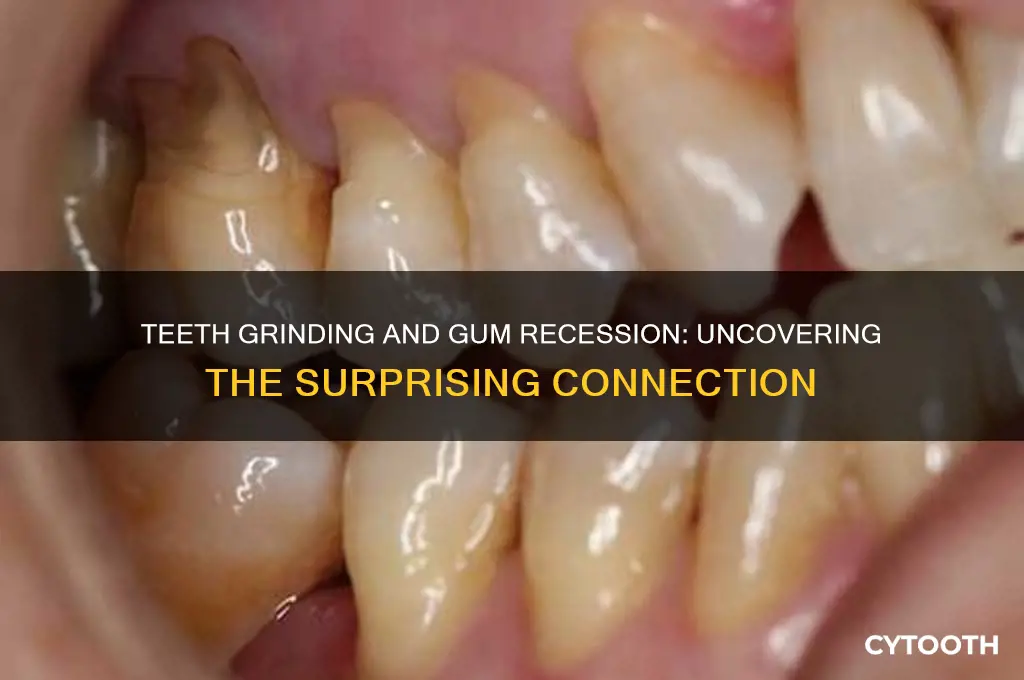
Teeth grinding, also known as bruxism, is a common condition that affects many individuals, often occurring unconsciously during sleep or due to stress. While it is primarily associated with jaw pain and headaches, there is growing concern about its potential impact on oral health, particularly whether it can cause receding gums. Receding gums, a condition where the gum tissue pulls away from the teeth, can lead to tooth sensitivity, increased risk of decay, and even tooth loss. The repetitive pressure and friction from grinding may accelerate gum recession by wearing down the enamel and irritating the gum line, though the relationship between bruxism and gum recession is still a topic of debate among dental professionals. Understanding this connection is crucial for developing effective preventive measures and treatments to maintain optimal oral health.
| Characteristics | Values |
|---|---|
| Direct Cause | Teeth grinding (bruxism) can contribute to receding gums, but it is not the sole cause. Other factors like poor oral hygiene, gum disease, and genetic predisposition also play a role. |
| Mechanism | Bruxism exerts excessive pressure on the teeth and gums, leading to inflammation, tissue damage, and potential gum recession over time. |
| Prevalence | Individuals with chronic bruxism are at a higher risk of developing gum recession compared to those without the habit. |
| Symptoms | Receding gums caused by bruxism may be accompanied by tooth sensitivity, gum pain, and visible wear on teeth. |
| Prevention | Using a night guard, stress management, and addressing underlying causes of bruxism can help prevent gum recession. |
| Treatment | Treatment involves managing bruxism (e.g., mouthguards, Botox), improving oral hygiene, and addressing gum recession through dental procedures like gum grafting if necessary. |
| Long-term Impact | Untreated bruxism-related gum recession can lead to tooth mobility, increased risk of tooth decay, and potential tooth loss. |
| Research Findings | Studies indicate a correlation between bruxism and gum recession, but it is often part of a multifactorial process involving other oral health issues. |
What You'll Learn

Teeth Grinding and Gum Recession Link
Teeth grinding, or bruxism, exerts excessive force on the teeth and surrounding structures, creating a mechanical stress that can compromise gum health. When you grind your teeth, the repeated pressure and friction can lead to micro-traumas in the gum tissue, making it more susceptible to recession. This process is similar to how repeated bending weakens a paperclip until it breaks. Over time, the gums may begin to pull away from the teeth, exposing the sensitive root surfaces and increasing the risk of decay and sensitivity.
Consider the analogy of a tree in a windy environment. Just as constant wind can erode the soil around a tree’s base, exposing its roots, chronic teeth grinding erodes the gum tissue, leaving tooth roots vulnerable. This erosion is not immediate but cumulative, often going unnoticed until significant damage has occurred. For instance, individuals who grind their teeth during sleep may wake up with jaw soreness but remain unaware of the long-term effects on their gums. Monitoring for early signs, such as gum sensitivity or slight tooth lengthening, can prompt timely intervention.
Addressing bruxism is crucial in preventing gum recession. One practical step is wearing a custom-fitted night guard, which acts as a cushion between the teeth, reducing the force transmitted to the gums. These guards are typically made of soft acrylic and can be prescribed by a dentist after a thorough examination. Additionally, stress management techniques, such as mindfulness or progressive muscle relaxation, can help mitigate the underlying causes of teeth grinding. For children and adolescents, whose gums are still developing, early intervention is especially critical to prevent irreversible damage.
Comparing gum recession from bruxism to other causes, such as periodontal disease, highlights the importance of targeted treatment. While periodontal disease involves bacterial infection and inflammation, bruxism-induced recession is primarily mechanical. This distinction means that managing bruxism requires a different approach, focusing on force reduction rather than infection control. For example, while scaling and root planing may treat periodontal disease, it does little to address the effects of teeth grinding. Understanding this difference ensures that treatment is tailored to the root cause, improving outcomes and preventing further recession.
Finally, a descriptive perspective reveals the interplay between teeth grinding and gum recession as a slow, often silent, process. Imagine a clock ticking away, each tick representing a night of grinding, gradually wearing down the gum tissue. This imagery underscores the need for proactive measures, such as regular dental check-ups, where a dentist can detect early signs of recession and recommend appropriate interventions. By visualizing the long-term impact, individuals can be motivated to take preventive steps, ensuring their gums remain healthy and their smiles intact.
Coronavirus and Oral Health: Exploring Its Impact on Teeth and Gums
You may want to see also
Bruxism Impact on Gum Tissue
Teeth grinding, or bruxism, exerts excessive force on the teeth and surrounding structures, including the gum tissue. This chronic pressure can lead to inflammation and gradual recession of the gums, exposing the tooth roots. Unlike typical gum recession caused by periodontal disease, bruxism-induced recession often presents asymmetrically, correlating with the areas of heaviest grinding. For instance, individuals who clench their molars may notice recession more prominently in the posterior regions of their mouth.
To mitigate the impact of bruxism on gum tissue, a multifaceted approach is essential. First, a custom-fitted night guard, prescribed by a dentist, can redistribute the force of grinding and reduce direct trauma to the gums. Second, incorporating anti-inflammatory practices, such as rinsing with a warm saltwater solution or using aloe vera-based oral gels, can soothe irritated gum tissue. Additionally, addressing stress—a primary trigger of bruxism—through techniques like mindfulness, progressive muscle relaxation, or cognitive-behavioral therapy can decrease the frequency and intensity of grinding episodes.
Comparing bruxism to other causes of gum recession highlights its unique challenges. While periodontal disease involves bacterial infection and plaque buildup, bruxism is a mechanical issue stemming from habitual clenching or grinding. This distinction means that traditional gum disease treatments, such as deep cleaning or antibiotics, are less effective for bruxism-related recession. Instead, interventions must focus on force reduction and habit modification. For example, physical therapy exercises to retrain jaw muscles or Botox injections to temporarily paralyze overactive muscles can complement the use of oral appliances.
Practically, individuals with bruxism should monitor their gum health closely, looking for signs like increased sensitivity, redness, or visible root exposure. Regular dental check-ups are crucial, as dentists can detect early recession and recommend timely interventions. For children and adolescents, whose jaws are still developing, early intervention is particularly critical to prevent long-term damage. Parents should watch for signs like jaw fatigue, headaches, or worn tooth surfaces, which may indicate nocturnal grinding.
In conclusion, bruxism’s impact on gum tissue is both preventable and manageable with targeted strategies. By combining protective devices, anti-inflammatory care, stress management, and professional oversight, individuals can minimize the risk of gum recession and preserve their oral health. Recognizing the mechanical nature of bruxism-induced recession allows for more precise and effective treatment, distinguishing it from other causes of gum tissue deterioration.
Teeth Grinding and Gum Recession: Uncovering the Hidden Connection
You may want to see also
Preventing Gum Recession from Grinding
Teeth grinding, or bruxism, exerts excessive force on the teeth and gums, contributing to gum recession over time. The constant pressure and friction wear away gum tissue, exposing tooth roots and increasing sensitivity. While bruxism itself doesn’t directly cause recession, the inflammation and damage it triggers weaken gum health, making recession more likely. Addressing grinding habits is therefore essential in preventing this irreversible gum loss.
One of the most effective ways to prevent gum recession from grinding is to use a custom-fitted night guard. These oral appliances act as a protective barrier between the teeth, absorbing the force generated during clenching or grinding. Dentists recommend wearing them nightly, especially for individuals with moderate to severe bruxism. Over-the-counter options are available, but custom guards provide a better fit and greater comfort, ensuring consistent use. Regularly cleaning the guard and storing it properly prolongs its effectiveness.
Stress management plays a critical role in reducing bruxism, as it is often triggered by anxiety or tension. Incorporating relaxation techniques such as mindfulness, meditation, or yoga can help minimize grinding episodes. For those with high-stress lifestyles, allocating time for hobbies or exercise can provide an outlet for tension. Additionally, avoiding stimulants like caffeine, particularly in the evening, may reduce the likelihood of nighttime grinding.
Another preventive measure involves maintaining optimal oral hygiene to counteract the effects of grinding. Brushing twice daily with a soft-bristled toothbrush and fluoride toothpaste helps protect gums without causing further irritation. Flossing daily removes plaque buildup that can exacerbate gum inflammation. Regular dental check-ups are equally important, as professionals can detect early signs of recession and recommend targeted treatments, such as deep cleaning or gum grafting if necessary.
Finally, addressing underlying dental issues can mitigate the impact of grinding on gum health. Misaligned teeth or an uneven bite often intensify bruxism, so orthodontic treatments like braces or clear aligners may be beneficial. In some cases, dentists may suggest bite adjustments or splint therapy to redistribute chewing forces evenly. Combining these approaches with grinding prevention strategies offers a comprehensive defense against gum recession.
Can Receding Gums Regrow? Debunking Myths and Exploring Solutions
You may want to see also
Symptoms of Teeth Grinding Damage
Teeth grinding, or bruxism, often manifests silently but leaves unmistakable signs of damage. One of the earliest indicators is tooth wear, where the chewing surfaces flatten or develop chips and cracks. Over time, this wear can expose the inner layers of the tooth, leading to sensitivity to hot, cold, or sweet stimuli. If you notice your teeth feel rough or jagged when you run your tongue over them, it’s a red flag that grinding may be taking a toll.
Another symptom closely tied to bruxism is jaw pain or stiffness, particularly upon waking. The temporomandibular joint (TMJ), which connects your jaw to your skull, bears the brunt of grinding forces. Prolonged strain can lead to TMJ disorders, characterized by clicking or popping sounds when you open or close your mouth, difficulty chewing, and even lockjaw. Applying a warm compress to the jaw area for 10–15 minutes daily can provide temporary relief, but persistent symptoms warrant professional evaluation.
Receding gums, while often associated with gum disease, can also be exacerbated by teeth grinding. The excessive force from bruxism can cause gum tissue to pull away from the teeth, exposing the tooth roots and increasing the risk of decay and infection. If you observe that your teeth appear longer than before or experience heightened sensitivity near the gum line, grinding may be contributing to gum recession. Using a soft-bristled toothbrush and practicing gentle brushing techniques can help mitigate further damage.
Headaches, particularly in the temples or at the base of the skull, are a common yet overlooked symptom of bruxism. The constant clenching and grinding of teeth strain the muscles in the head and neck, triggering tension headaches. Keeping a headache journal to track frequency and intensity can help identify patterns linked to grinding. Incorporating stress-reduction techniques, such as mindfulness or progressive muscle relaxation, may alleviate both the headaches and the underlying bruxism.
Finally, sleep disruption is a symptom often intertwined with teeth grinding, especially in nocturnal bruxism cases. The noise from grinding can disturb both the grinder and their sleep partner, leading to fragmented sleep and daytime fatigue. If you or your partner notice grinding sounds during sleep, consider using a mouthguard to protect your teeth and reduce noise. Consulting a sleep specialist can also help address underlying sleep disorders contributing to bruxism.
Teeth Clenching and Gum Recession: Uncovering the Hidden Connection
You may want to see also
Treatment Options for Bruxism-Related Gum Issues
Bruxism, or teeth grinding, can exacerbate gum recession by increasing pressure on the teeth and gums, leading to inflammation and tissue damage. Addressing this issue requires a multifaceted approach targeting both the grinding habit and its gum-related consequences. Here’s a focused guide on treatment options tailored to bruxism-induced gum problems.
Step 1: Wear a Custom Night Guard
The cornerstone of managing bruxism is a professionally fitted night guard. Unlike over-the-counter options, custom guards from a dentist are molded to your bite, distributing force evenly to reduce gum strain. Wear it nightly to prevent enamel wear and gum irritation. For severe cases, a daytime guard may also be recommended, though this is less common.
Step 2: Address Gum Recession Directly
Receding gums caused by bruxism often require periodontal intervention. Scaling and root planing, a deep-cleaning procedure, removes plaque and smooths roots to encourage gum reattachment. In advanced cases, gum grafting may be necessary to restore lost tissue. This surgical option uses tissue from another part of the mouth or a donor source to cover exposed roots, reducing sensitivity and halting progression.
Caution: Avoid Aggressive Brushing
While treating bruxism, be mindful of secondary habits that worsen gum issues. Hard-bristled toothbrushes or aggressive brushing can accelerate recession. Switch to a soft-bristled brush and use gentle, circular motions. Pair this with a fluoride toothpaste to strengthen enamel and a gum-stimulating mouthwash containing chlorhexidine (0.12% solution, used twice daily for 2–4 weeks under dental supervision).
Treating bruxism-related gum issues isn’t just about managing symptoms—it’s about altering the behavior causing the damage. Stress-reduction techniques like jaw exercises, meditation, or physical therapy can lessen grinding. Pair these with regular dental check-ups to monitor gum health and adjust treatments as needed. By combining preventive measures, periodontal care, and habit changes, you can halt recession and preserve your oral health.
Zyns and Oral Health: Debunking Myths About Teeth and Gums
You may want to see also
Frequently asked questions
Yes, chronic teeth grinding (bruxism) can contribute to receding gums by placing excessive pressure on the teeth and gums, leading to gum tissue damage and recession over time.
Teeth grinding can inflame and irritate the gums, weaken their attachment to the teeth, and cause the gum line to recede, exposing more of the tooth root.
Yes, wearing a night guard can reduce the impact of grinding on your teeth and gums, helping to prevent further gum recession and protect oral health.
Yes, other factors include poor oral hygiene, gum disease, aggressive brushing, hormonal changes, and genetic predisposition, which can exacerbate or independently cause gum recession.
While receding gums cannot fully regrow on their own, treatments like gum grafting, improved oral hygiene, and managing bruxism can prevent further recession and improve gum health.