Logan Hayes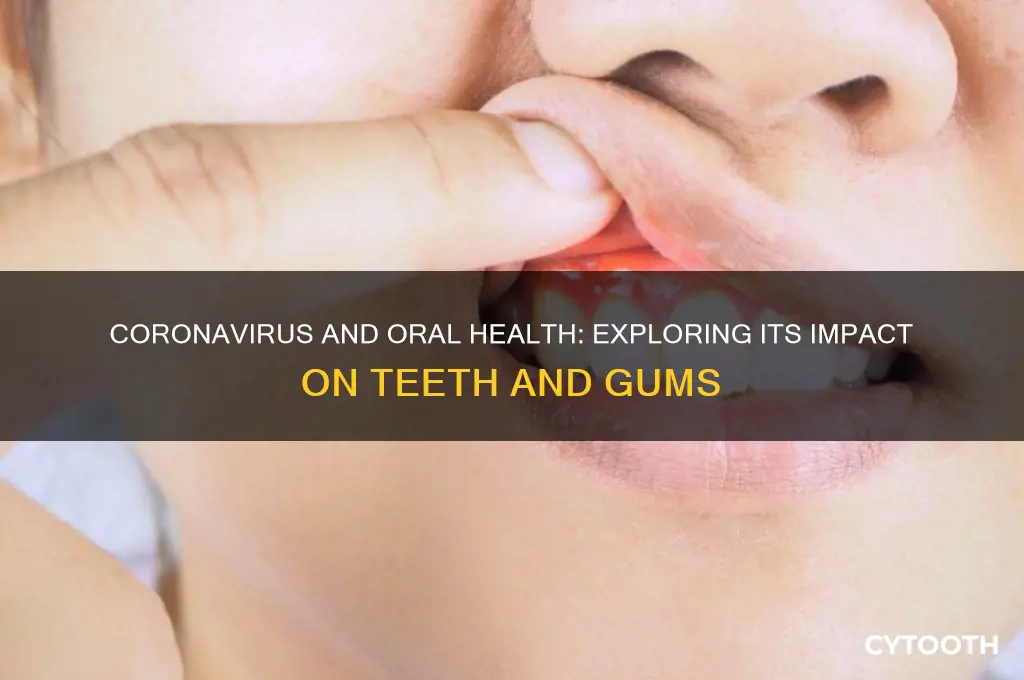
The COVID-19 pandemic has raised numerous health concerns, and recent studies have explored its potential impact on oral health, specifically whether the coronavirus affects teeth and gums. Emerging research suggests a possible link between COVID-19 and oral symptoms, such as gum inflammation, tooth sensitivity, and even tooth loss in severe cases. Some patients have reported oral manifestations like ulcers, blisters, or altered taste and smell, which may indirectly influence oral hygiene practices. Additionally, the virus’s systemic effects, including heightened inflammation and weakened immunity, could exacerbate existing gum diseases like gingivitis or periodontitis. While more research is needed to establish a direct causal relationship, these findings highlight the importance of maintaining good oral hygiene and monitoring dental health during and after COVID-19 infection.
| Characteristics | Values |
|---|---|
| Direct Impact on Teeth | No direct evidence of COVID-19 causing dental issues like cavities or enamel erosion. |
| Gum Health | Some studies suggest a potential link between COVID-19 and gum inflammation (gingivitis) or worsening of existing gum disease (periodontitis). |
| Oral Symptoms | COVID-19 can cause oral symptoms like loss of taste or smell, dry mouth, and mouth ulcers, which may indirectly affect oral health. |
| Immune System Impact | COVID-19 weakens the immune system, potentially making individuals more susceptible to oral infections and gum disease. |
| Medication Side Effects | Medications used to treat COVID-19 may have side effects like dry mouth, which can increase the risk of tooth decay and gum problems. |
| Lifestyle Changes | Quarantine and stress related to COVID-19 may lead to poor oral hygiene habits, increased sugar consumption, and neglect of dental care, indirectly affecting teeth and gums. |
| Blood Clotting | COVID-19 can cause blood clotting issues, potentially affecting gum health and healing after dental procedures. |
| Long COVID | Some individuals with long COVID report persistent oral symptoms, including gum pain and sensitivity, though more research is needed. |
| Research Status | Ongoing research is exploring the relationship between COVID-19 and oral health, but conclusive evidence is still limited. |
| Prevention | Maintaining good oral hygiene, regular dental check-ups, and a healthy lifestyle can help mitigate potential oral health risks associated with COVID-19. |
What You'll Learn
- COVID-19 and Gum Inflammation: Research links coronavirus to increased gum swelling and bleeding in some patients
- Teeth Sensitivity Post-COVID: Reports of heightened tooth sensitivity after recovering from coronavirus infection
- Dry Mouth and COVID: Coronavirus may cause dry mouth, increasing cavities and gum disease risk
- Oral Lesions in COVID Patients: Some COVID-19 cases show oral ulcers or blisters as symptoms
- Delayed Dental Care Impact: Pandemic-related dental care delays worsen pre-existing teeth and gum issues

COVID-19 and Gum Inflammation: Research links coronavirus to increased gum swelling and bleeding in some patients
Emerging research suggests a surprising connection between COVID-19 and oral health, specifically gum inflammation. Studies have observed a higher incidence of gum swelling and bleeding in patients who have recovered from COVID-19, even in those without pre-existing gum disease. This phenomenon raises questions about the virus's potential impact on oral tissues and the long-term consequences for dental health.
Understanding the Link:
The exact mechanism behind this link remains under investigation. One theory suggests that the virus's ability to infect cells lining the mouth and gums may trigger an inflammatory response, leading to the observed symptoms. Another possibility is that the systemic inflammation caused by COVID-19 could indirectly affect gum health, making them more susceptible to irritation and bleeding.
Identifying Symptoms:
Individuals who have recovered from COVID-19 should be vigilant for signs of gum inflammation, including redness, swelling, tenderness, and bleeding during brushing or flossing. These symptoms may appear even in the absence of plaque buildup or other typical risk factors for gum disease. If you experience any of these symptoms, it's crucial to consult a dentist promptly for a thorough examination and appropriate treatment.
Mitigating Risks:
While research is ongoing, maintaining good oral hygiene practices is paramount for everyone, especially those who have had COVID-19. This includes brushing twice daily with fluoride toothpaste, flossing regularly, and scheduling routine dental checkups. Additionally, a balanced diet rich in fruits, vegetables, and whole grains can support overall health and potentially contribute to better oral health outcomes.
Looking Ahead:
The connection between COVID-19 and gum inflammation highlights the complex interplay between viral infections and oral health. As research progresses, we may gain a deeper understanding of the underlying mechanisms and develop targeted interventions to mitigate these effects. In the meantime, prioritizing oral hygiene and seeking professional dental care remain essential for maintaining healthy teeth and gums, particularly in the context of COVID-19 recovery.
Teeth Clenching and Gum Recession: Uncovering the Hidden Connection
You may want to see also
Teeth Sensitivity Post-COVID: Reports of heightened tooth sensitivity after recovering from coronavirus infection
A growing number of individuals who have recovered from COVID-19 are reporting an unexpected side effect: heightened tooth sensitivity. This phenomenon, characterized by discomfort or pain in response to hot, cold, sweet, or acidic stimuli, has sparked concern among both patients and dental professionals. While the exact mechanism linking COVID-19 to increased tooth sensitivity remains under investigation, several theories suggest potential connections between the virus and oral health. Understanding these reports is crucial for those experiencing this issue and for healthcare providers seeking to address it effectively.
One hypothesis is that COVID-19-induced inflammation may play a role in exacerbating tooth sensitivity. The virus is known to trigger systemic inflammation, which could affect the gums and periodontal tissues, potentially exposing dentin—the sensitive layer beneath tooth enamel. Additionally, some COVID-19 survivors report dry mouth (xerostomia) as a lingering symptom, which reduces saliva production. Saliva is essential for neutralizing acids and protecting teeth, so its absence can lead to enamel erosion and increased sensitivity. For those experiencing dry mouth, staying hydrated, chewing sugar-free gum, and using saliva substitutes can help mitigate this issue.
Another factor to consider is the impact of COVID-19 on overall health and lifestyle. Prolonged illness, fever, and stress can lead to poor oral hygiene practices, such as irregular brushing or avoiding dental care due to fatigue. This neglect can contribute to plaque buildup, gum disease, and enamel wear, all of which are risk factors for tooth sensitivity. Recovered individuals should prioritize gentle, consistent oral care, including twice-daily brushing with a soft-bristled toothbrush and fluoride toothpaste designed for sensitive teeth. Avoiding abrasive toothpastes and aggressive brushing techniques is equally important.
For those seeking relief, desensitizing toothpastes containing potassium nitrate or fluoride can be effective when used consistently over several weeks. In more severe cases, dental professionals may recommend in-office treatments such as fluoride varnishes or sealants to protect exposed dentin. It’s also advisable to limit consumption of acidic foods and beverages, which can aggravate sensitivity. If symptoms persist or worsen, consulting a dentist is essential to rule out underlying issues like cavities or gum disease.
While the link between COVID-19 and tooth sensitivity is still being explored, these reports highlight the importance of holistic post-recovery care. Monitoring oral health, maintaining good hygiene practices, and seeking professional guidance when needed can help manage this discomfort effectively. As research progresses, a clearer understanding of this phenomenon will likely emerge, offering targeted solutions for those affected.
Zyns and Oral Health: Debunking Myths About Teeth and Gums
You may want to see also
Dry Mouth and COVID: Coronavirus may cause dry mouth, increasing cavities and gum disease risk
Dry mouth, or xerostomia, is a condition where the salivary glands fail to produce enough saliva, leaving the mouth feeling parched. Emerging research suggests a link between COVID-19 and dry mouth, with some studies indicating that the virus may directly affect salivary glands. This is concerning because saliva plays a crucial role in maintaining oral health by neutralizing acids, remineralizing teeth, and washing away food particles. Without adequate saliva, the risk of cavities and gum disease skyrockets. For instance, a study published in the *Journal of Oral Medicine and Oral Surgery* found that 40% of COVID-19 patients reported dry mouth symptoms during or after infection.
To mitigate the risks associated with dry mouth post-COVID, it’s essential to adopt proactive oral hygiene practices. Start by staying hydrated—aim for at least 8–10 glasses of water daily, avoiding sugary or acidic drinks that exacerbate the issue. Chewing sugar-free gum or sucking on sugar-free lozenges can stimulate saliva production, but ensure they contain xylitol, which has been shown to reduce cavity-causing bacteria. Additionally, use a fluoride mouthwash daily to strengthen tooth enamel and consider a humidifier at night to alleviate dryness. For severe cases, consult a dentist or doctor, who may prescribe artificial saliva substitutes or medications like pilocarpine to stimulate salivary glands.
Comparing pre- and post-COVID oral health trends reveals a startling increase in dry mouth complaints among recovered patients. Dentists are now reporting higher rates of tooth decay and gum inflammation in this demographic, even in individuals with previously healthy mouths. This shift underscores the need for targeted dental care strategies for COVID survivors. For example, more frequent dental check-ups—every 3–4 months instead of the standard 6—can help catch issues early. Patients should also be vigilant about symptoms like persistent bad breath, tooth sensitivity, or gum redness, which may indicate progressing problems.
A persuasive argument for addressing dry mouth post-COVID lies in its long-term implications. Untreated, this condition can lead to irreversible damage, including tooth loss and chronic gum infections. The economic burden of restorative dental treatments far outweighs the cost of preventive measures. By prioritizing oral health now, individuals can avoid costly procedures down the line. Moreover, maintaining a healthy mouth contributes to overall well-being, as poor oral health has been linked to systemic conditions like heart disease and diabetes. Taking dry mouth seriously is not just about saving teeth—it’s about safeguarding your health.
Finally, a descriptive approach highlights the daily challenges of living with COVID-induced dry mouth. Imagine waking up with a mouth that feels like sandpaper, struggling to speak or swallow without discomfort. Simple pleasures like enjoying a meal become fraught with the fear of worsening dental issues. This reality is a stark reminder of the virus’s lingering impact on quality of life. By understanding and addressing dry mouth, individuals can reclaim not just their oral health, but their overall sense of normalcy. Practical steps, combined with professional guidance, offer a path to recovery and resilience.
Can Receding Gums Regrow? Debunking Myths and Exploring Solutions
You may want to see also
Oral Lesions in COVID Patients: Some COVID-19 cases show oral ulcers or blisters as symptoms
Oral lesions, including ulcers and blisters, have emerged as a lesser-known but significant symptom in some COVID-19 patients. These manifestations often appear as painful sores on the gums, tongue, or inner cheeks, causing discomfort and raising concerns about their origin and management. While respiratory symptoms dominate the conversation around COVID-19, these oral signs warrant attention, especially for healthcare providers and patients monitoring for atypical symptoms. Recognizing these lesions early can aid in timely diagnosis and management, particularly in asymptomatic or mildly symptomatic individuals.
The appearance of oral lesions in COVID-19 patients varies widely, from small, red ulcers to larger, fluid-filled blisters. Some cases resemble common conditions like aphthous stomatitis or herpes simplex, but their association with COVID-19 suggests a viral etiology linked to SARS-CoV-2. A study published in the *Journal of Oral Medicine and Pain* reported that up to 10% of COVID-19 patients exhibited oral lesions, with symptoms persisting for 7–14 days on average. These findings highlight the importance of oral examinations in COVID-19 assessments, especially in pediatric and immunocompromised populations, where such symptoms may be more prevalent.
Managing oral lesions in COVID-19 patients requires a twofold approach: symptom relief and infection control. Over-the-counter topical anesthetics like lidocaine gel or benzocaine can alleviate pain, while antimicrobial mouthwashes (e.g., chlorhexidine 0.12%) reduce the risk of secondary bacterial infections. For severe cases, healthcare providers may prescribe antiviral medications like acyclovir or corticosteroids to reduce inflammation. Patients should also maintain meticulous oral hygiene, using soft-bristled toothbrushes and avoiding irritants like spicy foods or alcohol-based rinses. Hydration and a soft diet can further minimize discomfort during the healing process.
Comparatively, oral lesions in COVID-19 differ from those caused by other viral infections due to their association with systemic symptoms like fever, fatigue, and loss of taste or smell. This distinction underscores the need for a holistic approach to diagnosis, considering both oral and systemic manifestations. While oral lesions alone are not diagnostic of COVID-19, their presence in conjunction with other symptoms should prompt testing and isolation to prevent transmission. As research continues, understanding the pathophysiology of these lesions may offer insights into SARS-CoV-2’s impact on mucosal tissues and its broader implications for oral health.
In conclusion, oral lesions in COVID-19 patients serve as a reminder of the virus’s multifaceted effects, extending beyond the respiratory system. Awareness of these symptoms empowers both patients and healthcare providers to take proactive steps in management and prevention. As the pandemic evolves, monitoring and documenting such atypical symptoms will be crucial in refining diagnostic and treatment protocols, ensuring comprehensive care for those affected by COVID-19.
Delayed Dental Care Impact: Pandemic-related dental care delays worsen pre-existing teeth and gum issues
The COVID-19 pandemic forced millions to postpone routine dental checkups, a decision that seemed minor at the time but has since revealed significant consequences. Pre-existing conditions like gingivitis, periodontitis, and untreated cavities didn’t pause during lockdowns—they progressed. Without professional intervention, plaque buildup hardened into tartar, gums receded further, and decay spread deeper into tooth structures. A 2021 survey by the American Dental Association found that 40% of adults delayed dental care due to the pandemic, creating a backlog of issues now requiring more invasive and costly treatments.
Consider the case of a 35-year-old patient with mild gum inflammation in early 2020. Skipping biannual cleanings for two years allowed bacteria to thrive, progressing the condition to moderate periodontitis. Treatment now involves deep scaling, antibiotics (e.g., 500 mg of amoxicillin twice daily for 7 days), and potential gum surgery—steps that could have been avoided with timely care. This scenario isn’t isolated; dentists nationwide report a surge in advanced cases, from abscesses to tooth loss, directly linked to pandemic-related delays.
For parents, the impact on children is equally alarming. Pediatric dentists note a rise in early childhood caries, often dubbed “baby bottle tooth decay,” exacerbated by reduced access to preventive care. Fluoride treatments and sealants, typically applied during routine visits, were missed, leaving young teeth vulnerable. A study in the *Journal of Dental Research* found that children aged 3–6 who delayed dental care during the pandemic had a 25% higher incidence of cavities compared to pre-pandemic levels.
To mitigate further damage, prioritize rescheduling delayed appointments, even if symptoms seem minor. Dentists now emphasize the importance of at-home care during gaps in professional treatment: brushing twice daily with fluoride toothpaste, flossing daily, and using antimicrobial mouthwash (e.g., 0.12% chlorhexidine) for those with gum issues. For those with financial concerns, many clinics offer payment plans or sliding-scale fees to address pandemic-related dental neglect.
The takeaway is clear: delaying dental care doesn’t halt oral health problems—it accelerates them. While the pandemic disrupted routines, the long-term cost of postponing treatment far outweighs the temporary inconvenience of a dental visit. Addressing pre-existing issues now can prevent irreversible damage and restore oral health before it’s too late.
Frequently asked questions
There is no direct evidence that coronavirus (COVID-19) infects teeth or gums. However, some studies suggest the virus may impact oral health indirectly through systemic inflammation or complications from the illness.
COVID-19 itself does not cause gum disease or tooth decay. However, factors like stress, poor nutrition, or neglect of oral hygiene during illness may increase the risk of these conditions.
Some COVID-19 patients have reported oral symptoms like mouth sores, ulcers, or altered taste (dysgeusia). These may be related to the virus or secondary infections, but more research is needed.
Dental visits are safe after recovering from COVID-19, but it’s important to follow your dentist’s advice. Postpone non-urgent appointments if you’re still symptomatic or in the recovery phase to avoid complications.