Samantha Blake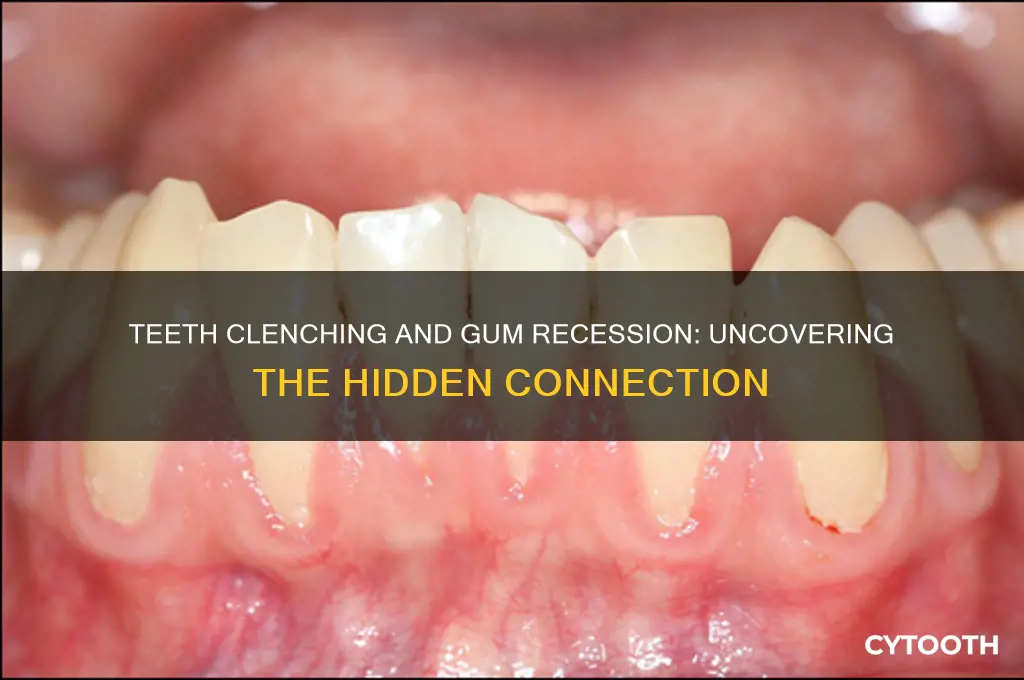
Clenching teeth, a habit often associated with stress or bruxism, has been a subject of concern in dental health, particularly regarding its potential link to gum recession. Gum recession occurs when the gum tissue surrounding the teeth wears away, exposing more of the tooth or its root, which can lead to sensitivity, decay, and other oral health issues. While several factors contribute to gum recession, including poor oral hygiene, periodontal disease, and aggressive brushing, the mechanical stress from clenching or grinding teeth is increasingly recognized as a significant contributor. The constant pressure and friction from clenching can damage the gum tissue and the supporting structures of the teeth, accelerating the recession process. Understanding this relationship is crucial for developing preventive measures and treatments to mitigate the adverse effects of teeth clenching on gum health.
| Characteristics | Values |
|---|---|
| Direct Cause | Clenching teeth (bruxism) can contribute to gum recession. |
| Mechanism | Excessive force from clenching can damage gum tissue and supporting bones. |
| Associated Factors | Increased pressure on teeth, inflammation, and reduced blood flow to gums. |
| Prevalence | Higher risk in individuals with chronic bruxism. |
| Symptoms | Tooth sensitivity, exposed roots, and receding gum line. |
| Prevention | Wearing a night guard, stress management, and addressing bruxism causes. |
| Treatment | Gum grafting, orthodontic intervention, and bruxism management. |
| Long-Term Effects | Potential tooth loss, periodontal disease, and jaw disorders (e.g., TMJ). |
| Research Findings | Studies confirm a correlation between bruxism and gum recession. |
| Professional Recommendation | Regular dental check-ups to monitor gum health and manage bruxism. |
What You'll Learn
- Clenching Impact on Gums: Excessive force from clenching can damage gum tissue, leading to recession over time
- Bruxism and Recession: Chronic teeth grinding (bruxism) accelerates gum recession due to constant pressure
- Gum Tissue Wear: Clenching wears down gum tissue, reducing its ability to support teeth properly
- Inflammation Risk: Clenching causes inflammation, weakening gums and making them prone to receding
- Preventive Measures: Mouthguards and stress management can reduce clenching and prevent gum recession

Clenching Impact on Gums: Excessive force from clenching can damage gum tissue, leading to recession over time
Teeth clenching, often unconscious and habitual, exerts forces on the teeth and gums far beyond normal function. While occasional clenching may not cause immediate harm, chronic or forceful clenching can lead to significant damage. The gums, delicate tissues that support and protect the teeth, are particularly vulnerable. When excessive force is applied, the fibers attaching the gums to the teeth can stretch, tear, or degrade over time. This gradual breakdown of the gum tissue’s integrity is a primary mechanism by which clenching contributes to gum recession.
Consider the analogy of a rubber band stretched repeatedly. Over time, it loses elasticity and becomes thinner, eventually snapping. Similarly, the periodontal ligaments and gum fibers, when subjected to repeated stress from clenching, weaken and recede. This process is often insidious, with individuals noticing symptoms like tooth sensitivity, exposed roots, or longer-appearing teeth only after significant damage has occurred. For adults aged 30–60, who are more prone to stress-related clenching (bruxism), this is a critical concern, as gum recession can accelerate tooth decay and bone loss if left unaddressed.
Preventing clenching-induced gum recession requires a two-pronged approach: reducing the force and protecting the gums. Night guards, custom-fitted by a dentist, are a proven solution to minimize damage during sleep, when clenching often peaks. These devices act as a cushion, distributing force evenly and preventing direct trauma to the gums. Additionally, stress management techniques—such as mindfulness, yoga, or progressive muscle relaxation—can reduce the frequency and intensity of clenching episodes. For those with severe bruxism, botulinum toxin (Botox) injections, administered in small doses (e.g., 10–25 units per masseter muscle), can temporarily paralyze overactive jaw muscles, offering relief for 3–6 months.
Early detection is key to mitigating long-term harm. Regular dental check-ups, ideally every six months, allow professionals to monitor gum health and identify recession in its earliest stages. Patients should also self-monitor for warning signs, such as jaw soreness, headaches, or indentations on the tongue from teeth pressure. Addressing clenching promptly not only preserves gum health but also prevents associated complications like tooth mobility and temporomandibular joint (TMJ) disorders. By combining protective measures, behavioral changes, and professional intervention, individuals can safeguard their gums from the cumulative effects of excessive clenching.
Can Receding Gums Regrow? Debunking Myths and Exploring Solutions
You may want to see also
Bruxism and Recession: Chronic teeth grinding (bruxism) accelerates gum recession due to constant pressure
Chronic teeth grinding, known as bruxism, exerts relentless pressure on the teeth and gums, significantly accelerating gum recession. This habitual clenching and grinding, often subconscious, wears down the protective enamel and irritates the gum tissue, leading to inflammation and gradual detachment from the tooth surface. Over time, this process exposes the tooth’s root, which lacks enamel, making it more susceptible to decay and sensitivity. The constant mechanical stress from bruxism disrupts the delicate balance between the gums and teeth, hastening recession far beyond natural aging or typical wear.
To mitigate the effects of bruxism on gum recession, early intervention is crucial. A common and effective solution is the use of a custom-fitted night guard, prescribed by a dentist, to act as a cushion between the upper and lower teeth during sleep. This reduces the direct force on the gums and teeth, minimizing further damage. Additionally, stress management techniques, such as mindfulness, meditation, or physical exercise, can help address the underlying causes of bruxism, as stress and anxiety are often contributing factors. For severe cases, Botox injections into the jaw muscles may be recommended to temporarily reduce grinding by relaxing overactive muscles.
Comparing bruxism-induced recession to other causes, such as poor oral hygiene or periodontal disease, highlights its unique mechanism of harm. While plaque buildup and infection attack the gums from the outside, bruxism’s damage is primarily mechanical, stemming from internal pressure. This distinction means that even individuals with excellent oral hygiene can experience accelerated recession if bruxism goes unaddressed. Unlike periodontal disease, which often requires deep cleaning or antibiotics, managing bruxism focuses on behavioral changes and protective devices, emphasizing prevention over treatment of infection.
A practical tip for those suspecting bruxism is to monitor symptoms such as jaw soreness, headaches, or tooth sensitivity upon waking. If these signs persist, a dental evaluation is essential to assess the extent of gum recession and enamel wear. Dentists may use tools like bite analysis or wear indicators to diagnose bruxism accurately. For children and adolescents, whose jaws are still developing, early intervention is particularly critical, as prolonged grinding can alter jaw growth and alignment. Parents should watch for signs like teeth grinding noises during sleep or complaints of jaw discomfort in younger age groups.
In conclusion, bruxism’s role in accelerating gum recession underscores the importance of recognizing and addressing this habit promptly. By combining protective measures like night guards with stress reduction strategies, individuals can significantly reduce the mechanical stress on their gums and teeth. Unlike other causes of recession, bruxism’s damage is largely preventable with the right tools and awareness, making it a manageable condition when tackled proactively. Regular dental check-ups and open communication with a dentist are key to preserving gum health and preventing long-term complications from chronic teeth grinding.
Zyns and Oral Health: Debunking Myths About Teeth and Gums
You may want to see also
Gum Tissue Wear: Clenching wears down gum tissue, reducing its ability to support teeth properly
Clenching teeth, often referred to as bruxism, exerts excessive force on the periodontal ligaments and alveolar bone, which are critical for anchoring teeth. Over time, this chronic pressure accelerates the breakdown of gum tissue, a process known as gum recession. The gums, designed to withstand normal biting forces, cannot adapt to the sustained stress of clenching, leading to gradual wear and tear. This wear compromises the gums' ability to protect tooth roots and maintain a secure grip on teeth, setting the stage for dental instability.
Consider the mechanics: each clench generates forces up to 250 pounds per square inch, far exceeding the 10–20 pounds of normal chewing. This repeated trauma inflames the gum tissue, causing it to pull away from the tooth surface. As the gums recede, the tooth's root becomes exposed, increasing sensitivity and risk of decay. For adults aged 30–60, who are most prone to bruxism, this process can be particularly damaging, as gum tissue regeneration slows with age. Without intervention, the gums may recede by 1–2 millimeters annually in severe cases.
To mitigate this, start by identifying clenching triggers—stress, misaligned teeth, or sleep disorders like sleep apnea. Stress-reduction techniques, such as mindfulness or progressive muscle relaxation, can lower clenching frequency. For nocturnal bruxism, a custom-fitted night guard, worn during sleep, redistributes force and protects gums. Orthodontic treatments, like braces or clear aligners, correct misalignments that exacerbate clenching. Additionally, maintaining optimal oral hygiene—brushing twice daily with a soft-bristled toothbrush and flossing—prevents further gum irritation.
A comparative analysis reveals that untreated clenching leads to gum recession faster than natural aging. While aging naturally reduces gum elasticity, clenching accelerates this by 3–5 times. For instance, a 45-year-old with untreated bruxism may exhibit gum recession comparable to a 70-year-old without the habit. This underscores the urgency of addressing clenching early, particularly in high-risk groups like shift workers or individuals with high-stress careers. Regular dental check-ups, ideally every six months, allow for early detection and intervention before irreversible damage occurs.
Finally, a persuasive argument for action: ignoring clenching-induced gum recession jeopardizes not just oral health but overall well-being. Exposed roots increase the risk of periodontal disease, which has been linked to systemic conditions like heart disease and diabetes. The cost of treating advanced gum recession—procedures like gum grafting—can exceed $2,000 per tooth, compared to the $300–$500 investment in a night guard. By prioritizing prevention, individuals can preserve their gums' structural integrity, ensuring long-term dental health and avoiding costly, invasive treatments.
Inflammation Risk: Clenching causes inflammation, weakening gums and making them prone to receding
Clenching teeth, often referred to as bruxism, is more than just a nocturnal nuisance. It’s a silent aggressor that triggers chronic inflammation in the oral cavity. When you clench, excessive force is exerted on the teeth and gums, disrupting the delicate balance of tissues. This mechanical stress activates the body’s immune response, flooding the area with inflammatory cytokines. Over time, this low-grade inflammation weakens the gum tissue, compromising its ability to protect the tooth roots. Think of it as a slow-burning fire: unnoticed at first, but steadily eroding the foundation of your oral health.
To understand the mechanism, consider the gums as a protective barrier. Constant clenching creates micro-injuries in the gum tissue, similar to repeatedly bending a piece of wire until it frays. These injuries invite bacteria and irritants, further fueling inflammation. Studies show that inflammatory markers like interleukin-1β and tumor necrosis factor-alpha are elevated in individuals with bruxism. This chronic inflammatory state not only weakens the gums but also impairs their ability to regenerate, making them more susceptible to recession. It’s a vicious cycle: clenching causes inflammation, inflammation weakens gums, and weakened gums recede, exposing more sensitive areas to damage.
Practical steps can mitigate this risk. First, invest in a custom-fitted night guard to reduce the force of clenching during sleep. These devices act as a cushion, absorbing the pressure that would otherwise damage gums. Second, incorporate anti-inflammatory practices into your routine. Rinsing with a warm saltwater solution twice daily can soothe inflamed tissues, while a diet rich in omega-3 fatty acids (found in fish, flaxseeds, and walnuts) helps combat systemic inflammation. For severe cases, consult a dentist about prescription mouth rinses containing chlorhexidine, which reduces bacterial load and inflammation.
Comparatively, clenching-induced inflammation is often overlooked in favor of more visible oral health issues like cavities or plaque buildup. However, its impact is equally insidious. Unlike plaque, which can be removed with proper hygiene, inflammation from clenching persists unless the underlying habit is addressed. While brushing and flossing remain essential, they’re insufficient to counteract the damage caused by chronic clenching. This highlights the need for a multifaceted approach—one that targets both the mechanical stress and its inflammatory consequences.
Finally, consider the long-term implications. Gum recession isn’t just a cosmetic concern; it exposes tooth roots, leading to sensitivity, decay, and even tooth loss. By addressing clenching-related inflammation early, you can prevent this cascade of issues. Monitor symptoms like jaw soreness, headaches, or worn tooth enamel—early signs of bruxism. Pair this vigilance with proactive measures, and you’ll not only protect your gums but also preserve your overall oral health. Remember, inflammation is the body’s alarm system; heed its warning before it’s too late.
Preventive Measures: Mouthguards and stress management can reduce clenching and prevent gum recession
Teeth clenching, often unconscious and exacerbated by stress, exerts excessive force on the periodontal ligaments and alveolar bone, accelerating gum recession. While the damage is gradual, it’s irreversible without intervention. Preventive measures, however, can halt progression and preserve oral health. Mouthguards, particularly custom-fitted ones, act as a physical barrier, redistributing the force of clenching across the jaw rather than concentrating it on specific teeth. Simultaneously, stress management techniques—such as mindfulness, progressive muscle relaxation, or cognitive-behavioral therapy—address the root cause by reducing the frequency and intensity of clenching episodes. Together, these strategies form a dual-pronged approach to safeguarding gums and teeth.
For those experiencing nocturnal clenching, or bruxism, a dentist-prescribed mouthguard is essential. Over-the-counter options are available, but custom guards, crafted from impressions of your teeth, offer superior fit and protection. Wear it nightly, ensuring proper cleaning with mild soap and warm water to prevent bacterial buildup. Adults and adolescents alike can benefit, though younger children may require alternative solutions due to developing dentition. Pairing mouthguard use with stress reduction techniques amplifies effectiveness. For instance, incorporating a 10-minute mindfulness meditation before bed can lower stress hormones, reducing the urge to clench during sleep.
Stress management isn’t one-size-fits-all; experimentation is key. Physical activity, such as yoga or jogging, releases endorphins that counteract stress, while journaling or talking to a therapist provides emotional outlets. For immediate relief, try progressive muscle relaxation: tense and release jaw muscles for 5-second intervals, repeating 5–10 times daily. Avoid stimulants like caffeine after 2 p.m., as they heighten nervous system activity and exacerbate clenching. Even small changes, like setting a digital detox hour before bed, can significantly reduce stress-induced bruxism.
Comparing preventive measures highlights their complementary nature. Mouthguards provide immediate physical protection, while stress management tackles the behavioral and psychological triggers. For example, a mouthguard alone won’t stop daytime clenching during a stressful workday, but pairing it with deep-breathing exercises every hour can. Conversely, stress reduction without a mouthguard leaves teeth vulnerable during sleep. Combining both approaches ensures round-the-clock protection, addressing both symptoms and causes of gum recession.
In practice, consistency is critical. Wear your mouthguard every night, even if clenching seems less frequent, and integrate stress management into your daily routine. Track progress by noting gum sensitivity or jaw pain levels monthly. If recession persists despite these measures, consult a periodontist for advanced interventions like gum grafting. By proactively managing clenching through mouthguards and stress reduction, you not only prevent further recession but also improve overall well-being, proving that oral health is intrinsically linked to mental health.
Frequently asked questions
Yes, clenching teeth (bruxism) can contribute to gum recession over time. The excessive force places stress on the teeth and gums, leading to tissue damage and potential recession.
Clenching increases pressure on the teeth and gums, causing inflammation and weakening of the gum tissue. This can result in the gums pulling away from the teeth, exposing the roots and causing recession.
Once gum recession occurs, it cannot be fully reversed naturally. However, treatments like gum grafting or proper management of bruxism can prevent further recession and improve oral health.
Yes, using a night guard to reduce clenching, practicing stress management, and maintaining good oral hygiene can help prevent gum recession caused by bruxism.
Not always, but prolonged or severe clenching increases the risk. Factors like genetics, oral hygiene, and overall dental health also play a role in whether gum recession develops.