Matthew Grant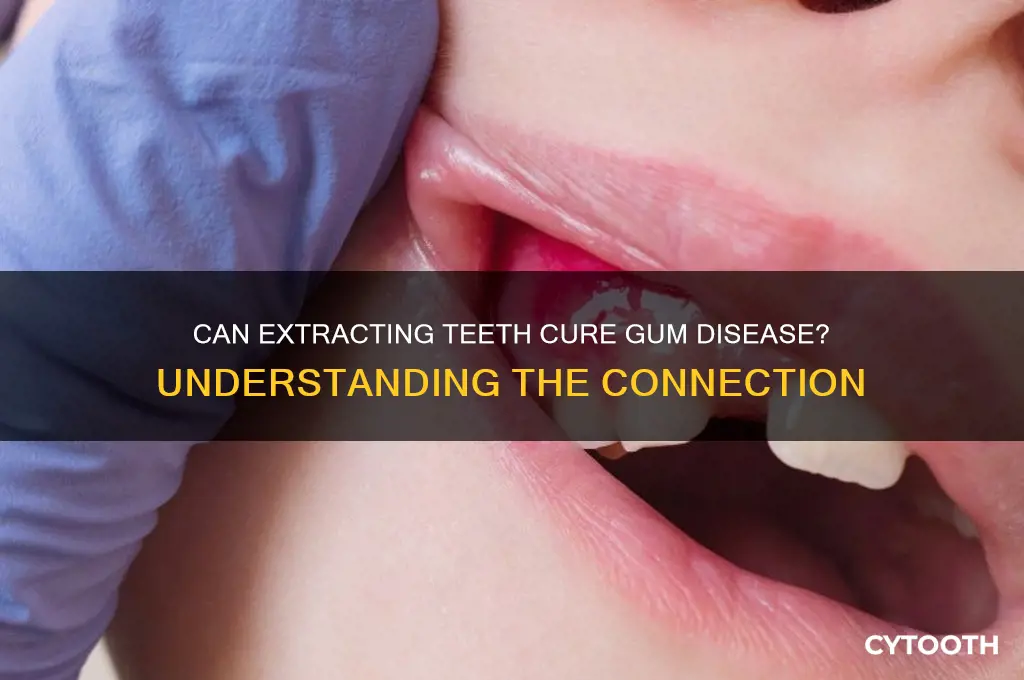
Gum disease, or periodontal disease, is a common oral health issue caused by bacterial infection and inflammation of the gums and surrounding tissues. While removing affected teeth can alleviate some symptoms and prevent further damage, it does not necessarily cure the underlying gum disease. The bacteria responsible for the infection can still persist in the remaining gums and tissues, potentially leading to continued inflammation and bone loss. Therefore, even after tooth extraction, proper oral hygiene, professional dental care, and, in some cases, additional treatments such as deep cleaning or antibiotics are essential to manage and resolve gum disease effectively.
| Characteristics | Values |
|---|---|
| Gum Disease Resolution After Tooth Removal | Gum disease (periodontal disease) does not automatically go away when teeth are removed. The underlying bacterial infection and inflammation can persist in the gums and surrounding tissues. |
| Cause of Gum Disease | Gum disease is caused by bacterial plaque buildup, which can still affect the gums even after teeth are extracted. |
| Role of Tooth Removal | Removing teeth may eliminate the source of irritation from infected teeth but does not address the bacterial infection in the gums. |
| Post-Extraction Care | Proper oral hygiene and professional care are still necessary to manage and treat gum disease after tooth removal. |
| Potential Complications | If gum disease is not treated, it can lead to further bone loss, gum recession, and other oral health issues even after tooth extraction. |
| Treatment After Extraction | Treatments such as deep cleaning (scaling and root planing), antibiotics, and surgical interventions may still be required to manage gum disease. |
| Prevention | Maintaining good oral hygiene, regular dental check-ups, and addressing risk factors (e.g., smoking, diabetes) are crucial to prevent gum disease recurrence. |
| Long-Term Outlook | With proper care, gum disease can be managed, but it does not resolve solely due to tooth removal. Ongoing treatment and maintenance are essential. |
What You'll Learn

Gum Disease Persistence Post-Extraction
Gum disease, or periodontal disease, doesn't automatically vanish when teeth are removed. While extracting severely damaged teeth can eliminate a major source of infection, the underlying bacterial imbalance and inflammatory processes often persist in the gums and surrounding tissues. This residual disease can manifest as continued gum bleeding, swelling, or bad breath even after extractions. Understanding this persistence is crucial for anyone assuming tooth removal is a cure-all for periodontal issues.
Consider the analogy of weeding a garden. Removing visibly damaged plants (teeth) doesn’t eradicate the root system (bacteria) still embedded in the soil (gums). Similarly, post-extraction gum disease requires targeted intervention to address the remaining biofilm and inflammation. For instance, a 2017 study in the *Journal of Periodontology* found that 40% of patients with advanced periodontitis still exhibited clinical signs of inflammation six months after tooth extraction, despite the absence of teeth. This highlights the need for comprehensive care beyond extraction alone.
To combat gum disease persistence post-extraction, a multi-step approach is essential. First, professional debridement (deep cleaning) of the extraction sites and remaining gums is critical to remove residual bacteria and calculus. Second, antimicrobial therapy, such as a 0.12% chlorhexidine rinse used twice daily for 2–4 weeks, can help suppress bacterial growth. Third, meticulous oral hygiene—including gentle brushing with a soft-bristled toothbrush and interdental cleaning—must be maintained to prevent biofilm reaccumulation. For smokers, cessation is non-negotiable, as smoking impairs healing and exacerbates inflammation.
A cautionary note: neglecting post-extraction care can lead to complications like dry socket or persistent infection, which may require surgical intervention. For example, a dry socket occurs in 2–5% of extraction cases and is more common in smokers or those with poor oral hygiene. Additionally, systemic factors like diabetes or immunosuppression can prolong healing and increase the risk of recurrent gum disease. Regular follow-ups with a periodontist are vital to monitor healing and adjust treatment as needed.
In conclusion, while tooth extraction removes a primary source of gum disease, it doesn’t guarantee resolution. Persistent bacterial activity and inflammation demand proactive management through professional care, antimicrobial therapy, and rigorous hygiene. By addressing these factors, individuals can prevent recurrence and promote long-term oral health, even after teeth are removed.
Coronavirus and Oral Health: Exploring Its Impact on Teeth and Gums
You may want to see also
Role of Infection in Toothless Gums
Gum disease, or periodontal disease, is often associated with the presence of teeth, but what happens when the teeth are removed? The role of infection in toothless gums is a critical aspect to consider, as it challenges the assumption that extracting teeth automatically resolves gum issues. Even after tooth removal, the gums can still harbor bacteria and undergo inflammatory processes, leading to persistent or recurring infections. This is particularly true for individuals with a history of severe gum disease, as the underlying bacterial imbalance and tissue damage may not disappear with the teeth.
From an analytical perspective, the persistence of infection in toothless gums can be attributed to biofilm formation. Biofilms are communities of bacteria that adhere to surfaces, such as the gum tissue, and are highly resistant to antibiotics and the body’s immune response. In edentulous (toothless) individuals, biofilms can continue to thrive, causing chronic inflammation and tissue degradation. Studies show that *Porphyromonas gingivalis* and *Treponema denticola*, common pathogens in periodontal disease, can remain active even in the absence of teeth, contributing to ongoing gum issues. This highlights the need for targeted antimicrobial therapies, such as chlorhexidine rinses (0.12% concentration, used twice daily for 2 weeks) or probiotic supplements containing *Lactobacillus reuteri*, to disrupt biofilm formation.
Instructively, maintaining oral hygiene in toothless gums is paramount to preventing infection. For denture wearers, cleaning both the dentures and the gums daily is essential. Dentures should be removed nightly and soaked in a denture cleanser, while the gums should be gently brushed with a soft-bristled toothbrush or cleaned with a gauze pad. Additionally, regular dental check-ups are crucial, as dentists can identify early signs of infection, such as redness, swelling, or persistent bad breath, and recommend appropriate interventions. For older adults (aged 65 and above), who are more susceptible to gum infections due to reduced saliva production and weakened immunity, staying hydrated and avoiding smoking can significantly reduce infection risk.
Comparatively, the role of infection in toothless gums differs from that in dentate (toothed) individuals due to the absence of tooth-related structures like pockets and roots. In dentate patients, infection often originates from plaque buildup around teeth, whereas in toothless gums, infection is more likely to stem from poor denture hygiene or residual bacteria in the oral mucosa. This distinction underscores the importance of tailored preventive measures. For instance, while scaling and root planing are effective for dentate patients, edentulous individuals may benefit more from antifungal treatments, as denture stomatitis (a fungal infection) is a common complication in this group.
Persuasively, addressing infection in toothless gums is not just about oral health—it’s about overall well-being. Chronic gum infections have been linked to systemic conditions such as cardiovascular disease, diabetes, and respiratory infections. By proactively managing gum health post-tooth extraction, individuals can reduce their risk of these complications. Practical tips include using a saltwater rinse (1 teaspoon of salt in 8 ounces of warm water) daily to reduce inflammation and incorporating vitamin C-rich foods (e.g., oranges, strawberries) into the diet to support gum tissue repair. For those with recurrent infections, consulting a periodontist for advanced treatments like laser therapy or antimicrobial gels may be necessary.
In conclusion, the role of infection in toothless gums is a nuanced issue that requires targeted strategies beyond tooth removal. By understanding the mechanisms of biofilm formation, practicing diligent oral hygiene, and recognizing the unique risks associated with edentulous gums, individuals can effectively manage and prevent infections. This proactive approach not only preserves oral health but also contributes to broader systemic benefits, making it an essential consideration for anyone without teeth.
Teeth Clenching and Gum Recession: Uncovering the Hidden Connection
You may want to see also
Healing Process After Tooth Removal
The removal of a tooth, whether due to gum disease or other reasons, initiates a complex healing process that involves both the gum tissue and the underlying bone. Understanding this process is crucial for managing expectations and ensuring optimal recovery. Immediately after extraction, a blood clot forms in the socket, serving as a foundation for new tissue growth. This clot is vital; disturbing it can lead to a painful condition called dry socket, which delays healing. The first 24–48 hours are critical, requiring strict adherence to post-operative care instructions, such as avoiding vigorous rinsing, smoking, or using straws.
During the first week, the gum tissue begins to close over the extraction site, and initial bone healing starts. Swelling and discomfort are common but can be managed with over-the-counter pain relievers like ibuprofen (600–800 mg every 6–8 hours) or acetaminophen (500–1000 mg every 4–6 hours), as recommended by a dentist. Applying a cold compress for 15–20 minutes at a time during the first 24 hours can reduce swelling. After 48 hours, switching to a warm compress can promote blood flow and aid healing. Soft foods, such as yogurt, mashed potatoes, and smoothies, should be consumed to avoid irritating the site.
By the second week, the gum tissue should be mostly healed, though complete bone regeneration can take several months. Patients may notice a smoother, firmer surface where the tooth was removed. It’s essential to resume gentle oral hygiene practices, including brushing and rinsing with a mild saltwater solution (1/2 teaspoon of salt in 8 ounces of warm water) to keep the area clean. Avoid aggressive brushing or flossing near the extraction site to prevent irritation. For those with gum disease, this phase is critical; while removing the infected tooth eliminates the immediate source of infection, underlying gum issues like gingivitis or periodontitis require ongoing management to prevent recurrence.
Long-term healing involves bone remodeling, where the body reshapes the alveolar bone to adapt to the absence of the tooth. This process can take 3–6 months or longer, depending on factors like age, overall health, and the extent of prior bone loss. Patients with gum disease may experience slower healing due to compromised blood flow and tissue health. Regular follow-ups with a dentist are essential to monitor healing and address any complications. In some cases, bone grafting or guided tissue regeneration may be recommended to restore bone structure and prepare for dental implants or other restorative procedures.
Practical tips for a smooth recovery include staying hydrated, avoiding alcohol and tobacco, and maintaining a balanced diet rich in vitamins C and D to support tissue repair. For individuals with gum disease, continuing professional cleanings and adhering to a rigorous home care routine—including daily flossing and antimicrobial mouthwash—is vital to prevent further issues. While tooth removal can alleviate symptoms of gum disease localized to that tooth, it does not cure systemic periodontal conditions. Addressing the root causes, such as poor oral hygiene or underlying health issues, is essential for long-term gum health.
Can Receding Gums Regrow? Debunking Myths and Exploring Solutions
You may want to see also
Preventing Gum Issues Without Teeth
Gum disease doesn’t vanish just because teeth are removed. The gums, even in an edentulous (toothless) mouth, remain susceptible to inflammation, infection, and tissue breakdown. This condition, known as denture stomatitis or acute necrotizing ulcerative gingivitis (ANUG), thrives in environments where oral hygiene is neglected, fungal overgrowth occurs, or immune function is compromised. Understanding this continuity is crucial for anyone who believes extraction solves all gum-related problems.
Daily Care for Toothless Gums: A Non-Negotiable Routine
Even without teeth, gums require meticulous cleaning. Use a soft-bristled toothbrush or a silicone gum brush to gently massage the gum tissue twice daily, removing plaque and stimulating circulation. For denture wearers, scrub the palate, tongue, and gums with a damp cloth or gauze after meals to eliminate debris. Rinse with an alcohol-free, antimicrobial mouthwash (e.g., chlorhexidine 0.12% diluted with water) to reduce bacterial load without drying tissues. Avoid harsh abrasives or whitening agents that can irritate sensitive gums.
Fungal Foes: Battling Candida in the Absence of Teeth
Denture wearers face heightened risk of *Candida albicans* overgrowth, a fungus linked to 60–70% of denture stomatitis cases. To prevent this, disinfect dentures nightly with a 1:10 bleach solution (1 part household bleach to 10 parts water) for 10 minutes, followed by thorough rinsing. Alternatively, use denture tablets containing effervescent agents like sodium bicarbonate. Limit sugar intake, as fungi thrive on glucose, and incorporate probiotics (e.g., *Lactobacillus* strains) to maintain oral microbiome balance.
Nutrition and Immunity: The Unseen Guardians of Gum Health
Vitamin C (100–200 mg daily) and vitamin D (600–800 IU daily) are critical for collagen synthesis and immune function, respectively, both essential for gum integrity. For adults over 65, whose skin synthesis of vitamin D declines, supplementation becomes particularly vital. Avoid acidic foods (citrus, vinegar) that can erode gum tissue, and stay hydrated to prevent dry mouth, a breeding ground for pathogens. Smoking cessation is non-negotiable, as it impairs blood flow and delays tissue repair.
Professional Oversight: The Role of Regular Check-Ups
Even without teeth, biannual dental visits are indispensable. Dentists can detect early signs of inflammation, ill-fitting dentures, or systemic issues like diabetes that exacerbate gum problems. For high-risk individuals (e.g., diabetics, immunocompromised patients), quarterly visits may be advised. Customized fluoride trays or silver diamine fluoride applications can strengthen gum margins and prevent tissue breakdown. Ignoring professional care leaves the gums vulnerable to silent, progressive damage.
Zyns and Oral Health: Debunking Myths About Teeth and Gums
You may want to see also
Impact of Extraction on Oral Health
Tooth extraction is often seen as a last resort, but its impact on oral health extends beyond the immediate relief of removing a problematic tooth. When a tooth is extracted, the underlying gum disease doesn't automatically disappear. Periodontal disease, characterized by inflammation and infection of the gums and supporting structures, can persist even after the affected tooth is removed. This is because the bacteria responsible for gum disease can still thrive in the remaining oral tissues, including the gums, tongue, and other teeth. Therefore, extraction should be viewed as one step in a comprehensive treatment plan rather than a standalone cure.
Consider the analogy of weeding a garden. Removing a diseased plant (the tooth) is necessary, but if the soil (oral environment) remains contaminated, new weeds (bacterial infections) will sprout. Similarly, after an extraction, it’s crucial to address the root cause of gum disease through improved oral hygiene, professional cleanings, and, in some cases, antimicrobial treatments. For instance, a 2019 study in the *Journal of Periodontology* highlighted that patients who underwent extractions without subsequent periodontal therapy experienced a 40% higher recurrence rate of gum disease within two years. This underscores the importance of post-extraction care in managing oral health.
From a practical standpoint, patients must adopt rigorous oral hygiene practices after an extraction. This includes gentle brushing with a soft-bristled toothbrush, using antimicrobial mouthwash (e.g., 0.12% chlorhexidine gluconate, as recommended by the American Dental Association), and avoiding smoking, which impairs healing and exacerbates gum disease. Additionally, regular follow-ups with a dentist or periodontist are essential to monitor the healing process and detect any signs of recurring infection. For older adults or individuals with compromised immune systems, these steps are particularly critical, as they are more susceptible to complications.
Comparatively, while extraction can alleviate symptoms like pain and swelling, it doesn’t address systemic factors contributing to gum disease, such as diabetes or poor nutrition. A holistic approach, combining dental interventions with lifestyle modifications, yields better long-term outcomes. For example, a diet rich in vitamin C (found in citrus fruits and leafy greens) can promote gum health by supporting collagen production, while reducing sugar intake starves the bacteria that cause periodontal disease. Thus, extraction is a tool, not a panacea, in the broader fight against gum disease.
In conclusion, the impact of extraction on oral health is multifaceted. While it removes a source of infection, it doesn’t eliminate gum disease without concurrent and subsequent interventions. Patients and practitioners must work together to create a tailored plan that includes extraction, improved hygiene, and addressing underlying risk factors. By doing so, the oral environment can be restored to a healthier state, preventing the recurrence of disease and promoting long-term well-being.
Teeth Grinding and Gum Recession: Uncovering the Hidden Connection
You may want to see also
Frequently asked questions
Gum disease (periodontal disease) does not necessarily go away after teeth are removed. The underlying bacterial infection and inflammation can persist in the gum tissues and bone, requiring further treatment to manage or resolve the condition.
Removing severely damaged or infected teeth can help prevent the progression of gum disease by eliminating a source of infection. However, proper oral hygiene and professional care are still needed to address the remaining gum tissue and prevent recurrence.
Gums may heal after tooth extraction, but if gum disease is present, the healing process can be compromised. Professional treatment, such as deep cleaning or antibiotics, may be necessary to ensure proper healing and prevent further damage.
After all teeth are removed, the focus shifts to treating the gum tissue and bone. While the disease may not be fully reversible, proper care, including regular dental check-ups, good oral hygiene, and possible surgical interventions, can help manage and improve gum health.