Logan Hayes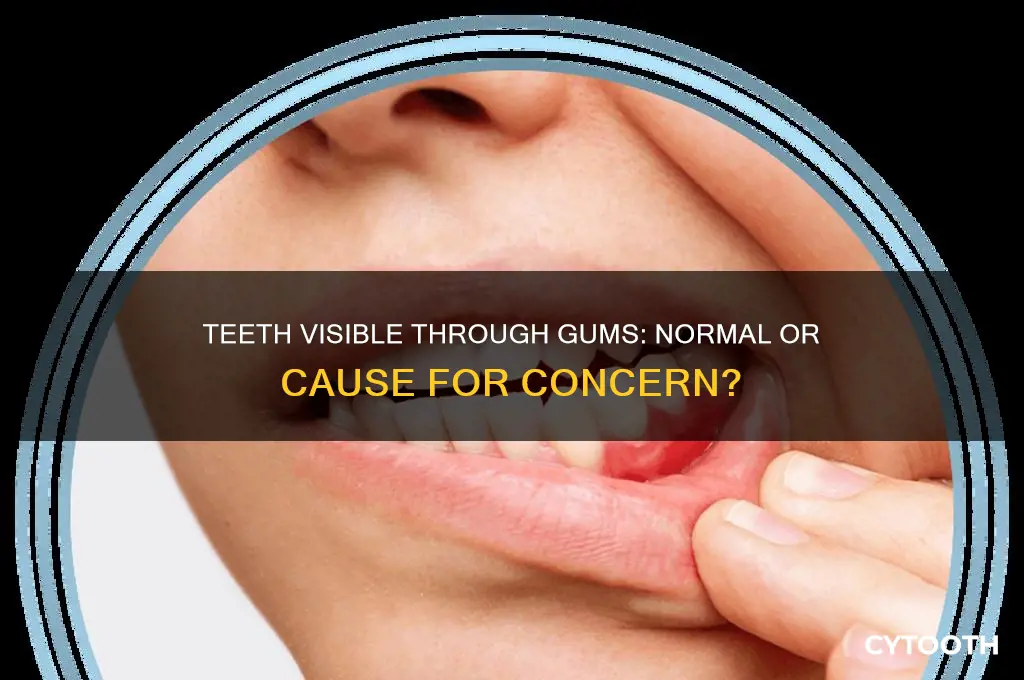
The visibility of teeth through gums can be a concerning issue for many individuals, prompting questions about its normalcy and potential implications for oral health. While it is common to see a slight exposure of teeth along the gum line, excessive visibility may indicate underlying problems such as gum recession, periodontal disease, or improper dental hygiene. Factors like aging, genetics, aggressive brushing, and misaligned teeth can contribute to this condition, making it essential to consult a dental professional for an accurate diagnosis and appropriate treatment. Understanding the causes and consequences of visible teeth through gums is crucial for maintaining optimal oral health and preventing further complications.
| Characteristics | Values |
|---|---|
| Normal Gum Coverage | Healthy gums typically cover the roots of the teeth, and it is not normal to see teeth through gums under regular circumstances. |
| Gum Recession | Seeing teeth through gums is often a sign of gum recession, which can be caused by periodontal disease, aggressive brushing, aging, or genetic factors. |
| Periodontal Disease | Gum disease (gingivitis or periodontitis) can lead to gum recession, making teeth appear longer and more visible through the gums. |
| Aging | As people age, gums may naturally recede, causing teeth to become more visible. |
| Brushing Technique | Using a hard-bristled toothbrush or brushing too aggressively can wear down gum tissue over time. |
| Genetics | Some individuals are genetically predisposed to thinner gum tissue, making recession more likely. |
| Orthodontic Treatment | Certain orthodontic procedures can sometimes cause gum recession if not properly managed. |
| Tobacco Use | Smoking or chewing tobacco can contribute to gum recession and periodontal disease. |
| Teeth Grinding (Bruxism) | Chronic teeth grinding can put excessive pressure on the gums and lead to recession. |
| Treatment Options | Treatments include deep cleaning (scaling and root planing), gum graft surgery, and improved oral hygiene practices. |
| Prevention | Regular dental check-ups, proper brushing techniques, and avoiding tobacco can help prevent gum recession. |
What You'll Learn
- Gum Recession Causes: Aging, brushing too hard, or periodontal disease can expose teeth roots
- Teeth Grinding Effects: Bruxism wears down gums, making teeth appear more visible over time
- Orthodontic Impacts: Braces or aligners may shift gums, temporarily revealing more tooth surface
- Genetic Factors: Thin gum tissue or family history can naturally show more teeth
- Oral Hygiene Importance: Poor care leads to gum inflammation, receding gums, and visible teeth roots

Gum Recession Causes: Aging, brushing too hard, or periodontal disease can expose teeth roots
Teeth roots peeking through gums aren’t just a cosmetic concern—they’re a red flag for gum recession, a condition where the gum tissue pulls away from the tooth, exposing the sensitive root surface. While it’s tempting to dismiss this as a normal part of aging, it’s often a symptom of underlying issues that demand attention. Aging does contribute to gum recession, as decades of wear and tear can thin the gum tissue, but it’s far from the only culprit. Brushing too hard, periodontal disease, and even genetic predisposition play significant roles. Understanding these causes is the first step in addressing the problem and preventing further damage.
Consider your brushing technique: are you scrubbing your teeth like you’re polishing a floor? Aggressive brushing, especially with a hard-bristled toothbrush, can erode enamel and wear away gums over time. Dentists recommend using a soft-bristled brush and applying gentle pressure—imagine you’re painting your teeth, not scrubbing a stain. The American Dental Association advises brushing for two minutes twice daily, but it’s the *how*, not just the duration, that matters. Switching to a manual or electric toothbrush with a pressure sensor can help curb overzealous brushing habits. If you notice receding gums, this simple adjustment could slow or even halt the progression.
Periodontal disease, a bacterial infection that damages the gums and bone supporting the teeth, is another leading cause of gum recession. Often silent in its early stages, it progresses to cause inflammation, bleeding gums, and eventual tissue loss. Poor oral hygiene, smoking, and diabetes are risk factors, but even those with impeccable brushing habits can fall victim. Regular dental check-ups are critical for early detection, as professional cleanings remove plaque and tartar buildup that brushing alone can’t tackle. If diagnosed with periodontal disease, treatments like scaling and root planing or antibiotic therapy can manage the condition and prevent further recession.
Aging may be inevitable, but its impact on gum health isn’t. As we age, gums naturally recede slightly, but significant exposure of tooth roots suggests accelerated wear. Dry mouth, common in older adults due to medication side effects or reduced saliva production, exacerbates the issue by depriving gums of moisture and protective enzymes. Staying hydrated, using sugar-free gum to stimulate saliva, and discussing dry mouth remedies with a dentist can mitigate these effects. While aging-related recession is harder to prevent, proactive oral care can minimize its severity and preserve gum health for longer.
Finally, genetics can stack the odds against you. Some individuals are predisposed to thinner gum tissue or weaker attachment between gums and teeth, making them more susceptible to recession regardless of oral hygiene. If family members have experienced similar issues, it’s crucial to communicate this to your dentist. They may recommend preventive measures like gum grafting or more frequent monitoring. While genetics can’t be changed, awareness and early intervention can make a significant difference in managing gum recession and maintaining oral health.
Effective Ways to Reduce Gum Swelling from Wisdom Teeth
You may want to see also
Teeth Grinding Effects: Bruxism wears down gums, making teeth appear more visible over time
Teeth grinding, or bruxism, is a silent culprit behind a surprising dental phenomenon: the gradual exposure of teeth through receding gums. While it’s normal to see a small portion of your teeth above the gumline, excessive visibility can signal underlying issues. Bruxism exerts constant pressure on the gums, accelerating tissue wear and bone loss. Over time, this mechanical stress weakens the gum’s attachment to the tooth, causing it to recede and reveal more of the tooth’s structure. This isn’t merely a cosmetic concern—it’s a red flag for potential oral health deterioration.
Consider the mechanics: when you grind your teeth, the force generated can be up to 250 pounds per square inch, far exceeding the pressure of normal chewing. This repeated trauma inflames the gums, disrupts blood flow, and compromises their ability to regenerate. For adults aged 30–60, who are most commonly affected by bruxism, this can lead to irreversible gum recession if left unaddressed. Night guards, custom-fitted by a dentist, are a practical solution to mitigate this damage. They act as a buffer, redistributing the force and protecting both gums and teeth during sleep.
The progression of gum recession due to bruxism often goes unnoticed until it’s advanced. Early signs include tooth sensitivity, especially to hot or cold, and a slight lengthening of the teeth’s appearance. If you notice these symptoms, consult a dentist promptly. They may recommend a combination of treatments, such as enamel-strengthening toothpaste, fluoride applications, or even gum grafting in severe cases. Addressing bruxism itself—through stress management, jaw exercises, or Botox injections to relax overactive muscles—is equally critical to halt further recession.
Comparing bruxism-induced recession to age-related gum changes highlights its severity. While natural recession typically progresses at a rate of 0.1mm per year, bruxism can accelerate this to 0.5mm or more annually. This disparity underscores the urgency of intervention. Unlike aging, which is inevitable, bruxism is manageable. By monitoring your oral health and adopting preventive measures, you can preserve your gumline and avoid the complications of exposed tooth roots, such as decay and infection.
In essence, while seeing teeth through gums can be normal to a degree, bruxism-related recession is a preventable issue with significant consequences. Recognizing the signs early, understanding the mechanics of damage, and taking proactive steps can safeguard your oral health. Don’t wait for pain or pronounced changes—act at the first hint of sensitivity or altered tooth appearance. Your gums are a vital barrier; protect them from the silent wear of bruxism.
Chewing Gum: A Sweet Habit for Dental Health or Harm?
You may want to see also
Orthodontic Impacts: Braces or aligners may shift gums, temporarily revealing more tooth surface
Orthodontic treatments like braces or aligners are designed to straighten teeth, but they can also influence the position of your gums. As teeth shift into their new alignment, the surrounding gum tissue may adjust accordingly, sometimes revealing more of the tooth surface. This phenomenon, while often temporary, can be a normal part of the orthodontic process. Patients might notice their gums appear to recede slightly, exposing areas of the teeth that were previously covered. Understanding this as a potential side effect can help alleviate concerns during treatment.
From an analytical perspective, the movement of gums during orthodontic treatment is a result of the pressure applied to teeth and the subsequent response of the periodontal tissues. Braces and aligners exert force not only on the teeth but also on the supporting structures, including the gums and bone. This pressure can cause the gums to remodel, temporarily pulling away from the tooth surface. While this may seem alarming, it is typically a reversible process, with gums often returning to their original position once the teeth have stabilized in their new alignment.
For those undergoing orthodontic treatment, monitoring gum changes is crucial. If you notice significant gum recession or sensitivity, consult your orthodontist promptly. They may recommend adjustments to your treatment plan or provide additional care, such as fluoride treatments or specialized oral hygiene routines. Maintaining excellent oral hygiene during this period is essential, as exposed tooth surfaces can be more susceptible to plaque buildup and decay. Use a soft-bristled toothbrush and floss carefully around braces or aligners to minimize irritation to the gums.
Comparing braces and aligners reveals differences in how they impact gums. Traditional braces, with their brackets and wires, can sometimes cause localized gum irritation or inflammation, particularly if oral hygiene is inadequate. Clear aligners, on the other hand, are less likely to irritate gums directly but may still lead to temporary gum shifting as teeth move. Both methods require diligent care and regular check-ins with your orthodontist to ensure gum health is maintained throughout treatment.
In conclusion, seeing more tooth surface through the gums during orthodontic treatment is a normal, often temporary occurrence. While it can be unsettling, understanding the underlying causes and taking proactive steps to care for your gums can help manage this aspect of the process. With proper guidance and maintenance, most patients find that their gums adapt well to the changes, ultimately contributing to a healthier, more aligned smile.
Coronavirus and Oral Health: Exploring Its Impact on Teeth and Gums
You may want to see also
Genetic Factors: Thin gum tissue or family history can naturally show more teeth
Thin gum tissue isn't a flaw—it's a genetic trait passed down through families, much like eye color or hair texture. If your parents or grandparents have gums that naturally reveal more tooth surface, there's a strong chance you inherited this characteristic. This isn't a cause for alarm; it's simply a variation in anatomy. However, understanding this genetic predisposition is crucial, as it can influence your oral health and aesthetic concerns. For instance, individuals with thin gums may be more prone to gum recession or sensitivity, making proactive dental care essential.
From a biological perspective, gum thickness is determined by the density of connective tissue and the underlying bone structure. Genetic factors dictate the development of these tissues, meaning some individuals are naturally predisposed to thinner gums. Studies have shown that certain genetic markers are associated with gum tissue phenotype, though research is still evolving. If you notice more tooth visibility due to thin gums, it’s not necessarily a sign of poor oral hygiene—it’s often just your genetic blueprint at work. However, this doesn’t negate the need for regular dental check-ups to monitor gum health.
For those with a family history of thin gums, preventive measures are key. Start by adopting a gentle oral care routine: use a soft-bristled toothbrush and avoid aggressive scrubbing, which can accelerate gum recession. Fluoride toothpaste can help reduce sensitivity, and antimicrobial mouthwash can prevent gum inflammation. If you’re over 30, consider incorporating a gum massage into your routine to stimulate blood flow and tissue health. For younger individuals, early orthodontic intervention can sometimes help manage tooth alignment issues that may exacerbate gum visibility.
Aesthetically, visible teeth through gums can be a concern for some, but it’s important to distinguish between natural variation and a genuine cosmetic issue. If the appearance bothers you, consult a periodontist or cosmetic dentist. Procedures like gum grafting can thicken the tissue, though this is typically reserved for cases where gum recession poses a health risk. For milder concerns, orthodontic treatments or veneers might offer a less invasive solution. Remember, the goal isn’t to alter your genetics but to enhance your comfort and confidence.
In summary, thin gum tissue due to genetic factors is a normal variation, not a defect. While it may require tailored oral care to prevent complications, it’s often simply a familial trait. By understanding your genetic predisposition and taking proactive steps, you can maintain healthy gums and address any aesthetic concerns effectively. Embrace your unique anatomy, but stay vigilant—genetics may set the stage, but your actions determine the outcome.
Teeth Grinding and Gum Recession: Uncovering the Surprising Connection
You may want to see also
Oral Hygiene Importance: Poor care leads to gum inflammation, receding gums, and visible teeth roots
Visible teeth roots are not a normal or healthy sight. This condition, often a result of receding gums, is a red flag indicating underlying oral health issues. Gum recession occurs when the gum tissue surrounding the teeth wears away, exposing the tooth's root. While some recession can be genetic, it is predominantly a consequence of poor oral hygiene practices. The primary culprit? Neglecting the importance of a consistent and thorough oral care routine.
The Inflammation-Recession Connection:
Gum inflammation, or gingivitis, is the body's response to bacterial buildup along the gum line. When plaque, a sticky film of bacteria, is not removed regularly, it hardens into tartar, irritating the gums. This irritation triggers an inflammatory response, causing the gums to become red, swollen, and prone to bleeding. If left untreated, gingivitis progresses to periodontitis, a more severe infection that damages the soft tissue and bone supporting the teeth. Over time, this chronic inflammation leads to gum recession, making teeth appear longer and roots more visible.
A Preventive Approach:
Preventing gum recession and its associated issues is largely within your control. Here's a step-by-step guide to maintaining optimal oral health:
- Brush Twice Daily: Use a soft-bristled toothbrush and fluoride toothpaste. Brush for at least 2 minutes, ensuring you cover all surfaces of the teeth and along the gum line.
- Floss Daily: Flossing removes plaque and food particles from between the teeth, where a toothbrush can't reach. It's essential for preventing gum disease.
- Antiseptic Mouthwash: Incorporate a mouthwash with antibacterial properties into your routine. This can help reduce plaque and gingivitis, especially in hard-to-reach areas.
- Regular Dental Check-ups: Visit your dentist every six months for professional cleaning and examination. They can detect early signs of gum disease and provide deep cleaning to remove tartar buildup.
The Impact of Neglect:
Poor oral hygiene doesn't just lead to unsightly teeth roots; it has far-reaching consequences. Exposed roots can cause sensitivity to hot, cold, or sweet foods and drinks, making eating a painful experience. Furthermore, the progression of gum disease can result in tooth mobility and eventual tooth loss. Research suggests that severe gum disease may also be linked to systemic health issues, including an increased risk of heart disease, diabetes, and respiratory problems.
In summary, seeing teeth roots due to receding gums is a clear indication of oral health neglect. By understanding the link between poor hygiene, gum inflammation, and recession, individuals can take proactive measures to prevent these issues. A dedicated oral care routine, combined with professional dental care, is essential to maintaining healthy gums and preserving your smile. Remember, oral health is a vital component of overall well-being, and its importance should not be underestimated.
Teeth Clenching and Gum Recession: Uncovering the Hidden Connection
You may want to see also
Frequently asked questions
Yes, it is normal to see teeth through gums, especially in areas where the gums are naturally thinner, such as between teeth or around the front teeth. However, if the gums appear excessively receded or inflamed, it may indicate an underlying issue like gum disease or aggressive brushing.
Teeth becoming visible through gums can be caused by gum recession, which may result from poor oral hygiene, gum disease, aggressive brushing, hormonal changes, or genetic factors. It can also occur naturally with age or due to misaligned teeth.
If you notice sudden or significant visibility of teeth through gums, it’s worth consulting a dentist. While mild visibility may be normal, pronounced recession or sensitivity could signal gum disease, enamel erosion, or other oral health issues that require attention.