Matthew Grant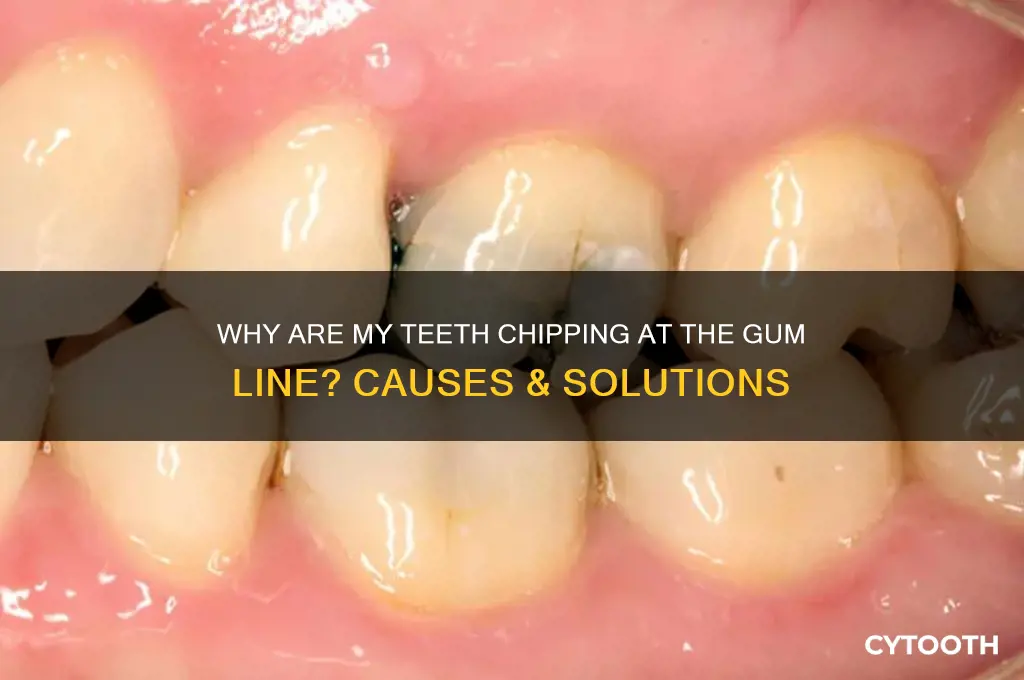
Teeth chipping at the gum line can be a concerning issue, often stemming from a combination of factors such as enamel erosion, gum recession, and habitual behaviors like teeth grinding or clenching. Enamel, the protective outer layer of teeth, can weaken over time due to acid exposure from foods, drinks, or acid reflux, making teeth more susceptible to chipping. Gum recession, which exposes the softer dentin beneath the enamel, further increases vulnerability. Additionally, bruxism (teeth grinding) or improper biting habits can exert excessive pressure on the teeth, leading to fractures near the gum line. Addressing this issue requires identifying the underlying cause, whether it’s improving oral hygiene, using a mouthguard, or seeking professional dental treatment to prevent further damage and restore dental health.
| Characteristics | Values |
|---|---|
| Cause | Tooth decay, bruxism (teeth grinding), weak enamel, trauma, or aging. |
| Location | Gum line or cervical area of the tooth. |
| Symptoms | Visible chipping, sensitivity, rough edges, or pain while chewing. |
| Risk Factors | Poor oral hygiene, acidic diet, dry mouth, genetic predisposition. |
| Prevention | Regular dental check-ups, using a mouthguard, avoiding hard foods. |
| Treatment | Dental bonding, crowns, veneers, or root canal if necessary. |
| Complications | Increased risk of cavities, infection, or further tooth damage. |
| Common Age Group | Adults, especially those with long-term bruxism or poor dental care. |
| Associated Conditions | Gum recession, periodontal disease, or enamel erosion. |
| Diagnostic Tools | Dental X-rays, visual examination, or sensitivity tests. |
What You'll Learn

Enamel erosion causes
Teeth chipping at the gum line often signals enamel erosion, a process where the protective outer layer of your teeth wears away. This vulnerability exposes the softer dentin beneath, making your teeth more prone to fractures and chips. Understanding the causes of enamel erosion is crucial to preventing further damage and maintaining oral health.
Acid Attacks: The Silent Culprits
One of the primary drivers of enamel erosion is frequent exposure to acids. Consuming acidic foods and beverages like citrus fruits, soda, energy drinks, and wine can weaken enamel over time. Even healthy choices like lemon water or vinegar-based dressings can contribute if consumed excessively. For instance, drinking soda daily or sipping acidic beverages throughout the day prolongs acid contact with teeth, accelerating erosion. To mitigate this, limit acidic intake, use a straw to bypass teeth, and rinse your mouth with water after consumption. Waiting at least 30 minutes before brushing allows enamel to reharden, reducing the risk of abrasion.
Bruxism: The Nighttime Threat
Teeth grinding or clenching, known as bruxism, exacerbates enamel erosion, especially at the gum line. This habit, often unconscious and more common during sleep, places excessive pressure on teeth, making them more susceptible to chipping. Stress, misaligned teeth, and sleep disorders like sleep apnea are common triggers. If you wake up with jaw soreness or headaches, bruxism might be the culprit. Custom-fitted night guards, available through your dentist, can protect your teeth while addressing underlying causes like stress management or orthodontic treatment.
Poor Oral Hygiene: A Preventable Risk
Inadequate oral care allows plaque and bacteria to thrive, producing acids that attack enamel. Skipping flossing or brushing too aggressively can also wear down enamel near the gum line. For optimal protection, brush twice daily with a fluoride toothpaste and a soft-bristled brush, using gentle circular motions. Floss daily to remove plaque between teeth, and consider adding a fluoride mouthwash to strengthen enamel. Regular dental check-ups every six months ensure early detection and intervention.
Environmental and Lifestyle Factors
Certain habits and conditions can indirectly contribute to enamel erosion. For example, frequent vomiting, whether from medical conditions like acid reflux or eating disorders, exposes teeth to stomach acids. Environmental factors like low saliva production, often due to medications or aging, reduce the mouth’s natural acid-neutralizing ability. If you’re at risk, chew sugar-free gum to stimulate saliva flow, stay hydrated, and discuss saliva substitutes with your dentist. Avoiding tobacco products is also essential, as they weaken enamel and gums.
By addressing these specific causes of enamel erosion, you can protect your teeth from chipping at the gum line and preserve your smile for years to come. Small changes in diet, habits, and oral care routines can make a significant difference in preventing further damage.
Mint Gum and Dental Health: Benefits or Just Fresh Breath?
You may want to see also
Bruxism and grinding effects
Teeth chipping at the gum line often signals a deeper issue, and one of the most common culprits is bruxism—the habitual grinding or clenching of teeth. This involuntary action exerts immense pressure on the teeth, particularly where they meet the gums, leading to fractures, wear, and eventual chipping. Unlike occasional clenching during stress, bruxism is chronic, often occurring during sleep, making it a silent but destructive force on dental health.
To understand the mechanics, consider that the average bite exerts 20 to 40 pounds of pressure, but grinding can amplify this to 250 pounds or more. Over time, this force weakens the enamel, especially at the gum line, where teeth are more vulnerable due to thinner enamel and potential gum recession. For adults aged 25 to 44, bruxism is a leading cause of tooth damage, often exacerbated by stress, misaligned teeth, or sleep disorders like sleep apnea.
Addressing bruxism requires a multi-pronged approach. First, a custom-fitted night guard, prescribed by a dentist, can act as a protective barrier between teeth, reducing the impact of grinding. These guards are particularly effective for nighttime bruxism, which affects 8% of adults. Second, stress management techniques—such as mindfulness, yoga, or cognitive-behavioral therapy—can mitigate the root cause of clenching. For severe cases, Botox injections into the jaw muscles have shown promise in reducing grinding force by temporarily paralyzing overactive muscles.
However, prevention is equally critical. Regular dental check-ups can catch early signs of bruxism, such as flattened teeth or increased tooth sensitivity. Avoiding stimulants like caffeine and alcohol before bed can also lessen grinding episodes. For children, who often outgrow bruxism, monitoring habits and ensuring proper dental alignment can prevent long-term damage. Ignoring these signs can lead to irreversible harm, including tooth loss and TMJ disorders, making early intervention essential.
In summary, bruxism’s grinding effects are a significant contributor to teeth chipping at the gum line, driven by excessive force and vulnerability in this area. By combining protective measures, stress reduction, and proactive dental care, individuals can halt the progression of damage and preserve their dental health. Recognizing the signs early and taking action is key to avoiding the costly and painful consequences of unchecked bruxism.
Aloe Vera for Oral Health: Natural Remedies for Teeth and Gums
You may want to see also
Poor oral hygiene impact
Teeth chipping at the gum line often signals deeper issues, and poor oral hygiene is a prime culprit. When plaque and tartar accumulate along the gum line, they create an acidic environment that erodes enamel, weakening the tooth structure. This erosion, known as dental caries or tooth decay, compromises the integrity of the tooth, making it more susceptible to chipping, especially in areas where the enamel is already thin. The gum line, being a vulnerable zone, is particularly prone to this damage.
Consider the daily habits that contribute to this problem. Inadequate brushing, especially along the gum line, allows bacteria to thrive. Flossing is equally critical, as it removes debris and plaque from between teeth where a toothbrush can’t reach. Skipping these steps or performing them haphazardly accelerates enamel wear and gum recession, exposing the tooth’s root. Unlike enamel, the root is covered by cementum, a softer substance that chips more easily. For adults over 30, this is especially concerning, as gum recession becomes more common with age, increasing the risk of chipping at the gum line.
The impact of poor oral hygiene extends beyond surface-level damage. Chronic inflammation caused by plaque buildup leads to gingivitis, the early stage of gum disease. Left untreated, it progresses to periodontitis, where the gums pull away from the teeth, forming pockets that harbor infection. This process weakens the bone supporting the teeth, making them unstable and prone to fractures. Even minor pressure, like biting into a hard food, can cause a chip in a tooth already compromised by periodontal damage.
Preventing this issue requires a proactive approach. Brush twice daily with a fluoride toothpaste, ensuring you angle the bristles toward the gum line to disrupt plaque buildup. Floss daily, and consider using an antimicrobial mouthwash to reduce bacterial growth. For those with existing gum recession or sensitivity, a soft-bristled toothbrush and desensitizing toothpaste can minimize further damage. Regular dental check-ups every six months are essential, as professionals can detect early signs of decay or gum disease and intervene before chipping occurs.
In summary, poor oral hygiene creates a cascade of effects that directly contribute to teeth chipping at the gum line. From enamel erosion to gum disease, the consequences are both preventable and treatable with consistent care. By adopting a thorough oral hygiene routine and seeking professional guidance, you can protect your teeth from this common yet avoidable issue.
Teeth Grinding and Gum Recession: Uncovering the Surprising Connection
You may want to see also
Acidic diet damage risks
Teeth chipping at the gum line often signals enamel erosion, a silent culprit being your diet. Acidic foods and drinks—think citrus fruits, sodas, vinegar-based dressings, and energy drinks—soften enamel over time, making teeth more prone to fractures. Even healthy choices like kombucha or excessive fruit juice can contribute if consumed frequently. Unlike abrasion from hard foods, acid damage weakens teeth internally, leading to cracks or chips near the gums where enamel is naturally thinner.
Consider this: a pH level below 5.5 starts demineralizing tooth enamel. Common culprits like lemon juice (pH 2.0), soda (pH 2.5), and sports drinks (pH 3.0) fall far below this threshold. Brushing immediately after consuming acidic foods worsens the issue by scrubbing softened enamel. Instead, rinse with water and wait at least 30 minutes before brushing. For those aged 30–50, whose enamel naturally thins with age, this habit becomes even more critical to prevent gum-line chipping.
Not all acids are created equal. While dietary acids like citric and phosphoric acid erode enamel, systemic acids from conditions like acid reflux or bulimia cause more uniform damage. If you experience frequent heartburn or stomach issues, consult a doctor—chronic acid exposure from within can lead to severe enamel loss and chipping. A simple fix? Chew sugar-free gum to stimulate saliva, which neutralizes acids and remineralizes teeth.
To mitigate risks, track your daily acid intake. Limit acidic beverages to mealtimes, use a straw to bypass teeth, and dilute juices with water. Incorporate calcium-rich foods like dairy or leafy greens to strengthen enamel. For those with a sweet tooth, dark chocolate (70%+ cocoa) is a lower-acid alternative to fruity desserts. Remember, moderation and mindful habits can preserve your enamel and prevent those unsightly gum-line chips.
Teeth Visible Through Gums: Normal or Cause for Concern?
You may want to see also
Gum recession complications
Teeth chipping at the gum line often signals advanced gum recession, a condition where the gum tissue pulls away from the tooth, exposing the root. This exposure weakens the tooth structure, making it more susceptible to fractures or chips. Unlike enamel, tooth roots are covered in cementum, a softer, more brittle material that offers less protection against mechanical stress or decay. Even routine activities like chewing hard foods or grinding teeth can exacerbate the damage once recession occurs.
One of the most overlooked complications of gum recession is increased tooth sensitivity. As roots become exposed, they lose the insulating barrier provided by gums and enamel. This leads to sharp pain when consuming hot, cold, or sweet substances. Over time, the constant irritation can discourage proper oral hygiene, creating a vicious cycle where neglected cleaning accelerates gum recession and decay. For individuals over 40, this sensitivity often intensifies due to natural enamel thinning and reduced saliva production.
Another critical complication is the heightened risk of cavities along the gum line. Root surfaces lack the protective minerals found in enamel, making them more vulnerable to acid erosion from bacteria. Fluoride toothpaste can help remineralize exposed roots, but its effectiveness diminishes without consistent use. Dentists may recommend prescription-strength fluoride treatments or antimicrobial mouthwashes to combat this risk. Ignoring these measures can lead to deep, difficult-to-treat cavities that compromise the tooth’s structural integrity.
Gum recession also destabilizes teeth by exposing the periodontal ligament, which anchors teeth to the jawbone. As gums recede, this ligament becomes less secure, increasing the likelihood of tooth mobility or even loss. Orthodontic patients or those with misaligned bites are particularly at risk, as uneven pressure distribution accelerates recession and weakens the tooth’s foundation. Night guards or bite adjustments can mitigate this, but early intervention is crucial to prevent irreversible damage.
Finally, aesthetic concerns should not be underestimated. Receding gums create a longer, uneven tooth appearance often described as a “toothy” smile. While cosmetic procedures like gum grafting can restore gum tissue, they do not address the underlying cause. Poor oral hygiene, aggressive brushing, or untreated periodontal disease are common culprits. Switching to a soft-bristled toothbrush, using a low-abrasion toothpaste, and adopting a gentle brushing technique can slow recession and preserve both function and appearance.
Castor Oil Benefits: Natural Remedies for Healthy Teeth and Gums
You may want to see also
Frequently asked questions
Teeth chipping at the gum line can occur due to several factors, including enamel erosion, gum recession, bruxism (teeth grinding), or improper bite alignment. Weakened enamel or exposed dentin near the gum line makes teeth more susceptible to chipping.
Yes, gum disease (periodontal disease) can lead to gum recession, exposing the weaker root structure of the tooth. This exposed area is more prone to chipping or fracturing due to reduced protection from enamel.
Yes, bruxism (teeth grinding or clenching) exerts excessive force on teeth, especially near the gum line, which can cause them to chip or fracture over time. Wearing a night guard can help prevent this.
To prevent chipping, maintain good oral hygiene to avoid gum disease, address bruxism with a mouthguard, avoid hard or chewy foods, and visit your dentist regularly for check-ups and early intervention.