Hailey Morgan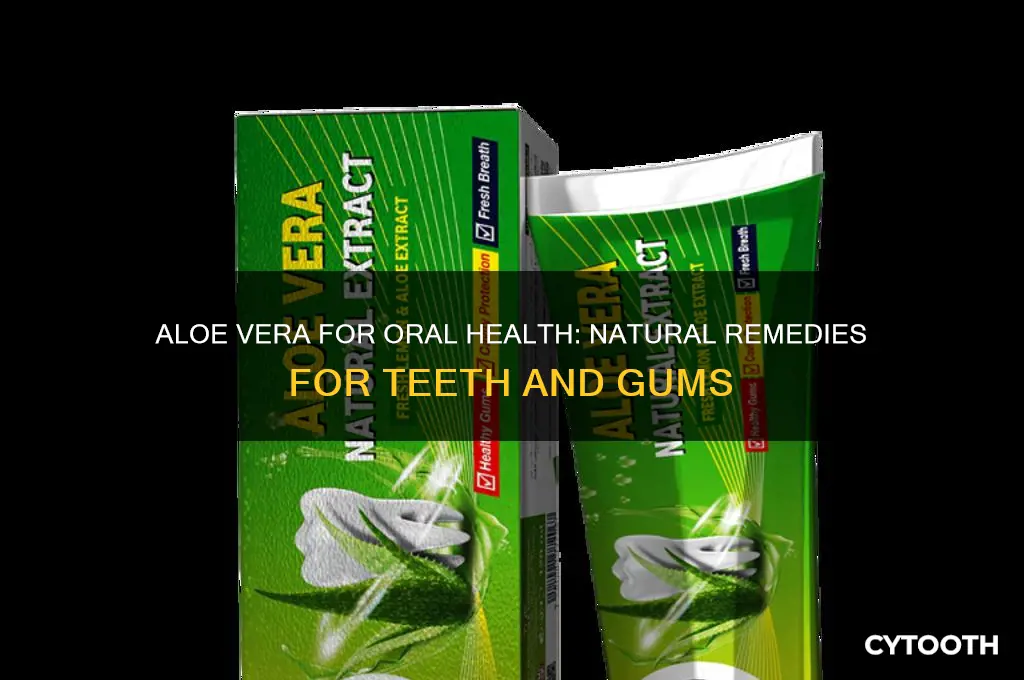
Aloe vera, a versatile plant known for its healing properties, can also be a natural remedy for maintaining oral health. Rich in antioxidants, vitamins, and minerals, aloe vera possesses anti-inflammatory and antimicrobial qualities that make it beneficial for teeth and gums. Its gel can help reduce gum inflammation, combat plaque buildup, and alleviate symptoms of gingivitis. Additionally, aloe vera’s soothing properties can provide relief from toothaches and promote overall gum health. Incorporating aloe vera into your oral care routine, whether through gels, mouthwashes, or toothpaste, can complement traditional dental hygiene practices and support a healthier smile.
| Characteristics | Values |
|---|---|
| Anti-inflammatory Properties | Reduces gum inflammation and soothes irritated tissues. |
| Antimicrobial Action | Fights harmful bacteria causing plaque, gingivitis, and cavities. |
| Healing Properties | Promotes gum tissue repair and reduces oral wounds or ulcers. |
| Application Methods | Aloe vera gel, mouthwash, toothpaste, or direct application to gums. |
| Frequency of Use | 1-2 times daily for oral care; consult a dentist for specific conditions. |
| Precautions | Avoid ingesting large amounts; use pure, food-grade aloe vera gel. |
| Benefits for Teeth | Helps reduce plaque buildup and supports enamel health. |
| Benefits for Gums | Alleviates gum disease symptoms like bleeding, swelling, and pain. |
| Natural Alternative | A chemical-free option compared to traditional oral care products. |
| Side Effects | Rare, but possible allergic reactions or mild irritation in some users. |
| Scientific Backing | Studies support its effectiveness in reducing gingivitis and oral bacteria. |
| Combination with Other Ingredients | Often mixed with coconut oil, tea tree oil, or baking soda for enhanced benefits. |
What You'll Learn

Aloe vera gel for gum inflammation reduction
Gum inflammation, often a precursor to more serious oral health issues like gingivitis, can be soothed with the natural properties of aloe vera gel. This plant-based remedy has been used for centuries to reduce swelling and promote healing, thanks to its anti-inflammatory and antimicrobial compounds. For those experiencing tender or swollen gums, applying a small amount of pure aloe vera gel directly to the affected area can provide immediate relief. Use a clean finger or a cotton swab to gently massage the gel along the gum line, ensuring it reaches the inflamed spots. Leave it on for 5–10 minutes before rinsing with warm water. Repeat this process twice daily for best results.
While aloe vera gel is generally safe for topical use, it’s essential to choose a high-quality, food-grade product free from additives or preservatives. Some commercial gels may contain alcohol or artificial ingredients that could irritate sensitive gums further. For a DIY approach, extract fresh gel from an aloe leaf by slicing it open and scooping out the clear, viscous substance. This ensures purity and maximizes the concentration of beneficial compounds like aloin and anthraquinones, which combat inflammation and infection. Always perform a patch test on a small area of skin to rule out any allergic reactions before applying it to your gums.
Comparing aloe vera gel to traditional remedies like saltwater rinses or over-the-counter gels, its natural composition offers a gentler yet effective alternative. Unlike harsh chemicals that may disrupt oral flora, aloe vera supports a healthy balance of bacteria while targeting inflammation. Studies suggest its efficacy in reducing gum redness and bleeding, particularly in cases of mild to moderate gingivitis. However, it’s not a substitute for professional dental care. Persistent or severe symptoms warrant a visit to a dentist to address underlying issues like periodontal disease.
For optimal results, combine aloe vera gel application with good oral hygiene practices. Brush twice daily with a soft-bristled toothbrush, floss regularly, and avoid sugary or acidic foods that exacerbate inflammation. Incorporating aloe vera into your routine can be particularly beneficial for adults over 30, who are more prone to gum issues due to age-related wear and tear. Pregnant women or individuals with specific health conditions should consult a healthcare provider before using aloe vera internally or extensively, as its systemic effects are less studied. With consistent use, aloe vera gel can be a simple, natural way to maintain gum health and prevent inflammation from escalating.
Safeguard Your Gums: Effective Tips for At-Home Teeth Whitening
You may want to see also
Natural mouthwash with aloe vera for oral hygiene
Aloe vera, with its natural antibacterial and anti-inflammatory properties, offers a compelling alternative to commercial mouthwashes often laden with alcohol and artificial ingredients. Its efficacy in promoting oral health stems from its ability to reduce plaque, soothe gum inflammation, and combat harmful bacteria. A homemade aloe vera mouthwash can be a gentle yet effective addition to your oral care routine, particularly for those seeking natural remedies.
To create your own aloe vera mouthwash, start by extracting fresh gel from an aloe leaf. Blend 2 tablespoons of this gel with 1 cup of distilled water and a few drops of food-grade peppermint or tea tree essential oil for added antimicrobial benefits. Strain the mixture to ensure a smooth consistency, then store it in a glass bottle in the refrigerator. Use 2-3 tablespoons of this solution as you would a traditional mouthwash, swishing it around your mouth for 30 seconds before spitting it out. This regimen can be followed twice daily, ideally after brushing.
While aloe vera is generally safe for most age groups, it’s essential to exercise caution. Children under 12 should avoid swallowing the mouthwash due to the risk of diarrhea from aloe latex. Pregnant or nursing women should consult a healthcare provider before use. Additionally, individuals with allergies to plants in the Liliaceae family should test a small amount on their skin before incorporating it into their oral care routine.
Comparatively, aloe vera mouthwash stands out for its dual action: it not only freshens breath but also addresses underlying oral health issues like gingivitis and periodontal disease. Unlike alcohol-based mouthwashes, which can dry out oral tissues, aloe vera’s hydrating properties make it suitable for daily use. Its natural composition also minimizes the risk of chemical irritation, making it an ideal choice for those with sensitive gums or a preference for organic products.
Incorporating aloe vera mouthwash into your oral hygiene routine is a simple yet impactful way to harness nature’s healing properties. By combining its anti-inflammatory and antimicrobial benefits with proper brushing and flossing, you can achieve a healthier, more balanced oral environment. Whether you’re looking to reduce gum sensitivity or simply prefer a chemical-free alternative, this natural mouthwash offers a refreshing and effective solution.
Effective Ways to Reduce Gum Swelling from Wisdom Teeth
You may want to see also
Aloe vera toothpaste benefits for teeth whitening
Aloe vera, a succulent known for its healing properties, has gained traction in oral care, particularly for its teeth-whitening potential. Its natural compounds, such as anthraquinones and enzymes, break down plaque and surface stains, offering a gentler alternative to harsh chemical whiteners. Unlike traditional whitening agents that can erode enamel, aloe vera’s anti-inflammatory and antimicrobial properties soothe gums while brightening teeth, making it a dual-action solution for oral health.
To harness aloe vera’s whitening benefits, start by extracting fresh gel from an aloe leaf. Mix 2 tablespoons of this gel with 1 teaspoon of baking soda, which acts as a mild abrasive to scrub away stains. Apply this paste to your teeth using a soft-bristled toothbrush, brushing gently for 2 minutes. Rinse thoroughly with water, and repeat this process 2–3 times per week. For a simpler approach, add a few drops of aloe vera juice to your regular toothpaste before brushing. Avoid daily use, as excessive baking soda can wear down enamel over time.
While aloe vera toothpaste is effective for surface stains caused by coffee, tea, or smoking, it may not yield dramatic results for deep discoloration. For best outcomes, combine its use with a balanced diet low in staining foods and regular dental check-ups. Pregnant women and children under 12 should consult a dentist before incorporating aloe vera into their oral care routine, as its safety in these groups is not fully established.
Comparatively, aloe vera toothpaste stands out for its holistic approach to oral health. Unlike commercial whiteners that often contain peroxide, which can cause sensitivity, aloe vera’s natural composition minimizes irritation. Its ability to reduce gum inflammation and fight bacteria also addresses underlying issues that contribute to tooth discoloration, providing long-term benefits beyond mere aesthetics. For those seeking a natural, multi-purpose solution, aloe vera toothpaste is a compelling choice.
Teeth Clenching and Gum Recession: Uncovering the Hidden Connection
You may want to see also
Healing gum disease with aloe vera extracts
Aloe vera, a succulent plant renowned for its healing properties, has been a staple in traditional medicine for centuries. Its extracts, rich in antioxidants, vitamins, and minerals, offer a natural remedy for various ailments, including gum disease. Gum disease, or periodontal disease, affects millions worldwide, leading to symptoms like inflammation, bleeding gums, and tooth loss. Aloe vera’s anti-inflammatory and antimicrobial properties make it a promising alternative or complementary treatment for this condition.
To harness aloe vera’s benefits for gum disease, start by selecting high-quality, pure aloe vera gel or juice. Commercially available products often contain additives, so opt for organic or freshly extracted gel from the plant itself. For oral use, dilute 1 tablespoon of aloe vera juice in ½ cup of water to create a mouthwash. Swish this solution in your mouth for 30 seconds to 1 minute, twice daily, focusing on affected areas. Alternatively, apply a small amount of pure aloe gel directly to the gums using a clean finger or cotton swab, leaving it on for 5–10 minutes before rinsing.
While aloe vera is generally safe, caution is advised for certain groups. Pregnant or nursing women, individuals with allergies to plants in the Liliaceae family, and those taking medications like diabetes drugs should consult a healthcare provider before use. Overuse of undiluted aloe vera can cause mouth irritation or digestive issues, so moderation is key. For best results, combine aloe vera treatments with proper oral hygiene practices, such as regular brushing, flossing, and dental check-ups.
Comparing aloe vera to conventional treatments like chlorhexidine mouthwash, studies suggest aloe vera is equally effective in reducing gum inflammation and plaque buildup, with fewer side effects. Its natural composition makes it a gentler option for long-term use. However, severe cases of gum disease may still require professional intervention, such as deep cleaning or surgery. Aloe vera should be viewed as a supportive therapy rather than a standalone cure.
Incorporating aloe vera into your oral care routine is simple and cost-effective. For those growing aloe plants at home, extract gel from mature leaves by slicing them open and scooping out the inner substance. Store homemade gel in the refrigerator for up to 2 weeks. Consistency is crucial; regular use over 4–6 weeks is typically needed to see noticeable improvements in gum health. Pairing aloe vera treatments with a balanced diet rich in vitamin C and omega-3 fatty acids can further enhance healing, as these nutrients support gum tissue repair.
By leveraging aloe vera’s natural healing properties, individuals can take proactive steps toward managing gum disease. While it’s not a miracle cure, its accessibility, affordability, and minimal side effects make it a valuable addition to oral care regimens. Always monitor your progress and consult a dentist if symptoms persist or worsen, ensuring a holistic approach to gum health.
Prevent Gum Overgrowth: Effective Tips to Save Your Teeth
You may want to see also
Aloe vera oil pulling for oral health
Aloe vera, a succulent known for its healing properties, has been used for centuries to promote skin and digestive health. However, its benefits extend to oral care, particularly through a practice called oil pulling. This ancient technique, traditionally done with coconut or sesame oil, can be enhanced by incorporating aloe vera for improved teeth and gum health. By swishing a mixture of aloe vera gel and oil in your mouth, you can harness its antimicrobial and anti-inflammatory properties to reduce plaque, soothe gum inflammation, and freshen breath.
To perform aloe vera oil pulling, start by mixing 1 tablespoon of pure aloe vera gel with 1 tablespoon of a carrier oil like coconut or olive oil. The gel should be as natural as possible, free from additives or sugars, to avoid harming your teeth. Swish this mixture in your mouth for 10–15 minutes, allowing it to reach all areas, including between teeth and along the gum line. Spit it out afterward, rinse your mouth with warm water, and brush your teeth as usual. This practice is most effective when done on an empty stomach, ideally in the morning, and can be repeated 2–3 times per week for optimal results.
While aloe vera oil pulling is generally safe, it’s important to exercise caution. Avoid swallowing the mixture, as it may contain bacteria and toxins drawn from your mouth. Additionally, aloe vera can have a mild laxative effect if ingested in large amounts, so ensure you’re using a small, controlled quantity. Pregnant or nursing women, as well as individuals with allergies to aloe or latex, should consult a healthcare provider before trying this method. Children under 12 should not practice oil pulling due to the risk of choking.
Comparatively, aloe vera oil pulling stands out from traditional oil pulling due to its added anti-inflammatory benefits, making it particularly effective for those with gingivitis or sensitive gums. Unlike commercial mouthwashes, which often contain alcohol and artificial ingredients, this natural approach is gentle yet powerful. However, it’s not a replacement for regular brushing and flossing but rather a complementary practice to enhance overall oral hygiene. For best results, combine it with a balanced diet low in sugar and regular dental check-ups.
Incorporating aloe vera oil pulling into your oral care routine can yield noticeable improvements in gum health, plaque reduction, and overall freshness. Its simplicity and natural ingredients make it accessible to most individuals seeking a holistic approach to dental care. By dedicating just 15 minutes a few times a week, you can tap into the ancient wisdom of aloe vera and oil pulling, fostering a healthier smile and stronger gums.
Can Receding Gums Regrow? Debunking Myths and Exploring Solutions
You may want to see also
Frequently asked questions
Yes, aloe vera can help treat gum disease due to its anti-inflammatory and antimicrobial properties. Applying aloe vera gel directly to the gums or using aloe vera-based mouthwash may reduce inflammation and fight bacteria causing gingivitis or periodontitis.
For best results, use aloe vera 1-2 times daily. You can apply aloe vera gel to your gums after brushing or rinse with aloe vera mouthwash. Consistency is key, but avoid overuse to prevent potential irritation.
While aloe vera isn’t a traditional teeth whitener, its antibacterial properties can help reduce plaque and stains over time. For noticeable whitening, combine aloe vera with baking soda or use it alongside professional whitening methods.
Ingesting small amounts of pure aloe vera gel is generally safe and can promote oral health from within. However, avoid consuming large quantities or aloe latex, as it can cause digestive issues. Always consult a healthcare provider if unsure.