Olivia Bennett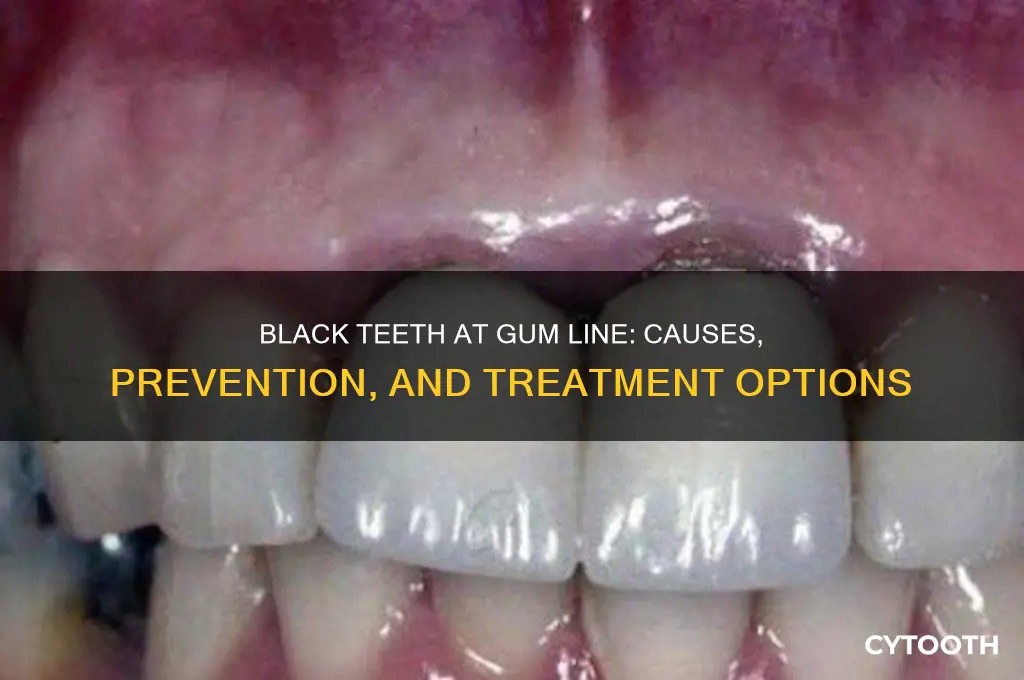
Black discoloration at the gum line can be concerning and may stem from several factors, including poor oral hygiene, tartar buildup, or the consumption of staining foods and beverages like coffee, tea, or red wine. In some cases, it could indicate decay, gum disease, or even a reaction to certain medications. Additionally, genetic factors or the use of tobacco products can contribute to this discoloration. It’s essential to consult a dentist to determine the underlying cause and receive appropriate treatment, as untreated issues may lead to more serious oral health problems.
| Characteristics | Values |
|---|---|
| Cause | Black teeth at the gum line can be due to several factors including tartar buildup, decay, gum disease, or staining from food/drinks. |
| Tartar Buildup | Hardened plaque (calculus) that accumulates at the gum line, often appears yellow or brown but can darken over time. |
| Tooth Decay | Cavities near the gum line can cause discoloration, appearing black or dark brown. |
| Gum Disease | Gingivitis or periodontitis can lead to receding gums, exposing darker root surfaces or causing pockets where debris accumulates. |
| Staining | Consumption of dark-colored foods/drinks (e.g., coffee, tea, red wine) or tobacco use can stain teeth, especially at the gum line. |
| Medications | Certain medications (e.g., tetracycline) or iron supplements can cause intrinsic discoloration, appearing gray or black. |
| Trauma | Injury to the tooth can cause internal bleeding, leading to a dark appearance at the gum line. |
| Fluorosis | Excessive fluoride exposure during tooth development can cause mottled or blackened teeth, including at the gum line. |
| Aging | Natural wear and tear or thinning enamel can expose the darker dentin layer, making teeth appear darker near the gums. |
| Poor Oral Hygiene | Inadequate brushing/flossing allows plaque and stains to accumulate, leading to discoloration at the gum line. |
| Treatment | Professional cleaning, dental fillings, scaling and root planing, or cosmetic procedures (e.g., whitening, veneers) depending on the cause. |
What You'll Learn
- Poor oral hygiene habits leading to plaque buildup and gum discoloration over time
- Tartar accumulation causing black stains near gums due to hardened plaque
- Certain foods and drinks staining teeth at the gum line persistently
- Gum disease (gingivitis) darkening gums and tooth surfaces near the gum line
- Medications or tobacco use contributing to black discoloration along the gum line

Poor oral hygiene habits leading to plaque buildup and gum discoloration over time
Black discoloration at the gum line often signals a buildup of plaque and tartar, the direct result of poor oral hygiene habits over time. Plaque, a sticky film of bacteria, forms on teeth within hours of eating or drinking. When not removed through regular brushing and flossing, it hardens into tartar, a substance that can only be removed by a dental professional. This tartar buildup irritates the gums, leading to inflammation and, eventually, a darkening effect at the gum line. The discoloration is not merely cosmetic; it’s a warning sign of underlying oral health issues that demand attention.
Consider the daily habits that contribute to this problem. Inadequate brushing, especially along the gum line, allows plaque to accumulate unchecked. Flossing is equally critical, as it removes debris and bacteria from areas a toothbrush can’t reach. Skipping either step creates an environment where bacteria thrive, producing acids that erode enamel and stain gums. Over time, this neglect transforms into a visible problem, with black or dark brown patches appearing where gums meet teeth. It’s a gradual process, often unnoticed until the discoloration becomes pronounced.
To combat this issue, adopt a rigorous oral care routine. Brush twice daily with a fluoride toothpaste, ensuring you angle the bristles toward the gum line to disrupt plaque formation. Floss daily, using a gentle sawing motion to avoid damaging gums. Incorporate an antimicrobial mouthwash to reduce bacterial growth, but avoid over-reliance on it as a substitute for brushing or flossing. For those with existing tartar buildup, professional dental cleanings every six months are essential to remove hardened deposits and prevent further discoloration.
A comparative analysis reveals that individuals who maintain consistent oral hygiene habits rarely experience gum line discoloration. Conversely, those who neglect these practices often face not only aesthetic concerns but also increased risks of gum disease and tooth decay. The takeaway is clear: prevention is far easier than correction. By dedicating just a few minutes each day to proper oral care, you can avoid the unsightly and potentially harmful effects of plaque buildup and gum discoloration.
Zyns and Oral Health: Debunking Myths About Teeth and Gums
You may want to see also
Tartar accumulation causing black stains near gums due to hardened plaque
Black stains at the gum line often signal tartar buildup, a hardened form of plaque that forms when dental plaque isn’t removed effectively. Unlike plaque, which is soft and can be brushed away, tartar is calcified and requires professional intervention. Its rough surface traps stains from food, drinks, and tobacco, leading to discoloration that appears as dark lines near the gums. This isn’t merely a cosmetic issue—tartar irritates gum tissue, causing inflammation and potentially progressing to gum disease if left untreated.
To prevent tartar-induced black stains, focus on disrupting plaque’s transformation process. Brush twice daily with a fluoride toothpaste and a soft-bristled toothbrush, angling the bristles toward the gum line to dislodge debris. Floss daily to remove plaque from between teeth, where toothbrushes can’t reach. Incorporate an antimicrobial mouthwash to reduce bacteria contributing to plaque formation. For those prone to tartar, consider using a tartar-control toothpaste containing pyrophosphates or zinc citrate, which inhibit mineralization of plaque.
Professional care is non-negotiable for managing tartar. Dental cleanings every six months allow hygienists to scale away tartar using specialized tools. During these visits, dentists can also assess gum health and recommend additional measures, such as more frequent cleanings for individuals with aggressive tartar buildup. Ignoring these appointments increases the risk of tartar accumulation, deepening stains and exacerbating gum issues.
Lifestyle adjustments play a supporting role in minimizing tartar and stains. Limit consumption of sugary and starchy foods, which fuel plaque-causing bacteria. Avoid tobacco products, as they contribute to both staining and tartar formation. Stay hydrated to maintain saliva production, which naturally helps cleanse the mouth. While these steps won’t eliminate the need for professional care, they create an environment less conducive to tartar development, reducing the likelihood of black stains at the gum line.
Chew on This: Gum That Benefits Your Dental Health Explained
You may want to see also
Certain foods and drinks staining teeth at the gum line persistently
Black stains at the gum line can often be traced back to your diet. Certain foods and drinks are notorious for their ability to penetrate tooth enamel and leave behind persistent discoloration. Coffee, tea, and red wine, for instance, contain chromogens, intensely pigmented molecules that adhere to dental surfaces. While these beverages are enjoyed by millions daily, their regular consumption without proper oral hygiene can lead to noticeable staining over time. Similarly, dark-colored sauces like soy sauce, balsamic vinegar, and curry can contribute to this issue, especially when consumed frequently.
The mechanism behind this staining is twofold. First, the porous nature of tooth enamel allows chromogens to seep into its microscopic crevices. Second, the gum line, where enamel is thinner and more susceptible to wear, provides an easier entry point for these pigments. Over time, the accumulation of these stains becomes more pronounced, creating the appearance of blackening at the gum line. This process is exacerbated by poor brushing habits, as inadequate cleaning allows stains to build up unchecked.
To mitigate this issue, consider modifying your consumption habits. For example, using a straw when drinking coffee or tea can minimize direct contact with teeth. Rinsing your mouth with water immediately after consuming staining foods or beverages can also help dilute and wash away pigments before they settle. Additionally, incorporating stain-fighting foods like apples, carrots, and celery into your diet can naturally scrub teeth and reduce plaque buildup.
Professional interventions can complement these efforts. Regular dental cleanings are essential, as hygienists can remove surface stains and provide guidance tailored to your specific needs. Whitening treatments, whether in-office or at-home, can address existing discoloration, though their effectiveness varies depending on the severity of the staining. It’s crucial to consult a dentist before starting any whitening regimen, as overuse of certain products can damage enamel or irritate gums.
Ultimately, while enjoying your favorite foods and drinks is part of life, awareness and proactive measures can prevent persistent staining at the gum line. By balancing your diet with good oral hygiene practices and seeking professional care, you can maintain a healthier, brighter smile. Remember, prevention is always more effective—and less costly—than correction.
Effective Ways to Reduce Gum Swelling from Wisdom Teeth
You may want to see also
Gum disease (gingivitis) darkening gums and tooth surfaces near the gum line
Black discoloration at the gum line can be a distressing discovery, often prompting concerns about oral health. One common culprit behind this issue is gum disease, specifically gingivitis, which can lead to darkening of both the gums and tooth surfaces near the gum line. Gingivitis occurs when plaque, a sticky film of bacteria, builds up on teeth and irritates the gums. Over time, this inflammation can cause the gums to recede, exposing the darker root surfaces of the teeth. Additionally, the gums themselves may take on a reddish-brown or purplish hue due to increased blood flow and inflammation. This combination of exposed roots and inflamed gums creates the appearance of blackening at the gum line.
To address this issue, it’s essential to adopt a rigorous oral hygiene routine. Brush your teeth twice daily with a fluoride toothpaste and a soft-bristled toothbrush, ensuring you clean along the gum line where plaque tends to accumulate. Flossing daily is equally critical, as it removes debris and bacteria from between teeth and under the gums. For those with gingivitis, an antimicrobial mouthwash can help reduce bacterial growth and inflammation. Look for products containing chlorhexidine or essential oils, but use them as directed—chlorhexidine, for instance, should not be used for more than two weeks without consulting a dentist due to potential side effects like tooth staining.
While home care is vital, professional intervention is often necessary to reverse gingivitis-related darkening. A dental hygienist can perform a thorough cleaning, known as scaling and root planing, to remove hardened plaque (tartar) and smooth the tooth roots, discouraging further bacterial buildup. This procedure may require multiple visits, especially if the gingivitis is advanced. Afterward, maintaining regular dental check-ups every six months is crucial to monitor gum health and prevent recurrence. Ignoring gingivitis can lead to periodontitis, a more severe form of gum disease that causes irreversible damage to gums and bone.
Comparing gingivitis-related darkening to other causes of black teeth highlights the importance of early intervention. Unlike extrinsic stains from foods or smoking, which are superficial and often reversible with whitening treatments, gingivitis-induced discoloration is a symptom of underlying inflammation and tissue damage. Similarly, while conditions like dental decay or amalgam tattoos (dark spots from metal fillings) may also cause localized darkening, they do not involve gum inflammation. Recognizing the unique signs of gingivitis—such as gum redness, swelling, bleeding, or bad breath—can help differentiate it from other issues and prompt timely treatment.
In conclusion, gum disease, particularly gingivitis, is a significant cause of blackening at the gum line, stemming from inflamed gums and exposed tooth roots. Addressing this issue requires a combination of diligent home care, professional dental treatment, and regular monitoring. By taking proactive steps to manage gingivitis, you can not only restore the appearance of your teeth but also safeguard your overall oral health, preventing more serious complications down the line.
Chew on This: Top Gum Choices for Healthy Teeth and Gums
You may want to see also
Medications or tobacco use contributing to black discoloration along the gum line
Black discoloration along the gum line can often be traced back to medications or tobacco use, both of which introduce substances that interact with oral tissues and dental structures. Certain medications, such as iron supplements, antihistamines, and antipsychotics, contain compounds that can stain teeth over time. For instance, iron supplements, when taken in doses exceeding 100 mg daily, are known to cause dark discoloration, particularly in children under 12 whose teeth are still developing. Similarly, chlorhexidine mouthwash, often prescribed for gum disease, can lead to brown or black stains if used for more than two weeks. Tobacco use, whether smoked or chewed, introduces tar and nicotine, which adhere to tooth surfaces and penetrate enamel, resulting in persistent black stains along the gum line.
To address medication-induced discoloration, consider practical steps. First, consult your healthcare provider to explore alternative medications or adjust dosages. For example, switching from liquid iron supplements to encapsulated forms can reduce direct contact with teeth. After taking iron or other staining medications, rinse your mouth with water or chew sugar-free gum to minimize residue. For tobacco users, quitting is the most effective solution, but in the interim, regular dental cleanings every three to four months can help manage stains. Over-the-counter whitening toothpastes containing mild abrasives or hydrogen peroxide may also provide temporary relief, though professional treatments like scaling and polishing are often necessary for significant results.
Comparing the two culprits, tobacco use tends to cause more severe and stubborn discoloration than medications due to its cumulative and adhesive nature. While medication stains can sometimes be reversed by discontinuing the drug, tobacco stains often require intensive intervention, including laser therapy or micro-abrasion. Additionally, tobacco use exacerbates gum disease, making the gum line more susceptible to staining. Medications, on the other hand, typically cause uniform discoloration across the teeth, whereas tobacco stains are more localized, particularly at the gum line where plaque and debris accumulate.
Persuasively, it’s critical to recognize the dual impact of these factors on oral health. Beyond aesthetics, black discoloration along the gum line can signal underlying issues such as gum recession, enamel erosion, or chronic inflammation. Tobacco users, for instance, are at a 50% higher risk of developing gum disease, which further compromises oral health. Medications that dry the mouth, like antihistamines, reduce saliva flow, increasing the risk of plaque buildup and staining. By addressing these root causes—whether through medication adjustments, tobacco cessation, or improved oral hygiene—you not only restore your smile but also safeguard your overall dental health.
Descriptively, imagine the gum line as a canvas where daily habits and medical choices leave their mark. Tobacco stains appear as a deep, tarry black, often accompanied by a rough texture due to tar buildup. Medication-induced stains, in contrast, are smoother and more uniform, ranging from gray to black depending on the substance. Over time, these stains can darken and spread, particularly in areas where brushing is less thorough. For those using both tobacco and staining medications, the discoloration can be especially pronounced, creating a layered effect that requires targeted treatment. Regular self-examination—using a mirror to inspect the gum line—can help catch these changes early, allowing for prompt intervention before the stains become deeply embedded.
Bleeding Gums While Brushing? Causes, Prevention, and Oral Health Tips
You may want to see also
Frequently asked questions
Black discoloration at the gum line can be caused by several factors, including tartar buildup, decay, or staining from food, drinks, or tobacco. It may also indicate gum disease or enamel erosion.
Yes, black discoloration at the gum line can be a sign of gum disease, such as gingivitis or periodontitis. Bacteria and plaque buildup can lead to inflammation and darkening of the gums or tartar formation.
Absolutely. Poor oral hygiene allows plaque and tartar to accumulate, leading to discoloration and potential decay at the gum line. Regular brushing, flossing, and dental checkups can prevent this.
Professional dental cleaning is the most effective way to remove tartar and stains. At home, maintain good oral hygiene, use whitening toothpaste, and avoid staining foods or drinks. Consult a dentist for proper diagnosis and treatment.