Olivia Bennett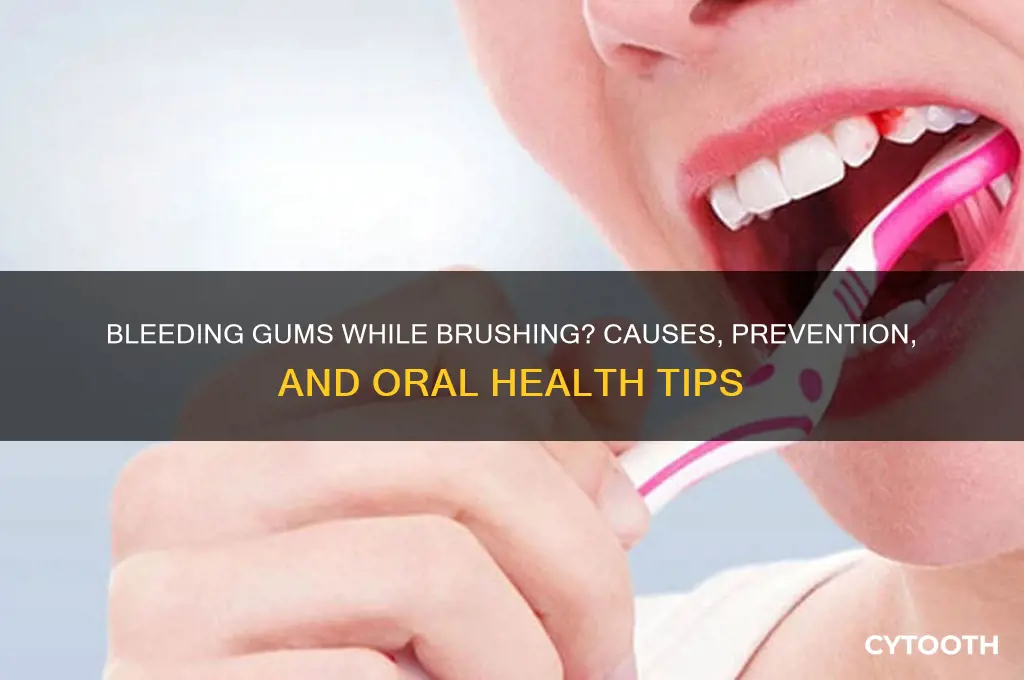
Bleeding gums during brushing can be a concerning and common issue, often signaling an underlying oral health problem. This symptom typically arises due to inflammation and irritation of the gum tissue, which can be caused by various factors such as poor oral hygiene, gum disease, or even aggressive brushing techniques. Understanding the root cause is essential, as it may indicate the need for improved dental care routines or professional intervention to prevent further complications and ensure optimal gum health.
| Characteristics | Values |
|---|---|
| Common Causes | Gingivitis, improper brushing technique, new flossing routine, pregnancy. |
| Symptoms | Bleeding gums during brushing or flossing, redness, swelling, tenderness. |
| Risk Factors | Poor oral hygiene, smoking, diabetes, vitamin deficiencies, medications. |
| Prevention | Proper brushing (soft-bristled brush), regular flossing, balanced diet. |
| Treatment | Improved oral care, antiseptic mouthwash, professional dental cleaning. |
| When to See a Dentist | Persistent bleeding, pain, gum recession, or signs of infection. |
| Related Conditions | Periodontitis, vitamin C deficiency (scurvy), leukemia (rare). |
| Myths | "Bleeding gums are normal" – False; it’s a sign of underlying issues. |
| Latest Research | Link between gum health and systemic conditions (e.g., heart disease). |
| Home Remedies | Saltwater rinse, aloe vera gel, turmeric paste (consult dentist first). |
What You'll Learn
- Gum Disease (Gingivitis): Inflammation caused by plaque buildup, leading to bleeding gums during brushing
- Incorrect Brushing Technique: Brushing too hard or using a hard-bristled toothbrush can damage gums
- Nutritional Deficiencies: Lack of vitamin C or K weakens gums, causing bleeding
- Hormonal Changes: Pregnancy or hormonal shifts can make gums more sensitive and prone to bleeding
- Medications Side Effects: Blood thinners or certain drugs may increase gum bleeding during brushing

Gum Disease (Gingivitis): Inflammation caused by plaque buildup, leading to bleeding gums during brushing
Bleeding gums during brushing often signal gingivitis, the earliest stage of gum disease. This inflammation arises from plaque, a sticky bacterial film that clings to teeth. When plaque isn’t removed daily through proper brushing and flossing, it hardens into tartar, irritating the gum line. The body responds with inflammation, causing gums to swell, turn red, and bleed easily, even with gentle brushing.
Consider this: plaque begins forming within 24 hours of brushing, and tartar can develop in as little as 3 days. That’s why consistent oral hygiene is critical. Brushing twice daily with a soft-bristled toothbrush and fluoride toothpaste, along with flossing once daily, disrupts plaque buildup. For added protection, incorporate an antimicrobial mouthwash containing chlorhexidine (0.12% concentration) or essential oils, but use chlorhexidine for no more than 2 weeks to avoid staining teeth.
While gingivitis is reversible, ignoring it allows progression to periodontitis, where bone and tissue loss occur. Warning signs include persistent bad breath, receding gums, and loose teeth. Risk factors like smoking, diabetes, hormonal changes (e.g., pregnancy), and certain medications (e.g., antihypertensives) exacerbate gum issues. For instance, smokers are 7 times more likely to develop periodontitis than non-smokers.
Here’s a practical tip: angle your toothbrush at 45 degrees to the gum line and use short, circular motions to clean effectively without damaging gums. Replace your toothbrush every 3 months or sooner if bristles fray. If bleeding persists despite proper care, see a dentist. They may recommend a deep cleaning (scaling and root planing) to remove tartar below the gum line and smooth tooth roots, promoting gum reattachment.
The takeaway? Bleeding gums aren’t normal—they’re a red flag for gingivitis. Address it early with diligent oral care and professional guidance to prevent irreversible damage. Remember, healthy gums are pale pink, firm, and don’t bleed. Your smile depends on it.
Aloe Vera for Oral Health: Natural Remedies for Teeth and Gums
You may want to see also
Incorrect Brushing Technique: Brushing too hard or using a hard-bristled toothbrush can damage gums
Bleeding gums during brushing often signal an aggressive approach to oral care. The force applied while brushing, combined with the stiffness of the bristles, can erode gum tissue over time. This wear leads to inflammation, sensitivity, and eventual bleeding. Even if your intention is thorough cleaning, excessive pressure strips away protective layers, leaving gums vulnerable. A common misconception is that harder brushing equates to cleaner teeth, but this method does the opposite—it weakens the very structures it aims to protect.
Consider the mechanics: a hard-bristled toothbrush, when paired with vigorous scrubbing, acts like sandpaper on delicate gum tissue. The bristles dig into the gums, causing micro-tears and irritation. Over weeks or months, this repeated trauma disrupts blood vessels near the surface, resulting in bleeding. Soft-bristled brushes, on the other hand, clean effectively without causing harm. Dentists recommend holding the brush like a pencil to reduce grip strength, ensuring gentle movement rather than forceful scrubbing.
Children and adults alike fall victim to this mistake, often due to outdated advice or personal habits. For instance, a teenager using a firm brush to combat orthodontic plaque or an adult pressing harder to remove coffee stains both risk gum damage. The solution lies in technique adjustment: tilt the brush at a 45-degree angle to the gum line and use short, circular strokes. This method cleans efficiently without strain. Electric toothbrushes with pressure sensors can also prevent overzealous brushing by alerting users when too much force is applied.
Switching to a soft-bristled brush is non-negotiable for those experiencing bleeding gums. Look for the American Dental Association (ADA) seal to ensure quality. Pair this with a fluoride toothpaste and brush for two minutes, twice daily. If bleeding persists after two weeks of corrected technique, consult a dentist—it could indicate gingivitis or another underlying issue. Remember, oral care is a marathon, not a sprint; gentleness preserves gum health far better than brute force.
Coronavirus and Oral Health: Exploring Its Impact on Teeth and Gums
You may want to see also
Nutritional Deficiencies: Lack of vitamin C or K weakens gums, causing bleeding
Bleeding gums during brushing can be a distressing experience, often signaling an underlying issue that demands attention. While various factors contribute to this problem, one often overlooked cause is nutritional deficiencies, particularly the lack of essential vitamins like C and K. These vitamins play a pivotal role in maintaining oral health, and their deficiency can lead to weakened gums, making them susceptible to bleeding.
Vitamin C, a potent antioxidant, is crucial for collagen synthesis, a protein that provides structure and strength to gums. A deficiency in this vitamin can lead to scurvy, a condition characterized by weak, bleeding gums, and poor wound healing. Adults require a daily intake of 75-90 mg of vitamin C, which can be obtained from citrus fruits, strawberries, kiwi, bell peppers, and broccoli. Incorporating these foods into your diet or considering a supplement, especially if your diet is lacking, can help prevent and address gum bleeding.
In contrast, vitamin K is essential for blood clotting and bone metabolism, both of which are critical for gum health. This vitamin ensures that blood vessels constrict properly, reducing the likelihood of bleeding. Green leafy vegetables like spinach, kale, and broccoli are excellent sources of vitamin K. The recommended daily intake for adults is 90-120 mcg, which can be easily met by including a serving of these vegetables in your daily meals. For instance, a cup of raw spinach provides approximately 145 mcg of vitamin K, exceeding the daily requirement.
The impact of these nutritional deficiencies on gum health is not immediate but develops over time. Prolonged deficiency can lead to a condition known as gingival bleeding, where the gums become inflamed and bleed easily. This is often accompanied by other symptoms like gum tenderness, swelling, and, in severe cases, tooth loss. Addressing these deficiencies through dietary changes or supplements can significantly improve gum health and reduce bleeding.
To combat bleeding gums caused by nutritional deficiencies, a two-pronged approach is recommended. Firstly, increase your intake of vitamin C and K-rich foods. For those with severe deficiencies or dietary restrictions, supplements can be a practical solution. However, it's essential to consult a healthcare professional before starting any supplementation, especially for individuals on medication or with underlying health conditions. Secondly, maintain a consistent oral hygiene routine, including regular brushing and flossing, to support the healing process and prevent further gum issues.
In summary, nutritional deficiencies, particularly of vitamins C and K, can significantly contribute to bleeding gums. By understanding the role of these vitamins and taking proactive steps to ensure adequate intake, individuals can effectively address this issue. A balanced diet rich in fruits and vegetables, coupled with proper oral care, is key to maintaining healthy gums and preventing bleeding. This approach not only alleviates the immediate problem but also promotes overall oral and systemic health.
Teeth Visible Through Gums: Normal or Cause for Concern?
You may want to see also
Hormonal Changes: Pregnancy or hormonal shifts can make gums more sensitive and prone to bleeding
Pregnancy is a time of profound physiological changes, and your gums are not immune to this transformation. Increased levels of progesterone and estrogen can heighten the body’s response to plaque, making gums more susceptible to inflammation and bleeding. This condition, often referred to as "pregnancy gingivitis," typically peaks during the second trimester. If you’re pregnant and notice bleeding gums, it’s not just a minor inconvenience—it’s a signal to step up your oral hygiene routine. Use a soft-bristled toothbrush, floss gently but consistently, and consider rinsing with an alcohol-free antimicrobial mouthwash recommended by your dentist.
Hormonal shifts aren’t exclusive to pregnancy. Puberty, menstruation, menopause, and even birth control use can alter gum sensitivity. For instance, some women experience bleeding gums during their menstrual cycle due to hormonal fluctuations. If you’re in your teens, 20s, or 30s and notice this pattern, track your symptoms to identify if there’s a hormonal link. During these times, be extra vigilant with oral care: brush twice daily for two minutes each time, and avoid aggressive brushing, which can exacerbate irritation.
For those on hormonal birth control, such as the pill or hormonal IUDs, gum sensitivity may arise as a side effect. These methods can increase blood flow to the gums, making them more reactive to plaque. If you suspect your birth control is the culprit, consult your healthcare provider. They may recommend switching to a non-hormonal option or adjusting your dosage. In the meantime, maintain a consistent oral care routine and schedule regular dental check-ups to monitor gum health.
Menopausal women often face unique oral health challenges due to declining estrogen levels. Reduced estrogen can decrease blood supply to the gums, making them more fragile and prone to bleeding. If you’re in this life stage, consider incorporating a fluoride rinse into your routine to strengthen enamel and protect gums. Additionally, stay hydrated, as dry mouth—a common menopause symptom—can worsen gum issues. A humidifier at night and sugar-free gum during the day can help alleviate dryness.
Regardless of the hormonal cause, the key to managing bleeding gums lies in proactive care. Visit your dentist every six months, or more frequently if advised. They may recommend a deep cleaning or prescribe a specialized toothpaste for sensitive gums. Remember, hormonal changes are natural, but their impact on your oral health doesn’t have to be permanent. With the right approach, you can keep your gums healthy and bleeding-free, no matter the stage of life.
Chewing Gum: A Sweet Habit for Dental Health or Harm?
You may want to see also
Medications Side Effects: Blood thinners or certain drugs may increase gum bleeding during brushing
Bleeding gums during brushing can be a distressing experience, often prompting concerns about oral hygiene or underlying health issues. While poor dental care is a common culprit, it’s crucial to consider the role of medications in exacerbating this problem. Blood thinners, such as warfarin or aspirin, are known to increase bleeding risks, including in the gums. These medications interfere with the blood’s clotting ability, making even minor irritation from brushing more likely to cause bleeding. Similarly, certain drugs like antihypertensives (e.g., amlodipine) or immunosuppressants can contribute to gum sensitivity and bleeding. If you’re on such medications, consult your dentist or doctor to determine if they might be the source of your issue.
Analyzing the mechanism behind medication-induced gum bleeding reveals a delicate balance between therapeutic benefits and side effects. Blood thinners, for instance, are prescribed to prevent clots in conditions like atrial fibrillation or deep vein thrombosis, but their anticoagulant properties can turn routine activities like brushing into a bleeding event. Dosage plays a critical role here—higher doses of warfarin (typically above 5 mg daily) or frequent use of over-the-counter aspirin (more than 325 mg per day) elevate the risk. Similarly, antihypertensives may cause gum overgrowth, making the tissue more prone to bleeding. Understanding these interactions empowers patients to take proactive steps, such as using a softer toothbrush or adjusting medication timing under professional guidance.
For those on blood thinners or other culprit medications, practical adjustments can minimize gum bleeding during brushing. Start by switching to an ultra-soft bristle toothbrush and using gentle, circular motions instead of aggressive scrubbing. Fluoride mouthwash can strengthen gum tissue, but avoid alcohol-based rinses, which can dry out and irritate the mouth. If bleeding persists, consider brushing after meals rather than before, as food debris can exacerbate irritation. Most importantly, maintain open communication with your healthcare provider. They may recommend periodic dental check-ups or, in rare cases, adjust your medication regimen to reduce bleeding risks without compromising its primary purpose.
Comparing the impact of different medications highlights the need for individualized care. While blood thinners directly affect clotting mechanisms, drugs like corticosteroids (e.g., prednisone) weaken the immune system, making gums more susceptible to inflammation and bleeding. Antidepressants, particularly SSRIs, can cause dry mouth, reducing saliva’s protective role and increasing gum vulnerability. Each medication class requires a tailored approach—for instance, patients on corticosteroids may benefit from hydrating oral gels, while those on SSRIs might need sugar-free gum to stimulate saliva production. By recognizing these distinctions, patients and providers can collaborate to address gum bleeding effectively without sacrificing overall health.
In conclusion, medication side effects are a frequently overlooked but significant contributor to bleeding gums during brushing. Awareness of how specific drugs interact with oral health is the first step toward mitigation. Simple changes, such as using softer dental tools or modifying brushing techniques, can make a substantial difference. However, self-management should always be complemented by professional advice, especially when dealing with critical medications like blood thinners. By balancing pharmaceutical needs with oral care strategies, individuals can maintain both systemic and dental health, ensuring that a routine task like brushing remains safe and effective.
Prevent Gum Overgrowth: Effective Tips to Save Your Teeth
You may want to see also
Frequently asked questions
Bleeding gums are often a sign of gum inflammation or gingivitis, caused by plaque buildup along the gumline. Poor oral hygiene, aggressive brushing, or using a hard-bristled toothbrush can irritate the gums and lead to bleeding.
No, it’s not normal. Occasional bleeding might happen if you’ve recently changed your brushing routine or are brushing too hard. However, consistent bleeding could indicate an underlying issue like gum disease or vitamin deficiency, and you should consult a dentist.
Yes, if you don’t floss regularly, your gums may bleed when you start. This is because flossing removes plaque and debris between teeth, which can irritate inflamed gums. Consistent flossing will reduce bleeding over time as gum health improves.
Yes, bleeding gums can be a symptom of advanced gum disease (periodontitis), which is linked to systemic health issues like heart disease and diabetes. It can also indicate conditions like leukemia or vitamin C deficiency. See a dentist or doctor for evaluation.
Use a soft-bristled toothbrush and gentle, circular motions when brushing. Floss daily to remove plaque between teeth. Rinse with an antiseptic mouthwash, and maintain regular dental checkups. If bleeding persists, consult a dentist for professional treatment.