Olivia Bennett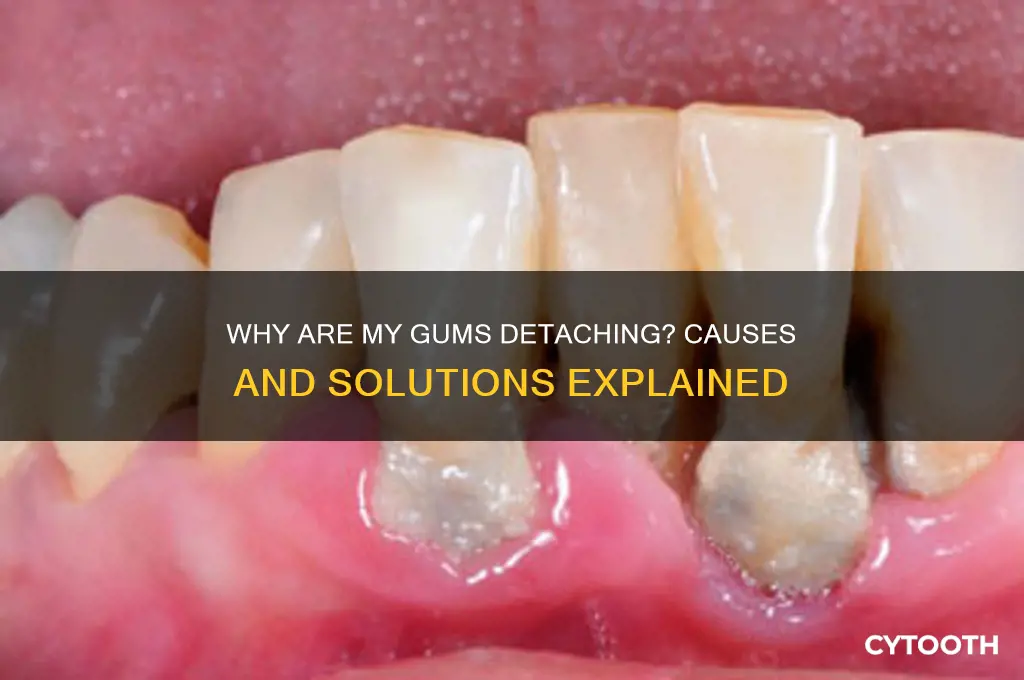
Gum detachment, also known as gum recession, occurs when the gum tissue surrounding your teeth pulls away, exposing more of the tooth or even the tooth's root. This condition can lead to sensitivity, increased risk of decay, and potential tooth loss if left untreated. Common causes include poor oral hygiene, aggressive brushing, periodontal disease, hormonal changes, and genetic factors. Recognizing early signs, such as tooth sensitivity or visible gaps between gums and teeth, is crucial for timely intervention. Consulting a dentist is essential to determine the underlying cause and develop an appropriate treatment plan, which may include deep cleaning, gum grafting, or lifestyle adjustments.
| Characteristics | Values |
|---|---|
| Gum Disease (Gingivitis/Periodontitis) | Most common cause; bacterial infection leads to inflammation and detachment. |
| Poor Oral Hygiene | Inadequate brushing/flossing allows plaque buildup, causing gum recession. |
| Hormonal Changes | Pregnancy, puberty, or menopause can make gums more sensitive and prone to detachment. |
| Genetics | Family history of gum disease increases risk. |
| Smoking/Tobacco Use | Weakens immune system, reduces blood flow to gums, and delays healing. |
| Teeth Grinding (Bruxism) | Excessive pressure on teeth and gums leads to recession. |
| Misaligned Teeth | Improper bite puts uneven stress on gums, causing detachment. |
| Aggressive Brushing | Hard-bristled toothbrushes or forceful brushing damages gum tissue. |
| Nutritional Deficiencies | Lack of vitamin C, calcium, or other nutrients weakens gums. |
| Certain Medications | Drugs like anticonvulsants, calcium channel blockers, or steroids affect gum health. |
| Diabetes | High blood sugar impairs immune response, increasing gum disease risk. |
| Autoimmune Diseases | Conditions like lupus or Crohn's disease can cause gum inflammation. |
| Aging | Natural gum recession occurs with age due to wear and tear. |
| Infections | Fungal or viral infections (e.g., herpes) can affect gum attachment. |
| Trauma | Injury to teeth or gums from accidents or sports can cause detachment. |
| Stress | Weakens immune system, making gums more susceptible to disease. |
| Poorly Fitted Dental Appliances | Ill-fitting braces, dentures, or bridges irritate gums and cause recession. |
What You'll Learn
- Poor oral hygiene habits leading to gum disease and detachment
- Gum recession caused by aggressive brushing techniques or hard toothbrushes
- Periodontal disease: bacterial infection damaging gums and tooth-supporting structures
- Hormonal changes during pregnancy or menopause affecting gum health
- Teeth grinding (bruxism) causing gum tissue stress and detachment

Poor oral hygiene habits leading to gum disease and detachment
Gum detachment from teeth, a condition often linked to advanced gum disease, doesn’t happen overnight. It’s the culmination of poor oral hygiene habits that allow plaque—a sticky film of bacteria—to accumulate along the gum line. When plaque hardens into tartar, it irritates the gums, triggering inflammation known as gingivitis. Left unchecked, this progresses to periodontitis, where the gums pull away from the teeth, forming pockets that harbor more bacteria. This cycle accelerates gum recession and tooth instability, often without noticeable pain until it’s advanced.
Consider the daily habits that contribute to this process. Inadequate brushing, especially missing the gum line, leaves plaque undisturbed. Flossing is equally critical; skipping it allows debris to lodge between teeth, fostering bacterial growth. Adding to this, infrequent dental check-ups mean tartar buildup goes unaddressed, as it requires professional removal. Even diet plays a role: high sugar intake fuels bacterial activity, while insufficient water consumption reduces saliva, the mouth’s natural cleanser. These habits collectively create an environment ripe for gum disease.
To break this cycle, adopt a disciplined oral care routine. Brush twice daily with a soft-bristled toothbrush, angling it 45 degrees to clean the gum line. Floss daily, ensuring you curve the floss around each tooth to remove hidden debris. Incorporate an antimicrobial mouthwash to reduce bacterial load, but avoid over-reliance on it as a substitute for brushing or flossing. Limit sugary snacks and drinks, and increase water intake to maintain saliva flow. Finally, schedule dental cleanings every six months to remove tartar and catch early signs of gum disease.
The consequences of ignoring these steps are severe. Advanced gum disease not only leads to tooth loss but has been linked to systemic health issues like heart disease and diabetes. Gum detachment is a red flag, signaling deeper infection and potential bone loss in the jaw. While professional treatment can manage the condition, prevention through consistent oral hygiene is far more effective and less costly. Small, daily efforts yield long-term benefits, preserving not just your smile but your overall health.
In essence, gum detachment is a preventable outcome of neglectable habits. By understanding the role of plaque, adopting a rigorous oral care routine, and making mindful dietary choices, you can halt the progression of gum disease. It’s a matter of consistency and awareness—your gums are warning you, and it’s time to listen.
Zyns and Oral Health: Debunking Myths About Teeth and Gums
You may want to see also
Gum recession caused by aggressive brushing techniques or hard toothbrushes
Aggressive brushing is a silent culprit behind gum recession, often overlooked in daily oral care routines. The force applied while brushing, combined with the stiffness of the toothbrush bristles, can gradually wear away the delicate gum tissue. Over time, this leads to gums detaching from teeth, exposing sensitive roots and increasing the risk of decay and infection. It’s a common misconception that harder brushing equates to cleaner teeth, but this approach does more harm than good. The enamel and gums are not designed to withstand such pressure, making this habit a leading cause of preventable gum issues.
To avoid this, start by evaluating your brushing technique. Hold your toothbrush at a 45-degree angle to your gums and use short, gentle strokes rather than sawing back and forth. The American Dental Association recommends brushing for two minutes twice daily, but the emphasis should always be on gentleness, not force. If you notice your toothbrush bristles bending or fraying quickly, it’s a sign you’re applying too much pressure. A simple fix is to consciously lighten your grip and let the bristles do the work without pressing down hard.
Choosing the right toothbrush is equally critical. Hard or medium bristles may seem effective, but they are too harsh for most people. Opt for a soft-bristled toothbrush, which is gentle on gums yet effective at removing plaque. Electric toothbrushes with pressure sensors can also be a game-changer, as they alert you when you’re brushing too aggressively. For children and adults with sensitive gums, extra-soft bristles are ideal. Replace your toothbrush every three months or sooner if the bristles become splayed, as worn bristles are less effective and can irritate gums.
A comparative look at brushing habits reveals that those who switch to a softer approach often see improvements within weeks. Gum tenderness decreases, bleeding reduces, and recession slows or stops. Contrast this with individuals who continue aggressive brushing, who may experience worsening gum detachment, increased sensitivity, and even tooth mobility over time. The takeaway is clear: small adjustments in technique and tools can prevent long-term damage. Prioritize gentleness and consistency over force, and your gums will thank you.
Teeth Grinding and Gum Recession: Uncovering the Surprising Connection
You may want to see also
Periodontal disease: bacterial infection damaging gums and tooth-supporting structures
Gums detaching from teeth is a distressing symptom often rooted in periodontal disease, a bacterial infection that silently erodes the structures supporting your teeth. Unlike superficial issues like gingivitis, periodontal disease penetrates deep, attacking the alveolar bone, periodontal ligament, and cementum. This progressive condition begins with plaque buildup, a sticky biofilm teeming with bacteria that hardens into tartar if not removed. Over time, these bacteria release toxins that inflame the gums, causing them to pull away from the teeth and form pockets where infection thrives. Left untreated, this process leads to irreversible damage, tooth mobility, and eventual tooth loss.
Consider the stages of periodontal disease as a cautionary roadmap. Gingivitis, the earliest stage, manifests as red, swollen gums that bleed easily during brushing. At this point, the damage is reversible with diligent oral hygiene and professional cleanings. However, if ignored, it progresses to periodontitis, where the infection spreads below the gum line. Advanced periodontitis, the final stage, involves significant bone loss and deep periodontal pockets, often requiring surgical intervention. For instance, a 45-year-old patient with untreated gingivitis might notice gums receding from their molars within 2–3 years, accompanied by persistent bad breath and pus between the teeth.
Preventing periodontal disease hinges on disrupting bacterial colonization. Brush twice daily with a fluoride toothpaste, using a soft-bristled toothbrush at a 45-degree angle to the gum line. Floss daily to remove plaque from interdental spaces, and incorporate an antimicrobial mouthwash containing chlorhexidine (0.12% concentration) for 30 seconds after brushing. For those over 50, who are at higher risk due to age-related bone density loss, consider using a water flosser to clean deep pockets more effectively. Regular dental check-ups every six months are non-negotiable, as dentists can detect early signs of gum detachment and perform deep cleanings (scaling and root planing) to remove tartar and smooth root surfaces.
Comparing periodontal disease to other oral health issues highlights its unique severity. While cavities damage tooth enamel, periodontal disease targets the foundation of your teeth. Unlike sensitive teeth, which can be managed with desensitizing toothpaste, gum detachment requires immediate professional intervention. For example, a patient with both cavities and gum recession would prioritize treating the periodontal issue first, as tooth loss poses a greater functional and aesthetic threat. This underscores the importance of addressing bacterial infection at its source rather than focusing solely on symptomatic relief.
Finally, lifestyle modifications play a pivotal role in managing periodontal disease. Smoking, a major risk factor, impairs blood flow to the gums and slows healing, doubling the risk of gum detachment. Diabetics must meticulously control blood sugar levels, as hyperglycemia exacerbates bacterial growth and inflammation. Incorporate a diet rich in vitamin C (found in oranges, strawberries, and bell peppers) to promote gum health, and limit sugary snacks that feed oral bacteria. By combining these strategies, you can halt the progression of periodontal disease and preserve the integrity of your gums and teeth for years to come.
Teeth Grinding and Gum Recession: Uncovering the Hidden Connection
You may want to see also
Hormonal changes during pregnancy or menopause affecting gum health
Hormonal fluctuations during pregnancy and menopause can significantly impact gum health, often leading to detachment or recession. During pregnancy, increased levels of progesterone and estrogen enhance blood flow to the gum tissues, making them more sensitive and prone to inflammation. This condition, known as "pregnancy gingivitis," affects up to 50% of expectant mothers, particularly between the second and eighth months. Symptoms include redness, swelling, and bleeding gums, which can progress to periodontal disease if left untreated. Regular dental check-ups and meticulous oral hygiene—brushing twice daily with a soft-bristled toothbrush and flossing gently—are essential to manage this condition.
Menopause introduces a different set of challenges due to declining estrogen levels, which reduce blood supply to the gums and decrease bone density in the jaw. This hormonal shift can cause gums to recede, exposing tooth roots and increasing sensitivity. Studies show that postmenopausal women are three times more likely to experience periodontal issues compared to premenopausal women. To mitigate these effects, dentists often recommend fluoride treatments and antimicrobial mouthwashes to strengthen enamel and reduce bacterial growth. Staying hydrated is also crucial, as dry mouth—a common menopausal symptom—can exacerbate gum problems.
Comparing the two life stages, pregnancy-related gum issues are typically temporary and resolve after childbirth, while menopausal changes are more permanent and require long-term management. However, both conditions underscore the importance of hormone-aware dental care. For pregnant women, avoiding sugary snacks and maintaining a balanced diet rich in vitamin C and calcium can support gum health. Menopausal women may benefit from hormone replacement therapy (HRT), but this should be discussed with a healthcare provider, as HRT can sometimes worsen gum inflammation in certain individuals.
Practical tips for both groups include using a saltwater rinse (1/2 teaspoon of salt in a glass of warm water) to soothe irritated gums and scheduling dental visits during the second trimester of pregnancy, when risks are lower. For menopausal women, investing in a water flosser can be gentler on receding gums. Ultimately, understanding the hormonal link to gum health empowers individuals to take proactive steps, ensuring that temporary or permanent changes do not lead to irreversible damage.
Mint Gum and Dental Health: Benefits or Just Fresh Breath?
You may want to see also
Teeth grinding (bruxism) causing gum tissue stress and detachment
Teeth grinding, or bruxism, is a silent saboteur of oral health, often occurring unconsciously during sleep or under stress. The repetitive clenching and grinding motions exert excessive force on the teeth and surrounding structures, including the gums. Over time, this mechanical stress can weaken the periodontal ligaments that anchor the gums to the teeth, leading to gum tissue detachment. Unlike gum recession caused by plaque or poor hygiene, bruxism-induced detachment is a direct result of physical trauma, making it a unique and often overlooked culprit.
Consider the mechanics: each grinding episode generates pressure up to 250 pounds per square inch—far beyond what gums are designed to withstand. This force stretches and inflames the gum tissue, compromising its attachment to the tooth root. Chronic grinders may notice symptoms like gum sensitivity, bleeding, or visible gaps between the gums and teeth. While bruxism itself doesn’t cause gum disease, it accelerates tissue damage, creating an environment where bacteria can thrive and exacerbate detachment.
Addressing bruxism-related gum detachment requires a two-pronged approach: mitigating the grinding and repairing the damage. A custom-fitted night guard, worn during sleep, acts as a protective barrier, absorbing the force of clenching and reducing stress on the gums. For daytime grinders, stress management techniques—such as mindfulness, progressive muscle relaxation, or even Botox injections to paralyze overactive jaw muscles—can help break the habit. Simultaneously, periodontal treatments like deep cleaning or gum grafting may be necessary to restore gum health and reattach tissue to the teeth.
Prevention is equally critical. Adults aged 25–44 are most at risk for bruxism, often due to work-related stress or sleep disorders like sleep apnea. Regular dental check-ups can catch early signs of gum detachment, while lifestyle adjustments—limiting caffeine after noon, avoiding chewing on pens or ice, and practicing jaw exercises—can reduce grinding frequency. Ignoring bruxism not only risks gum detachment but also tooth fractures, TMJ disorders, and chronic headaches, making proactive intervention essential.
In essence, bruxism’s role in gum detachment is a clear example of how systemic habits manifest in localized damage. By recognizing the signs, seeking timely treatment, and adopting preventive measures, individuals can protect their gums from the unseen forces of teeth grinding. It’s not just about saving teeth—it’s about preserving the foundation that holds them in place.
Sugar-Free Gum: Friend or Foe to Your Dental Health?
You may want to see also
Frequently asked questions
Gum detachment, or gum recession, can occur due to factors like gum disease (periodontitis), aggressive brushing, hormonal changes, genetics, or poor oral hygiene.
While receded gums cannot grow back on their own, treatments like deep cleaning (scaling and root planing), gum graft surgery, or improved oral care can prevent further recession and manage the condition.
Yes, gum detachment can indicate underlying issues like gum disease, which, if left untreated, can lead to tooth loss, bone damage, or systemic health problems like heart disease or diabetes.
Maintain good oral hygiene by brushing gently with a soft-bristled toothbrush, flossing daily, using antimicrobial mouthwash, and visiting your dentist regularly for check-ups and cleanings.