Ethan Brooks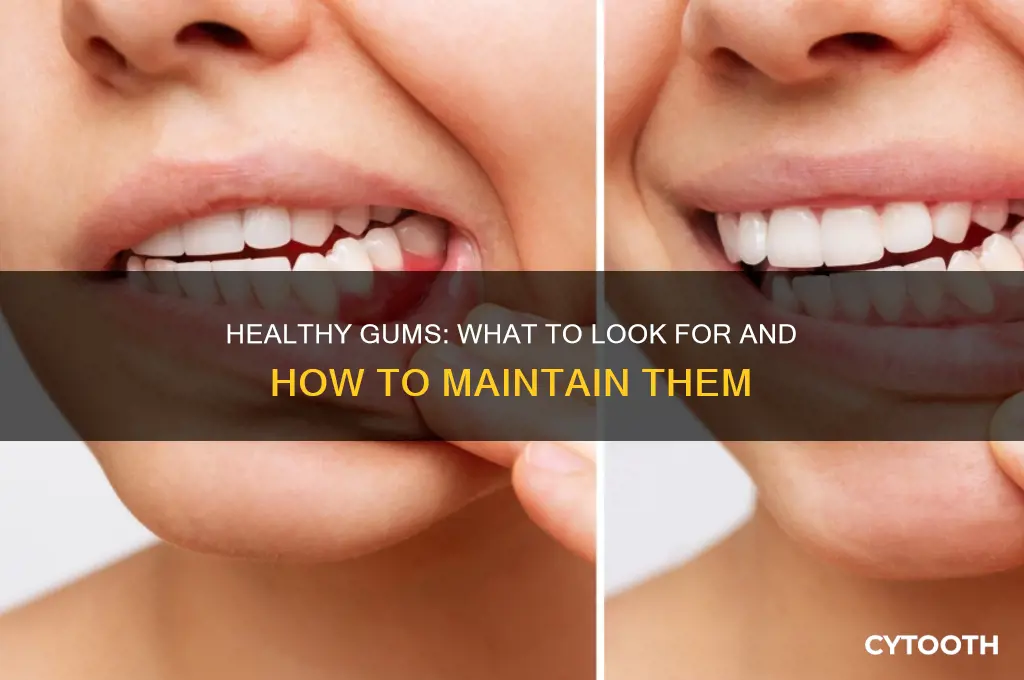
Healthy gums are a crucial indicator of overall oral health and should appear firm, pink, and snugly fitted around the teeth without any signs of swelling, bleeding, or recession. Ideally, gums should not be overly red, pale, or discolored, as these can be signs of inflammation, infection, or other underlying issues such as gingivitis or periodontal disease. A healthy gum line should also be consistent in texture, without lumps, bumps, or sores, and should not bleed during routine brushing or flossing. Maintaining good oral hygiene practices, including regular brushing, flossing, and dental check-ups, is essential to ensure gums remain in optimal condition and to prevent potential dental problems.
| Characteristics | Values |
|---|---|
| Color | Pink (light to medium shade, depending on skin tone) |
| Texture | Firm, smooth, and stippled (similar to an orange peel) |
| Contour | Knife-edged margin along the teeth |
| Attachment | Tightly adhered to teeth, no gaps or pockets |
| Bleeding | None (healthy gums do not bleed during brushing or flossing) |
| Swelling | Absent (no inflammation or puffiness) |
| Symmetry | Uniform appearance around all teeth |
| Recession | Minimal to none (gums should cover the root of the tooth) |
| Odor | Neutral (no persistent bad breath) |
| Sensitivity | None (gums should not be sensitive to touch or temperature) |
What You'll Learn
- Healthy Gum Color: Pink, firm, and consistent without redness, swelling, or discoloration
- Gum Texture: Smooth, stippled surface, not swollen, spongy, or receding
- Gum Line Shape: Even, tight around teeth, no gaps or pockets visible
- Bleeding Gums: Should not bleed during brushing or flossing; indicates inflammation
- Gum Contour: Symmetrical, covering tooth roots, no recession or overgrowth

Healthy Gum Color: Pink, firm, and consistent without redness, swelling, or discoloration
Healthy gums are a cornerstone of oral health, and their appearance can reveal much about your overall well-being. The ideal gum color is a uniform, light pink shade, akin to the hue of a healthy coral reef. This color indicates robust blood flow and the absence of inflammation or infection. When examining your gums, look for consistency in color across the entire gum line; any deviations, such as dark spots or patches, could signal underlying issues like gingivitis or periodontal disease. For instance, red or purple gums often indicate irritation or infection, while white patches might suggest a fungal infection or other systemic conditions.
Firmness is another critical aspect of healthy gums. When gently pressed, they should feel sturdy and resilient, like the texture of a ripe peach rather than a soft plum. This firmness is a sign that the gum tissue is tightly bound to the teeth and underlying bone, providing a strong barrier against bacteria. To test this, use the blunt end of a toothbrush or a clean finger to apply slight pressure. If your gums bleed easily or feel spongy, it may indicate gum disease or nutritional deficiencies, such as a lack of vitamin C, which is essential for collagen production and gum health.
Consistency in gum appearance is equally important. Healthy gums should have a smooth, knife-edged contour along the teeth, free from swelling, lumps, or indentations. Swollen gums, often accompanied by tenderness or bleeding, are a red flag for inflammation, typically caused by plaque buildup or poor oral hygiene. Regular flossing and brushing can prevent this, but if swelling persists, it’s crucial to consult a dentist. For children and adolescents, slight gum swelling during teething or orthodontic adjustments is normal, but prolonged discomfort warrants professional attention.
Maintaining healthy gum color and texture requires a proactive approach. Brush your teeth twice daily with a fluoride toothpaste and a soft-bristled brush, ensuring you clean along the gum line. Floss daily to remove plaque and food particles between teeth, where a toothbrush can’t reach. Incorporate an antimicrobial mouthwash into your routine to reduce bacteria and freshen breath. Additionally, a balanced diet rich in vitamins A, C, and D, along with minerals like calcium and phosphorus, supports gum health. Avoid tobacco products, as they restrict blood flow to gums and increase the risk of gum disease.
Finally, regular dental check-ups are indispensable for monitoring gum health. Dentists can detect early signs of gum disease, such as receding gums or periodontal pockets, and provide treatments like deep cleaning or scaling. Adults should aim for biannual visits, while children and those with existing gum issues may need more frequent appointments. By combining diligent home care with professional oversight, you can ensure your gums remain pink, firm, and consistent—a clear sign of a healthy smile and a healthy body.
Speedy Gum Recovery: Understanding the Healing Process and Timeline
You may want to see also
Gum Texture: Smooth, stippled surface, not swollen, spongy, or receding
Healthy gums present a smooth, stippled texture akin to an orange peel, a subtle yet crucial indicator of oral well-being. This surface should feel firm to the touch, neither puffy nor spongy, which could signal inflammation or infection. The stippling—those tiny, evenly distributed bumps—is a natural contour that reflects the underlying bone and tissue health. When gums lose this texture, becoming smooth like glossy paper or swollen like a waterlogged sponge, it’s a red flag for potential issues like gingivitis or periodontal disease.
To maintain this ideal texture, daily habits are key. Brush twice a day with a soft-bristled toothbrush, angling it 45 degrees to the gum line to remove plaque without damaging tissue. Floss daily to clean between teeth where brushes can’t reach, and consider a water flosser if manual flossing irritates sensitive gums. For those over 40, who are at higher risk for gum recession, adding a gum stimulator tool can improve circulation and strengthen tissue. Avoid aggressive brushing or using hard-bristled brushes, as these can erode enamel and gum tissue over time.
Comparing healthy gums to unhealthy ones highlights the importance of texture. Healthy gums are pale pink to brown, depending on skin tone, while inflamed gums may appear bright red or purple. Swollen gums often bleed during brushing or flossing, a symptom of gingivitis that 75% of adults will experience at some point. In contrast, receding gums expose tooth roots, leading to sensitivity and potential tooth loss. The smooth, stippled texture acts as a baseline for comparison, making it easier to spot early signs of trouble.
For parents, teaching children to recognize healthy gum texture is vital. Kids under 12 often have naturally smoother gums due to thinner tissue, but stippling should still be visible. Encourage gentle brushing with a pea-sized amount of fluoride toothpaste and supervise until age 7 to ensure proper technique. Teens wearing braces are prone to gum irritation, so orthodontic wax and interdental brushes are essential tools to protect gum texture during treatment.
Finally, diet plays a surprising role in gum texture. Foods high in vitamin C, like oranges and bell peppers, strengthen gum tissue and reduce inflammation. Conversely, sugary snacks and acidic drinks erode enamel and irritate gums, leading to a loss of stippling. Staying hydrated is equally important, as saliva helps neutralize acids and keeps gums moist. For adults over 50, who may experience dry mouth due to medication, sugar-free gum or lozenges can stimulate saliva production and preserve gum health.
In summary, a smooth, stippled gum surface is a tangible marker of oral health, achievable through consistent care and mindful habits. By understanding what healthy gums should feel like and taking proactive steps, individuals of all ages can prevent common issues and maintain a strong foundation for their teeth. Regular dental check-ups every six months provide professional insight, ensuring that any deviations from this ideal texture are addressed before they escalate.
Does Gum Contouring Hurt? Pain, Recovery, and What to Expect
You may want to see also
Gum Line Shape: Even, tight around teeth, no gaps or pockets visible
Healthy gums are the foundation of a confident smile, and their appearance is just as crucial as the teeth themselves. One key aspect of gum health is the gum line shape, which should be even and tight around the teeth, with no visible gaps or pockets. This seamless fit is not just aesthetically pleasing but also a vital indicator of oral well-being.
The Ideal Gum Line: A Tight Embrace
Imagine a well-tailored suit, perfectly fitted to the wearer's body. Similarly, healthy gums should snugly envelop each tooth, creating a uniform and smooth contour. This tight seal is essential for several reasons. Firstly, it prevents the accumulation of food particles and bacteria in gaps, reducing the risk of gum disease and tooth decay. Secondly, a secure gum line provides stability to the teeth, ensuring they remain firmly in place.
Achieving and Maintaining the Ideal Shape
Attaining this ideal gum line shape is a combination of genetics and oral care practices. While some individuals may naturally have a more even gum line, others can improve their gum health through proper dental hygiene. Regular brushing and flossing are fundamental, ensuring that plaque and tartar do not build up along the gum line. Additionally, using antimicrobial mouthwash can help reduce bacteria, promoting healthier gums. For those with existing gum issues, deep cleaning procedures like scaling and root planing can be effective in removing bacteria and smoothing the root surfaces, allowing the gums to reattach firmly to the teeth.
The Role of Professional Care
Dental professionals play a pivotal role in guiding patients towards optimal gum health. During regular check-ups, dentists and hygienists can identify early signs of gum recession or inflammation and provide tailored advice. They may recommend specific techniques for brushing and flossing, ensuring patients clean their teeth and gums effectively without causing damage. In some cases, periodontal treatments or surgical procedures might be necessary to reshape the gum line and restore its health.
Aesthetic and Functional Benefits
An even gum line not only contributes to a beautiful smile but also has functional advantages. When gums are tight and healthy, they provide a protective barrier against external irritants and pathogens. This reduces the likelihood of gum sensitivity and inflammation. Moreover, a well-defined gum line enhances the overall appearance of the teeth, making them look longer and more proportionate. This can be particularly beneficial for individuals with shorter teeth or those seeking cosmetic improvements.
In summary, the gum line's shape is a critical aspect of oral health and aesthetics. By understanding the importance of an even, tight gum line, individuals can take proactive steps to maintain or achieve this ideal. Through a combination of personal care and professional guidance, it is possible to ensure that gums not only look their best but also contribute to long-term dental health.
Are Red Gums Normal? Understanding Gum Health and When to Worry
You may want to see also
Bleeding Gums: Should not bleed during brushing or flossing; indicates inflammation
Healthy gums are firm, pale pink, and snugly fit around each tooth without swelling or tenderness. When you brush or floss, they should remain intact and resilient, showing no signs of bleeding. If your gums bleed during these routine oral hygiene practices, it’s a red flag—literally and figuratively. Bleeding gums are not normal and often indicate underlying inflammation, typically caused by plaque buildup or early-stage gum disease (gingivitis). This isn’t just a minor inconvenience; it’s your body’s alarm system signaling that something is wrong. Ignoring it can lead to more severe issues, such as periodontitis, tooth loss, or even systemic health problems like heart disease.
To address bleeding gums, start by evaluating your oral care routine. Are you brushing twice daily with a soft-bristled toothbrush and fluoride toothpaste? Are you flossing daily to remove plaque from between teeth? If not, these are non-negotiable steps. For flossing, use a gentle sawing motion to guide the floss between teeth, curving it around each tooth in a “C” shape to avoid snapping it onto the gums. If bleeding persists after improving your technique, consider switching to an antimicrobial mouthwash or using a water flosser, which can be gentler on inflamed tissues. However, these are adjuncts, not replacements, for proper brushing and flossing.
Bleeding gums can also be exacerbated by certain habits or conditions. Smoking, for instance, restricts blood flow to the gums and impairs healing, making them more prone to inflammation. Hormonal changes during pregnancy or puberty can increase gum sensitivity, though this doesn’t mean bleeding is inevitable—it’s still a sign to take action. Additionally, some medications, like blood thinners or antihypertensives, may contribute to gum bleeding. If you suspect this is the case, consult your dentist or doctor to explore alternatives or adjustments.
The takeaway is clear: bleeding gums demand attention. If you notice bleeding during brushing or flossing, don’t write it off as normal. Instead, view it as a prompt to refine your oral hygiene practices and schedule a dental checkup. A dentist can assess the extent of inflammation, remove hardened plaque (tartar) that brushing alone can’t tackle, and provide personalized advice. Early intervention is key—gingivitis is reversible, but untreated inflammation can progress to irreversible damage. Your gums are the foundation of your oral health; treat them with the care they deserve.
Can Gum Infections Spread? Understanding Contagious Risks and Prevention
You may want to see also
Gum Contour: Symmetrical, covering tooth roots, no recession or overgrowth
Healthy gums are the unsung heroes of a confident smile, and their contour plays a pivotal role in both aesthetics and oral health. Imagine a gum line that mirrors the natural symmetry of your face, where each gum peak aligns seamlessly with its counterpart. This symmetry is not just visually appealing but also indicates a balanced and healthy oral environment. The ideal gum contour should follow the natural architecture of your teeth, ensuring that each tooth is embraced by a proportional amount of gum tissue. This harmonious relationship between gums and teeth is the cornerstone of a pleasing smile.
The primary function of gums is to protect the tooth roots, and their contour should reflect this purpose. Ideally, gums should cover the roots entirely, acting as a protective barrier against external irritants and bacteria. When gums recede, they expose the sensitive root surfaces, leading to discomfort and increased susceptibility to decay. Conversely, excessive gum tissue can create a bulky, uneven appearance, often requiring corrective procedures. Maintaining the right balance ensures that the gums serve their protective role without compromising the smile's aesthetics.
Achieving and maintaining the ideal gum contour involves a combination of good oral hygiene and professional care. Regular brushing and flossing are essential to prevent gum disease, a leading cause of gum recession. For those with genetic predispositions or existing gum issues, periodontal treatments can reshape the gum line. Procedures like gum grafting can address recession, while crown lengthening can correct excessive gum tissue. These treatments not only enhance the appearance but also improve oral health, making them a worthwhile investment.
A symmetrical gum line, free from recession or overgrowth, is a key indicator of oral health and contributes significantly to facial aesthetics. It ensures that the teeth appear in their correct proportions, enhancing the overall harmony of the smile. For instance, a symmetrical gum contour can make the teeth look longer and more uniform, which is particularly beneficial for those with naturally short teeth or uneven gum levels. This attention to detail can transform a smile, boosting confidence and self-esteem.
In the pursuit of the perfect smile, the gum contour is often overlooked, yet it is a critical element. It requires a delicate balance between health and aesthetics, where symmetry and proper coverage are paramount. By understanding the importance of gum contour and taking proactive steps to maintain it, individuals can ensure their smiles remain healthy and beautiful. Whether through daily care or professional interventions, achieving the ideal gum contour is a goal worth striving for, offering both functional and cosmetic benefits.
Are Purple Gums Normal? Understanding Gum Color and Oral Health
You may want to see also
Frequently asked questions
Healthy gums typically appear pink, though the shade can vary slightly depending on skin tone. Dark spots or patches may be normal for some individuals, but sudden changes in color could indicate an issue.
Healthy gums should feel firm and stable, not swollen, soft, or tender. They should also not bleed when brushing or flossing.
While some gum recession can occur with age, significant or sudden recession is not normal. It may indicate gum disease, aggressive brushing, or other oral health issues.
No, healthy gums should fit snugly around each tooth, covering the root but not extending too far down the tooth surface. Excessive gum tissue or uneven coverage may require evaluation by a dentist.