Logan Hayes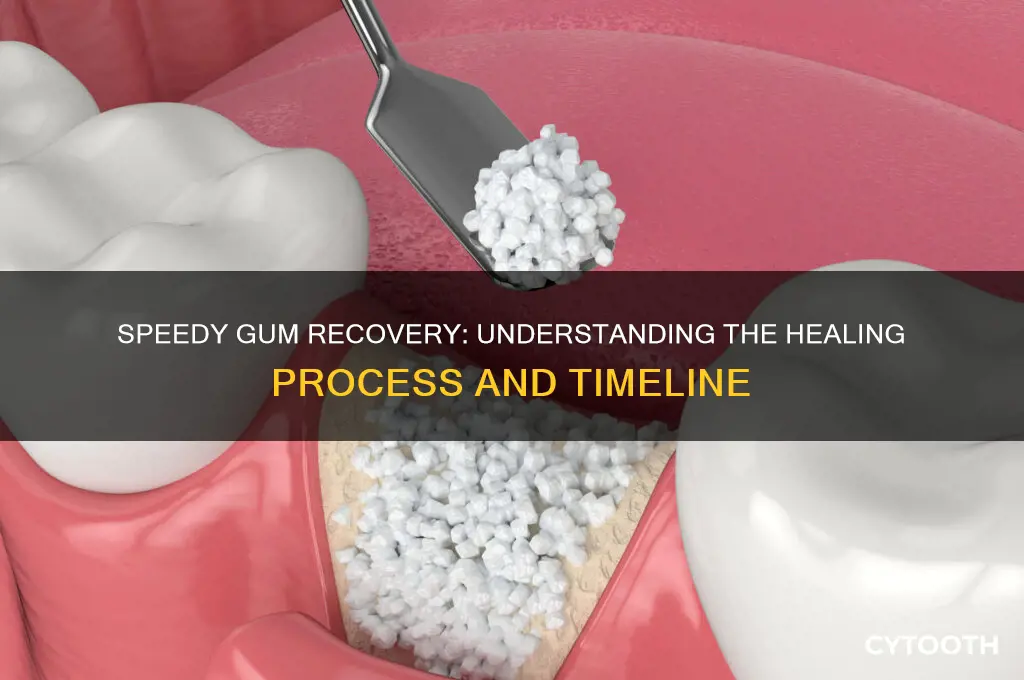
Gum healing is a critical aspect of oral health, and the speed at which gums heal can vary significantly depending on factors such as the cause of the injury, overall health, and oral hygiene practices. Minor gum irritations, like those caused by brushing too hard or accidental bites, typically heal within a few days to a week as the body’s natural regenerative processes repair the damaged tissue. However, more severe issues, such as gum disease or surgical procedures like gum grafts, may take several weeks to months to fully heal, requiring diligent care and sometimes professional intervention. Understanding the healing timeline and adopting proper oral care routines can significantly influence the recovery process and promote healthier gums.
| Characteristics | Values |
|---|---|
| Healing Time (Minor Injuries) | 1-2 weeks (e.g., small cuts, abrasions, or after routine dental cleaning) |
| Healing Time (Moderate Injuries) | 2-4 weeks (e.g., gum recession, minor surgery, or infection) |
| Healing Time (Severe Injuries) | 4-8 weeks or longer (e.g., extensive gum surgery, periodontal disease) |
| Factors Affecting Healing Speed | Age, overall health, nutrition, smoking, oral hygiene, underlying diseases |
| Initial Healing Phase | 3-7 days (reduction in swelling, pain, and bleeding) |
| Tissue Regeneration | 1-2 weeks (new gum tissue begins to form) |
| Complete Healing | 2-8 weeks (depending on severity and individual factors) |
| Signs of Healing | Reduced redness, swelling, pain, and return to normal gum color |
| Role of Oral Hygiene | Proper brushing, flossing, and rinsing accelerate healing |
| Impact of Smoking | Slows healing significantly and increases risk of complications |
| Nutrition Influence | Vitamin C, zinc, and protein-rich diet promote faster healing |
| Professional Interventions | Antibiotics, antimicrobial mouthwash, or surgical procedures if needed |
What You'll Learn

Factors affecting gum healing speed
Gum healing speed varies widely, influenced by factors ranging from oral hygiene to systemic health. For instance, a minor gum injury from flossing might heal within 3–7 days, while surgical sites like dental implant incisions can take 2–4 weeks. Understanding these timelines requires examining the interplay of biological, behavioral, and environmental elements that either accelerate or hinder recovery.
Biological Factors: The Foundation of Healing
Age plays a critical role in gum healing. Individuals under 30 typically experience faster recovery due to higher collagen production and cellular turnover. Conversely, those over 50 may notice delays, as skin and gum tissue elasticity diminues. Additionally, genetic predispositions, such as variations in the *IL-1* gene linked to inflammation, can influence healing efficiency. For example, a 2018 study in *Journal of Periodontology* found that patients with specific genetic markers healed 30% slower post-surgery. Nutritional deficiencies, particularly in vitamin C (less than 75 mg/day) or zinc (below 8 mg/day for adults), impair collagen synthesis, prolonging healing by up to 50%.
Behavioral Choices: Accelerators vs. Hindrances
Smoking remains a top saboteur of gum healing, reducing blood flow to tissues and delaying recovery by 2–3 times the normal rate. Even secondhand smoke exposure can slow healing by 20%. Alcohol consumption, especially more than 14 units/week, disrupts immune function and dehydrates tissues, adding 3–5 days to healing time. Conversely, consistent oral hygiene—brushing twice daily with a soft-bristle brush and flossing gently—removes bacteria that cause inflammation, shaving days off recovery. Post-procedure, rinsing with a 0.12% chlorhexidine mouthwash twice daily for 1 week can reduce infection risk by 40%, as recommended by the American Dental Association.
Environmental and Procedural Considerations
The complexity of the injury or procedure directly impacts healing. Simple gum recession treatments like grafting may heal in 2 weeks, while extensive periodontal surgery can take 6–8 weeks. Environmental factors like air quality matter too; pollutants increase oxidative stress, slowing healing by 15–25%. Even workplace stress, shown to elevate cortisol levels, can extend healing times by 30%, as chronic stress suppresses immune responses.
Practical Tips for Optimal Healing
To maximize gum healing speed, adopt a multi-pronged approach. Maintain a diet rich in antioxidants (e.g., berries, spinach) and protein (75–100g/day for adults) to support tissue repair. Avoid irritants like hot foods or acidic beverages for 48 hours post-injury. Apply a cold compress (15 minutes on, 15 minutes off) for the first 24 hours to reduce swelling. For surgical sites, follow your dentist’s instructions precisely—skipping stitches or rinsing too early can reopen wounds, adding weeks to recovery.
By addressing these factors systematically, individuals can significantly influence how quickly their gums heal, turning a potentially prolonged process into a swift, manageable recovery.
Does Laser Gum Surgery Hurt? Pain, Recovery, and What to Expect
You may want to see also
Signs of healthy gum recovery
Gum healing is a gradual process, typically taking 1-2 weeks for minor issues like gingivitis, but deeper problems like periodontal disease can require months. Recognizing signs of healthy recovery is crucial for monitoring progress and adjusting care. One key indicator is reduced redness and swelling. Healthy gums should return to a pale pink color, free from inflammation. If you notice the gum tissue firming up and losing its puffy appearance, it’s a positive sign that healing is underway.
Another critical sign is the absence of bleeding during brushing or flossing. Healthy gums do not bleed easily. If you’ve been experiencing gum bleeding and it stops within 7-10 days of consistent oral hygiene, it suggests the tissue is repairing itself. However, if bleeding persists, it may indicate ongoing infection or inadequate care. Pairing proper brushing with antimicrobial mouthwash (e.g., 0.12% chlorhexidine) can accelerate this recovery, but consult a dentist before long-term use.
Pain reduction is a third marker of healing. Initial discomfort from gum inflammation or procedures like deep cleaning should subside within 3-5 days. Persistent or worsening pain, however, warrants immediate attention. Applying a cold compress for 15 minutes every hour can alleviate acute pain, but reliance on over-the-counter pain relievers (e.g., 600 mg ibuprofen every 6 hours) should be temporary and dentist-approved.
Finally, observe the gum line’s stability around teeth. Healthy recovery often includes reattachment of gums to teeth, reducing pocket depth. While this process is slower, noticeable tightening within 2-4 weeks is encouraging. For accelerated healing, ensure a diet rich in vitamin C (e.g., 75-90 mg daily for adults) and avoid irritants like smoking or sugary foods. Regular check-ins with a dentist remain essential to confirm progress and address underlying issues.
Fluoride's Role in Gum Health: Benefits, Myths, and Dental Care Tips
You may want to see also
Common gum healing timeline
Gum healing timelines vary widely based on the type of injury, treatment, and individual health factors. For minor issues like gingivitis, gums can begin to heal within 10–14 days with proper oral hygiene and professional cleaning. This early stage involves reduced inflammation and bleeding, but full recovery may take up to 4–6 weeks. For more severe cases, such as periodontal disease or surgical procedures like gum grafting, healing can extend to 3–6 months. Understanding these timelines helps set realistic expectations and encourages consistent care.
Consider a scenario where a patient undergoes a deep cleaning (scaling and root planing) for moderate gum disease. The first 24–48 hours post-procedure are critical, with potential discomfort, swelling, and sensitivity. By the end of the first week, symptoms should subside, and gums may appear less red and inflamed. However, complete healing of the periodontal pockets and tissue regeneration typically takes 3–4 months. During this period, adhering to a soft diet, avoiding smoking, and using antimicrobial mouthwash as directed are essential steps to support recovery.
Comparatively, healing after oral surgery, such as tooth extraction or gum grafting, follows a different trajectory. The initial clot formation and wound closure occur within 1–2 weeks, but full tissue maturation can take 3–6 months. For instance, a gum graft site may feel sensitive for several weeks, and patients are often advised to avoid brushing the area directly for 1–2 weeks. Post-surgical care, including rinsing with saline solution and taking prescribed medications (e.g., 500 mg of amoxicillin every 8 hours for 5 days to prevent infection), significantly impacts the healing speed and outcome.
Age and overall health play a pivotal role in gum healing. Younger individuals with robust immune systems typically heal faster than older adults or those with conditions like diabetes or autoimmune disorders. For example, a 30-year-old with no underlying health issues might recover from a gum abscess in 1–2 weeks with antibiotics (e.g., 250 mg of metronidazole three times daily for 7 days) and drainage, while a 60-year-old diabetic patient could take twice as long. Practical tips, such as maintaining stable blood sugar levels and staying hydrated, can accelerate healing in vulnerable populations.
Instructively, patients can monitor their healing progress by noting changes in gum color, texture, and sensitivity. Healthy gums should transition from bright red or swollen to a pale pink, firm appearance. Persistent pain, pus, or worsening symptoms beyond the expected timeline warrant immediate dental consultation. For instance, if bleeding continues after 2 weeks of treating gingivitis, it may indicate inadequate plaque control or an underlying issue. Combining professional guidance with diligent self-care ensures gums heal optimally within their respective timelines.
Understanding Gum Grafts: Procedure, Recovery, and Benefits Explained
You may want to see also
Tips to speed up gum healing
Gum healing is a natural process, but certain practices can significantly accelerate recovery. One of the most effective ways to speed up healing is maintaining impeccable oral hygiene. After a dental procedure or injury, gently brush your gums twice daily with a soft-bristled toothbrush and fluoride toothpaste. Floss daily, but avoid snapping the floss against irritated gums. Rinsing with a warm saltwater solution (1/2 teaspoon of salt in 8 ounces of water) three times a day reduces inflammation and kills bacteria, promoting faster healing.
Nutrition plays a pivotal role in gum recovery. Incorporate foods rich in vitamin C, such as oranges, strawberries, and bell peppers, to boost collagen production and strengthen gum tissue. Vitamin A, found in carrots and sweet potatoes, aids in tissue repair, while omega-3 fatty acids in fish like salmon reduce inflammation. Avoid sugary and acidic foods, as they can irritate gums and slow healing. Staying hydrated is equally important, as water helps flush out toxins and keeps tissues moist.
Topical treatments can provide targeted relief and speed up healing. Applying a small amount of aloe vera gel, known for its anti-inflammatory and antimicrobial properties, directly to the affected area can soothe gums and promote regeneration. Over-the-counter oral gels containing benzocaine or chamomile can numb pain and reduce swelling. For more severe cases, consult a dentist about prescription antimicrobial mouthwashes or corticosteroid gels to address infection and inflammation.
Lifestyle adjustments can also enhance gum healing. Avoid smoking or using tobacco products, as they restrict blood flow and delay tissue repair. Limit alcohol consumption, as it can dry out gums and impair healing. Adequate sleep is crucial, as the body repairs tissues during rest. Managing stress through techniques like deep breathing or meditation can prevent bruxism (teeth grinding), which may further irritate gums. By combining these strategies, you can create an optimal environment for your gums to heal efficiently.
Do Gum Grafts Look Natural? A Comprehensive Guide to Results
You may want to see also
When to seek professional help
Gums typically heal within 1–2 weeks after minor injuries or procedures, but persistent pain, swelling, or bleeding beyond this timeframe warrants attention. While home care like saltwater rinses and soft brushing can aid recovery, certain symptoms signal the need for professional intervention. Recognizing these red flags early can prevent complications such as infection or gum disease progression.
Persistent or worsening symptoms should prompt an immediate dental visit. If bleeding persists for more than 48 hours, or if swelling and pain intensify after 3 days, it’s time to consult a dentist. For example, a gum abscess—characterized by a pimple-like bump filled with pus—requires urgent care. Antibiotics, such as amoxicillin (500 mg, 3 times daily for 7 days), may be prescribed to combat infection, but only a professional can determine the appropriate treatment.
Unusual discharge or color changes are another critical indicator. Healthy gums should appear pink and firm. If you notice persistent white, yellow, or gray patches, or if pus is present, this could signify a fungal infection like thrush or a bacterial issue. For instance, thrush may require antifungal medication such as nystatin oral suspension (5 mL, 4 times daily for 7–14 days). Ignoring these signs can lead to systemic health issues, especially in immunocompromised individuals or those over 65.
Systemic symptoms like fever, fatigue, or swollen lymph nodes alongside gum issues suggest an infection spreading beyond the oral cavity. In such cases, over-the-counter pain relievers like ibuprofen (200–400 mg every 6 hours) may temporarily alleviate discomfort, but they do not address the underlying cause. A dentist or periodontist can perform a thorough examination, possibly including X-rays, to diagnose and treat the root problem.
Finally, post-procedure complications demand professional oversight. After procedures like tooth extractions or gum surgery, follow your dentist’s aftercare instructions meticulously. If you experience excessive bleeding (soaking a gauze pad completely within an hour), severe pain unrelieved by medication, or signs of dry socket (throbbing pain 2–3 days post-extraction), seek immediate care. For dry socket, a dentist may pack the site with medicated dressing to promote healing and alleviate pain.
Knowing when to seek professional help ensures minor gum issues don’t escalate into major health concerns. Timely intervention not only preserves oral health but also prevents unnecessary discomfort and expense.
Are Zyn Pouches Harmful to Your Gum Health? Find Out Now
You may want to see also
Frequently asked questions
Minor gum injuries usually heal within 7 to 10 days, provided proper oral hygiene is maintained and no infection occurs.
Healing time varies, but gums typically begin to heal within 1 to 2 weeks after a dental procedure, with full recovery taking up to 4 to 6 weeks depending on the extent of the treatment.
Yes, factors like poor nutrition, smoking, diabetes, or weakened immunity can significantly slow down gum healing. Maintaining a healthy lifestyle and managing underlying conditions can promote faster recovery.