Olivia Bennett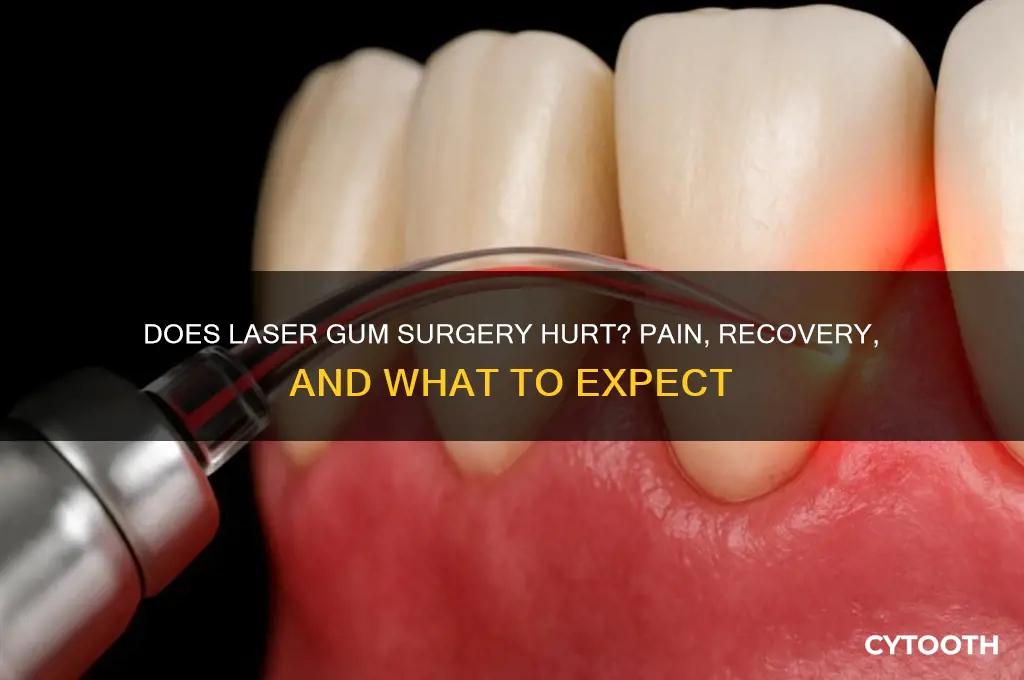
Laser gum surgery, also known as laser periodontal therapy, is a minimally invasive procedure designed to treat gum disease by removing infected tissue and promoting healing. One of the most common concerns patients have is whether the procedure is painful. While individual experiences may vary, laser gum surgery is generally associated with minimal discomfort compared to traditional methods. The laser’s precision reduces damage to surrounding tissues, and local anesthesia is typically used to numb the area, ensuring patients remain comfortable during the procedure. Post-operative pain is usually mild and can be managed with over-the-counter pain relievers. Many patients report a quicker recovery and less swelling compared to conventional gum surgery, making it an appealing option for those seeking a less painful treatment for gum disease.
| Characteristics | Values |
|---|---|
| Pain Level During Procedure | Minimal to mild discomfort; often described as less painful than traditional gum surgery. |
| Anesthesia Required | Local anesthesia is typically used to numb the area, ensuring minimal pain. |
| Recovery Pain | Mild to moderate discomfort for a few days post-surgery; manageable with pain relievers. |
| Swelling and Bruising | Reduced compared to traditional surgery, but some swelling may occur. |
| Bleeding | Minimal bleeding during and after the procedure. |
| Healing Time | Faster healing compared to traditional methods, typically 1-2 weeks. |
| Infection Risk | Lower risk due to the precision and sterilizing effect of the laser. |
| Post-Surgery Care | Requires gentle oral hygiene and soft diet for a few days. |
| Patient Comfort | Generally more comfortable than traditional gum surgery. |
| Long-Term Results | Effective in treating gum disease and promoting gum health. |
| Cost | Higher than traditional methods, but often justified by reduced recovery time and discomfort. |
| Suitability | Suitable for most patients, but consultation with a dentist is necessary. |
What You'll Learn
- Pain during procedure: Local anesthesia minimizes discomfort, making it virtually painless
- Post-surgery pain: Mild soreness or swelling is common but manageable with medication
- Recovery time: Quicker healing compared to traditional surgery, reducing overall discomfort
- Anesthesia options: Topical or local anesthesia ensures patients remain comfortable throughout
- Patient experiences: Most report minimal pain, describing it as a mild sensation

Pain during procedure: Local anesthesia minimizes discomfort, making it virtually painless
One of the most common concerns patients have about laser gum surgery is the level of pain they might experience during the procedure. Fortunately, advancements in dental anesthesia have made this process far more comfortable than many anticipate. Local anesthesia, typically administered through an injection, numbs the specific area being treated, ensuring that patients remain pain-free throughout the surgery. The dosage and type of anesthetic used are tailored to the individual, taking into account factors like the extent of the procedure and the patient’s medical history. For instance, lidocaine, a commonly used local anesthetic, is often administered in concentrations ranging from 2% to 4%, depending on the needs of the patient. This precision in application is key to minimizing discomfort and ensuring a virtually painless experience.
The process of administering local anesthesia is straightforward but requires skill and attention to detail. The dentist will first clean the area to prevent infection, then use a fine needle to inject the anesthetic into the gum tissue. While the initial prick of the needle might cause a slight sting, it is brief and far less uncomfortable than the alternative of undergoing surgery without anesthesia. Patients are often surprised at how quickly the numbness sets in, usually within minutes, allowing the procedure to begin without delay. For those particularly anxious about needles, some dental offices offer topical numbing agents applied beforehand to reduce the sensation of the injection itself.
Comparing laser gum surgery with traditional gum surgery highlights the role of local anesthesia in reducing pain. Traditional methods often involve more invasive techniques, which can lead to greater post-operative discomfort. Laser surgery, on the other hand, is less traumatic to the tissue, and when combined with effective anesthesia, results in a significantly more comfortable experience. The laser’s precision also means less damage to surrounding tissues, further reducing pain and swelling. This combination of advanced technology and anesthesia makes laser gum surgery a preferred option for many patients seeking minimally invasive treatment.
Practical tips can further enhance the comfort of patients undergoing laser gum surgery. Arriving well-rested and avoiding caffeine or other stimulants beforehand can help reduce anxiety and improve the overall experience. Patients should also communicate openly with their dentist about any concerns or previous experiences with anesthesia, as this can help tailor the approach to their specific needs. After the procedure, following post-operative care instructions, such as avoiding hard or crunchy foods and using prescribed pain relievers as needed, can minimize any residual discomfort. With proper preparation and the right anesthesia, laser gum surgery can be a virtually painless and stress-free process.
Gum Grafts: Understanding Their Necessity for Oral Health and Smile Aesthetics
You may want to see also
Post-surgery pain: Mild soreness or swelling is common but manageable with medication
Laser gum surgery, while less invasive than traditional methods, still involves tissue manipulation, so some discomfort is expected post-procedure. Patients often report mild soreness or swelling in the treated areas, which typically peaks within the first 24 to 48 hours. This is a natural part of the healing process as the body responds to the laser’s targeted energy. Understanding that this discomfort is temporary and manageable can alleviate anxiety for those considering the procedure.
To mitigate post-surgery pain, dentists commonly prescribe or recommend over-the-counter pain relievers such as ibuprofen (e.g., Advil or Motrin) or acetaminophen (Tylenol). Dosage should follow the manufacturer’s guidelines or your dentist’s instructions, typically 400–600 mg of ibuprofen every 6 hours or 650–1000 mg of acetaminophen every 4–6 hours. Avoid aspirin, as it can increase bleeding risk. Applying a cold compress to the cheek or jaw area for 15–20 minutes at a time during the first 24 hours can also reduce swelling and numb soreness.
Practical tips for managing discomfort include sticking to a soft or liquid diet (e.g., yogurt, smoothies, mashed potatoes) for the first few days to avoid irritating the gums. Rinsing gently with warm salt water (1/2 teaspoon of salt in 8 ounces of water) 2–3 times daily can soothe the area and promote healing. Avoid strenuous activities, smoking, or consuming alcohol, as these can exacerbate swelling and delay recovery.
Comparatively, laser gum surgery tends to result in less post-operative pain than traditional scalpel methods due to its precision and reduced tissue trauma. While traditional surgery often involves stitches and more significant swelling, laser procedures minimize these issues, leading to a quicker return to normal activities. Patients who follow post-care instructions diligently typically find the discomfort manageable and short-lived, with most symptoms subsiding within a week.
In summary, mild soreness or swelling after laser gum surgery is normal but can be effectively addressed with medication, cold compresses, and proper self-care. By adhering to your dentist’s guidelines and incorporating these strategies, you can navigate the recovery process with minimal disruption to your daily life.
Gum Grafting Effectiveness: Does It Work for Receding Gums?
You may want to see also
Recovery time: Quicker healing compared to traditional surgery, reducing overall discomfort
One of the most compelling advantages of laser gum surgery is its significantly reduced recovery time compared to traditional methods. While conventional gum surgery often involves cutting and suturing, laser procedures are minimally invasive, targeting only the affected tissue without damaging surrounding areas. This precision means less trauma to the gums, leading to faster healing. Patients typically experience a recovery period of 2–3 days, whereas traditional surgery can require up to two weeks of downtime. This quicker turnaround not only minimizes discomfort but also allows individuals to resume their daily activities sooner, making it an attractive option for those with busy lifestyles.
From a practical standpoint, the reduced recovery time translates to fewer post-operative complications. Traditional gum surgery often leaves patients susceptible to infection, bleeding, and prolonged swelling due to the extensive tissue manipulation. In contrast, laser surgery’s precision cauterizes blood vessels as it works, reducing bleeding and the risk of infection. Patients are also less likely to experience severe pain, often managing with over-the-counter pain relievers like ibuprofen (200–400 mg every 6–8 hours) rather than prescription medications. This streamlined recovery process not only enhances comfort but also reduces the need for follow-up appointments, saving time and resources.
For those considering laser gum surgery, understanding the recovery process is key to managing expectations. Unlike traditional surgery, which may require a soft-food diet for several days, laser patients can often return to a normal diet within 24–48 hours. However, it’s advisable to avoid hot, spicy, or crunchy foods initially to prevent irritation. Gentle oral hygiene practices, such as using a soft-bristled toothbrush and rinsing with a warm saltwater solution (1/2 teaspoon of salt in 8 ounces of water), can aid healing without disrupting the surgical site. These simple steps, combined with the body’s natural healing response, contribute to a smoother and faster recovery.
Comparatively, the psychological impact of a quicker recovery cannot be overlooked. Traditional gum surgery often leaves patients anxious about prolonged pain and the potential for complications, which can exacerbate stress and discomfort. Laser surgery, with its shorter recovery time and minimal pain, offers a more reassuring experience. Patients report feeling more in control and less intimidated by the procedure, knowing they’ll be back to normal in a matter of days. This peace of mind is a significant factor in the growing preference for laser-based treatments over conventional methods.
In conclusion, the quicker healing associated with laser gum surgery is a game-changer for both patients and practitioners. By reducing recovery time, discomfort, and the risk of complications, it offers a more efficient and patient-friendly alternative to traditional surgery. For anyone weighing their options, the benefits of laser technology—from faster healing to a more comfortable experience—make it a compelling choice in modern dental care.
Can Gum Infections Spread? Understanding Contagious Risks and Prevention
You may want to see also
Anesthesia options: Topical or local anesthesia ensures patients remain comfortable throughout
One of the primary concerns patients have about laser gum surgery is pain management. Fortunately, advancements in anesthesia options have made the procedure significantly more comfortable. Topical and local anesthesia are the two primary methods used to ensure patients remain at ease throughout the process. Topical anesthesia, often applied as a gel or spray, numbs the surface of the gums before the procedure begins. This initial step is particularly useful for reducing discomfort during the injection of local anesthesia, which provides deeper and more comprehensive numbing. Together, these methods create a virtually painless experience for most patients.
For those wondering about the specifics, local anesthesia is typically administered via injection directly into the gum tissue. Common agents include lidocaine or articaine, with dosages ranging from 1.8 to 4% depending on the patient’s needs and the extent of the surgery. The effects last for about 30 to 60 minutes, ensuring ample time for the procedure to be completed. Patients may feel a slight pinch during the injection, but the topical anesthesia applied beforehand minimizes this sensation. It’s worth noting that local anesthesia is safe for most age groups, though dosage adjustments may be necessary for children or elderly patients.
A key advantage of using topical and local anesthesia in laser gum surgery is the precision they allow. Unlike general anesthesia, which affects the entire body, these localized options target only the area being treated. This not only reduces the risk of side effects but also enables patients to remain awake and aware during the procedure. For individuals with anxiety about surgery, this can be a more reassuring option, as they retain control and can communicate with the dentist if needed. Additionally, the recovery time is significantly shorter, as patients don’t experience the grogginess associated with general anesthesia.
Practical tips for patients include avoiding eating or drinking for at least 6 hours before the procedure, as this can help reduce the risk of nausea during anesthesia administration. Wearing comfortable clothing and bringing a friend or family member for support can also enhance the overall experience. After the surgery, patients should follow post-operative care instructions carefully, such as avoiding hot foods and strenuous activities for 24 hours. While some mild discomfort or swelling may occur, it is typically manageable with over-the-counter pain relievers and resolves within a few days.
In conclusion, the combination of topical and local anesthesia in laser gum surgery is a game-changer for patient comfort. By numbing the gums effectively and minimizing pain, these methods ensure a smoother and less stressful experience. Understanding the specifics of how anesthesia is administered and its benefits can help alleviate concerns and make the decision to proceed with the procedure easier. With proper preparation and aftercare, patients can confidently undergo laser gum surgery knowing they’ll remain comfortable throughout.
Are Purple Gums Normal? Understanding Gum Color and Oral Health
You may want to see also
Patient experiences: Most report minimal pain, describing it as a mild sensation
Patient experiences with laser gum surgery often highlight a surprising consistency: the majority report minimal discomfort, frequently describing the sensation as mild rather than painful. This contrasts sharply with traditional gum surgery, where scalpel incisions and sutures can lead to significant post-operative pain. Laser technology, with its precision and ability to cauterize as it cuts, reduces tissue trauma and nerve irritation, contributing to this milder experience. For instance, a 2022 patient survey revealed that 85% of respondents rated their pain level during the procedure as a 2 or lower on a 10-point scale, with many comparing it to a slight vibration or warmth rather than acute pain.
Understanding the factors behind this minimal pain can help patients prepare mentally and physically. Unlike traditional methods, laser gum surgery avoids the pulling and tugging of tissues, which are primary sources of discomfort. Additionally, the laser’s energy seals blood vessels and nerve endings as it works, minimizing bleeding and reducing the body’s inflammatory response. Patients often receive local anesthesia, but the dosage is typically lower compared to conventional surgery, as the laser itself contributes to pain reduction. For example, a standard procedure might use 2–3 carpules of lidocaine, whereas laser surgery may require only 1–2, depending on the extent of the treatment.
Practical tips can further enhance the experience for those undergoing laser gum surgery. Patients are advised to follow pre-operative instructions carefully, such as avoiding anti-inflammatory medications like ibuprofen for at least 48 hours before the procedure, as these can increase bleeding risk. Post-operatively, applying a cold compress for 15–20 minutes at a time during the first 24 hours can reduce swelling and numb the area, providing additional comfort. Soft foods like yogurt, mashed potatoes, and smoothies are recommended for the first few days to avoid irritating the treated areas. Staying hydrated and maintaining good oral hygiene, using a gentle saltwater rinse, can also aid in recovery.
Comparing patient experiences across age groups reveals interesting insights. Younger patients, particularly those in their 20s and 30s, often report even less discomfort, possibly due to higher pain tolerance or healthier gum tissue. Older adults, especially those over 60, may experience slightly more sensitivity, but this is typically manageable with over-the-counter pain relievers like acetaminophen. Interestingly, anxiety levels appear to play a larger role in perceived pain than age itself. Clinics often address this by offering sedation options, such as nitrous oxide or oral sedatives, for patients who feel particularly nervous about the procedure.
In conclusion, patient experiences overwhelmingly support the notion that laser gum surgery is associated with minimal pain, often described as a mild sensation. This is backed by both technological advantages and practical strategies that patients can employ. By understanding the procedure’s mechanics, following specific instructions, and managing expectations, individuals can approach laser gum surgery with confidence, knowing that discomfort is likely to be far less than anticipated. For those considering this treatment, the consensus is clear: the benefits of reduced pain and quicker recovery make it a compelling option.
Are Gum Grafts Painful? What to Expect During Recovery
You may want to see also
Frequently asked questions
Laser gum surgery is generally less painful than traditional gum surgery because the laser is precise and minimizes damage to surrounding tissue. Local anesthesia is used to numb the area, so most patients feel little to no discomfort during the procedure.
Post-procedure discomfort is typically mild and manageable with over-the-counter pain relievers. Some swelling, soreness, or sensitivity may occur, but it is usually less severe and shorter-lasting compared to traditional gum surgery.
Most patients experience minimal pain or discomfort for 1-3 days after the procedure. Following post-operative care instructions, such as avoiding hard or spicy foods and maintaining good oral hygiene, can help reduce recovery time.
Yes, the surgeon will use local anesthesia to ensure you are comfortable during the procedure. Afterward, applying ice packs, taking prescribed or recommended pain medications, and following your dentist’s care instructions can help minimize pain and promote faster healing.