Olivia Bennett
Gum surgery, also known as periodontal surgery, is a common dental procedure aimed at treating gum disease, correcting gum recession, or improving the overall health of the gums. While the thought of surgery can be daunting, advancements in dental techniques and anesthesia have significantly reduced discomfort during and after the procedure. Patients typically experience minimal pain during the surgery itself, as local anesthesia is used to numb the affected area. Post-operative discomfort varies but is generally manageable with prescribed pain medication and proper aftercare. Swelling, bruising, and sensitivity are common in the days following the surgery, but these symptoms usually subside within a week. Overall, while gum surgery is not entirely pain-free, it is often less painful than patients anticipate, and the long-term benefits to oral health far outweigh the temporary discomfort.
| Characteristics | Values |
|---|---|
| Pain During Surgery | Minimal to none due to local anesthesia (numbing the area). |
| Post-Surgery Pain Level | Mild to moderate, depending on the type and extent of the procedure. |
| Duration of Pain | Typically lasts 24–72 hours, gradually decreasing over time. |
| Common Pain Descriptions | Throbbing, soreness, or discomfort in the gums and jaw. |
| Pain Management | Over-the-counter pain relievers (e.g., ibuprofen) or prescribed medication. |
| Swelling and Discomfort | Common for a few days post-surgery, contributing to overall discomfort. |
| Bleeding | Minor bleeding may occur, but severe bleeding is rare. |
| Recovery Time | 1–2 weeks for initial healing; full recovery may take several weeks. |
| Impact on Daily Activities | Temporary difficulty eating hard or chewy foods; soft diet recommended. |
| Follow-Up Care | Regular check-ups and proper oral hygiene to ensure healing and prevent complications. |
| Patient Experience | Varies; most patients report manageable pain with proper care. |
What You'll Learn

Pre-surgery anxiety and pain expectations
Anxiety before gum surgery often stems from the unknown, particularly regarding pain levels. Patients frequently overestimate discomfort based on hearsay or outdated information, amplifying pre-surgery jitters. Understanding the actual pain scale—typically mild to moderate—can recalibrate expectations. For instance, most procedures rate around 3-4 on a 10-point scale, comparable to a minor toothache, not a root canal. Knowing this can shift focus from fear to preparation, reducing anxiety through informed anticipation.
To manage pre-surgery anxiety, start with clear communication. Ask your dentist or periodontist for a detailed breakdown of the procedure, including anesthesia type (local, sedation, etc.) and post-op pain management. For example, local anesthesia with lidocaine is standard, ensuring the surgical area is numb during the procedure. For anxious patients, nitrous oxide or oral sedatives like diazepam (5-10 mg taken 1 hour prior) can be prescribed to induce calmness. Pairing medical reassurance with practical knowledge empowers patients to approach surgery with confidence rather than dread.
Comparing gum surgery pain to everyday experiences can demystify expectations. Post-operative discomfort is often likened to the soreness after a strenuous workout or a mild sunburn. Swelling and tenderness peak within 24-48 hours, gradually subsiding with proper care. Over-the-counter pain relievers such as ibuprofen (600 mg every 6 hours) or acetaminophen (1000 mg every 8 hours) effectively manage pain for most patients. Cold compresses applied in 15-minute intervals during the first day further reduce inflammation, offering both physical and psychological relief.
Finally, mental preparation is as crucial as physical readiness. Techniques like deep breathing exercises, guided meditation, or listening to calming music before and after surgery can significantly lower stress levels. Visualizing a successful outcome, backed by the knowledge that gum surgery has a high success rate and minimal pain, reinforces a positive mindset. Remember, anxiety often exaggerates perceived pain; staying informed and proactive transforms a daunting experience into a manageable one.
Aging and Gum Recession: Understanding Natural Changes in Oral Health
You may want to see also
Types of gum surgery and pain levels
Gum surgery encompasses a range of procedures, each with its own pain profile. Understanding these differences can help patients prepare mentally and physically for the experience. For instance, gingivectomy, a procedure to remove excess gum tissue, typically involves minimal discomfort. Local anesthesia numbs the area, and patients often describe the sensation as pressure rather than pain. Post-operative soreness is manageable with over-the-counter pain relievers like ibuprofen (600–800 mg every 6–8 hours) and resolves within a few days.
In contrast, gum grafting, which addresses receding gums, can be more uncomfortable due to the complexity of the procedure. Surgeons often take tissue from the palate, creating a dual-site soreness. While local anesthesia is used, patients may experience moderate pain for 3–5 days post-surgery. Prescription pain medications like hydrocodone may be necessary, but they should be taken as directed to avoid dependency. Applying ice packs for 20 minutes on, 20 minutes off, can reduce swelling and pain during the first 48 hours.
Deep cleaning (scaling and root planing) is less invasive but can still cause sensitivity. This non-surgical procedure removes plaque and tartar below the gumline, often requiring local anesthesia. Patients may feel mild to moderate discomfort during and after the procedure, which can be alleviated with acetaminophen (500–1000 mg every 4–6 hours). Rinsing with warm salt water (1/2 teaspoon of salt in 8 ounces of water) 2–3 times daily promotes healing and reduces irritation.
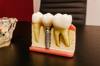
For dental implant surgery, pain levels vary based on the extent of the procedure. Single implants cause less discomfort than full-mouth reconstructions, which may involve bone grafting. Local anesthesia and sedation are commonly used, with post-operative pain managed by a combination of ibuprofen and prescribed opioids. Patients should avoid strenuous activity for 48–72 hours and stick to soft foods to minimize stress on the surgical site.
In summary, the pain associated with gum surgery depends on the type of procedure, with gingivectomy and deep cleaning being less painful than gum grafting and dental implant surgery. Proper pain management, including medication, ice packs, and aftercare practices, can significantly improve recovery. Always follow your dentist’s instructions to ensure a smooth healing process.
Gum Grafting Effectiveness: Does It Work for Receding Gums?
You may want to see also
Anesthesia options for pain management
Gum surgery, whether it’s a gingival graft, periodontal flap procedure, or tooth extraction, inherently involves tissue manipulation, which can trigger discomfort. The level of pain experienced varies widely based on individual pain tolerance, the extent of the surgery, and the anesthesia used. Effective pain management hinges on selecting the right anesthetic approach, tailored to the procedure’s complexity and the patient’s needs. Local anesthesia remains the cornerstone, but adjunctive options like sedation or nerve blocks can further enhance comfort. Understanding these choices empowers patients to make informed decisions and ensures a smoother surgical experience.
Local anesthesia is the standard for gum surgery, administered via injection to numb the surgical site. Common agents include lidocaine (2% solution) and articaine (4% with epinephrine), which provide numbness for 30–90 minutes. For longer procedures, a slow-release formulation like bupivacaine (0.5%) may be used, extending duration to 4–6 hours. Dentists often combine anesthesia with a vasoconstrictor (e.g., epinephrine) to prolong its effect and minimize bleeding. While injections may cause a brief stinging sensation, the area becomes completely numb within minutes, eliminating pain during surgery. Patients with needle phobia or anxiety may benefit from topical numbing agents (e.g., benzocaine gel) applied beforehand to reduce injection discomfort.
For patients with severe dental anxiety or those undergoing extensive procedures, conscious sedation offers a deeper level of relaxation. Options include nitrous oxide (laughing gas), administered via a nasal mask at a 50–70% concentration, which induces mild euphoria and reduces pain perception. Alternatively, oral sedatives like diazepam (5–10 mg) or intravenous sedation with midazolam (1–5 mg) can be used, requiring monitoring by an anesthesiologist. Sedation doesn’t replace local anesthesia but complements it by calming the patient and minimizing awareness of the procedure. Post-surgery, patients may feel groggy for several hours, so arranging transportation home is essential.
In rare cases, such as complex periodontal surgeries or patients with extreme sensitivity, nerve blocks may be employed. These target specific nerves to numb larger areas, such as the inferior alveolar block for lower jaw procedures or the palatal block for upper gum work. While effective, nerve blocks carry risks like temporary facial numbness or hematoma, making them a last resort. Dentists carefully assess the patient’s anatomy and medical history before opting for this technique. For children or uncooperative patients, general anesthesia in a hospital setting may be necessary, though this is uncommon for routine gum surgeries.
Practical tips can further optimize pain management. Patients should avoid eating or drinking hot beverages immediately post-surgery to prevent burns to the numbed area. Over-the-counter pain relievers like ibuprofen (600 mg every 6 hours) or acetaminophen (1000 mg every 8 hours) can manage residual discomfort. Applying ice packs in 15-minute intervals reduces swelling and numbs the area naturally. Following the dentist’s aftercare instructions, such as avoiding strenuous activity and using prescribed rinses, accelerates healing and minimizes pain. By combining the right anesthesia with proactive post-op care, gum surgery can be a manageable, even comfortable experience.
Flossing and Receding Gums: Unraveling the Truth for Gum Health
You may want to see also
Post-surgery pain and recovery timeline
Gum surgery, whether it’s a gingivectomy, gum graft, or periodontal flap procedure, often raises concerns about post-operative pain and recovery. Understanding the timeline can alleviate anxiety and help patients prepare effectively. Pain levels vary widely depending on the type of surgery, individual pain tolerance, and adherence to aftercare instructions. Typically, the most intense discomfort occurs within the first 24 to 48 hours post-surgery, gradually subsiding over the following days.
Immediate Post-Surgery (0–48 Hours):
Expect moderate to severe pain during this phase, especially once the local anesthesia wears off. Swelling, bruising, and bleeding are common. Over-the-counter pain relievers like ibuprofen (600–800 mg every 6–8 hours) or acetaminophen (500–1000 mg every 4–6 hours) can manage discomfort, but avoid aspirin as it may increase bleeding. Applying ice packs in 15-minute intervals during the first 24 hours reduces swelling. Stick to a soft, cold diet (e.g., yogurt, smoothies) and avoid hot foods or drinks that could dissolve blood clots.
Days 3–7:
Pain should decrease significantly, though some tenderness and swelling may persist. Transition to a lukewarm soft diet (e.g., mashed potatoes, scrambled eggs) but avoid crunchy or spicy foods. Gentle rinsing with warm salt water (1/2 teaspoon salt in 8 oz water) after meals helps keep the surgical site clean. Avoid vigorous rinsing or using straws, as suction can dislodge clots. If prescribed antibiotics, complete the full course to prevent infection.
Weeks 2–4:
Most patients feel substantially better by this stage, with minimal pain and reduced swelling. Normal brushing can resume, but use a soft-bristled toothbrush and avoid the surgical area until fully healed. Follow-up appointments are crucial to monitor healing and remove any sutures if applicable. Strenuous activities should still be avoided to prevent complications.
Practical Tips for Faster Recovery:
Elevate your head with extra pillows while sleeping to minimize swelling. Avoid smoking or vaping, as they impair healing and increase infection risk. Stay hydrated, but skip alcohol, as it can interfere with pain medications and healing. If pain worsens, swelling increases, or pus develops, contact your dentist immediately, as these could indicate infection.
By following this timeline and aftercare guidelines, most patients can manage post-surgery pain effectively and ensure a smooth recovery. Patience and adherence to instructions are key to achieving optimal healing outcomes.
How Quickly Do Gums Heal After Injury or Dental Work?
You may want to see also
Pain relief methods and medications available
Gum surgery, whether it’s a gingival graft, deep cleaning, or periodontal procedure, often raises concerns about post-operative pain. Fortunately, pain relief methods and medications are readily available to manage discomfort effectively. The key lies in understanding the options and tailoring them to individual needs. Over-the-counter (OTC) pain relievers like ibuprofen (200–400 mg every 4–6 hours) or acetaminophen (500–1000 mg every 4–6 hours) are typically the first line of defense. Ibuprofen, a nonsteroidal anti-inflammatory drug (NSAID), reduces both pain and swelling, making it particularly effective for gum surgery recovery. However, it’s crucial to avoid aspirin, as it can increase bleeding risk. Always follow dosage instructions and consult a dentist or pharmacist if unsure.
For more intense pain, prescription medications may be necessary. Dentists often prescribe opioids like hydrocodone or oxycodone, but these should be used sparingly due to their potential for dependency and side effects like nausea or constipation. A safer alternative is a combination of OTC pain relievers with a prescription-strength NSAID or a low-dose opioid, ensuring adequate pain control without over-reliance on strong narcotics. It’s essential to take these medications as directed and only for the prescribed duration. Additionally, applying a cold compress to the cheek for 15–20 minutes at a time during the first 24–48 hours can significantly reduce swelling and numb the area, complementing medication use.
Beyond pharmaceuticals, non-medication methods play a vital role in pain management. Rinsing with warm salt water (1/2 teaspoon of salt in 8 ounces of water) 2–3 times daily helps soothe irritated gums and promotes healing. Avoiding hot, spicy, or crunchy foods and sticking to soft, cool options like yogurt or smoothies minimizes irritation. Elevating the head while sleeping reduces blood flow to the face, decreasing swelling and discomfort. For those who prefer natural remedies, clove oil applied topically (diluted with a carrier oil) can act as a mild anesthetic due to its eugenol content, though it should be used cautiously to avoid tissue irritation.
Lastly, communication with your dentist is paramount. If pain persists or worsens despite medication, it could indicate an infection or complication requiring immediate attention. Dentists may also recommend topical anesthetics like lidocaine gels or oral rinses containing benzocaine for targeted relief. For pediatric patients or adults with sensitivity to pills, liquid formulations or dissolvable pain relievers can be more practical. Combining these methods—medications, home remedies, and professional guidance—ensures a smoother recovery, transforming a potentially painful experience into a manageable one.
Are Zyn Pouches Harmful to Your Gum Health? Find Out Now
You may want to see also
Frequently asked questions
Gum surgery is typically performed under local anesthesia, so you should not feel pain during the procedure. However, you may experience pressure or sensations of tugging.
Recovery discomfort varies but is usually manageable with pain medication. You may experience swelling, soreness, or mild pain for a few days to a week.
Pain levels depend on the individual and the type of surgery, but gum surgery is generally less painful than a tooth extraction, with milder recovery discomfort.
Most pain and discomfort subside within 3–7 days, though minor soreness may persist for up to two weeks. Following post-operative care instructions can help minimize pain.