Samantha Blake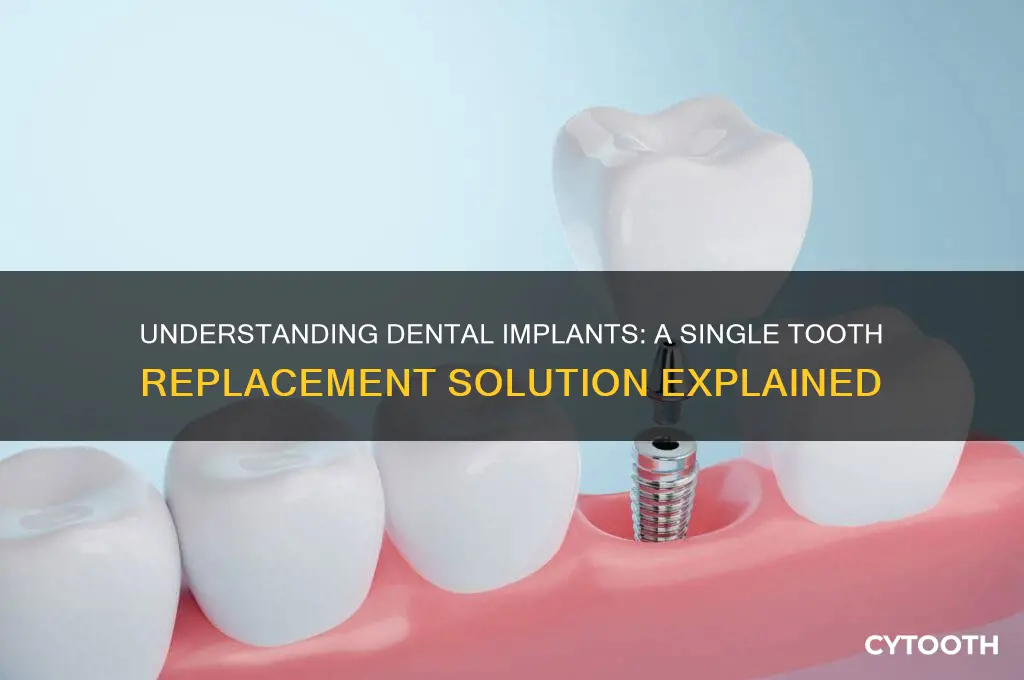
Dental implants offer a durable and natural-looking solution for replacing a single missing tooth, functioning much like a real tooth root. The process begins with the surgical placement of a titanium implant post into the jawbone, which acts as a sturdy foundation. Over time, the implant fuses with the bone through a process called osseointegration, ensuring stability and strength. Once the implant is securely integrated, an abutment is attached to connect the implant to a custom-made crown, which is designed to match the color, shape, and size of the surrounding teeth. This seamless integration not only restores the tooth’s appearance but also its functionality, allowing for normal chewing, speaking, and smiling. Unlike traditional bridges or dentures, dental implants preserve the integrity of adjacent teeth and help prevent bone loss, making them a long-term and reliable option for single-tooth replacement.
What You'll Learn
- Implant Placement Process: Surgical insertion of titanium post into jawbone where the missing tooth was located
- Osseointegration Explained: Jawbone fuses with implant, creating a stable foundation for the new tooth
- Abutment Attachment: Connector piece is added to secure the crown to the implant
- Custom Crown Design: Porcelain or ceramic crown is crafted to match natural teeth in shape and color
- Aftercare and Maintenance: Regular brushing, flossing, and dental check-ups ensure long-term implant success

Implant Placement Process: Surgical insertion of titanium post into jawbone where the missing tooth was located
The implant placement process begins with a surgical procedure that anchors a titanium post directly into the jawbone at the site of the missing tooth. This post, often referred to as the implant, acts as a replacement for the tooth’s natural root. Titanium is chosen for its biocompatibility, meaning the body readily accepts it without rejection or adverse reactions. The procedure is typically performed under local anesthesia, ensuring the patient remains comfortable throughout. For anxious patients, sedation options like nitrous oxide or IV sedation may be offered to ease nerves.
Once the area is numbed, the dentist or oral surgeon makes a small incision in the gum tissue to expose the underlying bone. Using precision drills, a pilot hole is created in the bone, gradually widened to accommodate the titanium post. The implant is then carefully inserted and positioned at the optimal angle to mimic the natural tooth’s orientation. This step requires meticulous planning, often aided by 3D imaging and digital scans, to ensure the implant integrates seamlessly with the surrounding bone and adjacent teeth. The incision is sutured closed, and the healing process begins.
Post-surgery, osseointegration is the critical phase where the jawbone fuses with the titanium implant, creating a stable foundation for the replacement tooth. This process typically takes 3 to 6 months, during which patients are advised to follow a soft-food diet and maintain excellent oral hygiene. Avoiding excessive pressure on the implant site, such as chewing hard foods or using straws, is crucial to prevent complications. Regular follow-up appointments allow the dentist to monitor healing and ensure the implant is integrating properly.
While the procedure is highly successful, with a success rate of over 95%, certain factors can influence outcomes. Patients with conditions like diabetes, osteoporosis, or a history of smoking may experience slower healing or increased risk of implant failure. Pre-surgical evaluations, including bone density tests, help identify potential issues and determine if additional procedures, such as bone grafting, are necessary. With proper care and planning, the surgical insertion of a titanium post is a reliable and long-lasting solution for replacing a single missing tooth.
How Braces Gently Pull Teeth Forward: The Orthodontic Process Explained
You may want to see also
Osseointegration Explained: Jawbone fuses with implant, creating a stable foundation for the new tooth
Dental implants are a marvel of modern dentistry, offering a permanent solution for missing teeth. At the heart of their success lies osseointegration, a biological process where the jawbone fuses with the implant, creating a stable foundation for the new tooth. This fusion is not merely a mechanical attachment but a dynamic interaction between the implant’s titanium surface and the body’s natural bone tissue. Understanding this process is key to appreciating why dental implants are considered the gold standard in tooth replacement.
The journey of osseointegration begins with the surgical placement of the implant into the jawbone. Titanium, the material of choice for implants, is biocompatible, meaning it is accepted by the body without triggering an immune response. Over time, typically 3 to 6 months, bone cells gradually grow and adhere to the implant’s roughened surface. This is not a passive process; it involves the body’s natural healing mechanisms, including the formation of new bone tissue. During this period, patients must avoid putting pressure on the implant to ensure undisturbed healing. For instance, a 45-year-old patient with a single missing molar might be advised to stick to a soft diet and avoid chewing on the implant side until osseointegration is complete.
Comparatively, other tooth replacement options like bridges or dentures rely on adjacent teeth or adhesives for support, which can lead to long-term issues such as bone loss or discomfort. Osseointegration, however, mimics the natural tooth root, stimulating the jawbone and preventing atrophy. This is particularly crucial for single-tooth implants, as it ensures the surrounding teeth and bone structure remain intact. For example, a 30-year-old patient with a missing front tooth can benefit from an implant’s ability to preserve facial aesthetics and oral function without compromising neighboring teeth.
To optimize osseointegration, dentists often recommend specific post-operative care. This includes maintaining excellent oral hygiene to prevent infection, which can disrupt the fusion process. Patients may also be prescribed antibiotics or antimicrobial mouthwashes, especially if they have a history of gum disease. Additionally, avoiding smoking is critical, as it impairs blood flow and delays healing. A practical tip for patients is to use a soft-bristled toothbrush and non-alcoholic mouthwash during the initial healing phase to minimize irritation around the implant site.
In conclusion, osseointegration is the cornerstone of dental implant success, transforming a titanium post into a functional tooth root. Its ability to integrate seamlessly with the jawbone provides unparalleled stability and longevity, making it an ideal solution for single-tooth replacement. By understanding this process and following proper care guidelines, patients can ensure their implant not only restores their smile but also maintains oral health for decades to come.
Dental Implants vs. Bridges, Dentures: Which Tooth Replacement Option is Best?
You may want to see also
Abutment Attachment: Connector piece is added to secure the crown to the implant
The abutment attachment is a critical step in the dental implant process, serving as the bridge between the implant and the final crown. Once the implant has fused with the jawbone—a process known as osseointegration—the abutment is added to connect the implant to the prosthetic tooth. This small, custom-made piece is typically screwed or cemented onto the implant, providing a stable foundation for the crown. Without the abutment, the crown would lack the necessary support and alignment, compromising both function and aesthetics.
From an analytical perspective, the abutment’s design and material are tailored to the patient’s specific needs. Titanium and zirconia are common choices due to their biocompatibility and durability. The angle and shape of the abutment are also crucial, as they determine how well the crown will fit and mimic the natural tooth’s position. A poorly fitted abutment can lead to issues like gum irritation, uneven bite, or even implant failure. Dentists use digital imaging and impressions to ensure precision, often involving computer-aided design (CAD) technology for optimal results.
For those considering this procedure, understanding the abutment attachment process can alleviate concerns. After the implant is placed, a healing period of 3–6 months is typically required for osseointegration. Once the implant is stable, the abutment is attached in a minor surgical procedure, often under local anesthesia. Patients may experience mild discomfort or swelling for a few days, but this is usually manageable with over-the-counter pain relievers like ibuprofen (200–400 mg every 6–8 hours, as directed by a dentist). Following the dentist’s post-care instructions, such as avoiding hard foods and maintaining oral hygiene, is essential for a smooth recovery.
Comparatively, the abutment attachment in single-tooth implants differs from full-arch restorations. In single-tooth cases, the abutment is designed to support one crown, focusing on individual alignment and aesthetics. In contrast, full-arch restorations often use multiple abutments or a bar system to distribute the load across several implants. This distinction highlights the importance of personalized treatment planning, as each case requires a unique approach to ensure long-term success.
Finally, the abutment attachment is not just a technical step but a transformative one. It marks the transition from a hidden implant to a functional, natural-looking tooth. Patients often report a significant boost in confidence and comfort once the crown is secured. Practical tips include scheduling regular dental check-ups to monitor the implant’s health and avoiding habits like teeth grinding, which can strain the abutment. With proper care, a dental implant with a well-fitted abutment can last a lifetime, making it a worthwhile investment in oral health.
Understanding Dead Teeth: Causes, Symptoms, and Treatment Options Explained
You may want to see also
Custom Crown Design: Porcelain or ceramic crown is crafted to match natural teeth in shape and color
A single missing tooth can disrupt your smile's harmony, affecting both aesthetics and function. Custom crown design steps in as the final, transformative stage of a dental implant procedure, ensuring the replacement tooth blends seamlessly with its natural neighbors.
The Art of Mimicry: Crafting a Crown That Belongs
Imagine a sculptor meticulously shaping clay to match the unique contours of a single flower petal. Similar precision goes into crafting a porcelain or ceramic crown for a dental implant. The process begins with a detailed impression of your mouth, capturing the size, shape, and shade of your surrounding teeth. This impression serves as the blueprint for the dental lab, where skilled technicians use advanced materials and techniques to create a crown that mirrors the natural tooth in every detail.
High-quality porcelain and ceramic offer exceptional biocompatibility, meaning they are well-tolerated by the body and resistant to staining. These materials can be meticulously shaded and layered to replicate the subtle translucency and color variations found in natural enamel, ensuring the crown appears lifelike and indistinguishable from your other teeth.
Beyond Aesthetics: Function Meets Form
While aesthetics are paramount, a custom crown's success extends beyond mere appearance. The crown must also be designed to withstand the forces of chewing and biting, ensuring long-term durability. This involves careful consideration of the crown's thickness, shape, and bite alignment.
A well-designed crown will distribute chewing forces evenly, preventing undue stress on the implant and surrounding teeth. This not only protects the implant's longevity but also safeguards the health of your jawbone and gums.
The Collaborative Process: Dentist and Patient as Partners
Creating a truly custom crown is a collaborative effort between dentist and patient. During consultations, you'll discuss your desired shade, shape, and any specific concerns you may have. Your dentist will guide you through the available options, considering factors like your bite, oral health, and budget.
Modern technology plays a crucial role in this process. Digital impressions and computer-aided design (CAD) software allow for precise measurements and virtual crown design, ensuring a perfect fit and minimizing adjustments during the final placement.
Investing in a Lasting Smile
A custom porcelain or ceramic crown is an investment in your oral health and confidence. While the initial cost may be higher than other restoration options, the long-term benefits are undeniable. A well-crafted crown can last for decades with proper care, providing a natural-looking, functional replacement for your missing tooth.
Substances and Their Impact: Unraveling How They Alter Tooth Structure
You may want to see also
Aftercare and Maintenance: Regular brushing, flossing, and dental check-ups ensure long-term implant success
Dental implants are a long-term solution for replacing a single missing tooth, but their success hinges on diligent aftercare. Unlike natural teeth, implants aren't susceptible to decay, but the surrounding gum tissue and bone require meticulous maintenance to prevent complications like peri-implantitis, a destructive inflammatory condition. Think of your implant as a high-performance car: it's built to last, but regular servicing is essential to keep it running smoothly.
Neglecting oral hygiene around an implant can lead to bacterial buildup, causing irritation, infection, and ultimately, implant failure.
Daily Rituals for Implant Longevity:
Imagine your implant as a prized possession – it deserves a dedicated cleaning routine. Brush twice daily with a soft-bristled toothbrush and non-abrasive toothpaste, paying extra attention to the area around the implant crown. Floss daily using unwaxed floss or implant-specific floss recommended by your dentist. This removes plaque and debris from beneath the gum line, a crucial step often overlooked. Consider adding an antimicrobial mouthwash to your routine, especially if you're prone to gum disease.
Remember, consistency is key. Skipping these daily rituals even occasionally can create a breeding ground for bacteria, jeopardizing your implant's stability.
Professional Check-Ups: Your Implant's Best Friend
While your at-home care is paramount, regular dental check-ups are equally vital. Schedule appointments every six months, or as recommended by your dentist. During these visits, your dentist will meticulously examine your implant, checking for signs of inflammation, bone loss, or loose components. Professional cleanings remove stubborn tartar buildup that brushing and flossing alone can't tackle. These check-ups are preventative measures, allowing your dentist to identify and address potential issues before they escalate into major problems.
Lifestyle Choices: Supporting Implant Health
Beyond brushing and flossing, certain lifestyle choices can significantly impact your implant's longevity. Avoid smoking, as it impairs blood flow to the gums and increases the risk of implant failure. Limit sugary foods and beverages, which fuel bacterial growth. If you grind your teeth, consider a night guard to protect your implant from excessive pressure. Remember, your implant is an investment in your oral health and overall well-being. By adopting these aftercare practices, you're not just maintaining a tooth replacement – you're safeguarding your smile for years to come.
How Braces Rotate Teeth: Understanding Orthodontic Mechanics and Movement
You may want to see also
Frequently asked questions
A dental implant for one tooth involves placing a titanium post into the jawbone where the missing tooth was. This post acts as a root, and once it fuses with the bone (a process called osseointegration), a custom-made crown is attached to restore the tooth's appearance and function.
The procedure is typically performed under local anesthesia, so you won’t feel pain during the surgery. Afterward, mild discomfort or swelling may occur, but this can be managed with pain medication and usually resolves within a few days.
The entire process can take several months. The implant post is placed first, followed by a healing period of 3–6 months for osseointegration. After that, the abutment and crown are attached, completing the restoration.
Most people with good oral and overall health are candidates for dental implants. However, factors like insufficient bone density, gum disease, or certain medical conditions may require additional treatments or make implants less suitable.
With proper care, a dental implant can last a lifetime. The crown may need replacement after 10–15 years due to wear, but the implant itself is designed to be permanent. Regular dental check-ups and good oral hygiene are essential for longevity.