Logan Hayes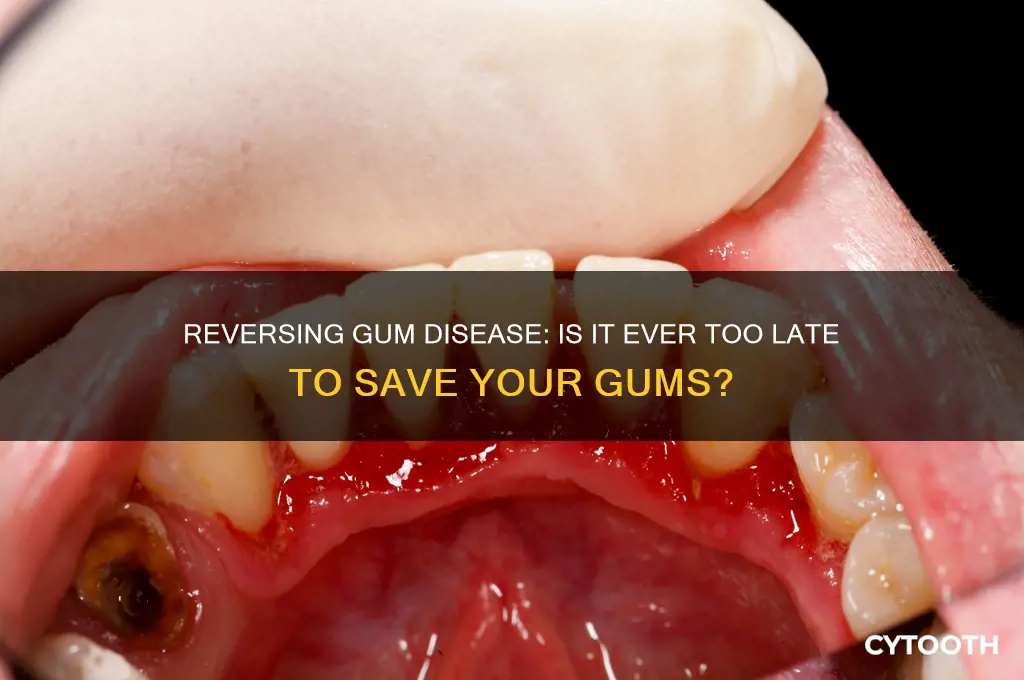
Gum disease, also known as periodontal disease, is a common yet serious condition that can lead to tooth loss and other health complications if left untreated. Many individuals wonder at what point it becomes too late to reverse its effects. The progression of gum disease typically occurs in stages, starting with gingivitis, which is often reversible with proper oral hygiene and professional care. However, if it advances to periodontitis, the damage to the gums and bone becomes more severe, and while treatment can manage the condition and prevent further deterioration, complete reversal becomes increasingly challenging. Early intervention is crucial, as advanced stages may require more aggressive treatments like deep cleaning, surgery, or even tooth extraction. Therefore, recognizing symptoms such as bleeding gums, bad breath, or receding gums early on and seeking timely dental care can significantly improve the chances of reversing gum disease before it reaches an irreversible state.
| Characteristics | Values |
|---|---|
| Stage of Gum Disease | Advanced periodontitis (Stage III or IV) |
| Bone Loss | Significant or irreversible bone loss around teeth |
| Tooth Mobility | Severe tooth mobility or loosening |
| Gum Recession | Extensive gum recession exposing tooth roots |
| Pocket Depth | Deep periodontal pockets (>6mm) that cannot be cleaned effectively |
| Treatment Options | Limited to maintenance therapy, surgical intervention, or tooth extraction |
| Reversibility | Damage is irreversible; focus shifts to preventing further progression |
| Symptoms | Persistent bad breath, pus between teeth, severe pain, or abscesses |
| Time Frame | Early stages (gingivitis) are reversible; advanced stages are not |
| Prevention Focus | Managing symptoms, preventing tooth loss, and maintaining oral hygiene |
What You'll Learn

Early Detection Benefits
Gum disease, or periodontal disease, progresses silently, often without noticeable symptoms until it reaches advanced stages. Early detection is crucial because the initial phase, gingivitis, is entirely reversible with proper care. At this stage, the gums may bleed during brushing or appear red and swollen, but there’s no irreversible damage to the bone or tissue. Ignoring these signs allows the disease to advance to periodontitis, where bacteria erode the bone supporting the teeth, leading to permanent loss of attachment and potential tooth loss. The window for reversal narrows significantly once this occurs, making early intervention not just beneficial but essential.
Consider the analogy of a small leak in a roof. Addressing it promptly prevents water damage, mold, and structural issues. Similarly, catching gum disease early allows for simple, non-invasive treatments like professional cleanings, improved oral hygiene, and possibly antimicrobial mouthwashes. For instance, a 0.12% chlorhexidine rinse, used twice daily for 30 seconds, can reduce plaque and gingivitis when paired with brushing and flossing. Delaying action until periodontitis may require costly and invasive procedures like deep cleanings, gum surgery, or bone grafts, with no guarantee of full recovery.
From a financial perspective, early detection saves money. Basic treatments for gingivitis, such as dental cleanings and preventive products, cost significantly less than advanced interventions. For example, a scaling and root planing procedure for periodontitis can range from $150 to $300 per quadrant, whereas a routine cleaning averages $75 to $200. Insurance coverage often diminishes for advanced treatments, leaving patients with higher out-of-pocket expenses. Investing in early care is not just a health decision but a financial one.
Beyond cost and treatment complexity, early detection preserves overall health. Research links advanced gum disease to systemic conditions like heart disease, diabetes, and respiratory issues. For instance, individuals with periodontitis are nearly twice as likely to develop coronary artery disease. Addressing gum disease in its early stages reduces inflammation and bacterial load, lowering the risk of these complications. For adults over 40, who are at higher risk for both gum disease and chronic conditions, this connection is particularly critical.
Finally, early detection maintains quality of life. Advanced gum disease can cause pain, bad breath, and difficulty eating, impacting social interactions and self-esteem. Reversing gingivitis ensures a confident smile and functional teeth, allowing individuals to enjoy food and conversation without discomfort. Practical tips include brushing twice daily with a soft-bristled toothbrush, flossing daily, and visiting a dentist every six months for check-ups. For those with risk factors like smoking or diabetes, more frequent visits may be necessary. The takeaway is clear: early detection isn’t just about saving teeth—it’s about safeguarding health, finances, and well-being.
Effective Toothpaste Options to Reverse Gum Disease and Restore Oral Health
You may want to see also
Advanced Periodontitis Risks
Advanced periodontitis, the most severe form of gum disease, is not just a dental issue—it’s a systemic threat. At this stage, the destruction of gum tissue, bone, and ligaments supporting the teeth is irreversible. However, the risks extend beyond tooth loss. Research shows a strong link between advanced periodontitis and cardiovascular disease, diabetes complications, and even respiratory conditions. The chronic inflammation in your gums can trigger inflammatory responses elsewhere in the body, making this condition a silent contributor to broader health decline.
Consider the progression: untreated gingivitis evolves into periodontitis, and without intervention, it advances to the point where pockets between gums and teeth deepen, often exceeding 6 millimeters. At this stage, professional deep cleaning (scaling and root planing) becomes less effective, and surgical interventions like flap surgery or bone grafts may be necessary. Yet, even these measures aim to manage the disease, not reverse it. The takeaway? Advanced periodontitis is a tipping point where prevention shifts to damage control, underscoring the urgency of early intervention.
For those over 50, the risks are compounded. Age-related factors like reduced saliva production, medication side effects, and weakened immune responses can accelerate gum disease progression. For example, seniors with diabetes face a two-way street of risk: diabetes increases susceptibility to periodontitis, and severe gum disease can worsen glycemic control. Practical steps for this age group include regular dental check-ups every 3–4 months, using fluoride toothpaste, and staying hydrated to combat dry mouth. Ignoring these measures can lead to rapid deterioration, making it too late to salvage oral and overall health.
A comparative analysis reveals that smokers with advanced periodontitis face a grim prognosis. Smoking impairs blood flow to gum tissues, slows healing, and masks symptoms like gum bleeding, delaying treatment. Studies indicate smokers are 4 times more likely to develop advanced periodontitis than non-smokers. Quitting smoking is non-negotiable for anyone aiming to manage this condition. Pairing smoking cessation with professional treatment can slow disease progression, though the damage already done remains permanent.
Finally, a persuasive argument: advanced periodontitis is not a local problem but a systemic red flag. Its risks—tooth loss, systemic inflammation, and chronic disease exacerbation—are avoidable with proactive care. Brush twice daily with a soft-bristled toothbrush, floss daily, and use an antimicrobial mouthwash. If you notice persistent bad breath, receding gums, or loose teeth, seek immediate dental care. Waiting until symptoms are unbearable often means crossing the threshold where reversal is impossible. The question isn’t *if* it’s too late, but *when* you’ll act to prevent reaching that point.
Effective Home Remedies to Treat Gum Disease Without Dental Visits
You may want to see also
Treatment Options Overview
Gum disease, if left untreated, progresses through stages—gingivitis, mild periodontitis, and advanced periodontitis—each requiring increasingly aggressive intervention. The critical question is whether treatment can reverse damage or merely manage it. At the gingivitis stage, reversal is entirely possible with improved oral hygiene and professional cleanings. However, once periodontitis sets in, the focus shifts to halting progression and preserving remaining bone and tissue. While early periodontitis can often be managed with deep cleaning (scaling and root planing), advanced cases may necessitate surgical intervention. The window for reversal narrows as bone loss becomes irreversible, making timely action essential.
Scaling and root planing, a non-surgical deep-cleaning procedure, is the cornerstone of treating early to moderate periodontitis. This process removes plaque and tartar from below the gumline and smooths root surfaces to discourage bacterial buildup. Typically performed in one or two visits, it may involve local anesthesia for comfort. Post-treatment, patients often notice reduced gum inflammation and pocket depth. However, success hinges on meticulous at-home care, including twice-daily brushing, daily flossing, and antimicrobial mouthwash use. For optimal results, follow-up appointments every three to four months are recommended to monitor progress and perform maintenance cleanings.
In cases where non-surgical methods fall short, surgical options like flap surgery or bone grafts become necessary. Flap surgery involves lifting back the gums to remove tartar deposits and reshape bone before suturing the gums snugly around the tooth. Bone grafts, using synthetic or natural materials, aim to regenerate lost bone. These procedures are invasive and require significant recovery time, often accompanied by antibiotics and pain management. While they can stabilize severe periodontitis, they cannot reverse extensive bone loss. Patient compliance with post-operative care, including soft diets and oral hygiene protocols, is critical to success.
Beyond professional treatments, adjunctive therapies can enhance outcomes. Antiseptic chips or antibiotic gels placed in gum pockets deliver targeted medication to combat infection. For systemic management, dentists may prescribe oral antibiotics like doxycycline (20 mg twice daily for periodontal use) or antimicrobial rinses containing chlorhexidine (0.12% solution, used twice daily for two weeks). Laser therapy, though less established, shows promise in reducing bacteria and promoting healing with minimal tissue damage. However, these approaches are supplementary—not substitutes for mechanical cleaning and surgical interventions when needed.
Ultimately, the feasibility of reversing gum disease hinges on its stage and the patient’s commitment to treatment. Gingivitis and early periodontitis offer a clear path to reversal with prompt, comprehensive care. Advanced periodontitis, however, demands a shift toward damage control, focusing on preserving function and aesthetics. Patients must recognize that while professional treatments are indispensable, their daily habits—brushing technique, interdental cleaning, and regular dental visits—play an equally vital role. The goal is not just to treat disease but to cultivate a lifestyle that sustains oral health long-term.
Turmeric's Healing Power: Natural Gum Disease Remedies and Tips
You may want to see also
Lifestyle Changes Impact
Gum disease, or periodontal disease, progresses silently, often without noticeable symptoms until it reaches advanced stages. While early intervention can reverse gingivitis, the question of when it’s too late to reverse gum disease hinges on lifestyle changes and their timing. The impact of lifestyle modifications cannot be overstated, as they directly influence the progression or regression of the disease. For instance, smoking cessation, improved oral hygiene, and dietary adjustments can halt or even reverse damage in the early to moderate stages. However, in advanced periodontitis, where bone and tissue loss are significant, lifestyle changes alone may not suffice without professional intervention.
Consider the role of diet in gum health. A study published in the *Journal of Periodontology* found that individuals who increased their intake of vitamin C-rich foods (e.g., oranges, strawberries) by 30 mg daily experienced a 47% reduction in gum inflammation. Conversely, high sugar consumption accelerates bacterial growth, exacerbating gum disease. Practical steps include reducing added sugars to less than 25 grams per day and incorporating anti-inflammatory foods like fatty fish (rich in omega-3s) and green tea. For those over 50, whose gum health is more vulnerable due to age-related tissue thinning, these dietary changes are particularly critical.
Physical activity also plays a surprising role. Regular exercise improves blood circulation, enhancing nutrient delivery to gum tissues and aiding in toxin removal. A 2019 study in *The American Journal of Medicine* revealed that individuals who engaged in moderate exercise (e.g., 30 minutes of brisk walking, 5 days a week) had a 30% lower risk of developing severe gum disease compared to sedentary peers. This underscores the interconnectedness of systemic health and oral health, making lifestyle changes a holistic approach rather than a localized fix.
However, lifestyle changes are not without limitations. For smokers, quitting is non-negotiable, as tobacco use impairs blood flow to gums and hinders healing. Yet, research shows that it takes at least 5 years of abstinence for the risk of gum disease to return to that of a non-smoker. Similarly, while stress management techniques like mindfulness or yoga can reduce cortisol levels (which weaken the immune response to gum infections), they must be paired with consistent oral hygiene practices for meaningful results.
The takeaway is clear: lifestyle changes are most effective when implemented early and maintained rigorously. For those in the early stages of gum disease, they can be transformative. However, in advanced cases, where pockets of infection exceed 6 millimeters or bone loss is extensive, professional treatments like deep cleaning or surgery become necessary. Lifestyle changes then serve as adjuncts, preventing further deterioration rather than reversing existing damage. Timing, therefore, is the linchpin—act early, and the impact of lifestyle changes can be profound.
Gum Disease in Your 20s: Prevalence, Risks, and Prevention Tips
You may want to see also
Professional Intervention Timing
The window for reversing gum disease hinges on its stage. Gingivitis, the earliest stage, is entirely reversible with professional intervention and improved oral hygiene. However, once it progresses to periodontitis, the damage becomes more permanent. At this point, the focus shifts from reversal to managing the disease and preventing further bone and tooth loss.
Understanding this timeline underscores the critical importance of seeking professional care at the first signs of trouble.
Early intervention is key. Dentists possess tools and techniques unavailable to individuals at home. Professional scaling and root planing, for instance, remove plaque and tartar buildup below the gumline, halting the progression of gingivitis. In some cases, antimicrobial mouthwashes or antibiotics may be prescribed to combat bacterial infection. Regular checkups every six months, or more frequently for those at higher risk, allow dentists to monitor gum health and intervene promptly at the earliest signs of trouble.
Delaying professional care allows the disease to advance, potentially leading to irreversible damage.
The consequences of neglecting professional intervention are stark. Advanced periodontitis can result in tooth mobility, abscesses, and even tooth loss. Surgical procedures like flap surgery or bone grafts may become necessary to salvage teeth and restore oral health. These procedures are more invasive, costly, and time-consuming than preventive measures. Furthermore, the systemic implications of untreated gum disease are significant, with links to heart disease, diabetes, and respiratory problems.
While professional intervention is crucial, it's not a standalone solution. Individuals play a vital role in maintaining gum health through diligent oral hygiene practices. Brushing twice daily with fluoride toothpaste, flossing regularly, and using an antiseptic mouthwash are essential. A balanced diet low in sugar and processed foods further supports gum health. By combining professional care with consistent at-home efforts, individuals can maximize their chances of preventing and managing gum disease effectively.
Understanding the Timeline: How Periodontal Disease Progresses Over Time
You may want to see also
Frequently asked questions
It’s not too late, but early intervention is key. While advanced periodontitis may not be fully reversible, proper treatment and maintenance can halt progression, save teeth, and improve oral health.
Significant gum recession may not be fully reversible, but treatments like deep cleaning, gum grafting, and improved oral hygiene can prevent further damage and manage the condition effectively.
Bone loss from gum disease is often irreversible, but treatments like scaling and root planing, antibiotics, and surgical interventions can stabilize the condition and prevent further bone deterioration.
While lifestyle changes like better oral hygiene, quitting smoking, and a healthy diet are crucial, advanced gum disease typically requires professional treatment. These changes can support healing and prevent worsening.