Ethan Brooks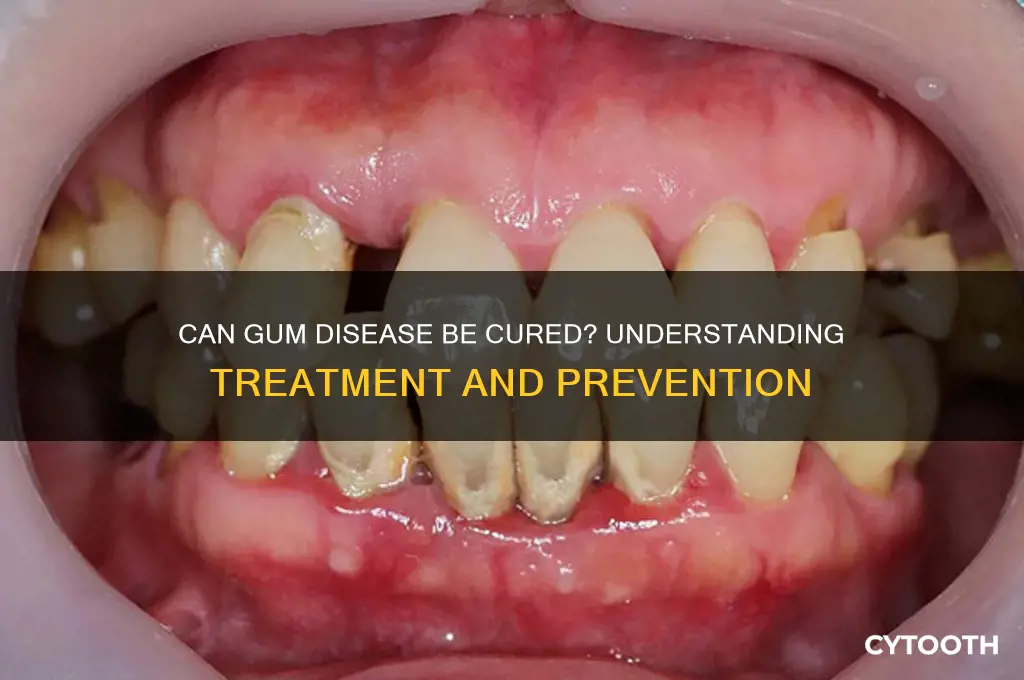
Gum disease, also known as periodontal disease, is a common oral health issue caused by bacterial buildup and inflammation around the teeth and gums. Many people wonder whether gum disease can go away on its own or with treatment. The answer depends on the stage and severity of the condition. Early-stage gum disease, known as gingivitis, can often be reversed with proper oral hygiene practices, such as regular brushing, flossing, and professional cleanings. However, if left untreated, it can progress to periodontitis, a more advanced stage that causes irreversible damage to the gums and bone supporting the teeth. While periodontitis cannot be cured, it can be managed with professional intervention, including deep cleanings, medications, and, in severe cases, surgery. Early detection and consistent care are crucial in preventing the progression of gum disease and maintaining oral health.
| Characteristics | Values |
|---|---|
| Can Gum Disease Go Away? | Yes, but depends on the stage and treatment. |
| Early Stage (Gingivitis) | Reversible with proper oral hygiene and professional cleaning. |
| Advanced Stage (Periodontitis) | Not reversible, but manageable with treatment to prevent further damage. |
| Treatment Options | Professional dental cleaning, scaling and root planing, antibiotics, surgery. |
| Role of Oral Hygiene | Essential for prevention and management; brushing, flossing, and regular check-ups. |
| Lifestyle Factors | Quitting smoking, healthy diet, and managing conditions like diabetes help. |
| Long-Term Outlook | Requires ongoing maintenance to prevent recurrence. |
| Natural Remedies | Limited effectiveness; professional treatment is recommended. |
| Recurrence Risk | High without consistent oral care and follow-up. |
| Impact on Overall Health | Linked to systemic conditions like heart disease and diabetes; management is crucial. |
What You'll Learn

Can Gum Disease Heal on Its Own?
Gum disease, or periodontal disease, doesn’t vanish without intervention. Early-stage gingivitis might appear to improve temporarily if oral hygiene drastically improves, but this isn’t true healing—it’s merely a pause in progression. Without sustained care, inflammation and bacterial buildup return, reigniting the disease. Think of it as managing a chronic condition: you can control it, but it doesn’t disappear on its own.
Consider the analogy of a wound. A minor cut might scab over if kept clean, but a deep infection requires antibiotics and professional care. Gum disease operates similarly. Mild cases may show reduced redness or bleeding with diligent brushing and flossing, but this is superficial. The underlying bacterial colonies and tissue damage persist, waiting to flare up again. Advanced periodontitis, with bone loss and deep pockets, cannot reverse without clinical treatment like scaling and root planing.
Here’s a practical tip: if you notice gum bleeding or sensitivity, start using an antimicrobial mouthwash containing 0.12% chlorhexidine twice daily for 30 seconds each time. Pair this with flossing daily and brushing twice a day with a soft-bristled toothbrush. While this regimen can manage early symptoms, it’s not a cure. Schedule a dental checkup within two weeks to assess the extent of the disease and determine if professional intervention is needed.
A cautionary note: relying on self-care alone for gum disease is like ignoring a leaky roof. Temporary fixes might stop the drip, but the structural damage worsens over time. Untreated gum disease progresses silently, leading to tooth loss, systemic inflammation, and increased risks of heart disease or diabetes complications. Don’t gamble with your oral health—early professional intervention is key to preventing irreversible harm.
In conclusion, gum disease cannot heal on its own. While minor symptoms may subside with improved hygiene, the disease remains dormant, ready to escalate. Combine proactive home care with regular dental visits to halt progression and preserve your oral health. Remember, managing gum disease is a lifelong commitment, not a one-time fix.
Apple Cider Vinegar Remedies for Gum Disease: A Natural Guide
You may want to see also
Treatment Options for Reversing Gum Disease
Gum disease, if caught early, can often be reversed with the right treatment and care. The key is addressing the issue before it progresses to advanced stages like periodontitis, where damage may become irreversible. Here’s how to tackle it effectively.
Professional Interventions: The Foundation of Reversal
The first step in reversing gum disease is professional intervention. Dental cleanings, known as scaling and root planing, are essential. During scaling, a dentist or hygienist removes plaque and tartar buildup from below the gumline, while root planing smooths the tooth roots to prevent bacteria from reattaching. For mild cases, this deep cleaning alone can halt and reverse gingivitis. In more advanced cases, antimicrobial mouth rinses prescribed by a dentist, such as chlorhexidine (0.12% solution, used twice daily for 30 seconds), can reduce bacterial load. Laser therapy, a minimally invasive option, targets infected tissue while preserving healthy gums, though it’s typically reserved for specific cases.
Home Care: Daily Habits That Make a Difference
Reversing gum disease isn’t just about professional treatments—consistent home care is critical. Brush twice daily with a soft-bristled toothbrush and fluoride toothpaste, ensuring you clean along the gumline. Floss daily to remove plaque between teeth, and consider adding an interdental brush for tighter spaces. Incorporate an antimicrobial mouthwash into your routine, but avoid over-reliance on alcohol-based rinses, as they can dry out tissues. For added protection, use a water flosser to irrigate gum pockets and dislodge debris. Consistency is key; even the most effective treatments fail without diligent daily care.
Lifestyle Adjustments: Addressing Root Causes
Certain habits exacerbate gum disease, making reversal difficult. Smoking, for instance, impairs blood flow to gums and slows healing, so quitting is non-negotiable. Poor nutrition weakens the immune system, so increase intake of vitamin C (found in citrus fruits and bell peppers) and vitamin D (from fatty fish or supplements), which support gum health. Manage stress, as it can lower immunity and worsen inflammation. For diabetics, maintaining stable blood sugar levels is crucial, as diabetes increases susceptibility to gum disease. These changes not only aid reversal but also prevent recurrence.
Monitoring and Maintenance: Staying Ahead of the Curve
Reversing gum disease is a dynamic process that requires ongoing monitoring. Schedule dental check-ups every three to four months initially, then every six months once improvement is stable. During these visits, your dentist will assess gum pocket depths and inflammation levels to ensure progress. If symptoms like bleeding gums, bad breath, or sensitivity persist despite treatment, it may indicate a need for further intervention. Early detection of setbacks allows for prompt adjustments to your treatment plan, increasing the likelihood of full reversal.
By combining professional treatments, rigorous home care, lifestyle modifications, and vigilant monitoring, gum disease can often be reversed, restoring oral health and preventing long-term complications. The effort is significant, but the payoff—healthy gums and a confident smile—is well worth it.
Zyn's Impact on Oral Health: Exploring the Link to Gum Disease
You may want to see also
Early vs. Advanced Gum Disease Recovery
Gum disease, or periodontal disease, doesn't vanish on its own. The trajectory of recovery hinges on the stage at which it's addressed. Early intervention, when the condition is still gingivitis, often allows for complete reversal through diligent oral hygiene and professional care. Advanced periodontitis, however, becomes a chronic management challenge, requiring aggressive treatment to prevent irreversible damage.
Consider the contrast: In the early stages, a twice-daily regimen of brushing with a fluoride toothpaste, flossing, and using an antimicrobial mouthwash can significantly reduce plaque buildup and inflammation. Dental cleanings every six months, coupled with scaling and root planing if necessary, can eliminate the infection entirely. For instance, a 2020 study in the *Journal of Periodontology* found that 85% of patients with mild gingivitis showed complete resolution after three months of consistent oral care and one deep cleaning session.
In contrast, advanced gum disease demands a more invasive approach. Surgical interventions like flap surgery, bone grafts, or guided tissue regeneration become necessary to repair damaged tissues. Antibiotics, such as doxycycline (20 mg twice daily for up to three months), may be prescribed to control bacterial overgrowth. Even with treatment, advanced cases often require maintenance therapy every three months to monitor and manage recurring issues. For example, a 55-year-old patient with severe periodontitis might need annual bone density scans to assess the progression of bone loss despite regular care.
The financial and time investments also diverge sharply. Early-stage treatment typically costs between $200 and $500, depending on insurance coverage, while advanced care can soar to $5,000 or more, including surgeries and follow-ups. Recovery time for gingivitis is minimal, with symptoms often improving within two weeks of proper care. Advanced cases, however, may involve months of healing, dietary restrictions (e.g., avoiding hard or crunchy foods post-surgery), and potential complications like infection or gum recession.
Ultimately, the key takeaway is proactive management. Recognizing early signs—bleeding gums, bad breath, or slight gum tenderness—and acting swiftly can spare individuals from the complexities of advanced disease. For those already in later stages, adherence to a rigorous treatment plan and lifestyle adjustments (quitting smoking, managing diabetes) are critical to slowing progression and preserving oral health. The difference between early and advanced recovery isn't just in the treatment—it's in the long-term quality of life.
Gum Disease in Your 20s: Prevalence, Risks, and Prevention Tips
You may want to see also
Lifestyle Changes to Manage Gum Disease
Gum disease, or periodontal disease, doesn’t vanish on its own but can be managed—and even reversed in early stages—through targeted lifestyle changes. The foundation of this approach lies in disrupting the bacterial buildup that drives inflammation and tissue damage. Start by reassessing your oral hygiene routine: brush twice daily with a soft-bristled toothbrush and fluoride toothpaste, ensuring you clean all surfaces of each tooth. Floss daily to remove plaque from between teeth, where brushes can’t reach. For added protection, incorporate an antimicrobial mouthwash containing chlorhexidine (0.12% solution) or essential oils, used as directed by your dentist. These steps physically and chemically reduce bacterial colonies, slowing disease progression.
Diet plays a surprising role in gum health, acting as both a trigger and a remedy. Sugary and acidic foods feed harmful bacteria, accelerating plaque formation, while crunchy fruits and vegetables like apples, carrots, and celery act as natural toothbrushes, scrubbing teeth and stimulating gums. Incorporate anti-inflammatory foods rich in vitamin C (citrus fruits, bell peppers), vitamin D (fatty fish, fortified dairy), and omega-3 fatty acids (salmon, flaxseeds) to reduce gum inflammation and support tissue repair. Limit snacks between meals to minimize bacterial fuel, and stay hydrated—water dilutes acids and promotes saliva production, the mouth’s natural defense mechanism.
Habits like smoking and excessive alcohol consumption sabotage gum health by impairing blood flow, delaying healing, and weakening immunity. Smoking, in particular, is linked to a sevenfold increase in gum disease severity. Quitting smoking—whether through nicotine patches, counseling, or prescription medications like varenicline—is non-negotiable for managing periodontal issues. Similarly, moderate alcohol intake to no more than one drink per day for women and two for men, as higher levels dehydrate tissues and disrupt nutrient absorption. These changes aren’t just about oral health; they’re systemic shifts that improve overall well-being.
Stress weakens the immune system, making gums more susceptible to bacterial attacks. Incorporate stress-reduction techniques like mindfulness meditation, yoga, or even 30 minutes of daily walking to lower cortisol levels and enhance healing. Adequate sleep (7–9 hours per night) is equally critical, as it’s during rest that the body repairs damaged tissues. For those with bruxism (teeth grinding), often stress-induced, consider a custom night guard to prevent additional gum strain. These lifestyle adjustments create an environment where gums can recover, transforming passive sufferers into active participants in their oral health.
Finally, consistency is key—gum disease management isn’t a sprint but a marathon. Track progress by monitoring symptoms like bleeding gums, bad breath, or sensitivity, and schedule regular dental check-ups every 3–6 months for professional cleanings and assessments. Pair these changes with prescribed treatments (e.g., scaling and root planing) for optimal results. While advanced cases may require surgical intervention, early-stage gingivitis can often be reversed entirely through these lifestyle modifications. The power to manage—and potentially eliminate—gum disease lies in daily choices, proving that small, deliberate actions yield significant, lasting change.
Can Kissing Spread Gum Disease? Facts and Prevention Tips
You may want to see also
When Gum Disease Becomes Irreversible
Gum disease, if left untreated, progresses from gingivitis to periodontitis, a stage where the damage often becomes irreversible. At this point, the infection has advanced beyond the gums, attacking the bone and connective tissues that hold teeth in place. While early-stage gum disease can be managed and even reversed with proper care, periodontitis marks a critical threshold where the focus shifts from curing to controlling the condition. Understanding this distinction is crucial for anyone hoping to preserve their oral health.
The irreversible nature of advanced gum disease stems from the loss of bone and tissue, which cannot regenerate on their own. Once the infection erodes these structures, the damage is permanent, and the goal of treatment shifts to preventing further deterioration. For instance, deep periodontal pockets—spaces between the gums and teeth that harbor bacteria—cannot be eliminated without surgical intervention. Even with professional care, maintaining oral health becomes an ongoing battle rather than a one-time fix.
Recognizing the signs of irreversible gum disease is key to managing it effectively. Symptoms include persistent bad breath, receding gums, loose teeth, and changes in bite alignment. If you notice these issues, immediate consultation with a periodontist is essential. Treatment options at this stage often include scaling and root planing, antibiotic therapy, or surgical procedures like flap surgery or bone grafts. However, these measures aim to stabilize the condition, not restore the mouth to its pre-disease state.
Prevention remains the most effective strategy, as irreversible gum disease is largely avoidable. Daily habits such as brushing twice a day with fluoride toothpaste, flossing regularly, and using antimicrobial mouthwash can significantly reduce the risk. Additionally, routine dental check-ups every six months allow for early detection and intervention. For those with risk factors like smoking, diabetes, or genetic predisposition, more frequent monitoring and proactive care are critical. Once the disease reaches an irreversible stage, vigilance and professional support become lifelong commitments.
Turmeric's Healing Power: Natural Gum Disease Remedies and Tips
You may want to see also
Frequently asked questions
Gum disease, especially in its early stages (gingivitis), can improve with proper oral hygiene, but it typically does not go away entirely without intervention. Advanced stages (periodontitis) require professional treatment.
Early-stage gum disease (gingivitis) can be reversed with consistent brushing, flossing, and professional cleanings. However, advanced periodontitis may cause permanent damage that can only be managed, not fully reversed.
Deep cleaning (scaling and root planing) can effectively treat gum disease by removing plaque and tartar below the gumline. However, ongoing maintenance and good oral hygiene are necessary to prevent recurrence.
Antibiotics may be prescribed to help control infection in severe cases of gum disease, but they do not cure it on their own. Combining antibiotics with professional dental treatment and improved oral care is essential for managing the condition.