Hailey Morgan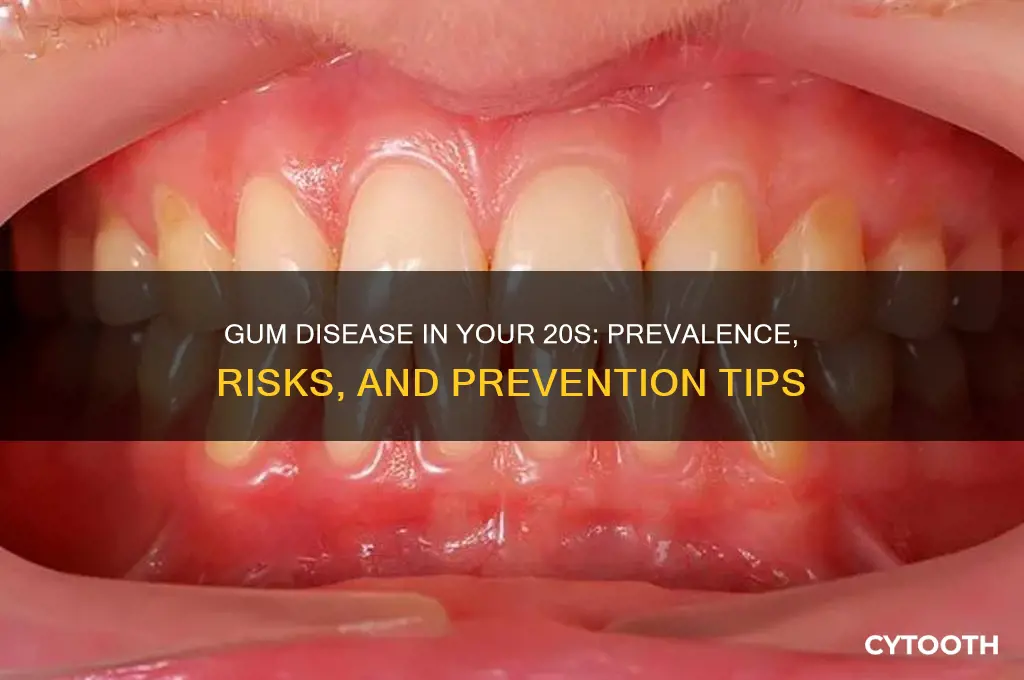
Gum disease, also known as periodontal disease, is often perceived as a condition primarily affecting older adults, but it is surprisingly prevalent among individuals in their 20s. Studies indicate that a significant percentage of young adults in this age group experience early stages of gum disease, such as gingivitis, due to factors like poor oral hygiene, smoking, stress, and dietary habits. While severe forms like periodontitis are less common in this demographic, the early onset of gum issues can serve as a warning sign for potential long-term oral health problems if left unaddressed. Understanding the prevalence and risk factors of gum disease in one's 20s is crucial for adopting preventive measures and maintaining optimal oral health throughout adulthood.
| Characteristics | Values |
|---|---|
| Prevalence in 20s | Approximately 30-50% of young adults in their 20s have some form of gum disease (gingivitis or periodontitis) |
| Gender Disparity | Slightly higher in males (due to poorer oral hygiene habits) |
| Primary Cause | Poor oral hygiene, plaque buildup, and bacterial infection |
| Common Type in 20s | Gingivitis (mild gum disease) is more prevalent than periodontitis |
| Risk Factors | Smoking, diabetes, genetic predisposition, stress, poor diet |
| Symptoms | Red, swollen gums, bleeding during brushing, bad breath |
| Progression | If untreated, gingivitis can progress to periodontitis (severe gum disease) |
| Global Statistics | Varies by region; higher in low-income countries due to limited access to dental care |
| Prevention | Regular brushing, flossing, dental check-ups, and healthy lifestyle |
| Treatment Success Rate | High if detected early (gingivitis is reversible with proper care) |
What You'll Learn

Prevalence of gum disease in young adults aged 20-29
Gum disease, clinically known as periodontal disease, is more prevalent in young adults aged 20-29 than commonly assumed. According to the Centers for Disease Control and Prevention (CDC), approximately 47% of adults aged 30 and older have some form of periodontal disease, but emerging data suggests that early stages of gum disease, such as gingivitis, are increasingly common in this younger demographic. Poor oral hygiene, lifestyle factors like smoking, and dietary habits high in sugar contribute to this trend. Recognizing the signs early—bleeding gums, bad breath, or gum sensitivity—can prevent progression to more severe conditions like periodontitis.
Analyzing the data reveals a startling gap in awareness among young adults. A 2021 study published in the *Journal of Periodontology* found that 60% of individuals in their 20s were unaware that gum disease could lead to tooth loss or systemic health issues like cardiovascular disease. This lack of knowledge often results in delayed treatment, allowing gingivitis to worsen. For instance, consistent brushing twice daily with fluoride toothpaste and flossing can reduce the risk by up to 40%, yet only 30% of young adults report flossing daily. Incorporating antimicrobial mouthwash into a routine can further lower bacterial buildup, a key driver of gum inflammation.
Comparatively, young adults in their 20s face unique challenges that older age groups do not. Stress, often linked to academic or career pressures, can weaken the immune system, making gums more susceptible to infection. Additionally, the popularity of vaping and energy drinks in this age group exacerbates oral health risks. Vaping, for example, has been shown to increase gum tissue inflammation by 43% compared to non-users, according to a 2022 study in *Oral Health Preventive Dentistry*. Limiting these habits and scheduling biannual dental check-ups can mitigate these risks effectively.
From a practical standpoint, young adults can take proactive steps to combat gum disease. Start by adopting a 2-minute brushing technique, ensuring all tooth surfaces are cleaned. Replace toothbrushes every 3 months or sooner if bristles fray. Incorporate a diet rich in vitamin C (e.g., oranges, strawberries) to strengthen gum tissue, and reduce sugary snacks, which feed harmful oral bacteria. For those with braces or orthodontic work, using interdental brushes can remove plaque more effectively than traditional flossing. Small, consistent changes yield significant long-term benefits, preserving oral health well into adulthood.
Risk factors for gum disease in the 20s
Gum disease, or periodontal disease, is more prevalent in young adults than commonly assumed. Studies indicate that nearly half of adults aged 30 and older have some form of gum disease, but emerging data suggests that individuals in their 20s are not immune. Poor oral hygiene, lifestyle choices, and genetic predispositions contribute to this growing concern. Understanding the risk factors specific to this age group is crucial for prevention and early intervention.
Lifestyle Choices: The Silent Culprits
Smoking and vaping are significant risk factors for gum disease in the 20s. Nicotine restricts blood flow to the gums, impairing their ability to heal and fight infection. Even occasional smoking or using e-cigarettes increases susceptibility. Similarly, excessive alcohol consumption weakens the immune system, making it harder for the body to combat bacterial growth in the mouth. Limiting these habits or quitting altogether can drastically reduce the risk. For smokers, reducing daily cigarette intake by 50% within the first month of cessation has shown measurable improvements in gum health.
Diet and Nutrition: Beyond Brushing
A diet high in sugar and processed foods fuels the bacteria responsible for gum disease. Young adults often consume energy drinks, sugary snacks, and carbonated beverages, which create an acidic environment in the mouth. Incorporating crunchy fruits and vegetables like apples or carrots can help clean teeth naturally, while foods rich in vitamin C (e.g., oranges, strawberries) strengthen gum tissue. A practical tip: rinse with water after consuming sugary or acidic foods to neutralize acids and reduce bacterial activity.
Hormonal Changes: A Hidden Trigger
Fluctuations in hormones during the 20s, particularly in women, can increase gum sensitivity and inflammation. Puberty, menstrual cycles, pregnancy, and contraceptive use elevate estrogen and progesterone levels, making gums more susceptible to irritation. For instance, nearly 50% of women experience gingivitis during pregnancy. Regular dental check-ups during these periods are essential. Using a soft-bristled toothbrush and gentle flossing techniques can minimize gum irritation without compromising oral hygiene.
Stress and Sleep: Overlooked Contributors
Chronic stress and inadequate sleep weaken the immune system, making it harder to fend off gum infections. Stress also leads to teeth grinding (bruxism), which damages gum tissue and tooth enamel. Young adults in high-pressure environments, such as college or early careers, are particularly vulnerable. Incorporating stress-reduction techniques like mindfulness or yoga, and aiming for 7–9 hours of sleep nightly, can mitigate these risks. Mouthguards, available over-the-counter or custom-fitted by a dentist, offer additional protection against bruxism.
Genetics and Family History: The Unchangeable Factor
Family history plays a significant role in gum disease susceptibility. If a parent or sibling has had periodontal issues, the risk increases by up to 30%. While genetics cannot be altered, awareness allows for proactive measures. Individuals with a family history should prioritize biannual dental visits, use antimicrobial mouthwash, and maintain meticulous oral hygiene. Early detection through regular screenings can prevent progression to advanced stages of gum disease.
By addressing these risk factors, young adults can take control of their oral health and reduce the likelihood of developing gum disease in their 20s. Small, consistent changes in lifestyle and habits yield significant long-term benefits.
Symptoms and early signs of gum disease in youth
Gum disease, or periodontal disease, is more common in young adults than many realize. Studies indicate that nearly half of adults aged 30 and older have some form of gum disease, but early signs often appear in the 20s. Poor oral hygiene, smoking, and genetic predisposition are key contributors, making awareness of symptoms crucial for early intervention. Recognizing these signs can prevent progression to more severe stages, which may lead to tooth loss or systemic health issues.
One of the earliest and most noticeable symptoms is gum inflammation, known as gingivitis. If you observe redness, swelling, or tenderness in your gums, especially after brushing or flossing, it’s a red flag. Healthy gums should appear pink and firm, not puffy or discolored. Bleeding gums, particularly during oral care routines, are another common indicator. While occasional bleeding might seem minor, it’s often the body’s first response to bacterial buildup along the gumline. Ignoring this symptom allows plaque to harden into tartar, worsening the condition.
Bad breath, or halitosis, is another subtle yet persistent sign of gum disease in youth. Unlike transient morning breath, chronic bad breath stems from bacterial activity and gum infection. If brushing, flossing, and mouthwash fail to resolve the issue, it’s likely linked to periodontal problems. Similarly, a persistent bad taste in the mouth, often metallic or sour, can signal bacterial overgrowth and gum irritation. These sensory symptoms are your body’s way of alerting you to underlying oral health issues.
Receding gums and tooth sensitivity are advanced but preventable signs if caught early. If your teeth appear longer than before or you experience discomfort when consuming hot, cold, or sweet foods, gum disease may be causing gum tissue to pull away from the teeth. This recession exposes tooth roots, leading to sensitivity and increased risk of decay. Regular dental check-ups can detect these changes before they become irreversible, emphasizing the importance of biannual visits for young adults.
Finally, changes in bite alignment or the fit of dental appliances, such as retainers or mouthguards, can indicate gum disease progression. As gums weaken and recede, teeth may shift, altering your bite. This not only affects chewing and speech but also complicates orthodontic maintenance. Addressing these symptoms promptly through professional cleaning, improved oral hygiene, and lifestyle adjustments can halt disease progression and preserve long-term oral health.
Impact of lifestyle on gum health in 20s
Gum disease, or periodontal disease, is surprisingly prevalent among individuals in their 20s, with studies indicating that nearly half of adults aged 30 and older have some form of it, and early signs often emerge much younger. This statistic is alarming, considering that this age group is typically associated with youth and vitality. The impact of lifestyle choices during this decade cannot be overstated, as they can either fortify or undermine gum health, setting the stage for long-term oral well-being.
The Daily Grind: Habits That Harm
Imagine a typical day in the life of a twenty-something: rushing through morning routines, grabbing a sugary coffee on the go, and perhaps indulging in a cigarette break to combat stress. These seemingly innocuous habits can wreak havoc on gum health. High sugar consumption, for instance, promotes the growth of harmful bacteria, leading to plaque buildup and inflammation. Smoking, a prevalent habit among young adults, restricts blood flow to the gums, impairing their ability to heal and fight infection. A study published in the *Journal of Clinical Periodontology* found that smokers in their 20s were twice as likely to exhibit signs of gum disease compared to non-smokers of the same age.
Nutrition and Its Role in Gum Resilience
The old adage, "You are what you eat," holds true for gum health. A diet rich in vitamins and minerals is essential for maintaining strong gums and preventing disease. Vitamin C, for example, is crucial for collagen production, which helps hold teeth in place. A deficiency can lead to weakened gums and increased susceptibility to infection. The recommended daily intake of Vitamin C for adults aged 19-30 is 75-90 mg, easily achievable through a balanced diet including citrus fruits, bell peppers, and broccoli. Conversely, a diet high in processed foods and carbohydrates can contribute to gum inflammation, as these foods often lack essential nutrients and promote bacterial growth.
Oral Hygiene: A Preventive Powerhouse
The impact of lifestyle on gum health is perhaps most evident in oral hygiene practices. Inconsistent brushing and flossing provide a breeding ground for bacteria, allowing plaque to harden into tartar, which can only be removed by a dental professional. The American Dental Association recommends brushing twice a day with fluoride toothpaste and flossing daily. For those in their 20s, establishing a diligent oral care routine is paramount, as it can prevent the onset of gum disease and ensure a healthy smile for years to come.
Stress and Its Surprising Connection
The fast-paced nature of life in one's 20s often brings stress, which can have unexpected consequences for gum health. Chronic stress weakens the immune system, making it less effective at fighting off bacterial infections, including those in the mouth. Additionally, stress-induced habits like teeth grinding (bruxism) can wear down tooth enamel and contribute to gum recession. Managing stress through exercise, meditation, or adequate sleep is not just beneficial for overall health but also plays a pivotal role in maintaining gum integrity.
In the quest for optimal gum health, twenty-somethings must navigate a myriad of lifestyle factors. From dietary choices to stress management, each decision contributes to the overall well-being of gums. By understanding these impacts and adopting preventive measures, young adults can significantly reduce their risk of gum disease, ensuring a healthy and confident smile throughout their lives. This proactive approach is essential, as it addresses the root causes rather than merely treating symptoms, fostering a holistic view of oral health.
Prevention and treatment options for young adults with gum disease
Gum disease, or periodontal disease, is more prevalent in young adults than commonly assumed, with studies indicating that nearly half of adults aged 30 and older have some form of it, and early signs often appear in the 20s. Poor oral hygiene, smoking, genetic predisposition, and lifestyle factors like stress and diet contribute to its onset. For young adults, recognizing and addressing these risks early is crucial to prevent irreversible damage.
Prevention begins with consistent oral hygiene practices. Brushing twice daily with a fluoride toothpaste and flossing daily are non-negotiable. Electric toothbrushes, particularly those with pressure sensors, can improve plaque removal and reduce gum irritation. Incorporate an antimicrobial mouthwash containing chlorhexidine (0.12% concentration) into your routine, but limit its use to 2–4 weeks to avoid staining teeth. Dietary choices matter too—reduce sugary snacks and beverages, which fuel bacterial growth, and increase intake of crunchy fruits and vegetables like apples and carrots, which naturally clean teeth.
Professional care complements at-home efforts. Schedule dental check-ups every six months, or more frequently if you notice bleeding gums, bad breath, or sensitivity. Dental cleanings remove tartar buildup that brushing alone can’t address. For those with higher risk factors, dentists may recommend periodontal evaluations, including gum pocket measurements, to detect early disease. Scaling and root planing, a deep-cleaning procedure, can halt progression if gum disease is already present.
Lifestyle modifications play a pivotal role in prevention and treatment. Smoking and vaping significantly increase gum disease risk, so quitting is essential. Stress management techniques, such as mindfulness or exercise, reduce cortisol levels, which are linked to gum inflammation. For young adults with orthodontic appliances like braces or aligners, meticulous cleaning around brackets and wires is critical, as these areas trap food and bacteria.
Advanced treatments may be necessary for severe cases. If gum disease progresses to periodontitis, surgical interventions like flap surgery or bone grafts might be required to repair damage. Antibiotics, such as doxycycline (20 mg twice daily for 3 months), may be prescribed to control bacterial infection. However, these measures are avoidable with early intervention, making proactive prevention the most effective strategy for young adults.
Frequently asked questions
Gum disease, including gingivitis and periodontitis, is relatively common in people in their 20s, with studies showing that up to 50% of young adults may experience some form of gum inflammation or disease.
Poor oral hygiene, smoking, hormonal changes, genetic predisposition, and certain lifestyle habits like poor diet or stress are the primary causes of gum disease in this age group.
Yes, untreated gum disease in your 20s can progress to more severe periodontal disease, increasing the risk of tooth loss, heart disease, diabetes, and other systemic health problems later in life.
Early signs include red, swollen, or bleeding gums, persistent bad breath, receding gums, and sensitivity or pain while chewing. Addressing these symptoms promptly can prevent progression.
Prevention includes brushing twice daily, flossing regularly, using antimicrobial mouthwash, maintaining a balanced diet, avoiding smoking, and scheduling regular dental check-ups and cleanings.