Matthew Grant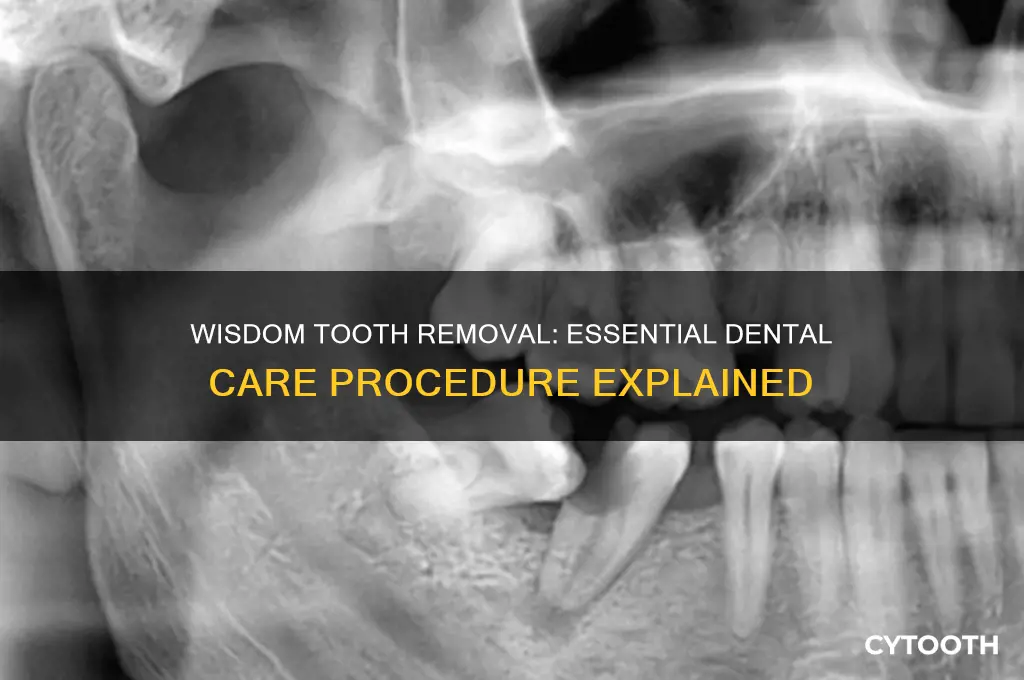
Wisdom tooth removal is a common dental procedure that involves the extraction of one or more of the third molars, typically located at the back of the mouth. These teeth often emerge in late adolescence or early adulthood and can cause various issues due to limited space in the jaw, leading to impaction, infection, or misalignment. The procedure is considered a form of preventive or corrective dental care, aimed at alleviating pain, preventing overcrowding, and reducing the risk of future oral health complications. Depending on the complexity of the case, wisdom tooth removal can be performed by a general dentist or an oral surgeon, often under local anesthesia, sedation, or general anesthesia to ensure patient comfort. Post-operative care is crucial to promote healing and minimize complications such as dry socket or infection. Understanding the necessity and process of wisdom tooth removal is essential for individuals experiencing discomfort or those advised by their dentist to consider this procedure.
| Characteristics | Values |
|---|---|
| Type of Dental Care | Oral Surgery / Surgical Dentistry |
| Purpose | Removal of one or more wisdom teeth (third molars) due to impaction, crowding, infection, or decay. |
| Procedure Type | Invasive, surgical procedure |
| Anesthesia Options | Local anesthesia, sedation, or general anesthesia |
| Duration | 45 minutes to 2 hours (varies by complexity) |
| Recovery Time | 3-7 days for initial healing; full recovery may take up to 2 weeks |
| Common Reasons for Removal | Impaction, misalignment, infection, cysts, or damage to adjacent teeth |
| Post-Operative Care | Pain management, cold compresses, soft diet, avoiding strenuous activity |
| Potential Risks | Dry socket, infection, nerve damage, bleeding, swelling |
| Cost | Varies by location, dentist, and insurance coverage; typically $75-$250 per tooth without insurance. |
| Frequency | Performed as needed, typically in late teens or early twenties |
| Specialist Involved | Oral and Maxillofacial Surgeon or General Dentist with surgical expertise |
| Follow-Up Care | Post-operative check-ups to monitor healing and address complications |
| Alternative Treatments | Monitoring without removal (if asymptomatic and properly aligned) |
What You'll Learn
- Pre-surgery Consultation: Discuss risks, benefits, and preparation steps with your dentist or oral surgeon
- Surgical Procedure: Extraction process, anesthesia options, and duration of the wisdom tooth removal
- Post-Op Care: Recovery tips, pain management, and how to prevent complications after surgery
- Potential Complications: Risks like dry socket, infection, nerve damage, and swelling post-extraction
- Cost & Insurance: Expenses, coverage details, and financing options for wisdom tooth removal

Pre-surgery Consultation: Discuss risks, benefits, and preparation steps with your dentist or oral surgeon
Before any wisdom tooth removal, a pre-surgery consultation is essential to ensure you’re fully informed and prepared. This meeting with your dentist or oral surgeon is your opportunity to discuss the procedure’s risks, benefits, and necessary preparation steps. It’s not just a formality—it’s a critical step to address concerns, clarify expectations, and tailor the process to your specific needs. During this consultation, your dental professional will evaluate your medical history, assess the position of your wisdom teeth through X-rays, and determine the complexity of the extraction. This personalized approach helps minimize complications and ensures a smoother recovery.
Analytically speaking, the risks associated with wisdom tooth removal vary depending on factors like tooth impaction, age, and overall health. Common risks include infection, dry socket, nerve damage, and prolonged bleeding. For instance, younger patients (typically in their late teens or early twenties) often experience faster healing and fewer complications compared to older adults. Your dentist will weigh these risks against the benefits, such as preventing overcrowding, reducing the risk of gum disease, and alleviating pain or discomfort. Understanding these trade-offs empowers you to make an informed decision about proceeding with the surgery.
Preparation steps are equally crucial and begin well before the day of the procedure. Your dentist may prescribe antibiotics (e.g., amoxicillin 500 mg, twice daily for 3 days pre-surgery) to prevent infection, especially if you have a history of heart conditions or weakened immunity. You’ll also need to arrange for transportation post-surgery, as anesthesia (local or general) will impair your ability to drive. Practical tips include wearing comfortable clothing, avoiding food or drink 8–12 hours before the procedure, and preparing a soft-food diet (e.g., yogurt, mashed potatoes, smoothies) for the first few days of recovery.
Comparatively, patients who actively engage in the pre-surgery consultation tend to have better outcomes. For example, asking questions about pain management options (e.g., ibuprofen 600 mg every 6 hours versus prescription opioids) allows you to choose a plan aligned with your tolerance and preferences. Similarly, discussing potential complications like dry socket (which affects up to 5% of patients) equips you with preventive measures, such as avoiding straws and vigorous rinsing. This proactive approach transforms the consultation from a routine check-in to a collaborative strategy session.
In conclusion, the pre-surgery consultation is a cornerstone of successful wisdom tooth removal. It’s not just about ticking boxes—it’s about building trust, addressing fears, and customizing the procedure to your unique circumstances. By understanding the risks, weighing the benefits, and following preparation guidelines, you position yourself for a safer surgery and quicker recovery. Treat this consultation as your first step toward a healthier smile, not just a prerequisite for the operating room.
Wisdom Tooth Fell Out? Immediate Steps and Care Tips
You may want to see also
Surgical Procedure: Extraction process, anesthesia options, and duration of the wisdom tooth removal
Wisdom tooth removal is a surgical procedure that involves the extraction of one or more third molars, typically performed by an oral surgeon or a dentist with specialized training. The process begins with a thorough assessment of the patient’s oral health, including X-rays to determine the position of the wisdom teeth and their impact on surrounding structures. This evaluation is crucial, as impacted or misaligned wisdom teeth can lead to complications such as infection, cysts, or damage to adjacent teeth. Once the need for extraction is established, the surgical plan is tailored to the patient’s specific case, ensuring a safe and effective procedure.
The extraction process itself varies depending on the complexity of the case. For fully erupted wisdom teeth, the procedure is relatively straightforward, involving the use of elevators to loosen the tooth and forceps to remove it. However, impacted or partially erupted teeth often require a more intricate approach. In such cases, the surgeon may need to make an incision in the gum tissue and remove a small portion of the bone covering the tooth. The tooth is then extracted in pieces to minimize trauma to the surrounding area. Throughout the procedure, the patient is under anesthesia to ensure comfort and pain management.
Anesthesia options for wisdom tooth removal include local anesthesia, sedation, and general anesthesia. Local anesthesia, such as lidocaine or articaine, is administered via injection to numb the specific area around the tooth. This option is suitable for simple extractions and allows the patient to remain awake during the procedure. Sedation dentistry, often using nitrous oxide (laughing gas) or intravenous (IV) sedation, provides a deeper level of relaxation and is ideal for patients with anxiety or those undergoing multiple extractions. General anesthesia, typically reserved for complex cases or patients with significant medical concerns, renders the patient completely unconscious and is administered by an anesthesiologist. The choice of anesthesia depends on factors such as the patient’s health, the complexity of the extraction, and personal preference.
The duration of wisdom tooth removal varies widely, ranging from 45 minutes for a single, simple extraction to over an hour for multiple or impacted teeth. Factors influencing the length of the procedure include the tooth’s position, the patient’s jaw size, and the surgeon’s technique. Post-operative care is equally important, with patients advised to follow specific instructions to promote healing and prevent complications. These may include avoiding strenuous activity for 48–72 hours, using cold compresses to reduce swelling, and taking prescribed pain medications as directed. While the procedure itself is relatively brief, the recovery period can last up to two weeks, during which patients should adhere to a soft diet and maintain excellent oral hygiene to ensure a smooth healing process.
Wisdom Tooth Removal Recovery: What to Expect Post-Extraction
You may want to see also
Post-Op Care: Recovery tips, pain management, and how to prevent complications after surgery
Wisdom tooth removal is a surgical procedure, and like any surgery, it requires careful post-operative care to ensure a smooth recovery. The first 24–72 hours are critical, as this is when the risk of complications like infection or dry socket is highest. Proper management during this period can significantly reduce discomfort and promote healing.
Recovery Tips: The First 48 Hours Matter Most
Immediately after surgery, apply an ice pack to the cheek in 20-minute intervals to reduce swelling. Once the numbness wears off, switch to a warm compress to alleviate pain and encourage blood flow. Keep your head elevated, even while sleeping, to minimize swelling. Avoid strenuous activity for at least 48 hours, as increased blood pressure can dislodge clots and lead to dry socket. Stick to a soft diet—think yogurt, mashed potatoes, and smoothies—and avoid hot, spicy, or crunchy foods that could irritate the extraction site.
Pain Management: Balancing Relief and Safety
Over-the-counter pain relievers like ibuprofen (600–800 mg every 6–8 hours) or acetaminophen (500–1000 mg every 4–6 hours) are typically sufficient for managing post-op pain. If prescribed opioids, use them sparingly and only as directed, as they carry a risk of dependency and can slow recovery. Clove oil or a saltwater rinse (1/2 teaspoon of salt in 8 oz of warm water) can provide natural relief for localized discomfort. Avoid alcohol, as it can interact with medications and delay healing.
Preventing Complications: Vigilance is Key
The most common post-op complication is dry socket, which occurs when the blood clot at the extraction site is dislodged. To prevent this, avoid smoking, using straws, or spitting forcefully for at least a week. Gently rinse your mouth with saltwater starting 24 hours after surgery, but do not brush near the extraction site for the first 3 days. Watch for signs of infection, such as fever, persistent pain, or pus, and contact your dentist immediately if these occur.
Long-Term Care: Ensuring Complete Healing
After the initial recovery period, gradually reintroduce firmer foods as tolerated, but continue to avoid hard or sticky items that could disrupt the healing site. Resume brushing and flossing gently after 72 hours, taking care not to irritate the extraction area. Follow-up appointments are crucial to monitor healing and address any concerns. With proper care, most patients fully recover within 1–2 weeks, though complete bone healing can take several months.
By following these specific, actionable steps, you can minimize pain, prevent complications, and ensure a successful recovery after wisdom tooth removal.
Post-Wisdom Tooth Surgery: Key Mistakes to Avoid for Smooth Recovery
You may want to see also
Potential Complications: Risks like dry socket, infection, nerve damage, and swelling post-extraction
Wisdom tooth removal, a common oral surgery, carries inherent risks that patients must understand to ensure a smooth recovery. Among the most prevalent complications are dry socket, infection, nerve damage, and swelling. Each of these issues can significantly impact post-extraction comfort and healing, making proactive management essential.
Dry socket, or alveolar osteitis, occurs when the blood clot at the extraction site dislodges or dissolves prematurely, exposing bone and nerves. This condition affects approximately 2-5% of patients and is characterized by severe pain that radiates to the ear or neck, often accompanied by bad breath and an empty socket. Risk factors include smoking, poor oral hygiene, and excessive spitting or rinsing within the first 24 hours. To minimize the risk, patients should avoid smoking, use gentle oral care, and follow post-operative instructions meticulously. If dry socket develops, a dentist may pack the socket with medicated dressings to promote healing and alleviate pain.
Infection is another potential complication, typically arising from bacteria entering the extraction site. Symptoms include persistent pain, swelling, fever, and pus discharge. Patients with weakened immune systems or poor oral hygiene are at higher risk. Preventive measures include taking prescribed antibiotics as directed—commonly amoxicillin 500 mg every 8 hours for 5-7 days—and maintaining a clean mouth. Warm salt water rinses, starting 24 hours after surgery, can aid in reducing bacterial load. If infection occurs, prompt dental intervention is crucial to prevent systemic complications.
Nerve damage, though rare, is a serious risk associated with lower wisdom tooth extraction. The inferior alveolar nerve, which supplies sensation to the lower lip and chin, can be injured during surgery, leading to temporary or permanent numbness. This complication occurs in about 1-2% of cases. Dentists often use 3D imaging to assess nerve proximity pre-operatively and employ careful surgical techniques to minimize risk. Patients experiencing persistent numbness post-extraction should seek immediate evaluation, as early intervention may improve outcomes.
Swelling is a nearly universal post-extraction symptom, peaking 48 hours after surgery. While typically mild to moderate, excessive swelling can indicate complications like infection or hematoma. Applying ice packs for 20 minutes on, followed by 20 minutes off, during the first 24-48 hours can reduce inflammation. Keeping the head elevated, even while sleeping, also helps. If swelling worsens despite these measures, or if accompanied by severe pain or fever, medical attention is warranted.
Understanding these risks empowers patients to take proactive steps in their recovery. By adhering to post-operative guidelines, recognizing early warning signs, and communicating openly with their dentist, individuals can significantly reduce the likelihood and impact of complications following wisdom tooth removal.
Pre-Wisdom Tooth Surgery Checklist: Essential Steps for a Smooth Recovery
You may want to see also
Cost & Insurance: Expenses, coverage details, and financing options for wisdom tooth removal
The cost of wisdom tooth removal can vary widely, typically ranging from $75 to $250 per tooth for simple extractions and soaring up to $600 or more for impacted teeth requiring surgical intervention. These figures are influenced by factors such as geographic location, the complexity of the procedure, and the dentist’s expertise. For instance, urban areas with higher living costs often have steeper dental fees compared to rural regions. Understanding these variables is crucial for budgeting and avoiding unexpected expenses.
Insurance coverage for wisdom tooth removal depends heavily on whether the procedure is deemed medically necessary. Most dental insurance plans cover a portion of the cost if the extraction is justified by issues like impaction, infection, or crowding. However, cosmetic or preventive removals may not be covered. For example, a patient with impacted wisdom teeth causing pain might receive 50-80% coverage, while someone opting for removal as a precaution could bear the full cost. Reviewing your policy’s fine print and consulting with your insurance provider beforehand can clarify coverage limits and out-of-pocket responsibilities.
For those without insurance or facing high out-of-pocket costs, financing options can make wisdom tooth removal more manageable. Many dental offices offer payment plans, allowing patients to spread the expense over several months. Third-party financing companies, such as CareCredit, provide healthcare-specific loans with low or no interest for qualified applicants. Additionally, some dentists offer discounts for upfront payments or accept health savings accounts (HSAs) and flexible spending accounts (FSAs). Exploring these options early ensures financial preparedness and reduces stress during the recovery period.
Comparing costs across providers can yield significant savings without compromising care quality. Requesting detailed quotes from multiple dentists and oral surgeons allows patients to evaluate pricing structures and included services. For instance, one clinic might bundle anesthesia and post-operative medications into the total cost, while another may charge separately. Online platforms and local dental societies often provide resources for finding affordable care. While cost is a critical factor, it’s equally important to consider the provider’s experience and patient reviews to ensure a safe and effective procedure.
Finally, proactive financial planning can alleviate the burden of wisdom tooth removal expenses. Setting aside funds in advance, especially if you anticipate needing the procedure in the future, can reduce reliance on loans or credit. For parents, starting a dental savings fund for teenagers can offset costs when wisdom teeth typically emerge. Combining these strategies with a thorough understanding of insurance coverage and available financing options empowers patients to navigate the financial aspects of this common dental procedure with confidence.
Wisdom Tooth Woes: Essential Steps for Pain Relief and Recovery
You may want to see also
Frequently asked questions
Wisdom tooth removal is a surgical dental procedure performed to extract one or more of the third molars, commonly known as wisdom teeth, which are located at the back of the mouth.
Wisdom tooth removal is often necessary due to issues like impaction, crowding, infection, decay, or misalignment, which can cause pain, damage to adjacent teeth, or other oral health problems.
Yes, wisdom tooth removal is considered a major dental procedure, especially if the teeth are impacted or require complex extraction techniques, often performed by an oral surgeon or dentist under anesthesia.
The type of anesthesia used during wisdom tooth removal varies, ranging from local anesthesia (numbing the area) to general anesthesia (putting the patient to sleep), depending on the complexity of the case and patient preference.
The recovery period after wisdom tooth removal typically lasts 3–7 days for initial healing, though complete healing of the extraction site can take several weeks. Proper aftercare, including rest and following post-operative instructions, is essential.