Ethan Brooks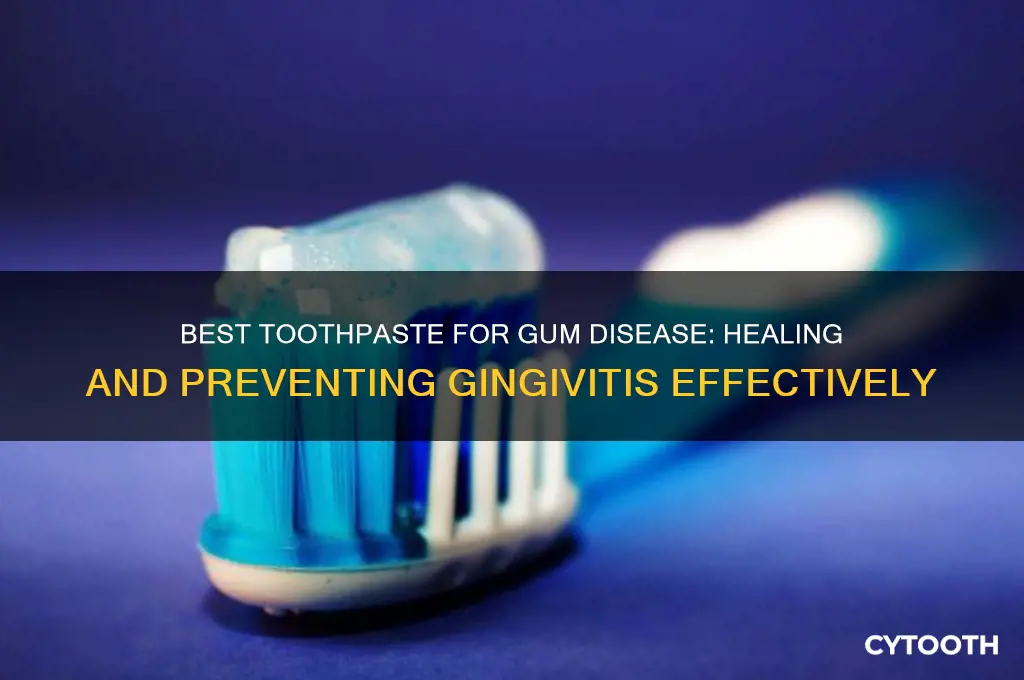
Gum disease, ranging from gingivitis to periodontitis, is a common oral health issue caused by bacterial buildup and inflammation. Choosing the right toothpaste can play a crucial role in managing and preventing its progression. A good toothpaste for gum disease should contain active ingredients like fluoride to strengthen enamel, antimicrobial agents such as triclosan or stannous fluoride to reduce bacteria, and anti-inflammatory components like sodium hyaluronate or herbal extracts to soothe irritated gums. Additionally, products with desensitizing agents can help alleviate discomfort often associated with gum disease. Consulting a dentist is essential to determine the most effective toothpaste tailored to individual needs.
What You'll Learn

Fluoride Toothpaste Benefits
Fluoride toothpaste stands as a cornerstone in the fight against gum disease, primarily due to its ability to strengthen enamel and prevent tooth decay. Gum disease often begins with bacterial plaque eroding enamel, leading to cavities and inflammation. Fluoride remineralizes weakened enamel, making teeth more resistant to acid attacks from bacteria. This protective barrier not only halts the progression of decay but also reduces sensitivity, a common symptom of early-stage gum disease. For adults, using a toothpaste with at least 1,000 parts per million (ppm) of fluoride is recommended to maximize these benefits.
While fluoride’s role in cavity prevention is well-known, its anti-inflammatory properties are equally crucial for gum health. Studies show that fluoride reduces the activity of harmful oral bacteria, such as *Streptococcus mutans*, which contribute to plaque buildup and gum inflammation. By inhibiting bacterial growth, fluoride toothpaste helps maintain a healthier oral microbiome, a key factor in preventing gingivitis and periodontitis. For individuals with existing gum disease, combining fluoride toothpaste with antimicrobial mouthwash can enhance results, though consulting a dentist is advised for personalized care.
One common misconception is that fluoride toothpaste is only for children. In reality, adults, especially those with gum disease, can significantly benefit from its use. Aging teeth are more susceptible to wear and gum recession, which exposes vulnerable root surfaces. Fluoride helps protect these areas by promoting remineralization and reducing sensitivity. However, excessive fluoride intake can lead to fluorosis, a cosmetic condition causing white streaks on teeth. To avoid this, adults should use a pea-sized amount of toothpaste and avoid swallowing it, particularly in regions where drinking water is already fluoridated.
For those with advanced gum disease, fluoride toothpaste alone may not suffice, but it remains a vital component of oral care. Dentists often recommend prescription-strength fluoride products, such as gels or varnishes, for high-risk patients. Pairing fluoride toothpaste with proper brushing techniques—angling the brush 45 degrees to the gum line and brushing for two minutes twice daily—maximizes its effectiveness. Additionally, regular dental check-ups are essential to monitor gum health and adjust treatment plans as needed.
Incorporating fluoride toothpaste into a daily oral hygiene routine is a simple yet powerful step toward combating gum disease. Its dual action of strengthening enamel and reducing bacterial activity makes it an indispensable tool for both prevention and management. While it’s not a standalone solution, fluoride toothpaste serves as a foundational element in maintaining gum health, complementing other measures like flossing and professional cleanings. For anyone seeking a good toothpaste for gum disease, fluoride should be at the top of the list.
Understanding the Timeline: How Periodontal Disease Progresses Over Time
You may want to see also
Natural Ingredients for Gums
Gum disease, or periodontal disease, affects millions worldwide, often leading to pain, bleeding, and even tooth loss. While conventional toothpaste offers solutions, natural ingredients provide a gentler, often more sustainable alternative. These ingredients, backed by centuries of use and emerging research, target inflammation, bacterial growth, and tissue repair—key factors in gum health.
Tea Tree Oil: Nature’s Antimicrobial Powerhouse
Tea tree oil, derived from the leaves of *Melaleuca alternifolia*, is a potent antimicrobial agent. Studies show it reduces plaque and gingivitis by inhibiting *Porphyromonas gingivalis*, a bacterium linked to gum disease. To use, add 2–3 drops to your toothpaste or dilute 1 drop in a teaspoon of coconut oil for a homemade gum massage. Caution: Never ingest tea tree oil, and patch-test first to avoid irritation.
Aloe Vera: Soothing Inflammation and Promoting Healing
Aloe vera, known for its wound-healing properties, contains compounds like aloin and anthraquinones that reduce inflammation and stimulate cell regeneration. A 2015 study found aloe vera gel as effective as chlorhexidine mouthwash in treating gingivitis. Apply pure aloe vera gel directly to gums twice daily, or look for toothpastes with aloe as a key ingredient. Ideal for sensitive gums, it’s safe for adults and children over 12.
Clove Oil: Pain Relief and Antibacterial Action
Clove oil, rich in eugenol, acts as a natural anesthetic and antibacterial agent. It numbs gum pain while targeting harmful bacteria. A 2016 study highlighted its effectiveness in reducing dental plaque. Mix 1–2 drops with a carrier oil (like olive oil) and apply to affected areas using a cotton swab. Avoid undiluted use, as it can irritate mucous membranes. Not recommended for children under 6 or pregnant women.
Propolis: The Bee Product for Gum Repair
Propolis, a resinous mixture collected by bees, boasts antibacterial, antifungal, and anti-inflammatory properties. Its flavonoids and phenolic compounds accelerate gum tissue repair and reduce bleeding. A 2014 study found propolis mouthwash reduced gingivitis symptoms by 40% after 3 weeks. Use propolis-infused toothpaste or dissolve 5–10 drops of propolis tincture in water as a mouth rinse daily. Safe for adults; consult a doctor for children or allergies.
Incorporating these natural ingredients into your oral care routine can complement traditional treatments, offering a holistic approach to gum health. Always consult a dentist before replacing prescribed therapies, and monitor your gums for improvements or adverse reactions. Nature’s remedies, when used wisely, can be powerful allies in the fight against gum disease.
Mouthwash and Gum Disease: Effective Treatment or Just Fresh Breath?
You may want to see also
Anti-Gingivitis Formulas Explained
Gum disease, or gingivitis, is a common oral health issue characterized by inflammation of the gums, often caused by plaque buildup. Anti-gingivitis toothpastes are specifically formulated to combat this problem, but not all are created equal. Key ingredients like stannous fluoride, triclosan, and essential oils play distinct roles in reducing inflammation, fighting bacteria, and strengthening enamel. Understanding these components helps you choose a toothpaste that targets the root causes of gingivitis effectively.
Stannous fluoride, for instance, is a powerhouse in anti-gingivitis formulas. It not only strengthens tooth enamel but also reduces sensitivity and fights plaque. However, its metallic taste can be off-putting for some users. Triclosan, another common ingredient, is a potent antibacterial agent that disrupts the formation of plaque. Yet, its use has sparked debates over potential health risks, leading some brands to phase it out. If you opt for triclosan-based toothpaste, ensure it’s used as directed—typically twice daily for adults and once for children over 12.
Essential oils like eucalyptol, menthol, and thymol offer a natural alternative in anti-gingivitis toothpastes. These oils, often found in brands like Parodontax, reduce plaque and soothe inflamed gums. While they may not be as fast-acting as chemical agents, they’re gentler on the mouth and suitable for long-term use. For best results, brush for at least two minutes, twice daily, and pair with an antimicrobial mouthwash for enhanced protection.
When selecting an anti-gingivitis toothpaste, consider your specific needs. If you have sensitive teeth, prioritize formulas with potassium nitrate or stannous fluoride. For those seeking natural options, essential oil-based pastes are ideal. Always look for the American Dental Association (ADA) seal of approval, ensuring the product meets safety and efficacy standards. Remember, toothpaste alone isn’t a cure—regular flossing, professional cleanings, and a balanced diet are equally crucial in managing gum disease.
Practical tip: Start by introducing the new toothpaste gradually, especially if switching from a regular formula. Some ingredients, like baking soda or hydrogen peroxide, can cause mild irritation initially. If symptoms persist or worsen, consult a dentist. Combining the right toothpaste with consistent oral hygiene habits can significantly reduce gingivitis symptoms and prevent progression to more severe periodontal disease.
Understanding Gum Disease Progression: How Quickly Can It Advance?
You may want to see also
Sensitive Gums Solutions
Gum sensitivity often signals early-stage gum disease, making the choice of toothpaste critical for both symptom relief and disease prevention. Look for formulations containing potassium nitrate, a desensitizing agent that blocks pain signals from reaching the nerves in your teeth. Brands like Sensodyne Gum Health and Colgate Sensitive Pro-Relief incorporate this compound, offering dual benefits of sensitivity reduction and gum protection. Clinical studies show that regular use can decrease discomfort by up to 50% within two weeks, making it a practical first-line defense.
While fluoride is essential for enamel strength, its concentration matters for sensitive gums. Opt for toothpastes with stannous fluoride, such as Crest Gum Detoxify, which not only fights plaque but also neutralizes bacteria below the gum line. Unlike sodium fluoride, stannous fluoride has antimicrobial properties, addressing the root cause of gum inflammation. Pair this with a soft-bristled toothbrush and a gentle brushing technique—angle the brush 45 degrees to the gum line and use short, circular strokes to avoid further irritation.
Natural remedies can complement traditional toothpaste for those seeking holistic solutions. Toothpastes containing aloe vera or chamomile extract, like Jason Healthy Mouth, harness anti-inflammatory properties to soothe irritated gums. However, these options often lack potassium nitrate or stannous fluoride, so they’re best used as adjuncts rather than standalone treatments. For instance, follow up your morning fluoride-based brushing with a natural toothpaste at night to maximize both protection and comfort.
Children and older adults require tailored solutions due to age-related gum sensitivity. Kids’ toothpastes like Tom’s of Maine Anticavity Fluoride often include milder desensitizing agents and lower fluoride concentrations (around 0.24% for ages 6–12). For seniors, whose gum recession may expose sensitive roots, prescription-strength toothpastes like MI Paste Plus can remineralize exposed dentin. Always consult a dentist before starting a new regimen, especially for these age groups, to ensure safety and efficacy.
Finally, consider the role of oral hygiene habits in amplifying toothpaste effectiveness. Rinsing with a fluoride mouthwash daily and using a water flosser to clean below the gum line can enhance results. Avoid whitening toothpastes, which often contain abrasives that exacerbate sensitivity. By combining the right toothpaste with consistent, gentle care, you can manage sensitive gums while halting the progression of gum disease.
Gum Disease Treatment Costs: What to Expect and How to Budget
You may want to see also
Dentist-Recommended Brands
Dentists often recommend specific toothpaste brands that target gum disease by addressing its root causes: plaque buildup, inflammation, and bacterial overgrowth. Among the top contenders is Parodontax, a brand backed by clinical studies showing its effectiveness in reducing bleeding gums—a common symptom of gingivitis. Its active ingredient, stannous fluoride, not only strengthens enamel but also provides antimicrobial benefits. For best results, brush twice daily for two minutes, ensuring you reach the gum line where plaque accumulates.
Another dentist-approved option is Sensodyne Gum Health, designed for those with sensitive teeth and gum issues. It combines stannous fluoride with ingredients like potassium nitrate to soothe sensitivity while combating gum inflammation. This toothpaste is particularly useful for individuals who experience discomfort when brushing, as it helps restore gum health without aggravating existing sensitivity. Dentists advise using it consistently for at least four weeks to see noticeable improvements.
For a natural yet effective approach, Tom’s of Maine Botanically Clean Toothpaste is often recommended. It uses zinc citrate to fight plaque and essential oils to freshen breath, all while being free from artificial preservatives. While it may not contain fluoride, its gentle formula is suitable for those with mild gum disease or those seeking a fluoride-free option. Pair it with regular flossing and a soft-bristled toothbrush for optimal results.
Lastly, Crest Gum Detoxify stands out for its activated foam technology, which penetrates below the gum line to neutralize harmful bacteria. Its dual-action formula not only cleans the surface but also targets toxins in hard-to-reach areas. Dentists suggest using it as part of a comprehensive oral care routine, including regular dental check-ups and professional cleanings, especially for advanced gum disease cases.
When selecting a toothpaste, consider your specific needs—whether it’s sensitivity, fluoride preference, or natural ingredients. Always follow the recommended brushing technique and frequency, and consult your dentist for personalized advice. These brands, when used correctly, can significantly improve gum health and prevent further complications.
Gum Disease in Your 20s: Prevalence, Risks, and Prevention Tips
You may want to see also
Frequently asked questions
Look for toothpastes containing fluoride, which strengthens enamel and helps prevent decay, and antimicrobial agents like triclosan or stannous fluoride to reduce plaque and gingivitis. Additionally, toothpastes with baking soda or peroxide can help reduce inflammation and promote gum health.
While natural toothpastes with ingredients like tea tree oil, neem, or aloe vera may offer some benefits for gum health, they are generally not as effective as clinically proven, fluoride-based toothpastes. It’s best to choose a toothpaste approved by dental associations for treating gum disease.
Whitening toothpastes can be harsh on sensitive gums, especially if you have gum disease. Opt for a toothpaste specifically formulated for gum health or sensitivity, and consult your dentist before using whitening products. Prioritize gum care over cosmetic benefits until your condition improves.