Logan Hayes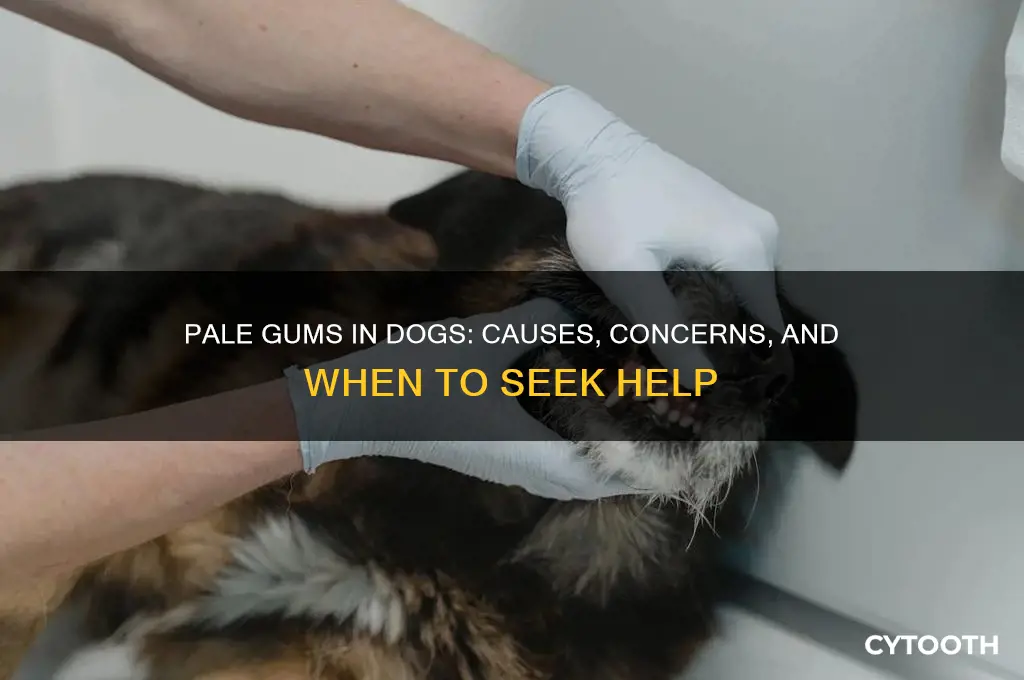
Pale gums in dogs can be a concerning symptom that often indicates an underlying health issue. This discoloration typically occurs due to a decrease in blood flow or a reduction in red blood cells, which can result from various conditions such as anemia, internal bleeding, or circulatory problems. Other potential causes include dehydration, shock, or certain diseases like parvovirus or heartworm disease. Recognizing pale gums early and seeking veterinary care is crucial, as it may signal a serious medical condition requiring prompt attention to ensure the dog’s well-being.
What You'll Learn
- Dehydration and Fluid Loss: Insufficient water intake or excessive loss can lead to pale gums in dogs
- Anemia in Dogs: Reduced red blood cells from disease, parasites, or injury cause pale or white gums
- Shock or Trauma: Severe injury, pain, or shock restricts blood flow, resulting in pale or gray gums
- Heart or Circulatory Issues: Poor blood circulation due to heart disease or clots can cause pale gums
- Internal Bleeding: Hidden bleeding from trauma or disorders may lead to pale or white gums

Dehydration and Fluid Loss: Insufficient water intake or excessive loss can lead to pale gums in dogs
Pale gums in dogs often signal dehydration, a condition that arises when fluid output exceeds intake. This imbalance can stem from inadequate water consumption, excessive urination, vomiting, diarrhea, or even heat exposure. Dogs, unlike humans, rely heavily on panting to regulate body temperature, which accelerates fluid loss, especially in hot or humid conditions. Breeds with short snouts, like Bulldogs or Pugs, are particularly susceptible due to their inefficient cooling mechanisms. Recognizing dehydration early is crucial, as prolonged fluid deficiency can lead to more severe health issues, including organ damage.
To assess dehydration, gently press your dog’s gums; if they remain white for more than two seconds, dehydration is likely. Other signs include lethargy, dry nose, sunken eyes, and loss of skin elasticity (tenting). Puppies and senior dogs are at higher risk due to their underdeveloped or weakened immune systems, respectively. For puppies under six months, dehydration can escalate rapidly, requiring immediate attention. Adult dogs should consume approximately 1 ounce of water per pound of body weight daily, though this increases with activity level, temperature, and health status.
Preventing dehydration involves ensuring constant access to fresh water, especially during exercise or hot weather. For dogs prone to dehydration, consider adding water-rich foods like watermelon (seedless and in moderation) or low-sodium broth to their diet. If dehydration occurs, administer small, frequent sips of water or an electrolyte solution designed for dogs (never use human sports drinks, as they contain harmful additives). Severe cases, such as those involving persistent vomiting or diarrhea, require veterinary intervention, which may include intravenous fluids to restore balance quickly.
Comparing dehydration to other causes of pale gums, such as anemia or shock, highlights its distinct symptoms. While anemia often accompanies weakness and rapid breathing, dehydration’s hallmark is reduced skin elasticity and dry mucous membranes. Shock, on the other hand, presents with rapid heart rate and cold extremities. Understanding these differences aids in prompt and accurate diagnosis. Addressing dehydration not only alleviates pale gums but also safeguards overall health, emphasizing the critical role of hydration in canine well-being.
Coffee and Gum Recession: Uncovering the Surprising Connection
You may want to see also
Anemia in Dogs: Reduced red blood cells from disease, parasites, or injury cause pale or white gums
Pale gums in dogs are a red flag, literally and figuratively. The healthy pink hue of a dog's gums comes from oxygen-rich red blood cells. When those cells are depleted, gums lose their color, turning pale or even white. This is a key symptom of anemia, a condition where the body lacks enough healthy red blood cells to carry oxygen efficiently.
Anemia isn't a disease itself, but rather a symptom of an underlying issue. Think of it as your dog's body waving a white flag, signaling a problem that needs immediate attention.
Disease, parasites, and injury are the primary culprits behind anemia in dogs. Chronic illnesses like kidney disease or cancer can suppress red blood cell production. Parasites like fleas, ticks, and hookworms drain a dog's blood, leading to anemia over time. Even a single traumatic event, like a car accident or severe bleeding during surgery, can cause a sudden and dramatic drop in red blood cells.
Puppies are particularly susceptible to anemia due to their rapidly growing bodies and immature immune systems. A heavy parasite burden or a viral infection can quickly deplete their red blood cell reserves.
Recognizing the signs of anemia is crucial for prompt treatment. Pale gums are the most obvious indicator, but other symptoms include lethargy, weakness, rapid breathing, and a decreased appetite. If you suspect your dog is anemic, a visit to the veterinarian is essential. Blood tests will confirm the diagnosis and identify the underlying cause.
Treatment for anemia depends on the root cause. Parasite infestations require deworming medications and flea/tick prevention. Dogs with chronic illnesses may need ongoing medication or blood transfusions. In cases of severe blood loss, emergency transfusions are often necessary. Your veterinarian will tailor the treatment plan to your dog's specific needs, ensuring they receive the best possible care.
Stress and Gum Health: Uncovering the Link to Periodontal Disease
You may want to see also
Shock or Trauma: Severe injury, pain, or shock restricts blood flow, resulting in pale or gray gums
Severe injury, pain, or shock can rapidly turn a dog's gums pale or gray, signaling a critical restriction in blood flow. This isn’t merely a cosmetic change—it’s a red flag that the body is diverting blood away from non-essential areas to prioritize vital organs like the heart and brain. In trauma cases, such as car accidents, falls, or penetrating wounds, the body’s immediate response is to constrict blood vessels, reducing circulation to the gums and causing their color to fade. If you notice this symptom, it’s not just a sign of distress; it’s an urgent call to action. Immediate veterinary intervention is essential, as pale gums in this context often indicate hypovolemic shock or severe pain, both of which can be life-threatening if left untreated.
To assess gum color accurately, gently lift your dog’s lip and press a finger against the gum tissue for 2 seconds. When you release, healthy gums should return to a pink hue within 1–2 seconds. If they remain pale or gray, or if the capillary refill time exceeds 2 seconds, it’s a clear indicator of poor circulation. Pair this observation with other signs of shock, such as rapid breathing, weak pulse, or lethargy, and you’ve got a compelling case for emergency care. While waiting for veterinary assistance, keep your dog warm and as still as possible to minimize further stress on their circulatory system. Avoid giving food or water, as dogs in shock are at high risk for aspiration pneumonia.
Comparing pale gums in shock to other causes, such as anemia or dehydration, highlights the urgency of this specific scenario. Anemia, for instance, typically presents with pale gums but is often accompanied by gradual symptoms like fatigue or weakness. Shock, however, is acute and demands immediate attention. Unlike dehydration, which can sometimes be managed at home with fluid therapy, trauma-induced pale gums require professional intervention to address the underlying cause—whether it’s internal bleeding, a fractured bone, or a punctured organ. The key takeaway? Pale gums in the context of shock are not a wait-and-see situation; they’re a veterinary emergency.
For dog owners, recognizing the link between trauma and pale gums can be a lifesaver. If your dog has suffered a severe injury, don’t wait for other symptoms to appear. Even if they seem alert or are still walking, internal damage or pain could be causing silent shock. Practical tips include keeping a pet first-aid kit handy, including a muzzle (to prevent biting out of pain), and knowing the fastest route to your nearest emergency vet. Remember, in shock scenarios, time is tissue—the quicker you act, the better the chances of a full recovery. Pale gums are more than a symptom; they’re a critical clue to saving your dog’s life.
Uncovering the Root Causes of Gum Recession on a Single Tooth
You may want to see also
Heart or Circulatory Issues: Poor blood circulation due to heart disease or clots can cause pale gums
Pale gums in dogs can be a silent alarm, signaling underlying health issues that demand immediate attention. Among these, heart or circulatory problems stand out as critical culprits. When the heart fails to pump blood efficiently, or when clots obstruct blood flow, oxygen delivery to tissues is compromised. This reduced circulation often manifests as pale or white gums, a stark contrast to their healthy pink hue. Recognizing this symptom early can be the difference between timely intervention and a worsening condition.
Heart disease in dogs, particularly conditions like congestive heart failure or valvular disease, can lead to poor blood circulation. As the heart weakens, it struggles to maintain adequate blood flow, causing oxygen-rich blood to pool in certain areas rather than reaching all tissues evenly. Clots, on the other hand, act as physical barriers, blocking blood vessels and preventing proper circulation. Both scenarios result in decreased blood flow to the gums, causing them to lose their rosy color. Monitoring for additional signs like lethargy, coughing, or rapid breathing can help confirm the cardiovascular origin of the issue.
If pale gums are observed, immediate veterinary consultation is essential. Diagnostic tools such as echocardiograms or blood tests can pinpoint the exact cause, whether it’s heart disease or clotting disorders. Treatment varies depending on the diagnosis: heart medications like pimobendan or furosemide may be prescribed to improve cardiac function, while anticoagulants like warfarin or clopidogrel could be used to dissolve or prevent clots. Early intervention not only addresses the immediate concern but also prevents long-term damage to vital organs.
Prevention plays a key role in managing circulatory health in dogs. Regular exercise, a balanced diet, and routine veterinary check-ups can help maintain cardiovascular strength, especially in breeds predisposed to heart issues like Cavalier King Charles Spaniels or Boxers. For older dogs or those with a history of heart problems, monitoring for subtle changes in gum color can serve as an early warning system. Remember, pale gums are not just a cosmetic issue—they’re a red flag for deeper, potentially life-threatening conditions.
Flossing and Gum Recession: Separating Fact from Fiction
You may want to see also
Internal Bleeding: Hidden bleeding from trauma or disorders may lead to pale or white gums
Pale gums in dogs can be a silent alarm, signaling internal bleeding that may not be immediately obvious. Unlike external injuries, internal bleeding often hides in the abdomen, chest, or even within muscles, making it a stealthy threat. This condition, known as hemoperitoneum or hemothorax, occurs when blood accumulates in these cavities due to trauma, such as being hit by a car, or disorders like coagulation defects or tumors. The result? A dog’s gums lose their healthy pink hue, turning pale or white as the body struggles to maintain adequate blood circulation.
To identify this issue, observe your dog’s gums closely. Healthy gums should be a consistent pink color and spring back quickly when pressed. If they appear pale, white, or remain blanched after pressure, it’s a red flag. Other symptoms may include lethargy, weakness, rapid breathing, or a swollen abdomen. Time is critical here—internal bleeding can lead to shock or organ failure if untreated. If you suspect internal bleeding, immediate veterinary care is non-negotiable.
Diagnosis typically involves a combination of physical exams, blood tests, and imaging like X-rays or ultrasounds. Treatment depends on the severity and source of the bleeding. Minor cases might resolve with rest and monitoring, but severe bleeding often requires surgery to address the underlying cause, such as removing a ruptured tumor or repairing a torn blood vessel. In some cases, blood transfusions may be necessary to stabilize the dog.
Prevention is key, especially for active or older dogs. Regular veterinary check-ups can catch disorders like hemophilia or cancer early. For active dogs, consider using protective gear like harnesses during outdoor activities to minimize trauma risk. If your dog is on medications like anticoagulants, monitor them closely for signs of unusual bruising or bleeding. Remember, pale gums are not just a cosmetic issue—they’re a symptom of a potentially life-threatening condition that demands swift action.
Gum Disease and Dry Mouth: Unraveling the Connection and Solutions
You may want to see also
Frequently asked questions
Pale gums in dogs can be caused by anemia, shock, blood loss, or poor circulation. It may also indicate underlying health issues like parasites, chronic disease, or poisoning.
Anemia reduces the number of red blood cells, which carry oxygen. This decrease in red blood cells causes the gums to appear pale instead of their normal pink color.
Yes, dehydration can lead to pale gums due to reduced blood volume and poor circulation. However, dehydration often causes tacky gums rather than pale ones.
Pale gums can indicate a serious issue like internal bleeding, poisoning, or severe illness, but they can also result from mild conditions like temporary stress or excitement. Always consult a vet for proper diagnosis.
If your dog has pale gums, monitor for other symptoms like weakness, lethargy, or vomiting. Seek immediate veterinary care, as pale gums can be a sign of a life-threatening condition.