Hailey Morgan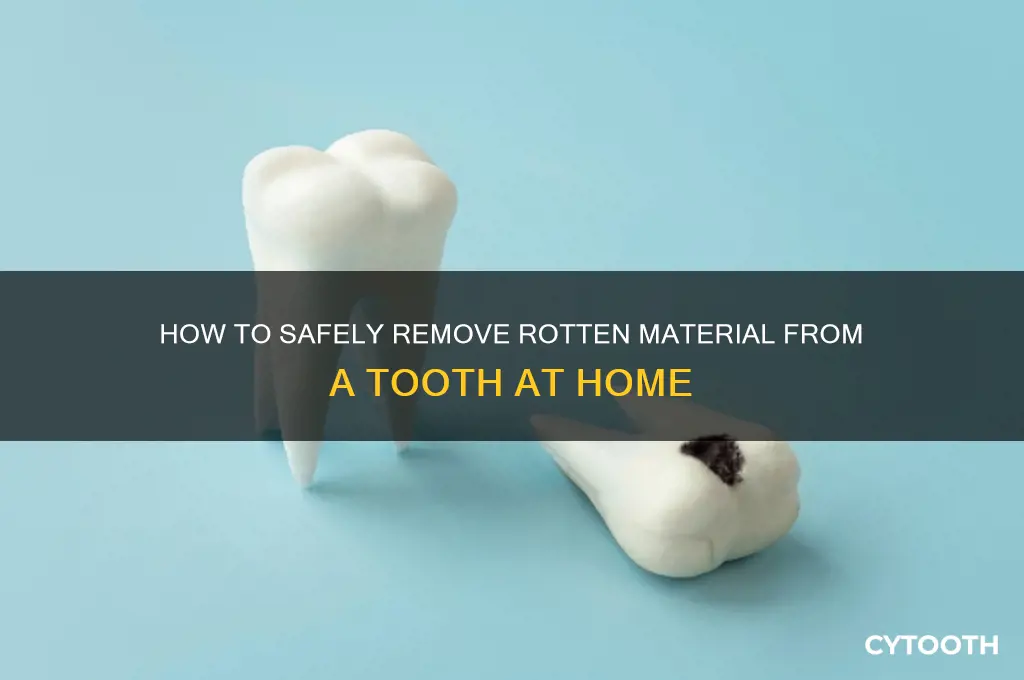
Pulling a rotten tooth is a procedure often necessary when tooth decay has progressed to an advanced stage, causing significant damage to the tooth structure and surrounding tissues. This process, typically performed by a dentist or oral surgeon, involves extracting the decayed tooth to prevent further infection, alleviate pain, and maintain overall oral health. The decay, or rot, occurs when bacteria in the mouth produce acids that erode the enamel, leading to cavities that can deepen and affect the inner layers of the tooth. If left untreated, the infection can spread to the pulp, causing severe pain, abscesses, and even systemic health issues. While preventive measures like regular brushing, flossing, and dental check-ups are ideal, extraction becomes the best course of action when the tooth is beyond repair, ensuring the patient’s comfort and preventing complications.
What You'll Learn
- Natural Remedies: Using clove oil, garlic, or saltwater rinses to alleviate pain and reduce infection
- Dental Procedures: Root canal therapy or extraction performed by a dentist to remove decay
- Pain Management: Over-the-counter pain relievers like ibuprofen or acetaminophen to ease discomfort temporarily
- Preventive Measures: Regular brushing, flossing, and dental check-ups to avoid tooth decay and rot
- Emergency Care: Cold compresses and avoiding hot/cold foods to manage pain before seeing a dentist

Natural Remedies: Using clove oil, garlic, or saltwater rinses to alleviate pain and reduce infection
Clove oil, a potent natural analgesic, has been a go-to remedy for toothaches for centuries. Its active compound, eugenol, acts as a local anesthetic, numbing the affected area and providing immediate relief from pain. To harness its benefits, dilute a few drops of clove oil with a carrier oil like coconut or olive oil, then apply the mixture directly to the sore tooth using a cotton swab. Alternatively, create a clove oil mouthwash by adding 2-3 drops to a glass of warm water and rinsing for 30 seconds. This method not only alleviates pain but also helps reduce inflammation and combat bacteria due to its antimicrobial properties. However, avoid undiluted clove oil, as it can irritate the gums and mucous membranes.
Garlic, another powerhouse in natural medicine, offers both pain relief and infection-fighting capabilities. Its allicin content, a compound with strong antimicrobial and anti-inflammatory effects, makes it particularly effective for dental issues. For a quick remedy, crush a fresh garlic clove to release its allicin, then place it directly on the affected tooth for 10-15 minutes. Repeat this process 2-3 times daily for optimal results. If the taste is too strong, mix minced garlic with a pinch of salt to create a paste, apply it to the tooth, and leave it for 10 minutes before rinsing. While garlic is generally safe, those with sensitive skin or allergies should test a small area first to avoid irritation.
Saltwater rinses are a simple yet effective way to reduce infection and soothe tooth pain. The osmotic effect of salt draws out fluids from inflamed tissues, reducing swelling and discomfort, while its antiseptic properties help cleanse the mouth. To prepare a saltwater rinse, dissolve half a teaspoon of salt in a glass of warm water, ensuring it’s not too hot to avoid burns. Swish the solution around your mouth for 30-60 seconds, focusing on the affected area, then spit it out. Repeat this process 3-4 times daily, especially after meals, to maintain oral hygiene and expedite healing. This remedy is safe for all ages, making it a versatile option for families.
Comparing these remedies, clove oil offers the most targeted pain relief but requires careful dilution, garlic provides robust antimicrobial action but may be less palatable, and saltwater rinses are the mildest yet most accessible option. Each remedy has its strengths, and combining them—such as using clove oil for immediate pain relief followed by garlic and saltwater rinses to combat infection—can yield comprehensive results. However, these natural remedies are not substitutes for professional dental care, especially in cases of severe decay or abscesses. Always consult a dentist if symptoms persist or worsen, as timely intervention is crucial for preventing further complications.
Safe Tooth Extraction Alternatives: What to Use at Home
You may want to see also
Dental Procedures: Root canal therapy or extraction performed by a dentist to remove decay
Decay in a tooth, if left untreated, can lead to severe pain, infection, and even systemic health issues. When the damage reaches the pulp—the innermost layer containing nerves and blood vessels—a dentist must intervene to save the tooth or prevent further complications. Two primary procedures address this issue: root canal therapy and extraction. Each has its merits, but the choice depends on factors like the extent of decay, patient preference, and long-term oral health goals.
Root canal therapy is a restorative procedure designed to remove infected or damaged pulp while preserving the natural tooth. The process begins with local anesthesia to ensure comfort, followed by the creation of a small access hole in the tooth. Using specialized instruments, the dentist meticulously cleans and shapes the root canals, removing all traces of decay and bacteria. The canals are then filled with a biocompatible material called gutta-percha, and the tooth is sealed with a temporary or permanent filling. In most cases, a dental crown is recommended to strengthen the treated tooth and prevent future fractures. This procedure typically requires 1–2 visits, with post-treatment care focusing on avoiding hard foods and maintaining oral hygiene. Success rates are high, with over 90% of treated teeth lasting 10 years or more.
In contrast, extraction involves removing the entire tooth, a decision often reserved for cases where decay is too extensive, or the tooth is severely damaged. Simple extractions are performed for visible teeth, while surgical extractions may be necessary for broken or impacted teeth. After numbing the area with local anesthesia, the dentist uses elevators and forceps to loosen and remove the tooth. Post-extraction care is critical to prevent complications like dry socket, which occurs when the blood clot at the extraction site dislodges. Patients are advised to avoid smoking, strenuous activity, and rinsing vigorously for the first 24 hours. While extraction provides immediate relief from pain and infection, it leaves a gap that may require replacement with a bridge, implant, or partial denture to maintain bite alignment and prevent neighboring teeth from shifting.
Choosing between root canal therapy and extraction requires a thorough evaluation of the tooth’s condition, the patient’s overall health, and their long-term goals. Root canal therapy is often preferred for its ability to preserve natural dentition, which supports proper chewing, speech, and facial structure. However, extraction may be more cost-effective and less time-consuming for patients with extensive decay or those unable to commit to follow-up appointments. A dentist will discuss both options, weighing factors like the tooth’s strategic location, the patient’s budget, and their tolerance for multiple procedures.
Ultimately, both procedures aim to alleviate pain, eliminate infection, and restore oral function. Root canal therapy offers a tooth-saving solution with a high success rate, while extraction provides a quick resolution for irreparably damaged teeth. Patients should consult their dentist to determine the best course of action, ensuring their decision aligns with their oral health needs and lifestyle. Early intervention is key—regular dental check-ups can detect decay before it progresses to the point of requiring such invasive treatments.
Post-Extraction Care: What to Take After a Tooth Extraction
You may want to see also
Pain Management: Over-the-counter pain relievers like ibuprofen or acetaminophen to ease discomfort temporarily
A rotten tooth can cause excruciating pain, often leaving individuals desperate for relief. While professional dental intervention is crucial, over-the-counter pain relievers like ibuprofen or acetaminophen can serve as a temporary bridge to comfort. These medications, when used correctly, can significantly reduce inflammation and pain associated with a decaying tooth, making the wait for professional care more bearable.
Dosage and Administration
For adults, ibuprofen (e.g., Advil, Motrin) is typically taken at 200–400 mg every 4–6 hours, not exceeding 1,200 mg in 24 hours. Acetaminophen (e.g., Tylenol) is generally dosed at 325–650 mg every 4–6 hours, up to 3,000 mg daily. Children’s dosages vary by age and weight, so consult a pediatrician or follow label instructions carefully. Always take these medications with food to minimize stomach irritation, and avoid alcohol, as it can exacerbate liver risks with acetaminophen or stomach issues with ibuprofen.
Mechanism and Effectiveness
Ibuprofen, a nonsteroidal anti-inflammatory drug (NSAID), targets inflammation and pain at the source, making it particularly effective for toothaches caused by infection or decay. Acetaminophen, on the other hand, primarily reduces pain and fever but does not address inflammation. For tooth pain, ibuprofen is often the preferred choice due to its dual action, though acetaminophen can be a safer alternative for those with NSAID sensitivities or stomach conditions.
Cautions and Limitations
While these medications provide temporary relief, they do not address the underlying issue of a rotten tooth. Prolonged use without dental treatment can lead to complications, such as abscesses or further decay. Additionally, ibuprofen should be avoided by individuals with kidney disease, hypertension, or a history of gastrointestinal bleeding. Acetaminophen, when overdosed, can cause severe liver damage, so adherence to recommended dosages is critical. Pregnant or breastfeeding individuals should consult a healthcare provider before use.
Practical Tips for Maximizing Relief
Combine pain relievers with cold compresses applied to the cheek to reduce swelling and numb the area. Avoid hot or cold foods and beverages, as they can aggravate sensitivity. Maintain oral hygiene by gently rinsing with warm salt water to reduce bacterial growth. Most importantly, schedule an immediate dental appointment, as over-the-counter solutions are not a substitute for professional care. Temporary relief should empower you to seek treatment, not delay it.
Soft Foods to Eat After Wisdom Tooth Removal: A Healing Guide
You may want to see also
Preventive Measures: Regular brushing, flossing, and dental check-ups to avoid tooth decay and rot
Tooth decay is a silent predator, often progressing unnoticed until the damage is irreversible. The culprit? A combination of poor oral hygiene and neglect. Regular brushing, flossing, and dental check-ups are not mere suggestions but essential rituals to fend off this relentless enemy. Brushing twice daily with fluoride toothpaste removes plaque, the sticky film of bacteria that erodes enamel. Flossing daily reaches where bristles cannot, dislodging debris between teeth and along the gum line. Together, these habits disrupt the bacterial feast on sugars, preventing acid production that leads to decay.
Consider the mechanics of flossing as a strategic intervention. Wrap 18 inches of floss around your middle fingers, leaving 2–3 inches taut between hands. Gently curve it around each tooth in a C-shape, sliding it up and down against the surface. Avoid snapping it into gums, which can cause irritation. For children under 10, supervise flossing to ensure proper technique. Electric flossers or water picks are alternatives for those with dexterity challenges. Consistency is key—skipping flossing leaves 35% of tooth surfaces vulnerable to decay.
Dental check-ups serve as both a diagnostic tool and a preventive measure. Every six months, a dentist examines your mouth for early signs of decay, using tools like X-rays to detect hidden issues. Professional cleanings remove hardened plaque (tartar) that brushing alone cannot eliminate. For high-risk individuals—those with dry mouth, frequent sugar intake, or genetic predispositions—dentists may recommend additional measures, such as fluoride treatments or antimicrobial mouth rinses. Ignoring these visits increases the likelihood of needing invasive procedures like root canals or extractions.
The cost of prevention pales in comparison to the expense of treating advanced decay. A $5 tube of fluoride toothpaste and $3 pack of floss are negligible compared to the $1,000–$3,000 price tag of a dental implant. Yet, the true value lies in preserving natural teeth, which no artificial substitute can fully replicate. By investing 5 minutes daily in brushing and flossing, and 2 hours annually in dental visits, you safeguard not just your teeth but your overall health, as oral infections can exacerbate conditions like diabetes and heart disease.
Incorporate these habits into your routine with practical strategies. Keep a toothbrush and floss at work for post-meal care. Set reminders on your phone if you tend to forget. For families, make oral hygiene a shared activity to instill lifelong habits in children. Remember, prevention is not passive—it’s an active commitment to your health. The alternative? A rotten tooth, a painful extraction, and a void that no amount of regret can fill. Choose vigilance over neglect, and let your smile be the testament to your efforts.
Post-Extraction Diet: Soft, Nutritious Foods to Eat After a Tooth Extraction
You may want to see also
Emergency Care: Cold compresses and avoiding hot/cold foods to manage pain before seeing a dentist
A rotten tooth can cause excruciating pain, often striking without warning. Before you can see a dentist, managing this pain becomes paramount. Emergency care strategies, such as applying cold compresses and avoiding temperature extremes in food and drink, can provide temporary relief and prevent further discomfort.
Immediate Action: The Power of Cold Compresses
When a rotten tooth flares up, inflammation and swelling often accompany the pain. A cold compress applied to the affected area can reduce both. Wrap an ice pack or a bag of frozen vegetables in a thin cloth and hold it against the cheek near the painful tooth for 15–20 minutes at a time. Repeat this every 1–2 hours as needed. For children, ensure the compress is not too cold and monitor application time to prevent skin irritation. This simple, drug-free method constricts blood vessels, numbing the area and minimizing swelling, offering a quick and effective way to ease pain until professional help is available.
Dietary Caution: Avoiding Temperature Extremes
Hot and cold foods or beverages can exacerbate tooth sensitivity and pain caused by decay. Extreme temperatures cause the nerves inside the tooth to react sharply, intensifying discomfort. Opt for lukewarm or room-temperature foods and drinks instead. Soft, easy-to-chew items like yogurt, mashed potatoes, or oatmeal are ideal. Avoid crunchy, hard, or sticky foods that could aggravate the tooth further. Even after applying a cold compress, refrain from immediately consuming cold items, as the temperature contrast can trigger pain. This dietary adjustment, though temporary, can significantly reduce suffering while awaiting dental treatment.
Practical Tips for Effective Pain Management
Combine cold compresses with over-the-counter pain relievers like ibuprofen (200–400 mg every 4–6 hours for adults) for enhanced relief. However, avoid placing aspirin directly on the tooth, as it can burn the gum tissue. Keep your head elevated while resting to reduce blood flow to the head, which may lessen swelling. If the pain is accompanied by fever or swelling that spreads to the face or neck, seek immediate medical attention, as this could indicate a severe infection. These measures are stopgaps, not cures—they buy time until a dentist can address the root cause.
The Takeaway: Temporary Relief, Not a Solution
Cold compresses and dietary modifications are invaluable tools for managing acute tooth pain, but they do not treat the underlying decay. A rotten tooth requires professional intervention, such as a root canal or extraction, to prevent complications like abscesses or systemic infections. Use these emergency care techniques to stay comfortable in the short term, but prioritize scheduling a dental appointment promptly. Ignoring the problem will only worsen both the pain and the damage.
Effective Ways to Relieve Pain After a Tooth Extraction
You may want to see also
Frequently asked questions
This phrase refers to the process of extracting a decayed or damaged portion of a tooth, typically performed by a dentist to prevent further infection or complications.
No, pulling a rotten part out of a tooth usually involves removing the decayed portion, while a root canal involves cleaning and sealing the entire inner chamber of the tooth to save it.
The procedure is typically performed under local anesthesia, so you shouldn’t feel pain during the process. Afterward, there may be some discomfort, which can be managed with pain relievers.
Leaving decay untreated can lead to severe infection, abscess formation, tooth loss, and potential spread of infection to other parts of the body. It’s important to address tooth decay promptly.