Samantha Blake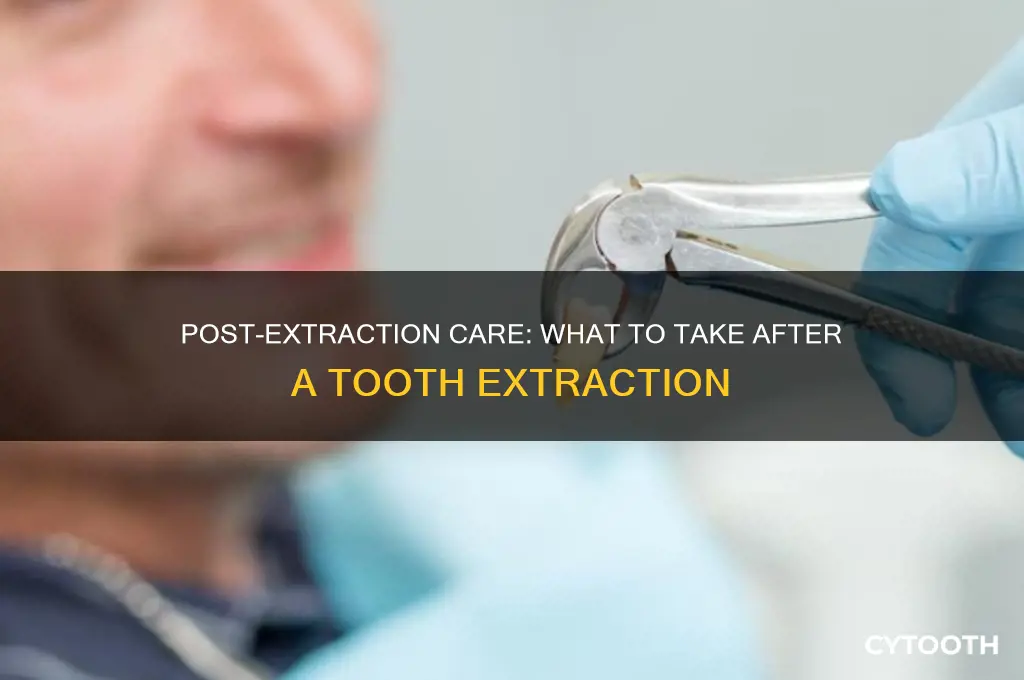
After having a tooth pulled, it’s essential to follow proper aftercare to ensure a smooth and complication-free recovery. Immediately post-extraction, your dentist will provide specific instructions, but generally, you can take over-the-counter pain relievers like ibuprofen or acetaminophen to manage discomfort. Avoid aspirin, as it can interfere with blood clotting. Applying a cold compress to the affected area can reduce swelling, and sticking to soft, cool foods like yogurt or mashed potatoes can prevent irritation. It’s crucial to avoid smoking, drinking through a straw, or rinsing vigorously, as these actions can dislodge the blood clot and lead to a painful condition called dry socket. Always consult your dentist if you experience severe pain, prolonged bleeding, or signs of infection.
| Characteristics | Values |
|---|---|
| Pain Relief Medications | Over-the-counter pain relievers like ibuprofen (Advil, Motrin) or acetaminophen (Tylenol). Avoid aspirin as it can increase bleeding. |
| Antibiotics | Prescribed by the dentist if there’s a risk of infection. |
| Cold Compress | Apply an ice pack to the cheek for 20 minutes on, 20 minutes off, to reduce swelling. |
| Soft Diet | Consume soft foods like yogurt, mashed potatoes, smoothies, and soups for the first 24–48 hours. Avoid hot, spicy, or crunchy foods. |
| Hydration | Drink plenty of water, but avoid using straws as the suction can dislodge the blood clot. |
| Oral Rinses | Avoid rinsing vigorously for the first 24 hours. After that, use a mild saltwater rinse (1/2 teaspoon salt in 8 oz warm water). |
| Avoid Smoking/Tobacco | Smoking can delay healing and increase the risk of dry socket. |
| Avoid Alcohol | Alcohol can interfere with healing and interact with medications. |
| Rest and Elevation | Keep your head elevated with extra pillows when lying down to reduce swelling. |
| Avoid Touching the Extraction Site | Do not probe the area with your tongue, fingers, or toothbrush. |
| Follow-Up Care | Follow the dentist’s instructions for post-extraction care and attend any follow-up appointments. |
| Signs of Complications | Contact your dentist if you experience severe pain, excessive bleeding, fever, or signs of infection. |
What You'll Learn

Pain Management Options
After a tooth extraction, managing pain effectively is crucial for a smooth recovery. Over-the-counter pain relievers are often the first line of defense. Acetaminophen (Tylenol) is a common choice, especially for those who cannot take anti-inflammatory medications. Adults can typically take 500–1,000 mg every 4–6 hours, not exceeding 4,000 mg in 24 hours. For children, dosage is weight-based, so consult a pediatrician. Acetaminophen is gentle on the stomach but does not reduce swelling, making it ideal for mild to moderate pain.
For more significant pain and inflammation, nonsteroidal anti-inflammatory drugs (NSAIDs) like ibuprofen (Advil, Motrin) or naproxen (Aleve) are effective. Ibuprofen can be taken every 6–8 hours, with a maximum daily dose of 1,200 mg for adults. Naproxen is longer-lasting, requiring dosing every 8–12 hours, up to 1,000 mg daily. NSAIDs reduce both pain and swelling but can irritate the stomach, so take them with food. Avoid NSAIDs if you have a history of ulcers, kidney issues, or are on blood thinners.
Prescription medications may be necessary for severe pain, particularly after complex extractions like wisdom tooth removal. Opioids such as hydrocodone or oxycodone are potent but come with risks, including nausea, constipation, and dependency. These are typically prescribed for short-term use, often 3–5 days, and should be taken exactly as directed. Combining opioids with acetaminophen or NSAIDs can enhance pain relief but requires careful monitoring to avoid overdose.
Beyond medication, natural remedies can complement pain management. Applying a cold compress to the cheek for 20 minutes at a time reduces swelling and numbs the area. Clove oil, applied topically with a cotton swab, has analgesic properties but should be used sparingly to avoid tissue irritation. Avoiding hot foods, alcohol, and smoking promotes healing and minimizes discomfort.
Finally, local anesthetics like benzocaine gels or rinses can provide temporary relief by numbing the extraction site. These are particularly useful for post-procedure soreness but should not be overused, as excessive application can lead to tissue damage. Always follow product instructions and consult a dentist if pain persists or worsens. Combining these strategies—medication, natural remedies, and topical treatments—offers a comprehensive approach to managing post-extraction pain effectively.
Soft and Soothing Foods to Eat After a Tooth Extraction
You may want to see also
Safe Foods to Eat
After a tooth extraction, your mouth needs gentle care, and this extends to your food choices. The first 24 hours are critical, and a liquid diet is your best friend. Think smoothies, but not the chunky, seed-filled kind. Blend soft fruits like bananas, mangoes, or avocados with yogurt or milk for a nutritious, tooth-friendly meal. Avoid straws, though; the suction can dislodge the blood clot forming in the socket, leading to a painful condition called dry socket.
As you progress beyond the first day, soft, cool foods become your allies. Think of it as a culinary spa day for your mouth. Mashed potatoes, well-cooked oatmeal, and scrambled eggs are excellent choices. These foods require minimal chewing, reducing the risk of irritating the extraction site. For a sweet treat, opt for applesauce or pudding, but steer clear of sugary options that can promote infection. Remember, the goal is to nourish your body while giving your mouth the rest it needs.
Hydration is key, but not all liquids are created equal. Water is your go-to beverage, but you can also enjoy broths and herbal teas. Avoid hot drinks, as they can increase swelling and discomfort. Similarly, stay away from alcoholic and carbonated beverages, which can hinder the healing process. If you're a coffee enthusiast, consider this a temporary break—your mouth will thank you. For added flavor, infuse your water with cucumber or mint, providing a refreshing twist without the risk.
Introducing solid foods back into your diet should be a gradual process. Start with soft, easily chewable items like ripe pears, well-cooked pasta, or flaky fish. Cut your food into small pieces to minimize jaw movement and potential irritation. Avoid crunchy, hard, or sticky foods like chips, nuts, and caramel, as they can get lodged in the extraction site or require excessive chewing. Think of this phase as a delicate dance, slowly reintroducing textures while being mindful of your mouth's healing journey.
The key to a smooth recovery is patience and mindfulness. Listen to your body and adjust your diet as needed. If a particular food causes discomfort, avoid it for a few more days. Keep your meals nutritious and varied to ensure you're getting adequate nutrients for healing. With the right food choices, you can support your body's natural healing process and get back to your regular diet sooner. This post-extraction diet is a temporary adjustment, but it plays a crucial role in ensuring a complication-free recovery.
Post-Extraction Diet: Soft, Nutritious Foods to Eat After a Tooth Extraction
You may want to see also
Oral Hygiene Tips
After a tooth extraction, maintaining impeccable oral hygiene is crucial to prevent infection and promote healing. The extraction site is vulnerable, and improper care can lead to complications like dry socket, a painful condition where the blood clot dislodges, exposing bone and nerves. To avoid this, start by gently rinsing your mouth with warm salt water 24 hours after the procedure. Mix half a teaspoon of salt in 8 ounces of warm water, swish it around for 30 seconds, and spit it out. This reduces inflammation and kills bacteria without irritating the wound.
While brushing your teeth is essential, be cautious around the extraction site. Use a soft-bristled toothbrush and avoid direct contact with the area for the first 24 hours. After that, gently brush the surrounding teeth to prevent plaque buildup, which can lead to infection. Flossing is equally important but requires precision. Avoid flossing directly around the extraction site for the first few days to prevent disturbing the blood clot. Instead, focus on cleaning the teeth adjacent to the gap, ensuring no food particles remain trapped.
Diet plays a significant role in post-extraction oral hygiene. Soft, cool foods like yogurt, mashed potatoes, and smoothies are ideal because they minimize irritation to the extraction site. Avoid hot, spicy, or crunchy foods, as they can aggravate the wound and dislodge the blood clot. Hydration is key, but use a straw to avoid creating suction in your mouth, which can disrupt healing. Additionally, refrain from smoking or consuming alcohol for at least 72 hours, as these can delay healing and increase infection risk.
For pain and swelling management, over-the-counter medications like ibuprofen (200–400 mg every 6 hours) or acetaminophen (500–1000 mg every 6 hours) can be effective. Always follow the recommended dosage and consult your dentist if pain persists. Applying a cold compress to the outside of your cheek for 15–20 minutes at a time can reduce swelling in the first 24–48 hours. After that, switch to a warm compress to promote blood flow and healing.
Finally, monitor the extraction site for signs of infection, such as persistent pain, fever, or foul-smelling discharge. If any of these symptoms occur, contact your dentist immediately. Adhering to these oral hygiene practices not only ensures a smooth recovery but also sets the foundation for long-term dental health. Remember, consistency is key—even after the extraction site heals, maintain these habits to protect your remaining teeth and gums.
Soft Foods to Eat After Wisdom Tooth Removal: A Healing Guide
You may want to see also
Signs of Infection
After a tooth extraction, your body works hard to heal, but sometimes complications arise. One of the most serious is infection, which can delay recovery and lead to further health issues. Recognizing the signs early is crucial for prompt treatment. Common indicators include persistent pain that worsens after 48 hours, swelling that increases instead of subsiding, and a fever above 100.4°F (38°C). If you notice pus or a foul taste in your mouth, or if the extraction site emits an unpleasant odor, these are red flags. Discolored or oozing discharge, especially if it’s greenish or yellowish, suggests bacterial activity. Immediate action is necessary to prevent the infection from spreading.
Analyzing these symptoms requires attention to detail. Pain is expected after a tooth extraction, but it should gradually improve with time. If over-the-counter pain relievers like ibuprofen (600–800 mg every 6–8 hours) or acetaminophen (500–1000 mg every 4–6 hours) fail to manage the discomfort, or if the pain intensifies, it’s a warning sign. Swelling is also normal but should peak within 48 hours and then decrease. If it persists or spreads to your jaw, neck, or face, seek medical attention. Fever, especially when accompanied by chills or fatigue, indicates your body is fighting an infection. These symptoms should not be ignored, as untreated infections can lead to abscesses or systemic issues.
To prevent infection, follow post-extraction care instructions meticulously. Rinse gently with warm salt water (1/2 teaspoon of salt in 8 ounces of water) after meals and before bed, starting 24 hours after the procedure. Avoid vigorous rinsing, spitting, or using straws for the first 24 hours, as these actions can dislodge the blood clot and delay healing. Keep your head elevated while resting, and apply a cold compress to reduce swelling. If prescribed antibiotics, complete the full course, even if symptoms improve. For example, amoxicillin (500 mg every 8 hours) is commonly prescribed for dental infections, but dosages vary based on age and medical history. Always consult your dentist or oral surgeon if you suspect an infection.
Comparing a normal healing process to an infected site highlights key differences. In a healthy recovery, the extraction area will gradually close, and discomfort will subside. In contrast, an infected site may develop a dark or discolored scab, emit pus, or feel warm to the touch. While minor bleeding or oozing is normal initially, persistent bleeding or a bad taste in your mouth warrants attention. If you’re unsure, take photos daily to track changes. This visual record can help you and your dentist assess whether the site is healing properly or if intervention is needed.
In conclusion, vigilance is your best defense against post-extraction infections. Monitor symptoms closely, especially in the first 72 hours, and act quickly if you notice any signs of infection. Keep your dentist informed of any concerns, as early treatment can prevent complications. Remember, proper aftercare—including pain management, oral hygiene, and adherence to medical advice—plays a vital role in ensuring a smooth recovery. By staying alert and proactive, you can protect your oral health and avoid unnecessary complications.
Healing Time Expectations
The initial 24 hours after a tooth extraction are critical for setting the stage for smooth healing. During this period, a blood clot forms in the socket, acting as a protective barrier against infection and promoting tissue regeneration. Any disruption to this clot—whether from vigorous rinsing, drinking through a straw, or excessive spitting—can lead to a painful condition called dry socket, which significantly delays recovery. To safeguard the clot, dentists recommend gentle care: avoid smoking, limit physical activity, and stick to soft, lukewarm foods like yogurt or mashed potatoes. Over-the-counter pain relievers such as ibuprofen (200–400 mg every 6–8 hours) or acetaminophen (500–1,000 mg every 4–6 hours) can manage discomfort, but always follow the dosage instructions on the label or consult your dentist.
By the third to fifth day, swelling and bruising should begin to subside, and initial discomfort will likely ease. However, this doesn’t mean the healing process is complete. The socket is still vulnerable, and bone regeneration is underway. Patients often make the mistake of resuming normal activities too soon, which can reopen the wound or introduce bacteria. Continue avoiding hard, crunchy, or spicy foods, and maintain oral hygiene by gently rinsing with warm salt water (1/2 teaspoon of salt in 8 ounces of water) after meals. If dissolvable stitches were used, they’ll typically start to break down during this phase, but non-dissolvable stitches may require a follow-up appointment for removal.
For most adults, complete healing of the socket takes 1–2 weeks, though full bone regeneration can extend to 3–6 months. Children and teenagers may heal faster due to higher metabolic rates, but the same precautions apply. During weeks 2–4, patients can gradually reintroduce firmer foods, but chewing on the extraction side should still be avoided. Persistent pain, fever, or foul-tasting drainage after the first week could indicate an infection and warrants immediate dental attention. While over-the-counter medications can manage minor discomfort, prescription antibiotics or pain relievers may be necessary for complications.
Long-term healing expectations vary based on factors like age, overall health, and the complexity of the extraction. Smokers, for instance, often experience slower healing due to reduced blood flow, while diabetics may face higher infection risks. To optimize recovery, maintain a balanced diet rich in vitamins C and D, which support tissue repair and immune function. Avoid alcohol and tobacco, as both impair healing and increase infection risk. Regularly monitor the extraction site for signs of abnormality, and don’t hesitate to contact your dentist with concerns. Patience and adherence to post-extraction guidelines are key to ensuring a complication-free recovery.
Frequently asked questions
Over-the-counter pain relievers like ibuprofen (Advil, Motrin) or acetaminophen (Tylenol) are typically recommended. Avoid aspirin, as it can increase bleeding. Your dentist may prescribe stronger pain medication if needed.
Stick to soft, cool foods like yogurt, applesauce, or mashed potatoes for the first 24–48 hours. Avoid hot, spicy, chewy, or crunchy foods, as they can irritate the extraction site and delay healing.
Avoid brushing near the extraction site for the first 24 hours. You can gently rinse with warm salt water after 24 hours to keep the area clean. Resume normal brushing and flossing after a few days, being careful not to disturb the healing site.