Hailey Morgan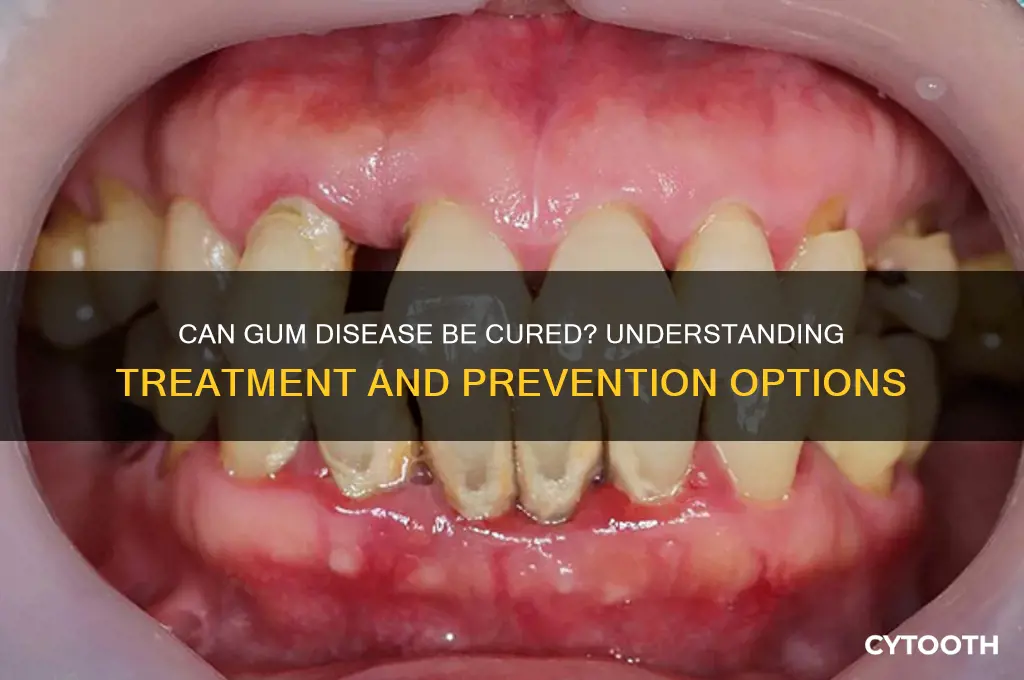
Gum disease, also known as periodontal disease, is a common oral health issue affecting millions of people worldwide. It ranges from mild gingivitis, characterized by inflammation and bleeding gums, to more severe periodontitis, which can lead to tooth loss and bone damage. The question of whether gum disease is curable depends on its stage and severity. Early-stage gingivitis can often be reversed with proper oral hygiene practices, such as regular brushing, flossing, and professional cleanings. However, advanced periodontitis may require more intensive treatments, including deep cleaning procedures, medications, or surgery, to manage the condition and prevent further progression. While gum disease cannot always be completely cured, especially in its later stages, it can be effectively controlled and maintained with consistent care and lifestyle changes, ensuring long-term oral health and preventing complications.
| Characteristics | Values |
|---|---|
| Curability | Gum disease (gingivitis) is curable if detected and treated early. |
| Periodontitis Curability | Advanced gum disease (periodontitis) is not curable but manageable. |
| Treatment Options | Professional cleaning, scaling, root planing, antibiotics, surgery. |
| Prevention | Good oral hygiene, regular dental check-ups, healthy diet. |
| Reversibility | Gingivitis is reversible with proper care; periodontitis is not. |
| Long-Term Management | Lifelong maintenance required for periodontitis to prevent progression. |
| Recurrence Risk | High if oral hygiene is poor or risk factors (e.g., smoking) persist. |
| Impact on Overall Health | Linked to systemic conditions like heart disease and diabetes. |
| Early Detection | Key to successful treatment and prevention of irreversible damage. |
| Home Care Importance | Brushing twice daily, flossing, and using antiseptic mouthwash essential. |
What You'll Learn

Early detection and treatment options for gum disease
Gum disease, or periodontal disease, often progresses silently, making early detection crucial. Regular dental check-ups are the cornerstone of identifying gingivitis—the mildest form of gum disease—before it escalates to periodontitis, which can cause irreversible damage. Dentists use tools like periodontal probes to measure pocket depths around teeth, with depths greater than 3 millimeters indicating potential issues. X-rays may also reveal bone loss, a late-stage symptom. Self-awareness is equally vital: bleeding gums during brushing, persistent bad breath, or receding gums are red flags that warrant immediate attention.
Once detected, treatment options vary based on the disease’s severity. For gingivitis, professional dental cleaning (scaling and root planing) removes plaque and tartar buildup, while at-home care—brushing twice daily with fluoride toothpaste, flossing, and using antimicrobial mouthwash—can reverse the condition. For mild periodontitis, deep cleaning procedures like scaling and root planing smooth the tooth root, discouraging bacterial growth. In advanced cases, surgical interventions such as flap surgery or bone and tissue grafts may be necessary to repair damage. Antibiotics, such as doxycycline (20 mg twice daily for 7–10 days) or topical gels like chlorhexidine, are often prescribed to control infection.
Comparing treatment approaches highlights the importance of early intervention. Non-surgical methods are less invasive, more affordable, and highly effective when gum disease is caught early. Surgical treatments, while successful, are costlier, require longer recovery times, and carry risks like infection or discomfort. For instance, scaling and root planing typically cost $140–$200 per quadrant, whereas flap surgery can range from $1,000 to $3,000 per quadrant. This disparity underscores why addressing gum disease in its initial stages is both financially and physically prudent.
Practical tips can enhance treatment outcomes. For individuals over 40, who are at higher risk, incorporating interdental brushes or water flossers can improve cleaning efficacy. Diabetics, smokers, and pregnant women—groups predisposed to gum disease—should monitor symptoms vigilantly and maintain consistent dental visits. Dietary adjustments, such as reducing sugar intake and increasing vitamin C-rich foods, support gum health. Finally, quitting smoking is non-negotiable, as it impairs blood flow to gums and hinders healing. Early detection paired with tailored treatment and lifestyle modifications can halt gum disease’s progression, preserving oral health and overall well-being.
Reversing Periodontal Gum Disease: Is It Possible and How?
You may want to see also
Role of professional dental cleaning in curing gum disease
Professional dental cleaning is a cornerstone in the treatment and management of gum disease, a condition medically known as periodontal disease. While early stages like gingivitis can often be reversed with diligent home care, more advanced periodontitis typically requires professional intervention. Dental hygienists and dentists use specialized tools to remove plaque and tartar buildup that brushing and flossing alone cannot eliminate. This process, known as scaling and root planing, smooths the tooth roots, discouraging further bacterial accumulation and allowing gums to reattach to teeth. Without this intervention, the disease can progress, leading to tooth loss and systemic health issues such as cardiovascular disease or diabetes complications.
Consider the analogy of a garden overrun with weeds. Just as pulling visible weeds isn’t enough to prevent regrowth, brushing and flossing only address surface-level plaque. Professional cleaning acts like deep cultivation, removing hidden tartar (hardened plaque) and creating an environment where healthy gums can thrive. For instance, a patient with moderate periodontitis might undergo scaling and root planing over 2–4 sessions, followed by maintenance cleanings every 3–4 months. This structured approach not only halts disease progression but also supports gum tissue regeneration, particularly when combined with antimicrobial mouth rinses or localized antibiotics like doxycycline gel.
Critics might argue that professional cleaning is costly or unnecessary if one maintains good oral hygiene. However, studies show that even the most diligent brushers miss 30–40% of plaque, especially in hard-to-reach areas like molars or under the gumline. For example, a 2019 study in the *Journal of Periodontology* found that patients who received professional cleanings every 4 months had 25% less periodontal pocket depth (a key disease marker) compared to those on a 6-month schedule. The investment in professional care is minimal compared to the expense of treating advanced gum disease, which may require surgeries like flap procedures or bone grafts.
Practical tips for maximizing the benefits of professional cleaning include scheduling appointments early in the day, as gum sensitivity post-cleaning can be more manageable. Patients should also avoid sugary foods or acidic drinks for 24 hours afterward, as these can irritate freshly cleaned gums. For those with dental anxiety, discussing sedation options like nitrous oxide or topical anesthetics with the dentist beforehand can make the experience more comfortable. Ultimately, professional cleaning isn’t just a treatment—it’s a proactive measure that, when paired with consistent home care, can effectively cure early gum disease and manage advanced cases.
Recognizing Early Signs of Periodontal Disease: Symptoms and Prevention Tips
You may want to see also
Impact of lifestyle changes on gum disease recovery
Gum disease, or periodontal disease, affects millions worldwide, often leading to tooth loss if left untreated. While professional dental care is essential, lifestyle changes play a pivotal role in recovery. Poor oral hygiene, smoking, and an unhealthy diet are primary culprits in gum disease progression. Conversely, adopting targeted lifestyle modifications can significantly reverse early stages and manage advanced cases effectively.
Dietary Adjustments: Fueling Recovery from Within
A nutrient-rich diet strengthens the body’s ability to combat gum disease. Incorporate foods high in vitamin C (e.g., oranges, strawberries) to promote gum health and collagen production. Calcium and phosphorus (found in dairy, leafy greens, and nuts) fortify tooth enamel. Conversely, limit sugary and acidic foods, which feed harmful bacteria and erode enamel. For instance, replacing sugary snacks with crunchy vegetables like carrots or celery can naturally clean teeth and stimulate saliva production, a natural protector against plaque.
Smoking Cessation: A Non-Negotiable Step
Smoking is a major risk factor for gum disease, impairing blood flow to gums and delaying healing. Studies show smokers are up to six times more likely to develop advanced periodontal disease. Quitting smoking, while challenging, yields immediate benefits: within days, blood oxygen levels improve, and within months, gum health begins to recover. Nicotine replacement therapies, prescription medications like varenicline, and behavioral support programs can aid in this transition.
Stress Management: The Overlooked Link
Chronic stress weakens the immune system, making gums more susceptible to bacterial infections. Practices like mindfulness meditation, yoga, or even 30 minutes of daily exercise can reduce stress hormones and enhance overall health. A 2019 study in the *Journal of Periodontology* found that patients who incorporated stress-reduction techniques alongside traditional treatment experienced faster gum tissue regeneration.
Oral Hygiene: The Foundation of Recovery
Consistent oral care is the cornerstone of gum disease management. Brush twice daily with a soft-bristled toothbrush and fluoride toothpaste, and floss daily to remove plaque from between teeth. For advanced cases, dentists may recommend antimicrobial mouthwashes containing chlorhexidine (0.12% solution, used twice daily for up to six months). Electric toothbrushes with pressure sensors can also improve cleaning efficiency without damaging gums.
Hydration and Sleep: Unsung Heroes
Staying hydrated ensures adequate saliva production, which neutralizes acids and washes away food particles. Aim for 8–10 glasses of water daily, avoiding excessive caffeine or alcohol, which can dehydrate. Additionally, prioritize 7–9 hours of sleep nightly; poor sleep weakens immunity, hindering gum tissue repair.
By integrating these lifestyle changes, individuals can actively participate in their gum disease recovery, transforming passive patients into proactive healers. While not a standalone cure, these adjustments amplify the effectiveness of professional treatments, offering a holistic path to healthier gums and a brighter smile.
Holistic Dentistry Approaches: Natural Gum Disease Treatment Strategies Explained
You may want to see also
Effectiveness of medications in treating advanced gum disease stages
Advanced gum disease, or periodontitis, often requires a multifaceted treatment approach, and medications play a pivotal role in managing its progression. Antibiotics, such as doxycycline or metronidazole, are commonly prescribed to target the bacterial infections that exacerbate the condition. These medications work by reducing the number of harmful bacteria in the mouth, thereby slowing the destruction of gum tissue and bone. For instance, a typical regimen might involve a 7-day course of 200 mg of doxycycline twice daily, often in conjunction with scaling and root planing procedures. While antibiotics can be effective, their overuse raises concerns about antibiotic resistance, making them a supplementary rather than primary treatment.
Another class of medications, antimicrobial mouth rinses like chlorhexidine, offers a localized approach to combating gum disease. Chlorhexidine, typically prescribed as a 0.12% solution, is used as a rinse twice daily for 30 seconds. Its effectiveness lies in reducing plaque and gingival inflammation, particularly in the early to moderate stages of periodontitis. However, long-term use is discouraged due to potential side effects, such as tooth staining and altered taste perception. For advanced cases, these rinses are often paired with other treatments to maximize efficacy.
For patients with severe periodontitis, systemic enzymes like subantimicrobial-dose doxycycline (SDD) have emerged as a promising option. SDD, taken at 20 mg twice daily, works by inhibiting collagenase, an enzyme that breaks down gum tissue. This medication is particularly useful for patients with significant bone loss, as it helps preserve existing tissue while other treatments address the infection. Studies show that SDD can reduce probing depths and improve clinical attachment levels when used consistently over several months.
Despite these advancements, medications alone are rarely sufficient to cure advanced gum disease. Their effectiveness is maximized when combined with mechanical interventions, such as deep cleaning and surgical procedures. For example, a patient might undergo flap surgery to remove infected tissue, followed by a course of antibiotics to prevent post-operative infection. Additionally, patient compliance is critical; missing doses or discontinuing medication prematurely can undermine treatment outcomes. Practical tips include setting medication reminders and maintaining regular dental check-ups to monitor progress.
In conclusion, while medications are valuable tools in treating advanced gum disease, their success depends on proper usage, combination with other therapies, and patient adherence. From antibiotics to antimicrobial rinses and enzyme inhibitors, each medication addresses specific aspects of the disease, offering hope for managing this chronic condition effectively. However, they are not a standalone cure, emphasizing the need for a comprehensive treatment plan tailored to individual needs.
Can Gum Disease Be Fatal? Uncovering the Serious Health Risks
You may want to see also
Preventive measures to avoid recurrence of gum disease
Gum disease, though often reversible in its early stages, can become a chronic condition if not managed properly. While treatment can halt its progression, recurrence is a significant concern. Preventive measures are therefore crucial to maintaining oral health and avoiding the discomfort and potential systemic complications associated with gum disease.
Here’s a focused guide on how to prevent its recurrence.
Daily Oral Hygiene: The Foundation of Prevention
Consistent and effective oral hygiene is the cornerstone of preventing gum disease recurrence. Brush your teeth twice daily with a fluoride toothpaste, using a soft-bristled toothbrush at a 45-degree angle to the gums. Spend at least two minutes each session, ensuring you clean all surfaces. Floss daily to remove plaque and debris between teeth where brushing can’t reach. For added protection, incorporate an antimicrobial mouthwash into your routine, particularly one containing chlorhexidine (0.12% concentration), which has been shown to reduce plaque and gingivitis. However, use chlorhexidine-based rinses for no more than 4–6 weeks at a time to avoid staining teeth or altering oral flora.
Professional Care: Regular Check-Ups and Cleanings
Even the most diligent home care routine can’t replace professional dental cleanings. Schedule dental check-ups and cleanings every six months, or more frequently if recommended by your dentist. These visits allow for the removal of tartar (hardened plaque) that brushing and flossing can’t eliminate. During these appointments, your dentist can also monitor your gum health, detect early signs of recurrence, and provide personalized advice. For those with a history of gum disease, deep cleaning procedures like scaling and root planing may be necessary to prevent progression.
Lifestyle Adjustments: Diet, Habits, and Stress Management
Diet plays a pivotal role in oral health. Limit sugary and acidic foods and beverages, which contribute to plaque formation and enamel erosion. Instead, incorporate foods rich in vitamins C and D, calcium, and phosphorus, such as leafy greens, dairy products, and nuts, which support gum health and bone density. Smoking and tobacco use are major risk factors for gum disease recurrence, so quitting is essential. Additionally, manage stress through techniques like meditation or exercise, as stress weakens the immune system, making it harder for your body to fight off infections, including gum disease.
Advanced Tools and Techniques: Beyond the Basics
For those prone to gum disease, investing in advanced oral care tools can provide an extra layer of protection. Electric toothbrushes with pressure sensors and timed brushing modes ensure thorough cleaning without damaging gums. Water flossers are an effective alternative to traditional floss, particularly for those with braces or dental work. Probiotic lozenges or supplements containing strains like *Lactobacillus reuteri* have shown promise in reducing gum inflammation and improving overall oral health. Always consult your dentist before starting any new oral care regimen.
Monitoring and Early Intervention: Stay Vigilant
Recurrence of gum disease often begins subtly, with symptoms like bleeding gums, bad breath, or slight gum recession. Stay vigilant and address these signs immediately. Keep a journal to track changes in your oral health, noting any discomfort or abnormalities. Early intervention can prevent minor issues from escalating into full-blown gum disease. If you notice persistent symptoms, don’t delay—schedule a dental appointment promptly.
By combining rigorous daily care, professional oversight, lifestyle modifications, and advanced tools, you can significantly reduce the risk of gum disease recurrence. Prevention is not just about avoiding discomfort; it’s about safeguarding your overall health, as gum disease has been linked to conditions like heart disease and diabetes. Take these measures seriously, and your gums will thank you.
Gum Disease in Your 20s: Prevalence, Risks, and Prevention Tips
You may want to see also
Frequently asked questions
Gum disease, in its early stage (gingivitis), is reversible with proper oral hygiene and professional care. However, in its advanced stage (periodontitis), it cannot be completely cured but can be managed to prevent further damage.
Gingivitis can often be reversed with consistent brushing, flossing, and good oral care at home. However, periodontitis typically requires professional intervention, such as deep cleaning or surgery, to manage effectively.
Gum disease can recur if oral hygiene practices are not maintained. Regular dental check-ups and proper home care are essential to prevent its return, especially for those with a history of periodontitis.
While gingivitis can be permanently reversed, periodontitis is a chronic condition that requires ongoing management. With proper care, its progression can be halted, but it cannot be permanently cured.