Matthew Grant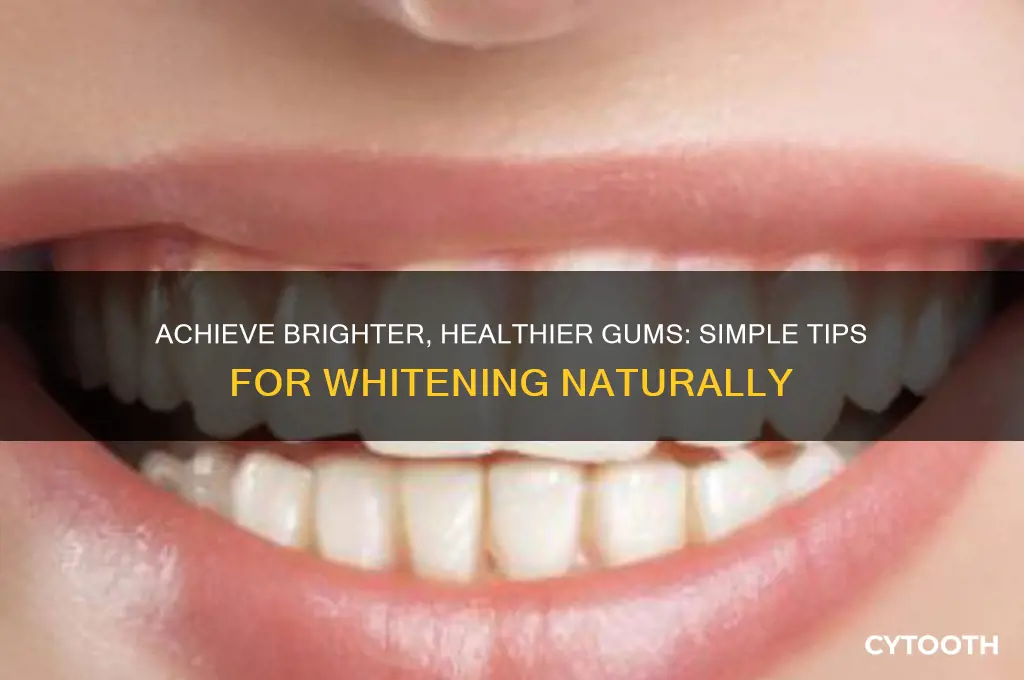
Achieving whiter gums is a common concern for many, often tied to oral health and aesthetics. While pink gums are generally considered healthy, discoloration can occur due to factors like smoking, poor oral hygiene, or certain medications. To make gums appear whiter, maintaining excellent oral care is essential, including regular brushing, flossing, and professional dental cleanings. Additionally, quitting smoking, avoiding staining foods and drinks, and using antimicrobial mouthwashes can help reduce discoloration. In some cases, consulting a dentist for treatments like gum bleaching or addressing underlying issues such as gum disease may be necessary for optimal results.
What You'll Learn
- Brushing Techniques: Use soft-bristled toothbrush, angle 45 degrees, brush gums gently twice daily
- Whitening Toothpaste: Choose fluoride-based toothpaste with mild abrasives to remove surface stains safely
- Oil Pulling: Swish coconut or sesame oil for 10-15 minutes daily to reduce plaque
- Healthy Diet: Avoid sugary foods, increase vitamin C, and drink water to maintain gum health
- Professional Cleaning: Schedule dental check-ups every six months for deep cleaning and stain removal

Brushing Techniques: Use soft-bristled toothbrush, angle 45 degrees, brush gums gently twice daily
A soft-bristled toothbrush is your gums' best friend. Unlike medium or hard bristles, which can irritate and damage delicate gum tissue, soft bristles effectively remove plaque and debris without causing harm. Think of it as a gentle massage for your gums, promoting circulation and health. This simple tool choice is the foundation of a brushing technique that prioritizes gum whitening and overall oral health.
Opt for a toothbrush with a small head and a comfortable grip. This allows for better maneuverability, especially when reaching the back teeth and along the gum line. Remember, the goal is precision, not force.
The 45-degree angle is crucial. Hold your toothbrush at this angle against your teeth, where they meet the gums. This position ensures the bristles reach the plaque buildup at the gum line, a common culprit behind gum discoloration. Imagine you're trying to sweep away debris from a narrow groove – the angle is key to success.
Brushing too harshly can lead to gum recession, exposing more of the tooth root and potentially making gums appear darker.
Gently does it. Let the bristles do the work. Apply light pressure, using short, circular motions or gentle back-and-forth strokes. Focus on each tooth individually, spending at least 2-3 seconds per tooth. Don't rush the process; thoroughness is more important than speed.
Twice daily brushing is the gold standard. Consistency is key to maintaining healthy gums and a bright smile. Make it a habit, incorporating it into your morning and evening routines. Over time, this simple yet effective technique will contribute to whiter gums and improved oral health. Remember, healthy gums are pink and firm, so any persistent redness, swelling, or bleeding warrants a visit to your dentist.
Achieve Healthy Pink Gums: Simple Tips for a Brighter Smile
You may want to see also
Whitening Toothpaste: Choose fluoride-based toothpaste with mild abrasives to remove surface stains safely
Fluoride-based whitening toothpaste stands out as a cornerstone in the quest for whiter gums, primarily because it targets surface stains without compromising oral health. Unlike harsher alternatives, these formulations incorporate mild abrasives like hydrated silica or calcium carbonate, which gently scrub away discoloration caused by coffee, tea, or tobacco. Fluoride, a mineral proven to strengthen enamel and prevent decay, ensures that the whitening process doesn’t come at the expense of tooth integrity. This dual-action approach makes it a safe, effective choice for daily use, particularly for adults seeking gradual, sustainable results.
Selecting the right whitening toothpaste requires attention to detail. Look for products labeled as "fluoride-based" and check the ingredient list for mild abrasives rather than harsher agents like charcoal, which can erode enamel over time. Dentists recommend brushing twice daily for two minutes each session, using a soft-bristled toothbrush to avoid gum irritation. For optimal results, pair this routine with flossing to remove plaque buildup along the gumline, where stains often accumulate. Consistency is key—visible improvements typically emerge after 2–4 weeks of regular use.
While fluoride-based whitening toothpaste is generally safe for adults, caution is advised for children under 12, who may inadvertently swallow excessive fluoride, leading to dental fluorosis. For this age group, consult a dentist before introducing whitening products. Pregnant or nursing individuals should also seek professional advice, as hormonal changes can affect gum sensitivity. Additionally, if you experience gum discomfort or increased tooth sensitivity, discontinue use and opt for a non-whitening fluoride toothpaste until symptoms subside.
The effectiveness of fluoride-based whitening toothpaste lies in its balance of safety and efficacy. Unlike professional treatments like laser whitening, which can cost hundreds of dollars and require multiple sessions, these toothpastes offer an affordable, accessible solution for mild to moderate discoloration. While results may be subtler, they are less likely to cause damage, making this method ideal for long-term maintenance. Pairing it with biannual dental cleanings amplifies its benefits, ensuring both gums and teeth remain healthy and vibrant.
The Science Behind Mint Gum's Chilling Effect on Water
You may want to see also
Oil Pulling: Swish coconut or sesame oil for 10-15 minutes daily to reduce plaque
Swishing oil in your mouth might seem like an odd beauty ritual, but oil pulling has been a staple in Ayurvedic medicine for centuries. This ancient practice involves swishing a tablespoon of oil, typically coconut or sesame, in your mouth for 10-15 minutes daily. The idea is that the oil acts like a magnet, attracting and trapping bacteria, plaque, and toxins, leaving your mouth cleaner and your gums healthier.
To try oil pulling, start by choosing your oil. Coconut oil is popular for its pleasant taste and antimicrobial properties, while sesame oil is traditional and equally effective. First thing in the morning, before eating or drinking, take one tablespoon of oil and swish it vigorously around your mouth. The goal is to push the oil between your teeth and around your gums, allowing it to mix with saliva and "pull" out impurities. After 10-15 minutes, spit the oil into a trash can (not the sink, as it can clog pipes) and rinse your mouth with warm water. Follow with your regular brushing routine.
While oil pulling isn’t a replacement for brushing or flossing, it can complement your oral care routine by reducing plaque buildup, which is a primary cause of gum discoloration. Consistent practice may lead to whiter gums by improving overall gum health and reducing inflammation. However, results vary, and it’s essential to manage expectations—this isn’t an overnight fix but a long-term habit.
A word of caution: oil pulling isn’t suitable for everyone. Children under 5 should avoid it due to the risk of choking, and those with sensitive gag reflexes may find it uncomfortable. Additionally, if you have braces or other dental work, consult your dentist before starting. While generally safe, oil pulling should be seen as a supplementary practice, not a standalone solution for oral health. Pair it with regular dental check-ups and a balanced diet for the best results.
Restore Healthy Gums: Tips for Reviving Pink, Vibrant Gum Tissue
You may want to see also
Healthy Diet: Avoid sugary foods, increase vitamin C, and drink water to maintain gum health
Sugar is the arch-nemesis of healthy gums. It feeds the bacteria in your mouth, leading to plaque buildup, inflammation, and eventually, gum discoloration. Cutting back on sugary snacks, sodas, and even seemingly innocent fruit juices is the first step towards achieving and maintaining white gums. Think of it as starving the culprits responsible for that unsightly yellow or red tinge.
Opt for complex carbohydrates like whole grains and vegetables instead, which provide sustained energy without the sugar crash and bacterial feast.
Vitamin C isn't just for fighting colds; it's a gum health superhero. This powerful antioxidant strengthens blood vessels, reduces inflammation, and promotes collagen production, all essential for healthy, pink gums. Aim for the recommended daily intake of 75-90 mg for adults, easily achievable through citrus fruits, bell peppers, broccoli, and strawberries. Consider a supplement if your diet falls short, but always consult a healthcare professional before starting any new regimen.
Remember, consistency is key. Incorporate vitamin C-rich foods into your daily meals for long-term gum health benefits.
Hydration is another crucial aspect of gum health. Water acts as a natural mouthwash, washing away food particles and diluting acids produced by bacteria. Aim for eight glasses of water per day, adjusting based on activity level and climate. Carry a reusable water bottle to remind yourself to sip throughout the day. Avoid sugary drinks, even sports drinks, as they can contribute to plaque formation and counteract the benefits of hydration. Think of water as your gums' personal cleaning crew, keeping them debris-free and healthy.
While diet plays a significant role, it's important to remember that achieving and maintaining white gums requires a holistic approach. Combine your healthy eating habits with proper oral hygiene practices like twice-daily brushing, flossing, and regular dental checkups. Remember, consistency is key. By incorporating these dietary changes and maintaining good oral hygiene, you'll be well on your way to achieving and maintaining healthy, white gums.
Is Big Red Gum Still Around? Exploring Its Current Availability
You may want to see also
Professional Cleaning: Schedule dental check-ups every six months for deep cleaning and stain removal
Regular dental check-ups are a cornerstone of oral health, yet many overlook their role in achieving and maintaining white gums. Every six months, a professional cleaning session can remove plaque and tartar buildup that home care alone cannot address. These deposits, if left untreated, can lead to gum discoloration and inflammation. Unlike surface-level stains, tartar requires specialized tools and techniques, making professional intervention essential. This routine not only enhances gum appearance but also prevents periodontal diseases that could compromise overall oral health.
The process of a professional cleaning is both thorough and systematic. It begins with scaling, where a dental hygienist uses ultrasonic instruments to break down and remove hardened plaque below the gumline. This is followed by root planing, which smooths the tooth roots, discouraging future bacterial accumulation. Finally, a polishing step eliminates surface stains and leaves the teeth and gums looking healthier. For individuals with persistent gum discoloration, this semi-annual ritual can be transformative, restoring a natural, vibrant gum color.
While brushing and flossing are daily necessities, they are not foolproof against gum discoloration. Professional cleanings act as a safety net, catching issues before they escalate. For instance, early signs of gingivitis—such as redness or bleeding gums—can be addressed during these visits, preventing progression to periodontitis. Additionally, dental professionals can provide personalized advice, such as recommending antimicrobial mouthwashes or adjusting brushing techniques, to complement at-home care.
Critics might argue that frequent dental visits are unnecessary or costly, but the long-term benefits far outweigh the investment. Untreated gum issues can lead to more expensive procedures, such as deep tissue cleanings or gum surgery. Moreover, many dental insurance plans cover biannual check-ups, making them accessible. For those without insurance, community health clinics often offer affordable options. Viewing these appointments as preventive care rather than optional luxuries shifts the perspective toward long-term oral wellness.
Incorporating professional cleanings into your oral care routine is a proactive step toward achieving white gums. It’s not just about aesthetics; it’s about health. By committing to these appointments, you’re not only removing stains but also safeguarding against deeper issues. Pair this with consistent home care, and the results are both visible and lasting. After all, a healthy smile starts with healthy gums.
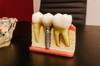
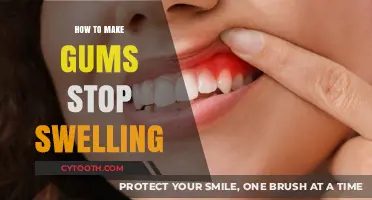
Effective Remedies to Reduce Swollen Gums and Promote Oral Health
You may want to see also
Frequently asked questions
Gums can darken due to factors like smoking, poor oral hygiene, genetics, or certain medications. In many cases, darkening can be reversed through proper oral care, professional cleanings, and lifestyle changes like quitting smoking.
Natural remedies like oil pulling with coconut oil, using turmeric paste, or rinsing with diluted hydrogen peroxide can help improve gum health and appearance. However, consistency and gentle use are key to avoid irritation.
Brushing gums gently with a soft-bristled toothbrush can improve circulation and remove surface stains, but aggressive brushing can damage gum tissue. Pair it with flossing and regular dental check-ups for best results.
Yes, professional treatments like gum bleaching, laser therapy, or deep cleanings can effectively whiten gums. These procedures are safe when performed by a qualified dentist, but consult your dentist to determine the best option for your needs.