Logan Hayes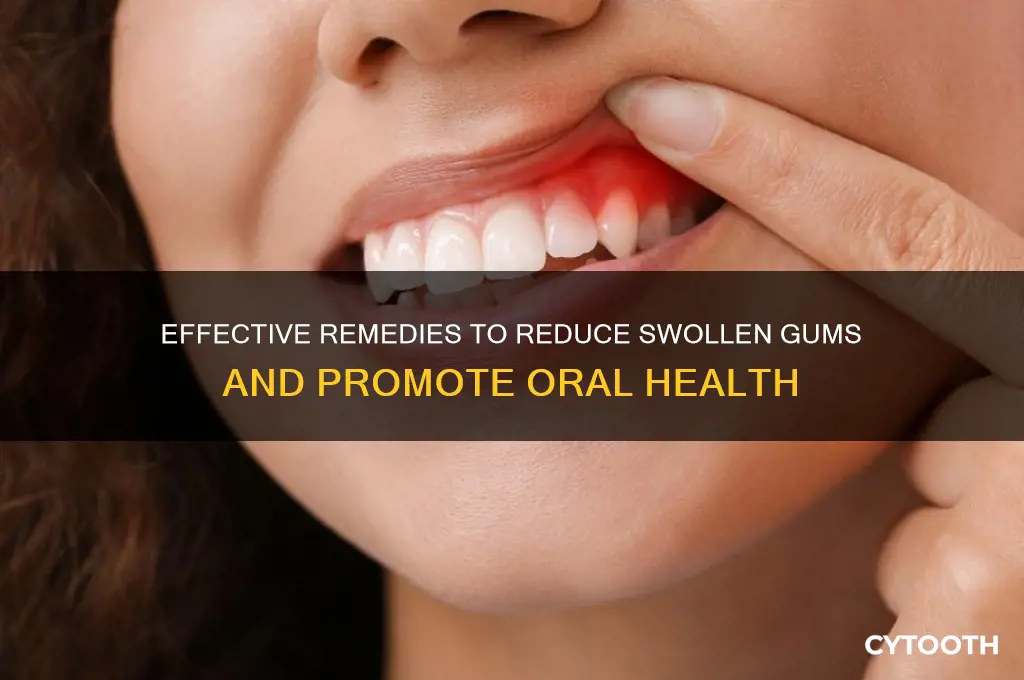
Swollen gums can be a painful and uncomfortable condition, often caused by factors such as poor oral hygiene, gum disease, or irritation from food particles. To alleviate swelling, it's essential to maintain a consistent oral care routine, including brushing twice daily with a soft-bristled toothbrush, flossing regularly, and using an antiseptic mouthwash. Additionally, rinsing with warm salt water can help reduce inflammation, while avoiding irritants like tobacco and sugary foods can prevent further aggravation. If swelling persists, consulting a dentist is crucial, as they can diagnose underlying issues such as gingivitis or infection and recommend appropriate treatments, such as professional cleanings or medications.
What You'll Learn

Proper Brushing Techniques
Gum swelling often signals irritation from plaque buildup or improper brushing. The solution isn’t brushing harder, but smarter. Start by selecting a soft-bristled toothbrush, as medium or hard bristles can aggravate gums, especially in adults over 30 who may have receding gum lines. Pair this with a pea-sized amount of fluoride toothpaste—excess creates unnecessary foam that hinders technique. Brush at a 45-degree angle to the gum line, where plaque accumulates most, and use short, gentle strokes rather than sawing motions. This method cleans effectively without damaging tissue.
Children under 12 require a slightly different approach. Their smaller mouths and developing gums benefit from a child-sized toothbrush with an even softer bristle. Supervise brushing until age 7 to ensure proper technique, as aggressive scrubbing can harm young gums. For all ages, avoid brushing immediately after consuming acidic foods or drinks (like citrus or soda), as softened enamel is more susceptible to abrasion. Wait at least 30 minutes before brushing to minimize risk.
Electric toothbrushes offer a compelling alternative, particularly for those with limited dexterity or a history of gum issues. Models with pressure sensors prevent over-brushing, a common cause of gum inflammation. However, even with these tools, technique matters: let the brush do the work with minimal force. Replace toothbrush heads every 3 months, or sooner if bristles fray, to maintain effectiveness. Manual or electric, consistency is key—brush twice daily for 2 minutes each session, dividing the mouth into quadrants for thorough coverage.
A frequently overlooked aspect is tongue cleaning. The tongue harbors bacteria that contribute to gum irritation, so gently brush its surface or use a scraper daily. Flossing complements brushing by removing plaque between teeth, where brushes can’t reach. For swollen gums, start flossing gently to avoid further irritation, gradually increasing frequency as gums heal. Rinsing with a mild saltwater solution (1/2 teaspoon salt in 8 ounces warm water) soothes inflammation and aids recovery.
Finally, evaluate your brushing pressure. If your gums bleed regularly or feel tender, you’re likely applying too much force. Think of massaging rather than scrubbing—gums should feel stimulated, not assaulted. Pair proper technique with regular dental checkups every 6 months for professional cleaning and early issue detection. Swollen gums often respond within 1–2 weeks of improved care, but persistent symptoms warrant a dentist visit to rule out underlying conditions like gingivitis or infection.
Discover the Best Gum for Blowing the Biggest Bubble Ever
You may want to see also
Flossing Daily for Gum Health
Gum swelling often stems from plaque buildup along the gum line, a problem flossing directly addresses. While brushing removes surface debris, it misses the tight spaces between teeth where bacteria thrive. Daily flossing disrupts this plaque colony, preventing it from hardening into tartar, a major contributor to gum inflammation. Think of it as weeding your garden – regular removal stops the problem from taking root.
Gum disease, the primary cause of swelling, progresses silently. Early stages (gingivitis) manifest as redness, bleeding, and mild swelling. Flossing daily acts as an early intervention, dislodging irritants before they trigger a full-blown inflammatory response. It's like catching a leak before it floods your basement – a small effort prevents a bigger mess.
Flossing isn't just about the act itself, but the technique. Wrap the floss around your middle fingers, leaving a 1-2 inch section taut between your hands. Gently guide it between teeth in a back-and-forth motion, forming a "C" shape around each tooth. Slide it up and down the side of each tooth, reaching slightly below the gum line. Avoid snapping the floss, which can damage gums. Aim for once daily, ideally before bed, to remove accumulated debris.
For those with tight spaces or dexterity issues, consider floss picks or water flossers. Water flossers use a targeted stream of water to dislodge plaque and debris, offering a gentler alternative. While not as precise as traditional floss, they're a valuable tool for maintaining gum health when used consistently.
Daily flossing isn't a magic bullet, but it's a cornerstone of gum health. By physically removing plaque and stimulating gum tissue, it prevents the inflammation that leads to swelling. Consistency is key – make it a non-negotiable part of your oral care routine, just like brushing. Your gums will thank you with a healthier, happier smile.
Crafting Bubble Gum Flavor: Ingredients, Techniques, and Secrets Revealed
You may want to see also
Antiseptic Mouthwash Benefits
Swollen gums often signal bacterial overgrowth, a condition antiseptic mouthwash directly targets. These rinses contain active ingredients like chlorhexidine, hydrogen peroxide, or essential oils that reduce plaque and kill bacteria, addressing the root cause of inflammation. Unlike cosmetic mouthwashes, antiseptic formulas are clinically proven to penetrate biofilms—the protective layers bacteria form—disrupting their ability to thrive and cause gum irritation.
To maximize benefits, incorporate antiseptic mouthwash into your routine correctly. After brushing, rinse with 20 milliliters (about 4 teaspoons) for 30 seconds, then spit it out. Avoid eating or drinking for 30 minutes afterward to let the active ingredients work. For chlorhexidine-based rinses, use twice daily for no more than 2 weeks to prevent staining teeth or altering taste perception. Children under 6 should avoid these rinses due to choking risks and potential side effects.
While antiseptic mouthwash is effective, it’s not a standalone solution. Pair it with proper brushing, flossing, and regular dental checkups for comprehensive care. Over-reliance on mouthwash can mask symptoms of underlying issues like gum disease, so monitor swelling persistence. If symptoms worsen or last over a week, consult a dentist—antiseptic rinses manage symptoms but don’t replace professional treatment.
Comparatively, antiseptic mouthwashes offer faster relief than natural remedies like saltwater rinses, which lack bacteria-killing potency. However, they’re gentler than alcohol-based rinses, which can dry tissues and exacerbate irritation. For sensitive gums, choose alcohol-free formulas with cetylpyridinium chloride or essential oils, which balance efficacy with comfort. Always read labels to ensure the product is ADA-approved for gum health.
In practice, antiseptic mouthwash serves as a proactive tool for gum care. For post-dental procedure swelling, dentists often recommend chlorhexidine rinses to prevent infection. For daily maintenance, dilute hydrogen peroxide (1 part peroxide to 2 parts water) can be a cost-effective alternative, though it may cause temporary foaminess. Consistency is key—regular use prevents bacterial buildup, reducing the likelihood of swelling before it starts.
Does Zyn Cause Gum Recession? Uncovering the Truth and Risks
You may want to see also
Diet to Reduce Inflammation
Gum swelling often signals underlying inflammation, and your diet plays a pivotal role in either fueling or fighting this response. Certain foods exacerbate inflammation, while others actively combat it. To reduce gum swelling, focus on incorporating anti-inflammatory foods into your daily meals. Start by increasing your intake of omega-3 fatty acids, found in fatty fish like salmon, mackerel, and sardines. Aim for at least two servings per week to help modulate the body’s inflammatory pathways. Additionally, leafy greens such as spinach and kale are rich in antioxidants and vitamins that support gum health. Pair these with colorful vegetables like bell peppers and carrots, which provide vitamin C and beta-carotene, both essential for tissue repair and immune function.
While adding anti-inflammatory foods is crucial, eliminating pro-inflammatory items is equally important. Refined sugars and carbohydrates, commonly found in processed snacks and sugary beverages, trigger inflammation and harm oral health by feeding harmful bacteria in the mouth. Replace these with whole grains like quinoa, brown rice, and whole wheat bread, which have a lower glycemic index and provide sustained energy without spiking inflammation. Similarly, limit your intake of trans fats and saturated fats, often present in fried foods and baked goods. Opt for healthier fats like avocados, nuts, and olive oil, which have been shown to reduce inflammatory markers in the body.
Hydration is another often-overlooked aspect of an anti-inflammatory diet. Drinking plenty of water helps flush out toxins and keeps the mouth moist, reducing the risk of bacterial overgrowth that can lead to gum swelling. Aim for at least 8 glasses of water daily, and consider incorporating herbal teas like green tea or chamomile, which have anti-inflammatory and soothing properties. Avoid excessive alcohol and caffeine, as they can dehydrate the body and worsen inflammation.
Finally, consider incorporating specific spices and herbs known for their anti-inflammatory effects. Turmeric, for instance, contains curcumin, a compound with powerful anti-inflammatory and antioxidant properties. Add a teaspoon of turmeric to your meals or try a supplement with 500–1,000 mg daily, paired with black pepper to enhance absorption. Ginger, another potent anti-inflammatory, can be grated into dishes or brewed into tea. Probiotic-rich foods like yogurt, kefir, and sauerkraut also support a healthy gut microbiome, which is linked to reduced systemic inflammation. By strategically adjusting your diet, you can create an internal environment that promotes healing and alleviates gum swelling.
The Science Behind Mint Gum's Chilling Effect on Water
You may want to see also
When to See a Dentist
Gum swelling often resolves with diligent home care, but certain signs demand professional intervention. Persistent swelling beyond two weeks, especially when accompanied by bleeding, pus, or loose teeth, indicates a deeper issue like periodontal disease. Similarly, if swelling is severe, causing difficulty eating or speaking, or if it’s accompanied by fever or facial swelling, seek immediate dental care. These symptoms may signal infection or abscess, which require urgent treatment to prevent systemic complications.
While over-the-counter pain relievers like ibuprofen (200–400 mg every 4–6 hours) can manage discomfort, they don’t address the root cause. If swelling recurs despite consistent oral hygiene—brushing twice daily with a soft-bristled brush, flossing, and using antimicrobial mouthwash—it’s time to consult a dentist. Recurrent issues often point to underlying conditions like gum disease, ill-fitting dental work, or systemic health problems such as diabetes.
Children and older adults require special attention. In children, gum swelling could stem from teething, but persistent or painful swelling warrants a dental visit to rule out infection or orthodontic issues. For older adults, especially those with dentures, swelling might indicate poor denture fit or oral thrush. Dentists can adjust dentures, prescribe antifungal medication, or address other age-related oral health concerns.
Ignoring gum swelling can lead to irreversible damage, including tooth loss and bone deterioration. A dentist can perform a thorough examination, including X-rays, to diagnose the cause and recommend targeted treatment—whether it’s a deep cleaning, antibiotic therapy, or referral to a specialist. Early intervention not only alleviates discomfort but also preserves long-term oral health, making timely dental care a critical step in managing gum swelling.
Is Big Red Gum Still Around? Exploring Its Current Availability
You may want to see also
Frequently asked questions
Rinse with warm salt water, apply a cold compress, use a soft-bristled toothbrush, and avoid irritants like tobacco or spicy foods.
Yes, inadequate brushing, flossing, and dental care can lead to plaque buildup, causing gum inflammation and swelling.
Consult a dentist if swelling persists for more than a week, is accompanied by pain, bleeding, or bad breath, or if you suspect an infection.
Yes, eating a balanced diet rich in vitamins C and D, calcium, and antioxidants can support gum health and reduce inflammation. Avoid sugary and acidic foods.