Olivia Bennett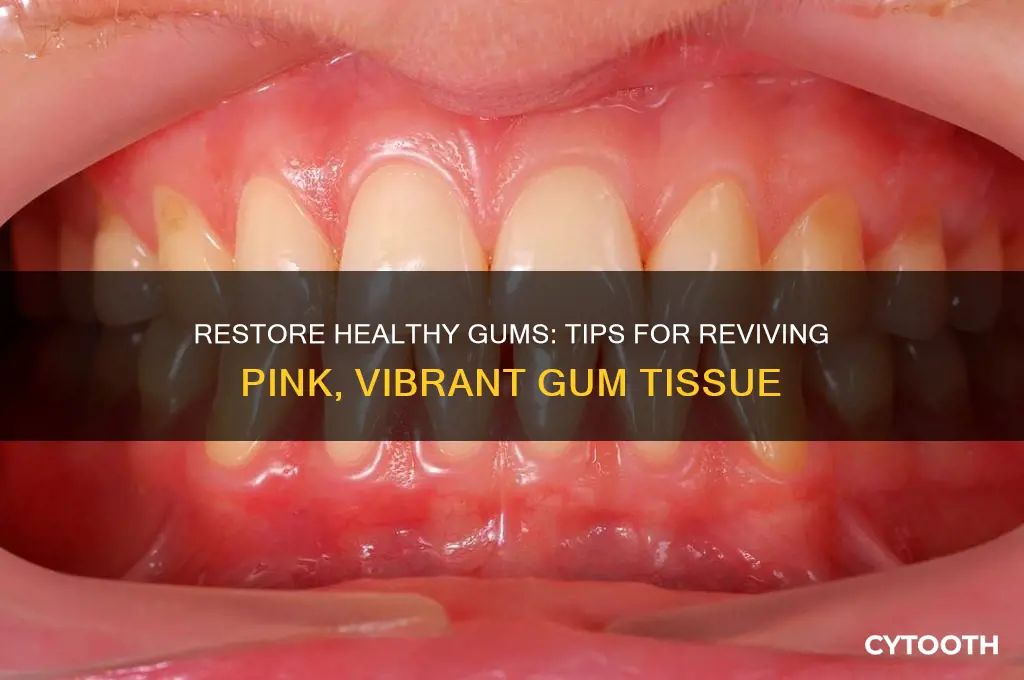
If you're looking to restore your gums to a healthy pink color, it's essential to address the underlying causes of gum discoloration, which can range from poor oral hygiene to lifestyle factors like smoking or excessive caffeine consumption. Achieving pink gums involves adopting a consistent oral care routine, including twice-daily brushing with a soft-bristled toothbrush, daily flossing, and regular use of an antimicrobial mouthwash to reduce plaque and inflammation. Additionally, incorporating a balanced diet rich in vitamins C and K, which promote gum health, and staying hydrated can significantly improve gum color. Avoiding tobacco and limiting staining beverages like coffee or red wine, along with regular dental check-ups for professional cleanings, are also crucial steps in regaining and maintaining vibrant, pink gums.
| Characteristics | Values |
|---|---|
| Maintain Good Oral Hygiene | Brush twice daily with a soft-bristled toothbrush, floss daily, and use an antimicrobial mouthwash. |
| Quit Smoking | Smoking causes gum discoloration and impairs blood flow, so quitting is essential for pink, healthy gums. |
| Healthy Diet | Consume foods rich in vitamins C and D, antioxidants, and omega-3 fatty acids (e.g., fruits, vegetables, nuts, and fish). |
| Stay Hydrated | Drink plenty of water to maintain saliva production, which helps cleanse the mouth and keep gums healthy. |
| Avoid Irritants | Limit consumption of coffee, tea, red wine, and acidic foods that can stain gums or cause irritation. |
| Regular Dental Check-ups | Visit the dentist every 6 months for cleanings and to address any gum issues early. |
| Manage Stress | Stress can negatively impact oral health, so practice relaxation techniques like meditation or yoga. |
| Use Gum-Friendly Products | Choose non-alcoholic mouthwashes and fluoride toothpastes to avoid drying out gums. |
| Oil Pulling | Swish coconut or sesame oil in the mouth for 10–15 minutes daily to reduce bacteria and promote gum health. |
| Treat Underlying Conditions | Address issues like gum disease, anemia, or vitamin deficiencies with professional medical advice. |
| Avoid Over-Brushing | Brushing too hard can damage gums; use gentle, circular motions instead. |
| Consider Gum Whitening Treatments | Professional treatments like laser therapy or gum bleaching may help restore pink color (consult a dentist). |
What You'll Learn
- Improve Oral Hygiene: Brush twice daily, floss regularly, and use antimicrobial mouthwash to reduce gum inflammation
- Nutrition for Gum Health: Eat vitamin C-rich foods, leafy greens, and dairy to strengthen gums naturally
- Quit Harmful Habits: Stop smoking and limit alcohol to prevent gum discoloration and damage
- Hydration and Gums: Drink plenty of water to maintain saliva production and keep gums healthy
- Professional Treatments: Consider dental cleanings, scaling, or gum whitening procedures for faster results

Improve Oral Hygiene: Brush twice daily, floss regularly, and use antimicrobial mouthwash to reduce gum inflammation
Healthy gums are a vibrant pink, a sign of robust oral health. Unhealthy gums, on the other hand, can appear red, swollen, or even recede, exposing sensitive tooth roots. This discoloration and inflammation are often caused by plaque buildup, a sticky film of bacteria that constantly forms on teeth.
Brushing twice daily is your first line of defense. Use a soft-bristled toothbrush at a 45-degree angle to your gums, gently massaging in circular motions. Don't scrub aggressively, as this can irritate gums further. Aim for at least two minutes each session, ensuring you cover all surfaces of your teeth.
Flossing is equally crucial, reaching areas your toothbrush can't. Slide the floss gently between teeth, forming a "C" shape around each tooth and moving it up and down against the side of the tooth. Be careful not to snap the floss into your gums, as this can cause damage. Aim to floss at least once daily, preferably before bedtime.
For an extra boost, incorporate an antimicrobial mouthwash into your routine. Look for mouthwashes containing ingredients like chlorhexidine or cetylpyridinium chloride, which help reduce plaque and gingivitis. Use according to the manufacturer's instructions, typically rinsing for 30 seconds after brushing and flossing. Remember, mouthwash is a supplement, not a replacement for brushing and flossing.
Consistency is key. Making these oral hygiene practices a daily habit will significantly reduce gum inflammation and promote the return of healthy pink gums. Remember, if gum problems persist despite diligent care, consult your dentist. They can diagnose any underlying issues and provide personalized treatment recommendations.
Achieve Healthy Pink Gums: Simple Tips for a Brighter Smile
You may want to see also
Nutrition for Gum Health: Eat vitamin C-rich foods, leafy greens, and dairy to strengthen gums naturally
Gum health is a mirror reflecting your overall nutritional habits. A diet lacking in essential nutrients can lead to gum inflammation, bleeding, and recession, often resulting in a pale, unhealthy appearance. Conversely, incorporating specific foods can naturally enhance gum vitality, restoring that coveted pink hue. Vitamin C, for instance, is a powerhouse nutrient critical for collagen synthesis—the structural protein that keeps gums firm and resilient. A deficiency can lead to scurvy, a condition marked by swollen, bleeding gums. Adults should aim for 75-90 mg of vitamin C daily, easily achievable through foods like oranges (70 mg per medium fruit), strawberries (89 mg per cup), and bell peppers (95 mg per cup). Pairing these with iron-rich foods enhances absorption, further bolstering gum strength.
Leafy greens, often overlooked in discussions of oral health, are another cornerstone of gum nutrition. Spinach, kale, and Swiss chard are rich in vitamins A and C, as well as calcium and folic acid. Folate, in particular, plays a pivotal role in tissue growth and repair, making it essential for maintaining healthy gums. A study published in the *Journal of Periodontology* found that individuals with higher folate intake had a 30% lower risk of gum disease. Incorporating a cup of raw spinach (7 calories, 56% DV of vitamin A) or a side of sautéed kale into daily meals can yield significant benefits. For those averse to greens, blending them into smoothies or soups masks their flavor while retaining nutritional value.
Dairy products, often associated with bone health, are equally vital for gums. Calcium and phosphorus in milk, cheese, and yogurt fortify the alveolar bone—the structure that supports teeth and gums. Additionally, dairy contains casein, a protein that helps neutralize acids produced by oral bacteria, reducing the risk of gum erosion. A 1.5-ounce serving of cheddar cheese (200 mg of calcium) or a cup of plain yogurt (45% DV of phosphorus) can be a daily staple. For lactose-intolerant individuals, fortified plant-based alternatives like almond or soy milk offer comparable benefits. However, it’s crucial to choose unsweetened options to avoid sugar-induced gum inflammation.
Practical integration of these foods into daily routines is key. Start mornings with a vitamin C-rich smoothie combining strawberries, spinach, and a splash of orange juice. Snack on raw bell pepper slices with a cube of cheese for a mid-day boost. End evenings with a yogurt parfait layered with kale chips or a sprinkle of fortified granola. Consistency is paramount; sporadic consumption yields minimal results. For those with dietary restrictions or aversions, supplements like vitamin C tablets (500 mg, once daily) or calcium chews can bridge nutritional gaps, though whole foods remain the gold standard. Pairing these dietary changes with regular brushing, flossing, and dental check-ups maximizes gum health, ensuring a vibrant, pink smile.
Does Zyn Cause Gum Recession? Uncovering the Truth and Risks
You may want to see also
Quit Harmful Habits: Stop smoking and limit alcohol to prevent gum discoloration and damage
Smoking and excessive alcohol consumption are two of the most significant culprits behind gum discoloration and damage. Nicotine in cigarettes constricts blood vessels, reducing blood flow to the gums, which can lead to a pale or dark appearance. Tar and other chemicals in tobacco stain gum tissue directly, often resulting in a yellow or gray hue. Alcohol, particularly in high quantities, dehydrates the mouth, reducing saliva production—a natural protector against bacteria and plaque buildup. Together, these habits create an environment ripe for gum disease, recession, and irreversible damage.
To reverse or prevent this damage, quitting smoking is non-negotiable. Nicotine replacement therapies, such as patches or gum, can ease withdrawal symptoms, but consult a healthcare provider for a tailored plan. For alcohol, limit intake to moderate levels: up to one drink per day for women and two for men, as recommended by health guidelines. Hydration is key—drink water after each alcoholic beverage to counteract dehydration and rinse away acids that harm gums.
Consider the comparative benefits of quitting versus cutting back. While reducing smoking or alcohol intake is a step in the right direction, complete cessation yields the most dramatic results. Studies show that within weeks of quitting smoking, gum health improves, and discoloration begins to fade. Similarly, limiting alcohol allows saliva production to normalize, aiding in gum tissue repair. The body’s ability to heal is remarkable, but it requires consistent effort and time.
Practical tips can make this transition smoother. Replace smoking with healthier habits like chewing sugar-free gum or snacking on crunchy vegetables to stimulate saliva flow. For alcohol, opt for non-alcoholic beverages or herbal teas in social settings. Track progress with a journal or app to stay motivated, and celebrate milestones like one week, one month, or six months smoke-free or alcohol-reduced. Remember, the goal isn’t just pink gums—it’s a healthier, more vibrant life.
Hydration and Gums: Drink plenty of water to maintain saliva production and keep gums healthy
Saliva is your gums’ first line of defense. It washes away food particles, neutralizes acids, and contains enzymes that fight bacteria. Dehydration reduces saliva production, leaving gums vulnerable to plaque buildup, inflammation, and recession. Think of water as your oral hygiene’s unsung hero—without it, even the most diligent brushing routine falls short.
Aim for 2–3 liters of water daily, adjusting for activity level, climate, and health conditions. Carry a reusable bottle to sip throughout the day, not just when thirsty. Thirst is a late indicator of dehydration, and by then, your saliva production has already slowed. Herbal teas and water-rich foods like cucumbers and watermelon can supplement, but plain water remains the most effective hydrator. Avoid excessive caffeine and alcohol, which act as diuretics, further depleting fluids.
Children and older adults are particularly susceptible to dehydration due to reduced thirst sensitivity. For kids, make hydration a game by using colorful bottles or adding fruit slices to water. Seniors should set reminders or pair water intake with daily routines, like taking medication. Athletes or those in hot climates may need electrolyte-enhanced water to balance mineral loss, but avoid sugary sports drinks that harm teeth.
Dry mouth isn’t just uncomfortable—it’s a red flag. Persistent dryness despite adequate water intake could signal medication side effects, diabetes, or Sjögren’s syndrome. If gums remain pale or inflamed despite hydration, consult a dentist or doctor. While water supports gum health, it’s not a cure-all for underlying issues like gum disease or nutritional deficiencies.
Hydration is the simplest, most overlooked step in restoring gum health. It costs nothing, requires no special tools, and delivers immediate benefits. Pink gums reflect vitality, and water is their lifeblood. Make it a non-negotiable habit, and your gums will thank you with resilience, color, and strength.
Professional Treatments: Consider dental cleanings, scaling, or gum whitening procedures for faster results
Professional treatments offer a direct and effective path to restoring gum health and achieving that desired pink hue. Dental cleanings, for instance, are not just about maintaining oral hygiene; they are a cornerstone of gum care. During a professional cleaning, a dental hygienist removes plaque and tartar buildup, which are primary culprits behind gum discoloration and inflammation. This process, known as scaling, goes beyond what regular brushing and flossing can achieve. It targets the areas below the gum line, where bacteria thrive and cause gum disease. Regular cleanings every six months are recommended, but those with gum issues may benefit from more frequent sessions. The immediate effect is a reduction in gum redness and swelling, paving the way for a healthier, pinker appearance.
Scaling and root planing take this process a step further, especially for those with advanced gum disease. This deep-cleaning procedure involves scraping away tartar from the tooth surfaces and smoothing the roots to remove bacterial toxins. It’s a more intensive treatment, often performed under local anesthesia, and may require multiple visits. While it might sound daunting, the results are transformative. Patients often notice a significant improvement in gum color and texture within weeks. Post-treatment care is crucial; your dentist may prescribe antimicrobial mouthwash or antibiotics to ensure the gums heal properly. This treatment is particularly effective for adults over 30, who are more prone to periodontal issues.
For those seeking a more cosmetic approach, gum whitening procedures are gaining popularity. These treatments use laser technology or specialized gels to lighten the gum tissue, addressing pigmentation issues directly. Laser gum whitening, for example, involves a precise laser that targets melanin in the gums, breaking it down to reveal a lighter shade. The procedure is quick, typically lasting 30–60 minutes, and requires little to no downtime. However, it’s essential to choose a qualified professional, as improper technique can lead to tissue damage. Results can last for years, but maintenance sessions may be needed. This option is ideal for individuals with naturally darker gums or those who’ve experienced discoloration due to smoking or certain medications.
While professional treatments yield faster results, they should be complemented by good oral hygiene practices at home. Think of these procedures as a reset button for your gums, but maintaining the results requires consistent care. Brush twice daily with a soft-bristled toothbrush, floss regularly, and consider using a gum-friendly mouthwash. Avoid harsh chemicals or aggressive brushing, as these can irritate the gums further. Additionally, a balanced diet rich in vitamins C and D supports gum health, aiding in the recovery process. Combining professional interventions with these habits ensures that your gums not only return to a healthy pink but stay that way.
Frequently asked questions
Gums may lose their pink color due to poor oral hygiene, gum disease (gingivitis or periodontitis), smoking, certain medications, or nutritional deficiencies.
Improve oral hygiene by brushing twice daily, flossing regularly, and using an antimicrobial mouthwash. Eating a balanced diet rich in vitamins C and K, and avoiding tobacco can also help restore gum health.
Oil pulling, especially with coconut oil, may reduce plaque and inflammation, potentially improving gum color. However, it should complement, not replace, regular oral care practices.
Yes, a diet rich in fruits, vegetables, lean proteins, and whole grains can provide essential nutrients like vitamin C, vitamin K, and antioxidants that support gum health and restore their natural color.
If your gums remain pale, dark, or inflamed despite good oral care, or if you experience bleeding, pain, or swelling, consult a dentist. These could be signs of gum disease or other underlying issues.