Ethan Brooks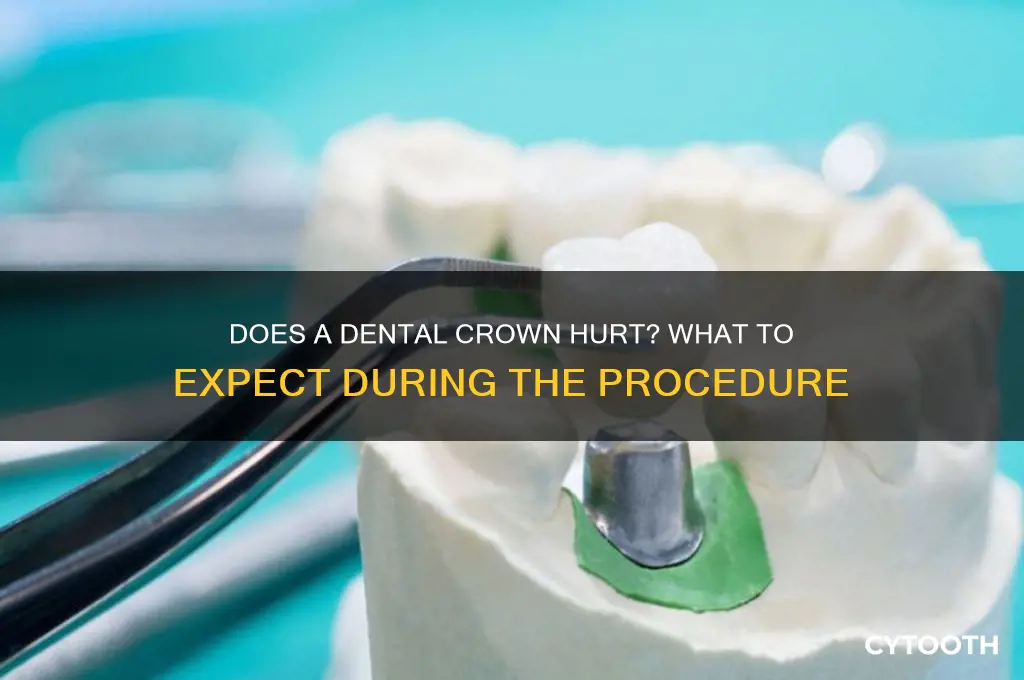
Getting a dental crown is a common procedure that many people undergo to restore a damaged or weakened tooth. While the idea of having a crown placed might sound intimidating, the process is generally not painful. Local anesthesia is used to numb the area, ensuring that patients remain comfortable throughout the procedure. Some individuals might experience mild sensitivity or discomfort afterward, but this is usually temporary and can be managed with over-the-counter pain relievers. Overall, the benefits of a crown—such as improved tooth function and aesthetics—far outweigh any minor discomfort associated with the process.
| Characteristics | Values |
|---|---|
| Pain During Procedure | Minimal to none; local anesthesia is used to numb the area, so discomfort is rare. |
| Post-Procedure Pain | Mild to moderate soreness or sensitivity for a few days; manageable with over-the-counter pain relievers. |
| Duration of Discomfort | Typically lasts 1-3 days after the procedure. |
| Sensitivity to Hot/Cold | Temporary sensitivity to temperature changes may occur but usually resolves within a few weeks. |
| Bite Discomfort | Initial adjustment period may cause slight discomfort while biting; improves as the mouth adapts to the crown. |
| Gum Irritation | Possible minor irritation around the crowned tooth, which usually subsides within a week. |
| Anesthesia Side Effects | Temporary numbness or tingling in the lips or tongue, lasting a few hours after the procedure. |
| Long-Term Pain | Rare; persistent pain may indicate an issue with the crown fit or underlying tooth, requiring dental evaluation. |
| Pain Management | Over-the-counter medications like ibuprofen or acetaminophen are typically sufficient for post-procedure discomfort. |
| Procedure Time | Usually 1-2 hours per tooth, depending on the case and dentist's approach. |
What You'll Learn
- Pre-Procedure Numbing: Local anesthesia ensures minimal discomfort during the crown placement process
- Tooth Preparation Pain: Shaping the tooth might cause slight pressure or sensitivity temporarily
- Post-Procedure Soreness: Mild gum or tooth soreness is common for a few days afterward
- Temporary Crown Discomfort: Temporary crowns may cause sensitivity or irritation until the permanent one is placed
- Pain Management Tips: Over-the-counter pain relievers and proper oral care can ease any post-procedure discomfort

Pre-Procedure Numbing: Local anesthesia ensures minimal discomfort during the crown placement process
Local anesthesia is the cornerstone of a pain-free crown placement experience. Before the procedure begins, your dentist will administer a numbing agent, typically lidocaine or articaine, to block nerve signals in the targeted area. This ensures that you remain comfortable throughout the process, from tooth preparation to crown fitting. The dosage varies based on factors like the tooth’s location, your medical history, and the extent of the procedure, but a common range is 1.8 to 3.6 mL of 2% lidocaine. This precise application is key to minimizing discomfort while avoiding over-numbing, which can lead to post-procedure complications.
The numbing process itself is straightforward but requires patience. After the anesthetic is injected, it takes about 5–10 minutes to take full effect. You may feel a slight pinch during the injection, but this is fleeting and far less intense than the sensation of drilling or shaping a tooth without anesthesia. Dentists often use a topical numbing gel beforehand to reduce even this minor discomfort. Once the area is fully numb, you’ll lose sensation in the tooth, gums, and surrounding tissues, allowing the dentist to work efficiently without causing pain.
For anxious patients, understanding the science behind local anesthesia can alleviate fears. The numbing agent works by blocking sodium channels in nerve cells, preventing pain signals from reaching the brain. This targeted approach ensures that only the necessary area is affected, leaving the rest of your mouth and body unaffected. If you’re particularly nervous, discuss options like nitrous oxide (laughing gas) or oral sedatives with your dentist to complement the local anesthesia and enhance relaxation.
Practical tips can further optimize your experience. Avoid eating or drinking hot beverages before the procedure, as the numbing effect may cause accidental burns. Wear comfortable clothing and bring headphones to listen to calming music during the process. After the procedure, avoid chewing on the numbed side until sensation returns, typically within 2–3 hours, to prevent injury. By following these steps and trusting your dentist’s expertise, pre-procedure numbing transforms crown placement from a potentially daunting experience into a manageable, virtually painless one.
Pregnancy and Dental Care: Is It Safe to Fill a Tooth?
You may want to see also
Tooth Preparation Pain: Shaping the tooth might cause slight pressure or sensitivity temporarily
The process of shaping a tooth for a crown is a delicate dance between precision and patient comfort. During this stage, the dentist meticulously removes a thin layer of enamel, typically around 1-2 millimeters, to create space for the crown. This procedure, while necessary, can sometimes lead to a sensation of pressure or mild discomfort. It's essential to understand that this is a normal part of the process, and dentists employ various techniques to minimize any potential pain.
Managing Sensitivity: A Temporary Concern
Tooth sensitivity during preparation is often transient, lasting only as long as the procedure itself. This sensitivity arises from the exposure of dentin, the layer beneath the enamel, which contains tiny tubes connected to nerve endings. When these tubes are exposed, they can react to temperature changes or pressure, causing a brief sensation of discomfort. However, this is not a cause for alarm, as it is a natural response and can be effectively managed. Dentists may use desensitizing agents or apply a protective layer to reduce this sensitivity, ensuring a more comfortable experience.
The Art of Anesthesia: Ensuring Comfort
Local anesthesia plays a pivotal role in making tooth preparation a pain-free experience. Dentists administer a numbing agent, typically lidocaine or articaine, to block nerve signals in the area, ensuring you remain comfortable throughout the procedure. The dosage and type of anesthesia are tailored to each patient, considering factors like age, medical history, and the specific tooth being treated. For instance, a lower dosage might be used for children or individuals with certain medical conditions, while a higher concentration could be applied for more complex cases. This personalized approach ensures that the shaping process is not only effective but also as painless as possible.
Post-Preparation Care: A Few Simple Steps
After the tooth is shaped, some patients might experience mild soreness or sensitivity, which is normal and usually subsides within a few days. Here are some practical tips to manage this temporary discomfort:
- Over-the-counter pain relievers: Ibuprofen or acetaminophen can help reduce inflammation and alleviate pain. Follow the recommended dosage instructions on the packaging.
- Avoid extreme temperatures: Steer clear of very hot or cold foods and beverages for a day or two to minimize sensitivity.
- Soft diet: Opt for softer foods that require less chewing, giving your tooth time to recover.
- Maintain oral hygiene: Continue brushing and flossing gently to keep the area clean, but be cautious around the prepared tooth to avoid irritation.
In summary, while tooth preparation for a crown may cause temporary pressure or sensitivity, it is a manageable and necessary step in the process. With the right techniques and aftercare, any discomfort can be minimized, ensuring a smooth journey towards a restored smile. This phase is a testament to the balance between dental precision and patient comfort, showcasing the art and science of modern dentistry.
Single Tooth Veneer: Is It Possible and What You Need to Know
You may want to see also
Post-Procedure Soreness: Mild gum or tooth soreness is common for a few days afterward
Mild soreness in the gums or tooth after getting a crown is a normal part of the healing process. This discomfort typically arises from the manipulation of the tooth and surrounding tissues during the procedure, as well as the temporary cement or permanent bonding used to secure the crown. The sensation is often described as a dull ache or sensitivity to pressure, which can be more noticeable when biting or chewing. Understanding that this is a temporary condition can help alleviate concerns and encourage patience during the recovery period.
To manage post-procedure soreness, over-the-counter pain relievers such as ibuprofen (200–400 mg every 4–6 hours) or acetaminophen (500–1000 mg every 4–6 hours) can be effective. It’s crucial to follow the recommended dosage and consult a pharmacist or dentist if you have underlying health conditions or are taking other medications. Applying a cold compress to the outside of the cheek for 15–20 minutes at a time can also reduce swelling and numb the area, providing additional relief. Avoid hot foods and beverages for the first 24 hours, as they can exacerbate sensitivity.
Comparing this soreness to other dental procedures, it’s generally milder than that experienced after a root canal or extraction but more pronounced than after a simple filling. The key difference lies in the extent of tissue disturbance and the presence of a foreign object (the crown) settling into place. Unlike immediate post-procedure pain, which is typically managed with prescribed medication, this soreness is best addressed with conservative, at-home measures. It’s a sign that the area is healing, not that something is wrong.
For those concerned about prolonged discomfort, it’s essential to differentiate between normal soreness and potential complications. If pain intensifies after the first 48 hours, or if swelling, fever, or discharge occurs, contact your dentist immediately. These symptoms could indicate an infection or improper crown fit, which require professional intervention. Otherwise, sticking to soft foods, avoiding the crowned tooth when chewing, and maintaining gentle oral hygiene practices will help the area heal smoothly. By day 3–5, most patients report a significant reduction in soreness, allowing them to resume normal activities without discomfort.
Missing Tooth? Here’s How Braces Can Still Work for You
You may want to see also
Temporary Crown Discomfort: Temporary crowns may cause sensitivity or irritation until the permanent one is placed
Temporary crowns, often made of acrylic or stainless steel, serve as a placeholder while your permanent crown is being crafted. Their primary purpose is functional and aesthetic, but they aren’t a perfect fit—literally. This imperfection can lead to discomfort, a common yet temporary side effect. The gap between the temporary crown and your tooth or gum line allows bacteria to infiltrate, causing sensitivity or irritation. Additionally, the cement used to secure the temporary crown is less durable than the material used for permanent crowns, making it more prone to wear and potential leakage. Understanding this is the first step in managing the discomfort effectively.
To alleviate sensitivity, avoid extreme temperatures in food and drinks. Opt for lukewarm beverages and room-temperature meals to minimize the shock to your tooth. Over-the-counter pain relievers like ibuprofen (200–400 mg every 4–6 hours) or acetaminophen (500–1000 mg every 4–6 hours) can help manage pain, but always follow the recommended dosage. If irritation persists, rinse your mouth with a warm saltwater solution (1/2 teaspoon of salt in 8 ounces of water) twice daily to reduce inflammation and kill bacteria. These simple measures can significantly reduce discomfort while you wait for your permanent crown.
Comparing temporary crowns to permanent ones highlights why discomfort is more common with the former. Permanent crowns are custom-fitted to your tooth, ensuring a snug seal that minimizes gaps and potential irritation. In contrast, temporary crowns are one-size-fits-most solutions, often requiring adjustments that may not fully address individual nuances. This mismatch can lead to gum soreness or a feeling of pressure, especially when chewing. Recognizing this difference helps set realistic expectations and encourages patience during the interim period.
Finally, communication with your dentist is key. If discomfort becomes unbearable or persists beyond a few days, contact your dentist immediately. They may need to re-cement the crown, adjust its fit, or address an underlying issue like an infection. Temporary crown discomfort is normal, but it shouldn’t be ignored. By staying proactive and informed, you can navigate this phase with minimal hassle, ensuring a smoother transition to your permanent crown.
Smoking Weed Post-Tooth Filling: Risks and Recovery Tips
You may want to see also
Pain Management Tips: Over-the-counter pain relievers and proper oral care can ease any post-procedure discomfort
Getting a dental crown is a common procedure, but it’s natural to wonder about post-procedure discomfort. While the process itself is typically painless due to local anesthesia, some soreness or sensitivity afterward is normal. The good news? Over-the-counter pain relievers and proper oral care can significantly ease any discomfort, allowing you to recover smoothly.
Step 1: Choose the Right Pain Reliever
Non-prescription medications like ibuprofen (Advil, Motrin) or acetaminophen (Tylenol) are effective for managing post-crown pain. Ibuprofen, a nonsteroidal anti-inflammatory drug (NSAID), reduces both pain and swelling, making it a top choice for dental discomfort. Adults can take 200–400 mg every 4–6 hours, not exceeding 1,200 mg in 24 hours. Acetaminophen is an alternative for those who cannot take NSAIDs, with a dosage of 650–1,000 mg every 4–6 hours, up to 3,000 mg daily. Always follow label instructions and consult a pharmacist if unsure.
Step 2: Prioritize Gentle Oral Care
Proper oral hygiene is crucial but must be adjusted to avoid irritating the treated area. Use a soft-bristled toothbrush and fluoride toothpaste, brushing gently around the crown. Avoid aggressive flossing near the site for the first few days; instead, use a water flosser or waxed floss to minimize gum irritation. Rinsing with warm salt water (1/2 teaspoon of salt in 8 ounces of water) twice daily can reduce inflammation and promote healing.
Caution: Watch for Red Flags
While mild discomfort is expected, persistent or severe pain, swelling, or sensitivity lasting more than a few days warrants a call to your dentist. These could indicate an improper fit, infection, or nerve irritation. Similarly, avoid chewing hard or sticky foods on the crowned tooth for at least 24 hours to prevent damage or dislodging the temporary crown.
By combining over-the-counter pain relievers with mindful oral care, you can effectively manage post-crown discomfort. Remember, consistency is key—stick to recommended dosages and gentle practices to ensure a swift and comfortable recovery. With these tips, you’ll be back to normal in no time.
Veneers with a Missing Tooth: What Are Your Options?
You may want to see also
Frequently asked questions
The process of getting a dental crown is typically not painful. Local anesthesia is used to numb the area, so you shouldn’t feel any discomfort during the procedure. Some mild sensitivity or soreness may occur afterward, but it’s usually manageable with over-the-counter pain relievers.
No, you shouldn’t feel pain during the preparation. The dentist will administer local anesthesia to ensure the area is completely numb before reshaping the tooth to fit the crown.
Some patients experience mild discomfort, sensitivity, or soreness in the tooth or gums after getting a crown. This usually subsides within a few days. If pain persists or worsens, contact your dentist.
Placing a temporary crown is generally painless, as the area is still numb from the anesthesia used during tooth preparation. However, some patients may notice sensitivity or slight discomfort once the numbness wears off, which is normal.