Hailey Morgan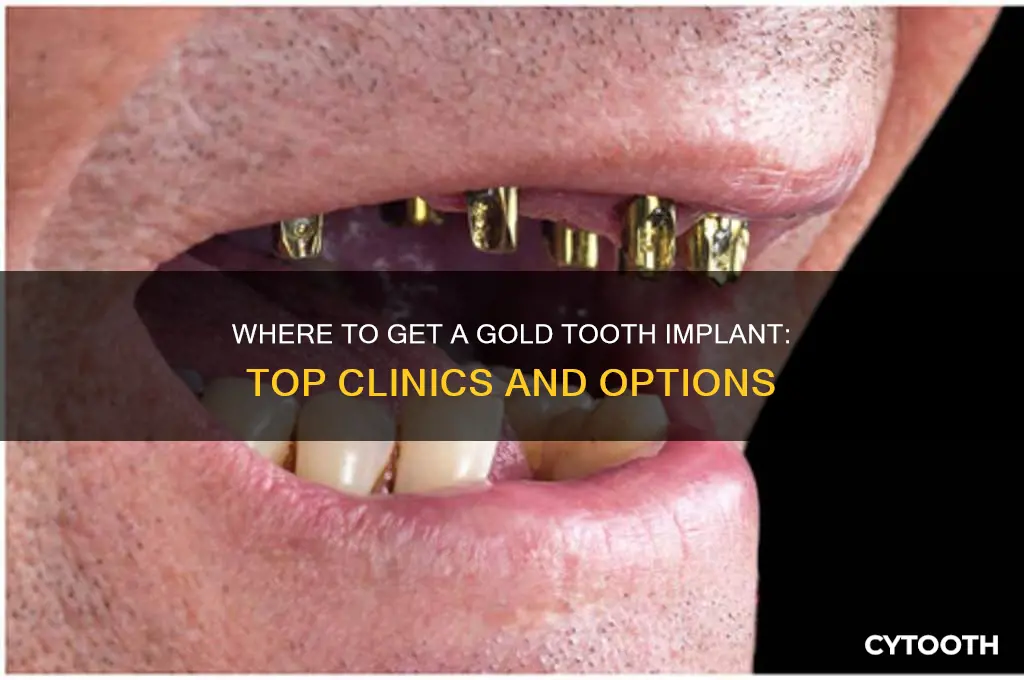
If you're considering a gold tooth implant, it's essential to know that this procedure combines both aesthetic appeal and dental functionality. Gold has been used in dentistry for centuries due to its durability, biocompatibility, and resistance to corrosion. To get a gold tooth implant, start by consulting a qualified dentist or oral surgeon who specializes in cosmetic or restorative dentistry. They will assess your oral health, discuss your preferences, and determine if you’re a suitable candidate. Gold implants are typically custom-made and can be placed as part of a crown, bridge, or even a single implant-supported restoration. Costs can vary widely depending on your location, the complexity of the procedure, and the dentist’s expertise. Common places to find this service include specialized dental clinics, cosmetic dentistry practices, or oral surgery centers. Always ensure the provider is licensed and experienced in performing such procedures to achieve the best results.
What You'll Learn

Local dental clinics offering gold tooth implants
Gold tooth implants, once a symbol of status or cultural expression, have evolved into a sought-after dental customization option. Local dental clinics are increasingly offering this service, blending functionality with personal style. To locate a clinic near you, start by searching online directories like Google Maps or Yelp, filtering for "dental clinics" and "cosmetic dentistry." Many clinics now highlight gold implants on their websites, often featuring before-and-after galleries or patient testimonials to showcase their expertise. A quick call to inquire about their experience with gold implants and the materials they use (e.g., 24K gold or alloys) can help narrow your options.
Choosing a local clinic for a gold tooth implant offers several advantages. Proximity ensures easier follow-up appointments, which are crucial for post-procedure care. Local dentists are also more likely to understand regional preferences or cultural significance tied to gold teeth, tailoring their approach accordingly. For instance, some clinics offer customizable designs, allowing you to choose between a full gold crown or a partial cap. Prices vary widely, typically ranging from $500 to $3,000 per tooth, depending on the material and complexity. Always request a detailed quote to avoid unexpected costs.
Not all dental clinics are equipped to handle gold implants, so vetting is essential. Look for clinics with certified cosmetic dentists who have specific training in restorative or aesthetic procedures. Reviews and ratings can provide insight into patient satisfaction, but don’t hesitate to ask for references or examples of their work. Some clinics partner with local jewelers to create custom gold pieces, ensuring both durability and aesthetic appeal. If you’re considering this option, inquire about the warranty on the implant and the longevity of the gold material.
For those hesitant about permanence, some clinics offer removable gold caps or veneers as a trial option. These temporary solutions allow you to experience the look and feel of a gold tooth without long-term commitment. However, they may not offer the same durability as a permanent implant. Discuss your lifestyle and oral health with your dentist to determine the best option. For example, if you grind your teeth, a full gold crown might be more suitable than a veneer, as it provides greater protection.
Finally, consider the cultural or personal significance of a gold tooth implant when selecting a clinic. Some dentists specialize in culturally specific designs, such as grillz-inspired implants or traditional patterns. Others focus on minimalist, subtle enhancements. Bring examples of the style you’re aiming for to ensure your dentist understands your vision. A collaborative approach ensures the final result aligns with your expectations, blending artistry with dental science seamlessly.
Single Tooth Veneer: Is It Possible and What You Need to Know
You may want to see also
Cost comparison of gold tooth implants globally
The cost of a gold tooth implant varies dramatically depending on your location, making it a prime example of medical tourism’s appeal. In the United States, for instance, a single gold tooth implant can range from $2,000 to $5,000, including the surgical procedure and the custom-made gold crown. This high price is driven by advanced technology, stringent regulatory standards, and the expertise of dental professionals. In contrast, countries like Mexico, Thailand, and Hungary offer the same procedure for a fraction of the cost, often between $800 and $1,500. These destinations have lower labor and operational costs while maintaining international quality standards, making them attractive options for budget-conscious patients.
Analyzing the cost disparities reveals a complex interplay of economic factors. In India, for example, a gold tooth implant can cost as little as $500, thanks to a competitive healthcare market and lower living costs. However, patients must consider additional expenses such as travel, accommodation, and potential follow-up care when opting for treatment abroad. In Europe, countries like Poland and Turkey offer mid-range pricing, typically between $1,000 and $2,000, balancing affordability with proximity for European travelers. These variations highlight the importance of researching not only the procedure’s cost but also the total financial commitment involved.
For those prioritizing quality and safety, it’s crucial to verify the credentials of dental clinics and surgeons, regardless of location. Look for certifications from recognized bodies like the American Dental Association (ADA) or the International Team for Implantology (ITI). While cost savings are enticing, compromising on expertise or materials can lead to complications, negating any financial benefits. Patients should also inquire about the type of gold used—typically 24-karat for its biocompatibility—and whether the implant includes a warranty or aftercare services.
A practical tip for cost-conscious individuals is to explore dental tourism packages, which often bundle the procedure with travel and accommodation. Websites like Dental Departures and WhatClinic provide comparative pricing and patient reviews, simplifying the decision-making process. Additionally, some U.S. and European clinics offer financing plans or discounts for upfront payments, reducing the financial burden without requiring international travel. Ultimately, the key to a successful gold tooth implant lies in balancing cost, quality, and convenience to meet individual needs.
Pregnancy and Dental Care: Is It Safe to Fill a Tooth?
You may want to see also
Best countries for affordable gold tooth implants
Gold tooth implants, a blend of functionality and luxury, are increasingly sought after for their durability and aesthetic appeal. However, the cost can be prohibitive in many Western countries, where prices often exceed $2,000 per tooth. For those seeking affordability without compromising quality, certain countries stand out as prime destinations. Here’s a focused guide to the best countries for affordable gold tooth implants, combining cost-effectiveness with reputable dental care.
Mexico: The Neighboring Haven for Dental Tourism
Just across the U.S. border, Mexico has emerged as a top destination for dental procedures, including gold tooth implants. Cities like Tijuana, Los Algodones, and Cancun are hubs for dental tourism, offering prices as low as $500–$800 per implant. Clinics here often cater to international patients, with many dentists trained in the U.S. or Europe. Proximity to the U.S. reduces travel costs, and the savings on the procedure itself can offset the trip. However, research clinics thoroughly, ensuring they adhere to international sterilization standards and use high-quality materials.
Thailand: Where Luxury Meets Affordability
Thailand’s reputation as a medical tourism hotspot extends to dentistry, with gold tooth implants costing between $600 and $1,200. Bangkok and Phuket are particularly popular, boasting state-of-the-art clinics with English-speaking staff. The country’s focus on hospitality ensures a comfortable experience, often combined with a vacation. While travel costs from the West can be higher, the overall savings and the opportunity to explore a vibrant culture make it an attractive option. Look for clinics accredited by the Joint Commission International (JCI) for added assurance.
India: High-Quality Care at a Fraction of the Cost
India’s dental tourism industry is growing rapidly, offering gold tooth implants for as little as $300–$700. Cities like Mumbai, Delhi, and Bangalore are home to world-class dental facilities equipped with advanced technology. Many dentists in India have international training, ensuring expertise comparable to Western standards. The lower cost of living allows clinics to provide premium services at budget-friendly prices. However, patients should factor in travel and accommodation expenses, which can vary depending on the region.
Hungary: Europe’s Dental Gem
For those preferring to stay within Europe, Hungary is a standout choice. Known as the "dental capital of Europe," Budapest offers gold tooth implants for $600–$1,000, significantly lower than prices in Western Europe. Hungarian dentists are highly skilled, often trained in Germany or the UK, and clinics maintain rigorous European Union standards. The city’s charm and accessibility via budget airlines make it an appealing option for those seeking quality and affordability without venturing too far from home.
Practical Tips for Your Dental Journey
When planning your trip, consider the total cost, including travel, accommodation, and potential follow-up visits. Always verify the credentials of the clinic and dentist, and read reviews from previous international patients. Some clinics offer package deals that include airport transfers and hotel stays, adding convenience. Lastly, consult with your local dentist before and after the procedure to ensure seamless care. With careful planning, getting a gold tooth implant abroad can be a smart, cost-effective choice.
Quick Fix: Removing Popcorn Kernels Stuck in Your Teeth Easily
You may want to see also
Top-rated dentists specializing in gold tooth implants
Gold tooth implants are not just a statement of style; they’re a fusion of artistry and precision dentistry. Finding a top-rated dentist for this procedure requires vetting expertise in both cosmetic and restorative techniques. Look for professionals who showcase a portfolio of custom gold restorations, as this indicates their ability to tailor the implant to your unique dental anatomy and aesthetic preferences. Avoid generalists who lack specialized training in metal prosthodontics, as improper placement can lead to discomfort or long-term complications.
A standout example is Dr. Elena Marquez in Los Angeles, whose practice, Luxe Dental Arts, is renowned for blending luxury materials with advanced dental technology. She uses 24-karat gold alloys, ensuring biocompatibility and durability. Her process includes a 3D scan for precision fitting and a digital wax-up to preview the final look. Patients report minimal post-procedure sensitivity, thanks to her use of laser-guided implant placement. For those outside California, Dr. Marquez offers virtual consultations and collaborates with local labs to ensure seamless execution.
In contrast, Dr. Raj Patel in Houston takes a more traditional approach, handcrafting gold crowns in his on-site lab. His method appeals to patients seeking a bespoke, old-world craftsmanship feel. While his turnaround time is longer (3-4 weeks vs. the industry average of 2 weeks), his attention to detail—such as engraving intricate patterns onto the gold surface—justifies the wait. Note: His services are priced 20-30% higher than competitors, reflecting the labor-intensive process.
For budget-conscious patients, Dr. Maria Gonzalez in Miami offers a middle ground. Her clinic, Golden Smile Dental, partners with international labs to source high-quality yet affordable gold alloys. She prioritizes accessibility, offering payment plans and accepting dental insurance for the preparatory work (e.g., tooth extraction or root canal). Her reviews highlight her ability to balance cost without compromising on safety or aesthetics.
When selecting a dentist, verify their credentials—look for memberships in organizations like the American Academy of Cosmetic Dentistry (AACD) or the International Academy of Oral Medicine and Toxicology (IAOMT). Ask about the gold’s purity (24-karat is ideal for longevity) and whether they use nickel-free alloys to prevent allergic reactions. Post-procedure, maintain your implant with non-abrasive toothpaste and avoid chewing hard foods directly on the gold surface to prevent wear. With the right specialist, a gold tooth implant becomes more than a trend—it’s a lasting investment in your smile.
Ignoring Cavities: The Risks of Leaving Tooth Decay Untreated
You may want to see also
Aftercare tips for maintaining a gold tooth implant
Gold tooth implants are not just a statement of style; they require diligent aftercare to ensure longevity and oral health. Unlike natural teeth, gold implants are more resistant to decay but still susceptible to plaque buildup and gum disease. Regular brushing with a soft-bristled toothbrush and non-abrasive fluoride toothpaste is essential. Flossing daily, especially around the implant, prevents food particles from accumulating and causing irritation. For those with limited dexterity, interdental brushes or water flossers can be effective alternatives.
The gums surrounding a gold implant are just as critical as the implant itself. Poor gum health can lead to peri-implantitis, a condition that threatens the stability of the implant. To mitigate this, incorporate an antimicrobial mouthwash into your routine, but avoid those containing alcohol, as they can dry out oral tissues. Massaging the gums gently with a clean finger or a soft rubber-tipped gum stimulator improves blood flow and strengthens the tissues supporting the implant. For individuals over 40, who are more prone to gum recession, this step is particularly vital.
Diet plays a surprising role in maintaining a gold tooth implant. Hard or sticky foods, such as ice, caramel, or nuts, can exert excessive pressure on the implant, potentially loosening it over time. Instead, opt for a balanced diet rich in vitamins C and D, which promote gum health and bone density. Calcium-rich foods like dairy, leafy greens, and fortified beverages support the jawbone’s integrity. Hydration is equally important; drinking water throughout the day helps wash away debris and maintains saliva production, which neutralizes acids in the mouth.
Regular dental check-ups are non-negotiable for gold implant owners. Every six months, visit your dentist for a professional cleaning and examination. During these visits, the dentist will assess the implant’s integration, check for signs of wear, and ensure the surrounding teeth and gums are healthy. X-rays may be taken periodically to monitor the bone levels around the implant. If you notice any unusual symptoms, such as persistent pain, swelling, or mobility of the implant, seek immediate dental attention. Early intervention can prevent complications and save both time and money.
Finally, lifestyle choices significantly impact the lifespan of a gold tooth implant. Smoking and excessive alcohol consumption impair blood flow to the gums, increasing the risk of infection and implant failure. For smokers, quitting or reducing tobacco use is strongly recommended. Similarly, grinding or clenching teeth (bruxism) can place undue stress on the implant. If you suspect you grind your teeth, especially at night, consult your dentist about a custom night guard. By combining these aftercare strategies, you can ensure your gold tooth implant remains both functional and dazzling for years to come.
Veneers with a Missing Tooth: What Are Your Options?
You may want to see also
Frequently asked questions
You can get a gold tooth implant at dental clinics or cosmetic dentistry practices that offer custom dental restorations. Look for experienced dentists specializing in prosthodontics or cosmetic dentistry.
The cost of a gold tooth implant varies depending on location, dentist expertise, and the type of gold used. On average, it can range from $500 to $3,000 per tooth.
Yes, a gold tooth implant is a long-term solution. With proper care, it can last a lifetime, as gold is durable and resistant to corrosion.
While gold is biocompatible, some individuals may experience allergic reactions or sensitivity. Additionally, improper placement can lead to gum irritation or bite issues. Consult your dentist to ensure it’s the right option for you.