Samantha Blake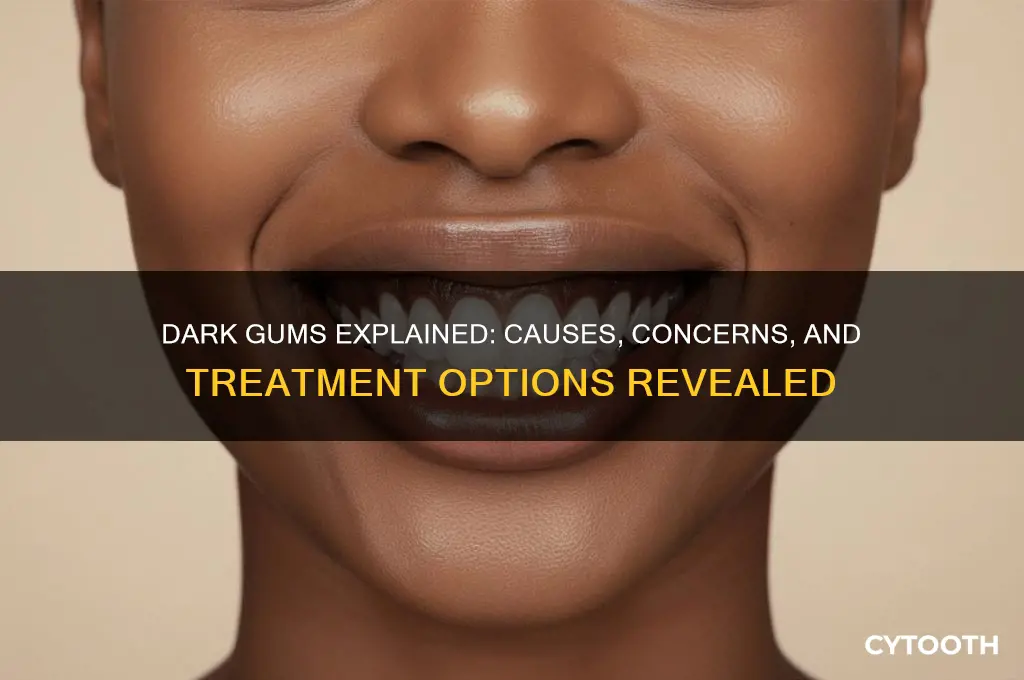
Dark gums can result from a variety of factors, ranging from natural pigmentation to underlying health issues. Melanin, the pigment responsible for skin and hair color, can also darken gum tissue, particularly in individuals with darker skin tones. Additionally, certain medications, such as minocycline or antihypertensives, may cause gum discoloration as a side effect. Poor oral hygiene, smoking, or the accumulation of tartar can lead to gum inflammation and darkening. In some cases, dark gums may indicate more serious conditions, such as gum disease, oral infections, or systemic disorders like Addison’s disease. Understanding the cause is crucial for appropriate treatment, which may involve lifestyle changes, dental care, or medical intervention.
| Characteristics | Values |
|---|---|
| Genetics | Inherited melanin distribution in gum tissue, common in certain ethnicities. |
| Melanin Hyperpigmentation | Excess melanin production due to hormonal changes, medications, or inflammation. |
| Smoking | Tobacco use increases melanin deposition and causes gum discoloration. |
| Medications | Drugs like minocycline, anti-malarials, or heavy metals (e.g., bismuth) can darken gums. |
| Oral Health Issues | Gingivitis, periodontitis, or poor oral hygiene leading to gum inflammation. |
| Systemic Conditions | Addison's disease, Peutz-Jeghers syndrome, or hormonal disorders. |
| Trauma or Injury | Physical damage to gums causing increased melanin production. |
| Allergic Reactions | Contact dermatitis or allergic responses to oral care products. |
| Nutritional Deficiencies | Lack of vitamin C or other nutrients affecting gum health. |
| Aging | Natural darkening of gums due to increased melanin with age. |
| Environmental Factors | Exposure to heavy metals or chemicals causing gum discoloration. |
| Pregnancy | Hormonal changes during pregnancy can lead to gum hyperpigmentation. |
| Oral Piercings | Irritation or trauma from piercings causing localized darkening. |
| Poor Oral Hygiene | Plaque buildup and bacterial infections leading to gum discoloration. |
| Hereditary Conditions | Genetic disorders affecting melanin production or distribution. |
What You'll Learn
- Hormonal Changes: Pregnancy, puberty, or menopause can cause gum discoloration due to hormonal fluctuations
- Medications: Certain drugs like antihypertensives or antimalarials may lead to gum pigmentation
- Smoking: Tobacco use can darken gums due to nicotine and tar accumulation over time
- Oral Hygiene: Poor brushing and flossing allow plaque buildup, causing gum inflammation and discoloration
- Medical Conditions: Addison’s disease or melanoma can result in darkening of the gums

Hormonal Changes: Pregnancy, puberty, or menopause can cause gum discoloration due to hormonal fluctuations
Hormonal fluctuations during pivotal life stages—pregnancy, puberty, and menopause—can trigger noticeable changes in gum pigmentation, often darkening their appearance. This phenomenon, known as pregnancy gingivitis or pubertal gingivitis, occurs due to increased blood flow and vascularity in gum tissues, which respond dramatically to elevated levels of estrogen and progesterone. For instance, up to 50% of pregnant individuals experience gum inflammation and discoloration, typically peaking in the second trimester. While these changes are usually temporary, understanding their underlying causes empowers individuals to manage symptoms effectively through targeted oral hygiene practices.
During puberty, hormonal shifts stimulate gum tissue growth and sensitivity, making adolescents more susceptible to plaque buildup and discoloration. Parents and caregivers should encourage teens to adopt a rigorous oral care routine: brushing twice daily with fluoride toothpaste, flossing daily, and using antimicrobial mouthwash. Orthodontic patients, in particular, must be vigilant, as braces can trap food particles and exacerbate gum issues. Regular dental check-ups every six months are essential to monitor and address early signs of gingival hyperpigmentation or inflammation.
Pregnant individuals often notice their gums becoming darker, redder, or more swollen due to heightened vascular activity and reduced immune response to oral bacteria. To mitigate these effects, dentists recommend increasing fluoride intake—either through prescription-strength toothpaste or professional treatments—and maintaining consistent oral hygiene. Avoiding sugary snacks and staying hydrated can also reduce plaque accumulation. While hormonal gum changes during pregnancy are common, severe cases may indicate gestational diabetes or periodontal disease, warranting immediate medical attention.
Menopause introduces another layer of complexity, as declining estrogen levels can lead to reduced saliva production, dry mouth, and increased gum vulnerability. Postmenopausal women may notice their gums appearing darker or more recessed due to thinning tissues. Incorporating saliva substitutes, sugar-free gum, or humidifiers can alleviate dryness, while gentle gum massage with vitamin E oil may improve circulation. Annual dental exams are crucial to detect and treat emerging issues like gum recession or periodontal disease, which become more prevalent with age.
Across these life stages, hormonal gum discoloration is often reversible with proper care. However, persistent or severe symptoms should not be ignored, as they may signal underlying health conditions. By recognizing the link between hormones and oral health, individuals can take proactive steps to preserve gum vitality and overall well-being during these transformative periods.
Braces and Gum Recession: Uncovering the Truth Behind the Myth
You may want to see also
Medications: Certain drugs like antihypertensives or antimalarials may lead to gum pigmentation
Dark gums can be a surprising side effect of certain medications, particularly those used to manage chronic conditions like hypertension or malaria. Antihypertensive drugs, such as minocycline (a tetracycline antibiotic sometimes prescribed for high blood pressure), are known to cause gum pigmentation in a small percentage of users. This discoloration typically appears as a bluish-gray or black hue and is more common with long-term use, often after cumulative doses exceeding 1 gram. Similarly, antimalarial medications like chloroquine and hydroxychloroquine can lead to similar pigmentation, though this is less frequently reported. Understanding these potential side effects is crucial for patients and healthcare providers to differentiate between medication-induced changes and other oral health issues.
The mechanism behind drug-induced gum pigmentation involves the accumulation of drug metabolites in the gingival tissues. For instance, minocycline binds to calcium in the gums, leading to the formation of insoluble complexes that darken over time. This process is dose-dependent, meaning higher doses or prolonged use increase the likelihood of pigmentation. Patients on antihypertensives or antimalarials should monitor their gum color regularly, especially if they’ve been on these medications for months or years. If discoloration occurs, it’s essential to consult a dentist or physician to rule out other causes, such as melanin hyperpigmentation or oral melanoma.
While medication-induced gum pigmentation is generally harmless, it can be a cosmetic concern for some individuals. For those on antihypertensives like minocycline, switching to an alternative medication may be an option, but this should only be done under medical supervision. In cases where discontinuation isn’t feasible, cosmetic procedures like gum bleaching or laser therapy can be considered, though these are not always effective for drug-related pigmentation. Patients should also maintain good oral hygiene, including regular brushing, flossing, and dental check-ups, to minimize the appearance of discoloration.
Comparatively, antimalarial-induced pigmentation is often more diffuse and may affect other mucous membranes, such as the lips or palate. Unlike antihypertensive-related changes, antimalarial pigmentation is typically reversible upon discontinuation of the medication, though this can take several months. Patients traveling to malaria-endemic regions should weigh the benefits of antimalarial prophylaxis against the potential for cosmetic side effects. Discussing these risks with a healthcare provider beforehand can help manage expectations and ensure informed decision-making.
In conclusion, while medications like antihypertensives and antimalarials are vital for managing serious health conditions, their potential to cause gum pigmentation should not be overlooked. Patients and providers must remain vigilant, monitoring for changes in gum color and addressing concerns promptly. By balancing the therapeutic benefits of these drugs with their side effects, individuals can maintain both their systemic and oral health effectively. Awareness and proactive management are key to navigating this lesser-known but impactful medication side effect.
Coffee and Gum Recession: Uncovering the Surprising Connection
You may want to see also
Smoking: Tobacco use can darken gums due to nicotine and tar accumulation over time
Dark gums can be a cosmetic concern, but they may also signal underlying health issues. One significant contributor to this discoloration is smoking. The habit introduces a host of harmful substances into the oral cavity, with nicotine and tar being the primary culprits behind the darkening of gum tissue. These substances accumulate over time, leading to a noticeable change in gum color from a healthy pink to a darker shade. This transformation is not merely aesthetic; it often indicates compromised oral health.
The process of gum discoloration in smokers is gradual but relentless. Nicotine, a highly addictive component of tobacco, constricts blood vessels, reducing blood flow to the gums. This diminished circulation deprives gum tissues of essential nutrients and oxygen, causing them to darken. Tar, another byproduct of smoking, is a sticky, dark substance that adheres to teeth and gums, further contributing to the discoloration. Studies have shown that long-term smokers are more likely to exhibit darker gums compared to non-smokers, with the extent of darkening correlating directly to the duration and frequency of tobacco use.
Quitting smoking is the most effective way to prevent further gum discoloration and improve overall oral health. However, reversing the effects of nicotine and tar accumulation requires a proactive approach. Regular dental cleanings can help remove surface stains, but deeper discoloration may necessitate professional treatments such as scaling and root planing. For those unable to quit immediately, reducing smoking frequency can slow the progression of gum darkening. For instance, cutting down from 20 cigarettes a day to 10 can significantly lessen the amount of nicotine and tar deposited in the oral cavity.
It’s also crucial to adopt a rigorous oral hygiene routine to mitigate the effects of smoking. Brushing twice daily with a whitening toothpaste and flossing regularly can help minimize stain buildup. Additionally, using an antiseptic mouthwash can reduce bacterial growth and inflammation in the gums. For smokers over 40, who are at a higher risk of gum disease, incorporating a water flosser into their routine can be particularly beneficial, as it effectively removes debris from hard-to-reach areas.
While the cosmetic aspect of dark gums may prompt initial concern, the health implications are far more serious. Darkened gums in smokers are often a precursor to more severe conditions, such as gum disease and oral cancer. Regular dental check-ups are essential for monitoring these risks and addressing them early. For individuals struggling to quit smoking, seeking support through counseling, nicotine replacement therapies, or prescription medications can be a game-changer. Ultimately, addressing the root cause—tobacco use—is the key to restoring not just the color of the gums, but also the overall health of the mouth.
Uncovering the Root Causes of Gum Recession on a Single Tooth
You may want to see also
Oral Hygiene: Poor brushing and flossing allow plaque buildup, causing gum inflammation and discoloration
Dark gums often signal underlying oral health issues, and one of the most common culprits is inadequate oral hygiene. When brushing and flossing are neglected, plaque—a sticky film of bacteria—accumulates along the gum line. Over time, this buildup hardens into tartar, which irritates the gums, leading to inflammation and discoloration. This process, known as gingivitis, is the earliest stage of gum disease and a primary reason gums may appear darker or redder than normal.
To prevent this, adopt a consistent oral care routine. Brush your teeth twice daily for at least two minutes each session, using a soft-bristled toothbrush and fluoride toothpaste. Angle the brush at 45 degrees to the gum line to effectively remove plaque. Floss daily to clean between teeth where a toothbrush can’t reach. For added protection, incorporate an antimicrobial mouthwash into your routine to reduce bacterial growth. These simple steps can significantly reduce plaque buildup and maintain healthy, pink gums.
Children and older adults are particularly vulnerable to the effects of poor oral hygiene. Kids often lack the dexterity to brush and floss thoroughly, while seniors may face challenges due to arthritis or other health issues. For children under 12, supervise brushing to ensure proper technique, and consider using a plaque-disclosing tablet once a week to highlight areas they’re missing. Adults over 65 should use adaptive tools like electric toothbrushes or floss holders to maintain oral health. Regular dental checkups every six months are essential for all age groups to catch and address issues early.
Ignoring plaque buildup not only darkens gums but also increases the risk of advanced gum disease, tooth loss, and systemic health problems like heart disease. The discoloration is your body’s warning sign—don’t dismiss it. If you notice persistent darkening or bleeding gums, consult a dentist immediately. They can remove tartar through professional cleaning and provide personalized advice to improve your oral hygiene routine. Remember, healthy gums are the foundation of a healthy smile, and prevention is always easier than treatment.
Zyns and Gum Health: Uncovering the Truth About Potential Damage
You may want to see also
Medical Conditions: Addison’s disease or melanoma can result in darkening of the gums
Dark gums can be a subtle yet significant indicator of underlying health issues, particularly when associated with conditions like Addison's disease or melanoma. These disorders, though distinct in their nature and progression, share a surprising symptom: the darkening of oral tissues, including the gums. This phenomenon, known as hyperpigmentation, occurs due to increased melanin production or deposition, often triggered by the body's response to these diseases. Understanding this link is crucial, as it can prompt timely medical intervention and potentially reveal systemic issues that might otherwise go unnoticed.
Addison's disease, a rare endocrine disorder, occurs when the adrenal glands produce insufficient cortisol and aldosterone. One of its lesser-known manifestations is mucosal hyperpigmentation, which affects the gums, lips, and other mucous membranes. This darkening is more pronounced in areas exposed to sunlight or friction, but it can also appear in the oral cavity. The mechanism behind this involves elevated levels of adrenocorticotropic hormone (ACTH), which stimulates melanocyte activity. While gum darkening alone is not diagnostic, its presence alongside symptoms like fatigue, weight loss, and low blood pressure should raise suspicion of Addison's disease. Early detection is vital, as untreated adrenal insufficiency can lead to life-threatening adrenal crises.
In contrast, melanoma, a malignant form of skin cancer, can also cause gum darkening, though this is far less common. Oral melanoma, while rare, often presents as a dark, irregularly shaped lesion on the gums or other oral tissues. Unlike Addison's disease, where hyperpigmentation is diffuse, melanoma-related darkening is typically localized and may be accompanied by symptoms like bleeding, pain, or swelling. The risk factors for oral melanoma include prolonged sun exposure, genetic predisposition, and immunosuppression. Given its aggressive nature, any suspicious oral lesion warrants immediate biopsy and evaluation by a dermatologist or oral surgeon.
Distinguishing between these two causes of gum darkening requires a careful medical history and physical examination. For instance, a patient with Addison's disease may have a history of chronic fatigue and electrolyte imbalances, whereas someone with oral melanoma might report a recent change in a pre-existing oral lesion. Diagnostic tools such as blood tests for ACTH and cortisol levels, skin biopsies, and imaging studies can further clarify the underlying cause. Treatment approaches also differ significantly: Addison's disease is managed with lifelong hormone replacement therapy, while melanoma requires surgical excision, immunotherapy, or targeted therapies depending on the stage.
For individuals noticing darkening of their gums, the key takeaway is not to dismiss this symptom as merely cosmetic. Instead, it should prompt a comprehensive evaluation by a healthcare provider. While Addison's disease and melanoma are not the most common causes of gum hyperpigmentation, their potential severity underscores the importance of early detection. Regular dental check-ups, coupled with awareness of systemic symptoms, can play a pivotal role in identifying these conditions before they progress. In the realm of oral health, even subtle changes can signal significant underlying issues, making vigilance and proactive care essential.
Dry Mouth and Gum Recession: Uncovering the Surprising Connection
You may want to see also
Frequently asked questions
Dark gums can be caused by factors such as genetics, smoking, certain medications, hormonal changes, or underlying health conditions like Addison's disease.
Yes, smoking can cause dark gums due to nicotine and tar staining, reduced blood flow, and inflammation in the gum tissues.
Not always. While poor oral hygiene can contribute to gum issues, dark gums are often related to pigmentation, medical conditions, or external factors like smoking.
Yes, some medications, such as minocycline (an antibiotic) or antihypertensive drugs, can cause gum discoloration as a side effect.
Yes, hormonal fluctuations during pregnancy, puberty, or menopause can increase melanin production in the gums, leading to darkening.