Samantha Blake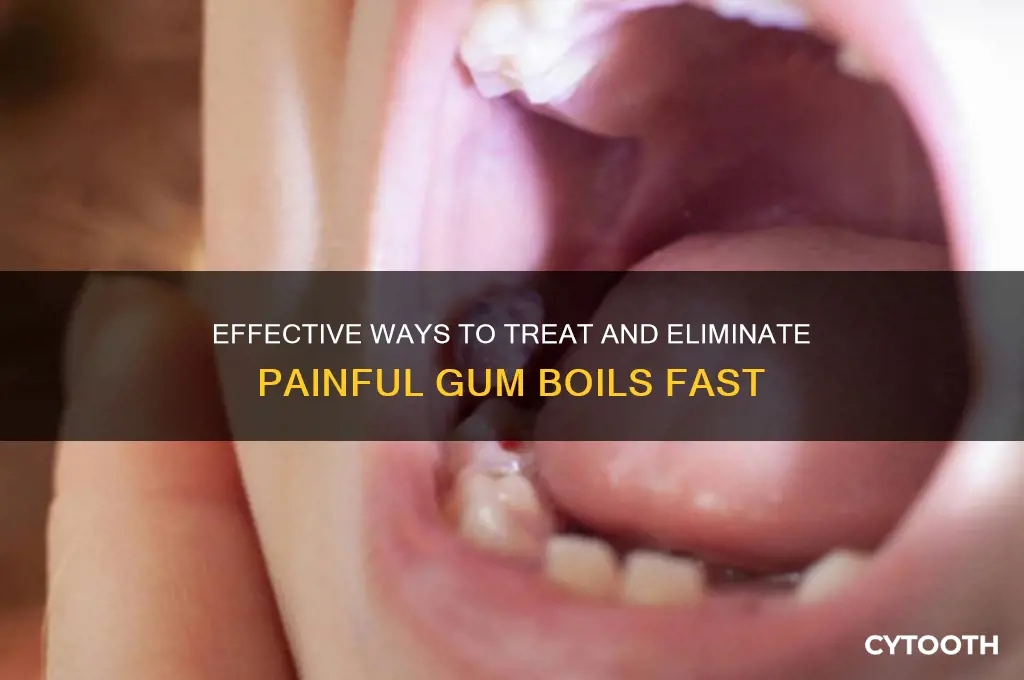
A gum boil, also known as a dental abscess, is a painful and often alarming condition caused by a bacterial infection in the gums or teeth. It appears as a pimple-like swelling filled with pus, usually indicating an underlying issue such as tooth decay, gum disease, or a compromised immune system. To get rid of a gum boil, it’s essential to seek prompt dental care, as the infection can spread if left untreated. Treatment typically involves draining the abscess, prescribing antibiotics to combat the infection, and addressing the root cause, such as a root canal or tooth extraction. Maintaining good oral hygiene and regular dental check-ups can help prevent gum boils from recurring.
| Characteristics | Values |
|---|---|
| Definition | A gum boil (dental abscess) is a localized accumulation of pus in the gums, often caused by bacterial infection. |
| Causes | Tooth decay, gum disease, dental trauma, or a compromised immune system. |
| Symptoms | Swelling, redness, pain, pus discharge, bad breath, fever, and difficulty chewing or swallowing. |
| Treatment | 1. Professional Drainage: Dentist drains the abscess to remove pus. 2. Antibiotics: Prescribed to fight infection. 3. Root Canal Therapy: If the infection is inside the tooth. 4. Tooth Extraction: If the tooth is severely damaged. 5. Saltwater Rinse: Temporary relief, not a cure. 6. Pain Relief: Over-the-counter painkillers like ibuprofen. |
| Prevention | Good oral hygiene (brushing, flossing), regular dental check-ups, and addressing dental issues promptly. |
| Home Remedies | Warm saltwater rinses, cold compresses, and avoiding irritants like smoking or alcohol. |
| When to See a Dentist | Immediate dental care is required if symptoms persist, worsen, or if there’s fever or swelling. |
| Complications | Spread of infection to other parts of the body, tooth loss, or systemic health issues like sepsis. |
What You'll Learn
- Warm Saltwater Rinse: Gargle warm salt water to reduce gum boil swelling and pain
- Proper Oral Hygiene: Brush and floss daily to prevent gum boils and infections
- Antiseptic Mouthwash: Use antibacterial mouthwash to kill bacteria causing gum boils
- Avoid Irritants: Skip tobacco and spicy foods to prevent gum boil aggravation
- Dental Checkup: Visit a dentist for professional treatment and gum boil drainage

Warm Saltwater Rinse: Gargle warm salt water to reduce gum boil swelling and pain
A gum boil, often a symptom of an underlying infection, can cause discomfort and swelling. One of the simplest and most effective home remedies to alleviate these symptoms is a warm saltwater rinse. This method has been used for centuries due to its natural antiseptic properties, which help reduce inflammation and fight bacteria. By incorporating this practice into your oral care routine, you can promote healing and find relief from the pain associated with gum boils.
To prepare a warm saltwater rinse, dissolve half a teaspoon of table salt in a glass of warm water (approximately 8 ounces). Ensure the water is warm but not hot, as extreme temperatures can irritate the gums further. Stir the solution until the salt is completely dissolved. For optimal results, gargle the mixture for 30 seconds, focusing on swishing it around the affected area. Repeat this process 2–3 times daily, especially after meals, to maintain cleanliness and reduce bacterial growth. This routine is safe for adults and children over the age of 6, though younger children should be supervised to avoid swallowing the solution.
The science behind this remedy lies in salt’s ability to draw out fluids from inflamed tissues, reducing swelling and discomfort. Additionally, the saline solution creates an environment hostile to bacteria, aiding in infection control. While it’s not a substitute for professional dental treatment, a warm saltwater rinse can serve as a complementary measure to manage symptoms while awaiting a dentist’s evaluation. It’s particularly useful for those seeking immediate relief without access to over-the-counter medications.
Practical tips can enhance the effectiveness of this remedy. For instance, using sea salt instead of table salt may provide additional minerals, though both are equally effective. Avoid adding more salt than recommended, as excessive salinity can irritate the gums. After gargling, spit out the solution and avoid eating or drinking for at least 30 minutes to allow the saline to work. Pairing this rinse with proper oral hygiene, such as gentle brushing and flossing, can further support gum health and expedite recovery.
While a warm saltwater rinse is a valuable tool in managing gum boils, it’s essential to monitor symptoms closely. If swelling, pain, or discharge persists or worsens after 2–3 days of consistent use, consult a dentist. Persistent symptoms may indicate a more serious infection requiring professional intervention, such as antibiotics or drainage. By combining this home remedy with timely medical advice, you can effectively address gum boils and maintain optimal oral health.
Effective Ways to Remove Gum from Leather Car Seats Easily
You may want to see also
Proper Oral Hygiene: Brush and floss daily to prevent gum boils and infections
Gum boils, also known as dental abscesses, are often the result of bacterial infections that stem from poor oral hygiene. These painful, pus-filled bumps near the gum line are your body’s way of fighting infection, but they signal a deeper issue that requires immediate attention. The most effective way to prevent gum boils is to maintain proper oral hygiene, which starts with brushing and flossing daily. Brushing twice a day with fluoride toothpaste removes plaque and food particles, while flossing daily reaches areas your toothbrush can’t, eliminating debris and bacteria between teeth. This simple routine disrupts the environment where infections thrive, reducing the risk of gum boils before they start.
Consider the mechanics of flossing as a critical step often overlooked. Proper flossing technique involves wrapping the floss around each tooth in a C-shape, gently gliding it up and down the side of the tooth, and reaching below the gum line. For those who struggle with traditional floss, interdental brushes or water flossers are effective alternatives. Children as young as 4 can begin flossing with parental assistance, while adults should aim for consistency, especially before bedtime, when bacteria are most active. Skipping this step allows plaque to harden into tartar, which can only be removed by a dental professional and increases the likelihood of infection.
The persuasive argument for daily brushing and flossing lies in the long-term benefits. Consistent oral care not only prevents gum boils but also reduces the risk of more severe conditions like periodontitis, tooth loss, and systemic health issues such as heart disease. Think of it as an investment in your overall well-being. For instance, spending two minutes brushing and one minute flossing daily translates to less than 1% of your day but can save you from costly dental procedures and unnecessary pain. Compare this to the alternative: neglecting oral hygiene, which can lead to chronic infections, abscesses, and even emergency dental visits.
A descriptive approach highlights the contrast between a healthy mouth and one prone to gum boils. In a well-maintained mouth, gums are pink, firm, and snug around the teeth, with no signs of swelling or bleeding. Saliva flows freely, aiding in neutralizing acids and remineralizing teeth. Conversely, a mouth with poor hygiene often exhibits red, swollen gums that bleed easily, bad breath, and visible plaque buildup—all precursors to gum boils. By brushing and flossing daily, you actively maintain the balance of your oral microbiome, preventing harmful bacteria from dominating and causing infection.
Finally, a comparative analysis underscores the role of oral hygiene in preventing gum boils versus treating them. While treatments like antibiotics, drainage, or root canals can address existing abscesses, they are reactive measures that often come with discomfort and expense. Prevention through daily brushing and flossing is not only more cost-effective but also less invasive. For example, a $5 tube of fluoride toothpaste and $3 pack of floss last months and provide a shield against infections, whereas a single root canal can cost upwards of $1,000. The takeaway is clear: a few minutes of daily care can spare you from the pain and financial burden of treating gum boils.
Understanding Swollen Gums: Causes, Symptoms, and Effective Remedies Explained
You may want to see also
Antiseptic Mouthwash: Use antibacterial mouthwash to kill bacteria causing gum boils
Gum boils, often a symptom of underlying infection, can be effectively managed with the strategic use of antiseptic mouthwash. These oral rinses contain active ingredients like chlorhexidine or hydrogen peroxide, which target and eliminate the bacteria responsible for the boil. Unlike regular mouthwashes, antiseptic varieties are formulated to penetrate biofilms—the protective layers bacteria form—ensuring a thorough cleanse. Incorporating this into your oral care routine can significantly reduce inflammation and promote healing.
To maximize the benefits of antiseptic mouthwash, follow a precise regimen. Rinse with 15–20 milliliters of the solution for 30 seconds, twice daily, after brushing. Avoid eating or drinking for 30 minutes post-rinse to allow the active ingredients to work undisturbed. For children over 6 years old, dilute the mouthwash with an equal amount of water to minimize irritation while maintaining efficacy. Consistency is key; use the mouthwash for at least 7–10 days, even if symptoms improve earlier, to prevent recurrence.
While antiseptic mouthwash is a powerful tool, it’s not a standalone solution. Pair it with proper oral hygiene practices, such as flossing daily and using a soft-bristled toothbrush to avoid further gum irritation. If the boil persists beyond two weeks or is accompanied by severe pain, fever, or swelling, consult a dentist immediately. Over-reliance on mouthwash without addressing the root cause, like poor dental hygiene or untreated gum disease, may lead to temporary relief but long-term complications.
The choice of antiseptic mouthwash matters. Opt for alcohol-free formulas to prevent dryness and discomfort, especially for those with sensitive gums. Brands containing cetylpyridinium chloride or essential oils like thymol are also effective alternatives. Always read labels for age-appropriate products and follow dosage guidelines. When used correctly, antiseptic mouthwash not only alleviates gum boils but also strengthens overall oral health by reducing plaque and gingivitis.
Incorporating antiseptic mouthwash into your routine is a practical, evidence-based approach to combating gum boils. Its antibacterial properties directly target the infection, offering both immediate relief and long-term prevention. By combining this method with diligent oral care and professional guidance when needed, you can effectively manage and eliminate gum boils, restoring comfort and health to your mouth.
Effective Ways to Remove Old Gum from Your Carpet Easily
You may want to see also
Avoid Irritants: Skip tobacco and spicy foods to prevent gum boil aggravation
Tobacco use and spicy foods can exacerbate gum boils, turning a minor irritation into a major discomfort. Nicotine in tobacco restricts blood flow, impairing the gums’ ability to heal, while spices like capsaicin in chili peppers can inflame sensitive tissues. Both irritants create an environment where bacteria thrive, prolonging infection. Cutting these out isn’t just preventive—it’s a proactive step toward faster recovery.
Consider this: a 2018 study in the *Journal of Periodontology* found that smokers were twice as likely to develop gum abscesses compared to non-smokers. Even secondhand smoke exposure can delay healing. For spicy food enthusiasts, moderation is key. If you’ve already got a gum boil, avoid dishes with high heat levels for at least a week. Opt for bland, soft foods like oatmeal or yogurt to minimize irritation while the boil heals.
Persuasion comes into play when weighing short-term pleasure against long-term oral health. Quitting tobacco is challenging, but nicotine replacement therapies like patches or gum (sugar-free, of course) can ease the transition. For spicy food lovers, think of it as a temporary sacrifice. Swap jalapeños for herbs like cilantro or dill to add flavor without the burn. Your gums will thank you.
Comparatively, while both tobacco and spicy foods irritate gum boils, tobacco’s impact is systemic, affecting overall oral health, whereas spicy foods cause localized, temporary discomfort. Addressing tobacco use requires a structured approach—set a quit date, seek support groups, and consider medication under a doctor’s guidance. Spicy food avoidance, on the other hand, is simpler: read labels, avoid hot sauces, and choose mild seasonings. Both changes, though different in scope, are equally vital for healing.
Finally, a practical tip: keep a food diary to track what triggers gum discomfort. Note any spicy meals or tobacco exposure and how your gums react. Over time, this awareness will help you identify patterns and make informed choices. Remember, avoiding irritants isn’t about deprivation—it’s about creating an environment where your gums can heal efficiently. Small adjustments today lead to significant relief tomorrow.
Effective Tips to Remove Gum from Invisalign Aligners Easily
You may want to see also
Dental Checkup: Visit a dentist for professional treatment and gum boil drainage
A gum boil, also known as a parulis, is a pus-filled bump on the gums, often signaling an underlying infection. While home remedies might offer temporary relief, they rarely address the root cause. This is where a dental checkup becomes indispensable. Dentists are equipped to diagnose the source of the infection, whether it’s a tooth abscess, periodontal disease, or a foreign object embedded in the gum tissue. Professional treatment not only drains the boil safely but also prevents recurrence by tackling the infection at its core.
The process begins with a thorough examination, often involving X-rays to identify hidden issues like decay or bone loss. Once diagnosed, the dentist may perform a drainage procedure to relieve pressure and remove pus. This is typically done under local anesthesia to ensure comfort. For infections linked to tooth decay, a root canal or extraction might be necessary. In cases of periodontal disease, deep cleaning (scaling and root planing) is often recommended to remove bacteria and tartar below the gumline. Antibiotics may be prescribed if the infection has spread, with dosages tailored to age, weight, and severity—commonly 500 mg of amoxicillin twice daily for adults, adjusted for children based on body weight.
Opting for professional treatment offers advantages over self-care methods. Dentists use sterile instruments to minimize the risk of further infection, a critical concern when dealing with oral bacteria. They also provide post-treatment care instructions, such as rinsing with a warm saltwater solution (1/2 teaspoon of salt in 8 ounces of water) or avoiding hard foods for 24–48 hours to aid healing. Ignoring a gum boil or attempting to drain it at home can lead to complications like cellulitis or systemic infection, making timely dental intervention essential.
Comparatively, while warm salt rinses or over-the-counter pain relievers like ibuprofen (200–400 mg every 4–6 hours for adults) can alleviate symptoms, they do not resolve the infection. A dentist’s approach is holistic, addressing both the immediate issue and long-term oral health. Regular checkups every six months can prevent gum boils by catching early signs of decay or gum disease. For those with a history of dental infections, more frequent visits may be advised.
In conclusion, a dental checkup is the most effective way to eliminate a gum boil. It combines precise diagnosis, targeted treatment, and preventive care to ensure the infection is fully resolved. Delaying professional intervention risks worsening the condition and complicating treatment. Prioritize oral health by scheduling a visit at the first sign of a gum boil—your gums will thank you.
Effective Ways to Safely Remove Denture Glue from Gums
You may want to see also
Frequently asked questions
A gum boil, also known as a dental abscess or parulis, is a localized accumulation of pus in the gum tissue, often caused by a bacterial infection. Common causes include tooth decay, gum disease, or a dental injury that allows bacteria to enter the gum or tooth.
While home remedies like warm saltwater rinses, applying a cold compress, or using clove oil may temporarily relieve discomfort, a gum boil requires professional treatment. Visit a dentist promptly for proper diagnosis and treatment, which may include draining the abscess, antibiotics, or addressing the underlying dental issue.
A gum boil is unlikely to resolve on its own because it indicates an infection that needs intervention. Ignoring it can lead to the infection spreading, causing more severe complications like tooth loss, bone damage, or systemic health issues. Seek dental care immediately.