Matthew Grant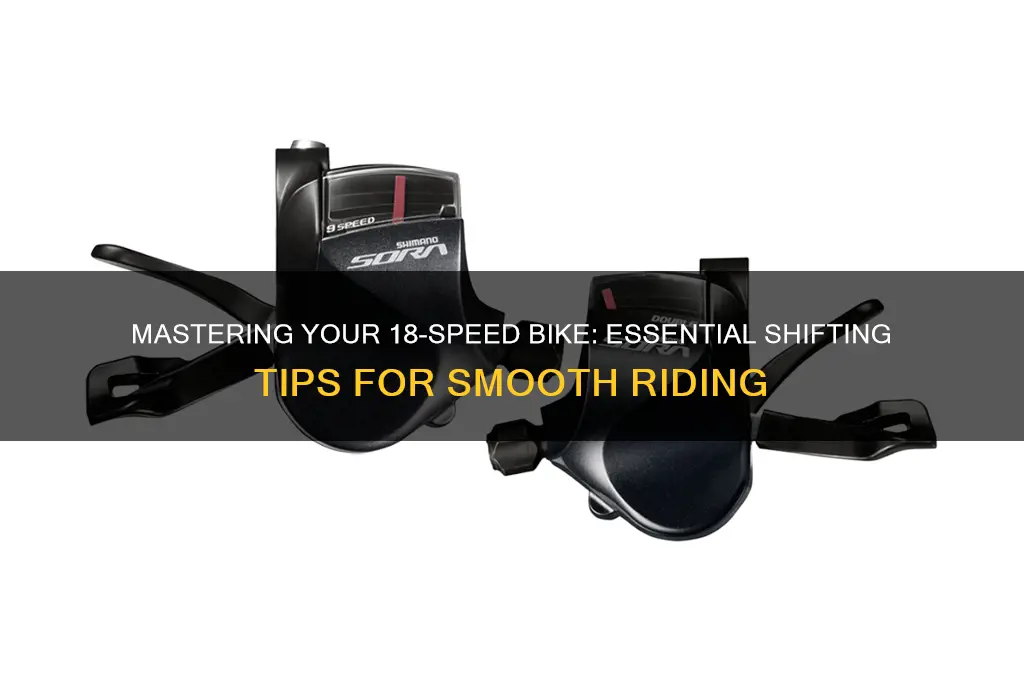
Mastering the art of correctly using an 18-speed bike involves understanding its gear system to optimize performance and efficiency. An 18-speed bike typically features three chainrings at the front and six cogs at the rear, offering a wide range of gear ratios for various terrains. To use it effectively, start by familiarizing yourself with the shifters, usually located on the handlebars, which control the front and rear derailleurs. When shifting, avoid cross-chaining (extreme combinations like the smallest chainring with the smallest cog or the largest chainring with the largest cog) to prevent wear and inefficient pedaling. Use lower gears (smaller chainring and larger cog) for climbing or starting from a stop, and higher gears (larger chainring and smaller cog) for flat or downhill sections. Practice smooth, timely shifts while maintaining a steady cadence to ensure a seamless and enjoyable ride. Regular maintenance, such as keeping the chain clean and properly lubricated, will also enhance the bike’s performance and longevity.
What You'll Learn
- Understanding Gear Ratios: Learn how front and rear gears combine to create 18 speeds for varied terrain
- Shifting Techniques: Master smooth upshifts and downshifts without cross-chaining or damaging the drivetrain
- Maintenance Basics: Keep gears clean, lubricated, and properly adjusted for optimal performance and longevity
- Terrain-Specific Gears: Choose the right gear for climbing, descending, or cruising on flat surfaces
- Safety Tips: Avoid shifting under heavy load and always pedal lightly while changing gears

Understanding Gear Ratios: Learn how front and rear gears combine to create 18 speeds for varied terrain
An 18-speed bike achieves its range by combining three front chainrings with six rear cogs, creating a matrix of gear ratios tailored to different terrains and rider needs. Each front chainring (typically with 48, 38, and 28 teeth) pairs with the rear cogs (ranging from 14 to 28 teeth) to produce a unique mechanical advantage. For instance, the smallest front chainring (28 teeth) paired with the largest rear cog (28 teeth) yields a low gear ratio ideal for steep climbs, while the largest front chainring (48 teeth) with the smallest rear cog (14 teeth) provides a high gear ratio for flat, fast terrain. Understanding this interplay is key to maximizing efficiency and control.
To use these gears effectively, start by shifting the front derailleur to match the terrain’s demands. On steep ascents, shift to the smallest front chainring to reduce pedaling resistance, but avoid cross-chaining (e.g., pairing the smallest front ring with the smallest rear cog) as it strains the drivetrain. Conversely, on flat or downhill sections, use the largest front chainring for maximum speed, ensuring the rear derailleur is in a mid-range cog to maintain smooth power transfer. Practice shifting under low pedal pressure to avoid damaging the chain or derailleurs.
The rear cassette offers finer adjustments within each front chainring selection. For gradual inclines, shift the rear derailleur to larger cogs (higher numbers) to ease pedaling. On descents or sprints, shift to smaller cogs (lower numbers) for higher cadence. A common mistake is over-shifting, which can cause the chain to slip or wear prematurely. Aim to shift one cog at a time and anticipate terrain changes to maintain a consistent rhythm. For example, downshift before approaching a hill, not while climbing it.
Gear ratios aren’t just about terrain—they also account for rider fitness and load. A beginner or rider carrying cargo may prefer lower gears for sustained effort, while a seasoned cyclist might opt for higher gears to maintain speed. Experiment with different combinations during training rides to identify your preferred ratios for specific conditions. For instance, a 38-tooth front chainring paired with a 22-tooth rear cog strikes a balance between speed and endurance, making it a versatile mid-range option.
Mastering gear ratios transforms an 18-speed bike from a tool into an extension of the rider’s intent. By aligning front and rear shifts with terrain, fitness, and load, cyclists can conserve energy, prevent mechanical issues, and enhance overall performance. Remember, the goal isn’t to use all 18 gears on every ride but to select the right one for each moment. Practice, patience, and a keen awareness of how gears interact will make every pedal stroke count.
CycleBar's Bike Brand: Unveiling the Ultimate Indoor Cycling Experience
You may want to see also
Shifting Techniques: Master smooth upshifts and downshifts without cross-chaining or damaging the drivetrain
Smooth shifting on an 18-speed bike isn't just about changing gears—it's about preserving your drivetrain's longevity while maintaining pedaling efficiency. Cross-chaining, or running extreme gear combinations (like the smallest chainring with the smallest rear cog or the largest chainring with the largest rear cog), increases wear and reduces power transfer. To avoid this, visualize your drivetrain as a triangle: aim to keep the chain within the middle of this triangle by pairing the middle chainring with a range of middle cogs. This minimizes angle and tension, reducing friction and wear.
Mastering upshifts and downshifts requires anticipation and timing. For upshifts (increasing resistance), ease off the pedals slightly as you shift the rear derailleur to a smaller cog or the front derailleur to a larger chainring. This reduces pressure on the chain, allowing the derailleur to move smoothly. Conversely, for downshifts (decreasing resistance), apply slight pressure to the pedals as you shift to a larger rear cog or smaller chainring. This tension helps the chain engage cleanly. Practice shifting while maintaining a steady cadence (70–90 RPM) to develop muscle memory for seamless transitions.
A common mistake is shifting under heavy load, such as when climbing steep hills or sprinting. This stresses the drivetrain and can cause the chain to slip or the derailleur to hesitate. Instead, shift before the terrain changes—anticipate the need to adjust gears while the load is light. For example, downshift to an easier gear before approaching a hill, not while struggling halfway up. Similarly, upshift to a harder gear as you crest a hill, not while accelerating downhill. This proactive approach ensures smoother shifts and prolongs component life.
Regular maintenance complements proper shifting techniques. Keep your chain clean and lubricated, as dirt and grime increase friction and accelerate wear. Inspect the chain for signs of stretching (using a chain checker tool) and replace it every 2,000–3,000 miles to prevent damage to the cassette and chainrings. Fine-tune your derailleurs periodically to ensure precise shifts, and address any grinding or skipping noises immediately. By combining mindful shifting with routine care, you'll maximize the performance and durability of your 18-speed drivetrain.
Easy Biko Recipe: Cooking Sticky Rice Dessert in a Rice Cooker
You may want to see also
Maintenance Basics: Keep gears clean, lubricated, and properly adjusted for optimal performance and longevity
Gears are the heart of your 18-speed bike's drivetrain, and their condition directly impacts your riding experience. Neglecting them leads to inefficient shifting, increased wear, and potential damage. Regular maintenance, however, ensures smooth gear changes, prolongs component life, and maximizes your bike's performance.
Think of it like this: clean, lubricated gears are like a well-oiled machine, operating with precision and efficiency. Dirty, dry gears, on the other hand, resemble a rusty hinge, grinding and struggling with every movement.
Cleaning: Start by shifting your chain onto the smallest chainring and rear cog. Use a degreaser specifically designed for bicycle drivetrains and a stiff brush to remove grime and old lubricant from the chain, cassette, and chainrings. Wipe down thoroughly with a clean rag, ensuring no degreaser residue remains. Avoid getting degreaser on brake rotors or pads, as it can compromise braking performance.
Lubrication: Apply a thin layer of bicycle-specific chain lubricant to the inner surface of the chain, where the rollers meet the pins. Backpedal the cranks slowly to distribute the lube evenly. Wipe off any excess lubricant to prevent attracting dirt. Over-lubrication attracts grime and accelerates wear.
Adjustment: Proper gear adjustment ensures smooth, precise shifting. Consult your bike's manual or seek guidance from a bike mechanic for specific instructions on adjusting derailleurs and cable tension. Improper adjustment can lead to chain skipping, rubbing, or even derailleur damage.
Frequency: The frequency of maintenance depends on riding conditions and frequency. Aim to clean and lubricate your chain every 100-150 miles, or more frequently in wet or dirty conditions. Inspect your gears regularly for signs of wear, such as stretched chains or worn teeth, and address issues promptly.
Remember, consistent maintenance is key to keeping your 18-speed bike running smoothly. By dedicating a small amount of time to cleaning, lubricating, and adjusting your gears, you'll enjoy a more efficient, reliable, and enjoyable riding experience for years to come. Think of it as an investment in your bike's longevity and your own riding pleasure.
Easy Biko Recipe: Cooking with Coconut Powder for Perfect Results
You may want to see also
Terrain-Specific Gears: Choose the right gear for climbing, descending, or cruising on flat surfaces
Mastering terrain-specific gears on an 18-speed bike transforms a struggle into a seamless ride. Climbing steep hills demands low gears—typically the largest chainring in front paired with the smallest cog in back. This combination reduces pedaling resistance, allowing you to maintain cadence without exhausting your legs. For example, shifting to the 1-1 or 2-2 gear ratio (front chainring to rear cog) on a 10% gradient keeps your effort sustainable, even if your speed drops.
Descending, on the other hand, requires high gears to maximize speed while maintaining control. Shift to the smallest front chainring and largest rear cog (e.g., 3-3) to prevent pedaling furiously or spinning out. Caution: avoid downshifting abruptly mid-descent, as this can cause the drivetrain to lock up, leading to loss of control. Instead, anticipate the terrain and shift gears before the steepest sections.
Flat surfaces are where cruising gears shine. Aim for a mid-range gear ratio like 2-3 or 3-2 to balance speed and efficiency. This setup minimizes energy expenditure while keeping your cadence in the optimal 80–100 RPM range. Pro tip: adjust your gear slightly based on wind resistance—drop to a lower gear when riding into a headwind and shift up with a tailwind to maintain momentum.
The key to terrain-specific gearing lies in anticipation and practice. Scan the road ahead to predict shifts in elevation and adjust gears proactively. Regularly experiment with different combinations to understand how your bike responds. Over time, this intuition becomes second nature, ensuring you’re always in the right gear for the terrain, whether climbing, descending, or cruising.
Choosing the Right Bike Size for Your 5-Year-Old Child
You may want to see also
Safety Tips: Avoid shifting under heavy load and always pedal lightly while changing gears
Shifting gears under heavy load is a common mistake that can damage your bike’s drivetrain and leave you stranded mid-ride. When you force a shift while applying maximum pressure to the pedals—such as climbing a steep hill or sprinting—the chain and cassette teeth endure excessive stress, leading to premature wear or even breakage. For example, a sudden shift under load can cause the chain to skip or jam, potentially derailing it entirely. To avoid this, ease off the pedals momentarily before shifting, especially when transitioning between major gear ratios (e.g., from the largest chainring to the smallest).
Light pedaling during gear changes isn’t just a courtesy to your bike—it’s a fundamental technique for smooth, efficient shifting. The derailleur system relies on minimal resistance to move the chain cleanly between gears. If you maintain heavy pressure, the chain may hesitate or grind against the teeth, creating a jarring noise and increasing friction. Think of it like shifting a manual car: you wouldn’t change gears without easing off the accelerator. Apply the same principle to your bike by reducing pedal pressure to a gentle, almost floating motion as you shift.
Comparing proper shifting to improper shifting highlights the difference in longevity and performance. A rider who shifts lightly and avoids heavy loads will experience fewer mechanical issues and enjoy a quieter, more responsive drivetrain. In contrast, frequent shifting under load accelerates wear on the chain, cassette, and chainrings, leading to costly replacements. For instance, a well-maintained drivetrain can last 3,000–5,000 miles, while one subjected to constant stress may fail after just 1,000 miles. The takeaway? Treat your bike’s gears with care, and they’ll return the favor with reliability.
To integrate these safety tips into your riding, practice mindful shifting in varied terrain. On climbs, anticipate gear changes before the gradient steepens, and lighten your pedaling stroke as you shift. On flat terrain, avoid sudden bursts of power mid-shift, especially when accelerating. If you’re new to multi-speed bikes, start by practicing in a low-traffic area, focusing on the timing and pressure of your shifts. Over time, this technique will become second nature, ensuring a safer, more enjoyable ride while extending the life of your bike’s components.
Cooking Biko: A Sweet Black Glutinous Rice Delight
You may want to see also
Frequently asked questions
Use the left shifter to change the front chainring (usually 2 or 3 gears) for major adjustments (low/high terrain), and the right shifter to change the rear cassette (usually 6-9 gears) for finer tuning. Shift one gear at a time while pedaling lightly.
For uphill, shift to a lower gear (smaller chainring in front, larger cog in the rear) to make pedaling easier. For downhill, shift to a higher gear (larger chainring in front, smaller cog in the rear) to maintain speed and control.
Avoid cross-chaining (extreme gear combinations like the smallest chainring with the smallest cog or largest chainring with the largest cog). Shift gears while pedaling lightly and avoid shifting under heavy load or when stopped.
Regularly clean and lubricate the chain every 100-200 miles. Inspect the derailleurs and shifters for wear or misalignment, and adjust as needed. Replace the chain, cassette, or chainrings if they show significant wear to ensure smooth shifting.