Matthew Grant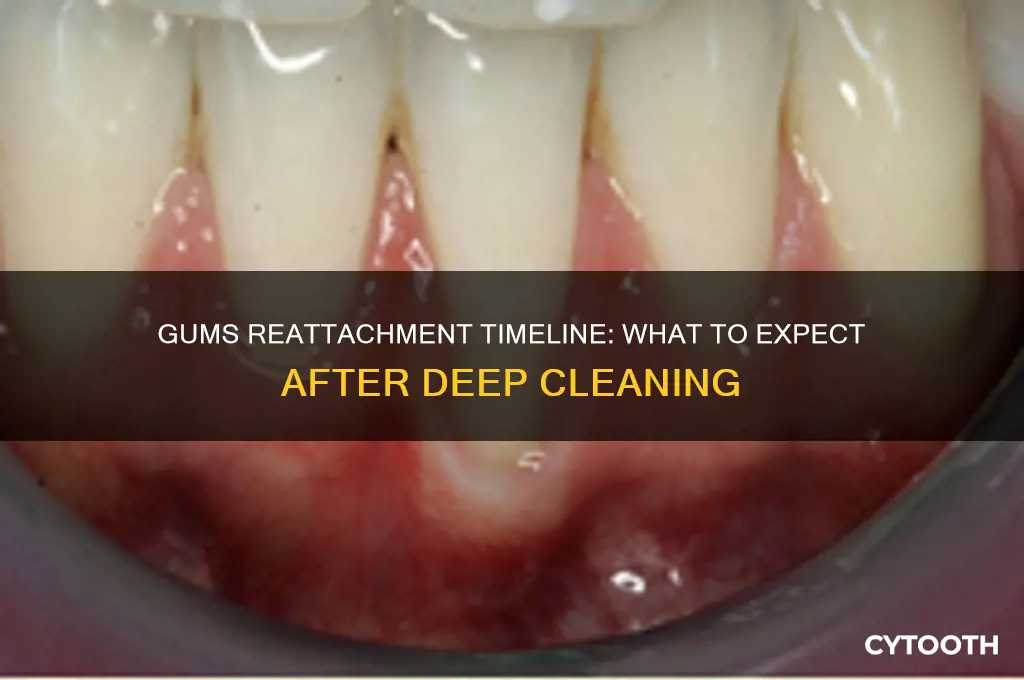
After undergoing a deep cleaning procedure, also known as scaling and root planing, many patients wonder how long it will take for their gums to reattach to their teeth. The reattachment process, known as periodontal healing, typically begins within a few days to a week after the procedure, as the gums start to reduce inflammation and the body initiates its natural healing response. However, complete reattachment and stabilization of the gums can take several weeks to a few months, depending on the severity of the initial gum disease, the patient's overall oral hygiene, and their adherence to post-treatment care instructions. During this period, it's crucial to maintain excellent oral hygiene, avoid smoking, and follow the dentist's recommendations to support the healing process and ensure the best possible outcome.
| Characteristics | Values |
|---|---|
| Typical Reattachment Time | 4 to 6 weeks after deep cleaning (scaling and root planing) |
| Factors Affecting Healing | Oral hygiene, smoking, diabetes, overall health, severity of gum disease |
| Initial Healing Phase | 1 to 2 weeks (reduction in inflammation, gums begin to tighten) |
| Complete Reattachment | Up to 3 months for full healing and stabilization |
| Signs of Reattachment | Reduced gum pocket depth, less bleeding, firmer gums |
| Maintenance Required | Regular brushing, flossing, and follow-up dental visits |
| Potential Complications | Delayed healing if infection persists or poor oral care |
| Professional Monitoring | Dentist will measure pocket depth and assess healing progress |
| Pain/Discomfort Duration | 3 to 5 days post-procedure (mild soreness or sensitivity) |
| Dietary Recommendations | Soft foods for 24–48 hours; avoid hard, crunchy, or spicy foods |
What You'll Learn

Healing timeline after deep cleaning
The healing process after a deep dental cleaning, also known as scaling and root planing, is a gradual journey that requires patience and diligent oral care. Typically, the initial phase of healing begins within the first 24 to 48 hours post-procedure. During this time, it’s common to experience sensitivity, mild discomfort, or slight bleeding as the gums respond to the cleaning. Over-the-counter pain relievers like ibuprofen (200–400 mg every 6 hours) can help manage discomfort, but always follow the recommended dosage. Avoid aggressive brushing or flossing during this period to prevent further irritation.
By the end of the first week, most patients notice a significant reduction in symptoms. The gums may still feel tender, but swelling and bleeding should subside. This is a critical time for oral hygiene—gentle brushing with a soft-bristled toothbrush and rinsing with a warm saltwater solution (1/2 teaspoon of salt in 8 ounces of water) twice daily can aid healing. Avoid hot, spicy, or crunchy foods that could irritate the gums. Instead, opt for soft, nutrient-rich foods like yogurt, mashed potatoes, or smoothies to support recovery.
Between one and three months post-cleaning, the gums begin to reattach to the teeth, a process known as periodontal regeneration. This phase is highly dependent on consistent oral care and regular follow-ups with your dentist. Professional maintenance cleanings every three months are often recommended to monitor progress and prevent plaque buildup. At home, incorporating an antimicrobial mouthwash (e.g., chlorhexidine gluconate 0.12% as prescribed) can help reduce bacteria and promote healing. Be mindful that smoking or tobacco use can significantly delay this process, so quitting is strongly advised.
Long-term healing, extending beyond three months, focuses on maintaining results and preventing future issues. By this stage, gum sensitivity should be minimal, and the gums should appear firmer and healthier. However, periodontal disease is recurring, so adherence to a strict oral hygiene routine is essential. Electric toothbrushes and water flossers can be particularly effective for thorough cleaning. Regular dental check-ups remain crucial, as early detection of any issues can prevent the need for further invasive treatments. Patience and consistency are key to ensuring the gums remain reattached and healthy for the long term.
Gum Regeneration Timeline: How Long Does Healing and Recovery Take?
You may want to see also
Factors affecting gum reattachment speed
The speed at which gums reattach after a deep cleaning, or scaling and root planing, varies widely among individuals. This process, known as periodontal healing, depends on a combination of biological, behavioral, and environmental factors. Understanding these factors can help patients and dental professionals optimize recovery and improve long-term oral health outcomes.
Biological Factors: The Foundation of Healing
Genetics play a significant role in how quickly gums reattach. Some individuals naturally produce more collagen or have a more robust immune response, accelerating tissue regeneration. Age is another critical factor; younger patients, particularly those under 40, tend to heal faster due to higher cellular turnover rates. Conversely, older adults or those with compromised immune systems may experience slower healing. Chronic conditions like diabetes or autoimmune disorders can impair blood flow and tissue repair, extending recovery time. For instance, a diabetic patient with uncontrolled blood sugar levels (HbA1c > 7%) may take up to 50% longer to heal compared to a non-diabetic individual.
Oral Hygiene Practices: The Patient’s Role
Post-procedure care is paramount. Proper oral hygiene accelerates gum reattachment by preventing bacterial regrowth and reducing inflammation. Patients should brush twice daily with a soft-bristled toothbrush and fluoride toothpaste, floss daily, and use an antimicrobial mouthwash (e.g., 0.12% chlorhexidine gluconate) as prescribed. Avoiding smoking is non-negotiable; nicotine constricts blood vessels, reducing oxygen and nutrient delivery to gum tissues, which can double healing time. Alcohol consumption should also be limited, as it dehydrates tissues and impairs immune function. A consistent routine, combined with regular follow-up appointments every 3–4 months, ensures early detection of issues and promotes faster healing.
Lifestyle and Environmental Influences: Beyond the Mouth
Nutrition and stress management are often overlooked but critical components of gum reattachment. A diet rich in vitamins C (found in citrus fruits, bell peppers) and D (fatty fish, fortified dairy), along with adequate protein intake, supports collagen synthesis and immune function. Dehydration slows healing, so drinking at least 8 glasses of water daily is essential. Chronic stress elevates cortisol levels, which can suppress the immune system and delay tissue repair. Incorporating stress-reducing activities like meditation, yoga, or even 30 minutes of daily walking can significantly improve healing outcomes.
Professional Interventions: Enhancing Natural Processes
Dental professionals can employ advanced techniques to expedite gum reattachment. Laser therapy, for example, promotes faster healing by reducing inflammation and sterilizing the treatment area. Growth factors or platelet-rich fibrin (PRF) derived from the patient’s own blood can be applied during the procedure to stimulate tissue regeneration. In severe cases, bone grafts or guided tissue regeneration may be necessary to provide a stable foundation for gum reattachment. These interventions, while more invasive, can cut healing time by 20–30% in complex cases.
In summary, gum reattachment speed after deep cleaning is influenced by a complex interplay of biological predispositions, patient behaviors, lifestyle choices, and professional interventions. By addressing these factors holistically, individuals can significantly improve their healing trajectory and maintain healthier gums long-term.
Healing Time for Gum Injuries: What to Expect and How to Speed Recovery
You may want to see also
Signs of successful gum reattachment
After a deep cleaning procedure, also known as scaling and root planing, the gums begin a healing process that can take several weeks. During this time, the gums work to reattach to the teeth, reducing pocket depths and improving overall oral health. Recognizing the signs of successful gum reattachment is crucial for patients to monitor their recovery and ensure the procedure’s effectiveness. Here’s what to look for and how to interpret these indicators.
Reduced Gum Sensitivity and Discomfort: One of the earliest signs of successful gum reattachment is a noticeable decrease in sensitivity and discomfort. Immediately after deep cleaning, it’s common to experience tenderness or soreness in the gums. As the gums heal and reattach to the teeth, this sensitivity should gradually subside. Typically, patients report significant improvement within 1–2 weeks, though complete resolution may take up to 4–6 weeks. If sensitivity persists or worsens, it could indicate ongoing inflammation or infection, warranting a follow-up with your dentist.
Decreased Gum Bleeding: Healthy gums should not bleed during routine activities like brushing or flossing. After deep cleaning, initial bleeding is common due to inflammation and the cleaning process itself. As the gums reattach and heal, bleeding should diminish significantly. By the end of the first month, minimal to no bleeding during oral care is a strong indicator of successful reattachment. Persistent bleeding may suggest poor oral hygiene, continued gum disease, or inadequate healing, requiring professional intervention.
Improved Gum Appearance and Texture: Visually and tactilely, healthy gum reattachment is marked by changes in appearance and texture. Initially, gums may appear red, swollen, or puffy. As healing progresses, they should return to a firm, pink, and knife-edged contour, indicating tight reattachment to the teeth. This process typically takes 4–8 weeks, depending on the severity of the initial gum disease. Regularly inspecting your gums in a mirror can help track these changes, though a dental professional’s assessment is essential for accuracy.
Reduced Pocket Depths: A critical clinical sign of successful gum reattachment is the reduction in periodontal pocket depths. During follow-up visits, your dentist or hygienist will measure these depths using a probe. Healthy pockets are generally 1–3 millimeters deep. After deep cleaning, pockets deeper than 4 millimeters should show measurable improvement within 6–12 weeks. If pocket depths remain unchanged or worsen, it may indicate ongoing disease or the need for additional treatment, such as antimicrobial therapy or surgical intervention.
Absence of Pus or Bad Breath: Chronic gum disease often leads to persistent bad breath (halitosis) and the presence of pus due to bacterial infection. Successful gum reattachment is accompanied by the elimination of these symptoms. Fresh breath and the absence of pus discharge are positive signs that the gums are healing and bacteria are under control. Maintaining excellent oral hygiene, including twice-daily brushing and daily flossing, is essential to support this outcome.
Monitoring these signs of successful gum reattachment empowers patients to take an active role in their oral health recovery. While individual healing times vary, consistent improvement in sensitivity, bleeding, appearance, pocket depths, and overall oral hygiene are clear indicators of progress. Regular follow-ups with a dental professional are vital to ensure the healing process stays on track and to address any concerns promptly. With proper care, gum reattachment after deep cleaning can lead to long-term oral health and stability.
Gum Graft Procedure Duration: What to Expect During Your Surgery
You may want to see also
Post-cleaning care for faster healing
After a deep cleaning, the gums’ reattachment process typically takes 4–6 weeks, but this timeline can vary based on individual oral health and aftercare practices. Proper post-cleaning care is crucial to accelerate healing, reduce discomfort, and prevent complications like infection or gum recession. Here’s a focused guide to ensure your gums heal efficiently.
Step-by-Step Aftercare Routine: Begin by rinsing with a warm saltwater solution (1/2 teaspoon of salt in 8 ounces of water) 2–3 times daily, especially after meals, to reduce inflammation and kill bacteria. Avoid aggressive brushing for the first 48 hours; instead, use a soft-bristled toothbrush at a 45-degree angle to the gum line, focusing on gentle, circular motions. Floss daily but be cautious around sensitive areas to prevent tissue damage. Incorporate an antimicrobial mouthwash (e.g., chlorhexidine 0.12% as prescribed) once daily to control plaque buildup without disrupting healing tissues.
Dietary Adjustments for Healing: For the first 72 hours, stick to a soft, cool diet—think yogurt, mashed potatoes, and smoothies—to avoid irritating the gums. Gradually reintroduce firmer foods, but steer clear of crunchy, spicy, or acidic items (like chips or citrus) for at least 2 weeks. Stay hydrated with water, avoiding alcohol and caffeine, which can dehydrate tissues and impede healing. Incorporate vitamin C-rich foods (bell peppers, strawberries) and protein sources (lean meats, beans) to support collagen production and tissue repair.
Pain Management and Monitoring: Mild discomfort is normal, but persistent pain or swelling warrants attention. Use over-the-counter pain relievers like ibuprofen (200–400 mg every 6 hours) or acetaminophen (500–1000 mg every 6 hours) as needed, following dosage guidelines. Apply a cold compress (15–20 minutes at a time) to reduce swelling in the first 24–48 hours. Monitor for signs of infection (e.g., pus, fever, worsening pain) and contact your dentist immediately if symptoms arise.
Lifestyle Modifications: Avoid smoking or vaping entirely, as nicotine restricts blood flow and delays healing. Limit strenuous exercise for 24–48 hours post-procedure to minimize bleeding risks. Elevate your head slightly while sleeping to reduce swelling and promote circulation to the gums. Lastly, attend follow-up appointments with your dentist to ensure proper healing and address any concerns early.
By adhering to these targeted practices, you can significantly shorten the gum reattachment period and set the stage for long-term oral health. Consistency is key—each step, though small, contributes to a smoother, faster recovery.
Dentures In or Out: Which Speeds Up Gum Healing?
You may want to see also
When to see a dentist again
After a deep cleaning, your gums begin a delicate healing process, reattaching to your teeth as inflammation subsides. This typically takes 4 to 6 weeks, but individual timelines vary based on oral hygiene, overall health, and the severity of gum disease. During this period, it’s crucial to monitor your gums for signs of proper healing and address any concerns promptly. Knowing when to see your dentist again is key to ensuring the procedure’s success and preventing further complications.
The first follow-up appointment should be scheduled 4 to 6 weeks post-cleaning. This allows your dentist to assess how well your gums are reattaching and to remove any lingering plaque or tartar. During this visit, they’ll also evaluate your oral hygiene routine and make adjustments as needed. If you experience persistent pain, bleeding, or swelling before this appointment, don’t wait—contact your dentist immediately, as these could indicate infection or improper healing.
For patients with advanced gum disease or other risk factors, more frequent check-ins may be necessary. Your dentist might recommend 3-month intervals for the first year to monitor progress and perform maintenance cleanings. This proactive approach helps prevent the recurrence of gum disease and ensures your gums remain healthy. If you’re unsure about your risk level, ask your dentist for a personalized follow-up schedule during your initial post-cleaning visit.
Beyond scheduled appointments, pay attention to your body’s signals. If you notice gum recession, increased tooth sensitivity, or pus between your teeth and gums, these are red flags that require immediate attention. Similarly, if your bite feels uneven or your teeth seem loose, these could indicate gum detachment or bone loss. Addressing these issues early can prevent irreversible damage and the need for more invasive treatments.
Finally, maintain a rigorous oral care routine at home to support the healing process. Brush twice daily with a soft-bristled toothbrush, floss gently but thoroughly, and use an antimicrobial mouthwash as recommended by your dentist. Avoid smoking and limit sugary foods, as these can hinder gum reattachment. By combining professional care with diligent self-care, you’ll maximize the chances of a full recovery and minimize the need for future interventions.
Healing Timeline: How Long Does Gum Recovery Take Post-Tooth Extraction?
You may want to see also
Frequently asked questions
Gums typically begin to reattach within 4 to 6 weeks after a deep cleaning (scaling and root planing), but complete healing and reattachment can take up to 3 to 6 months, depending on oral hygiene and the severity of the gum disease.
Gum reattachment is not guaranteed for everyone. Success depends on factors like the stage of gum disease, oral hygiene practices, and whether the patient follows post-treatment care instructions.
Maintain excellent oral hygiene by brushing twice daily, flossing regularly, and using an antimicrobial mouthwash. Avoid smoking, eat a balanced diet, and follow your dentist’s post-treatment instructions to promote faster healing.
Yes, it’s normal for gums to feel loose or tender after deep cleaning as they heal and reattach to the teeth. Discomfort should gradually improve within a few weeks.
Stick to soft, cool, or lukewarm foods for the first few days to avoid irritating the gums. Gradually reintroduce normal foods as discomfort subsides, but avoid hard, crunchy, or spicy items until fully healed.