Olivia Bennett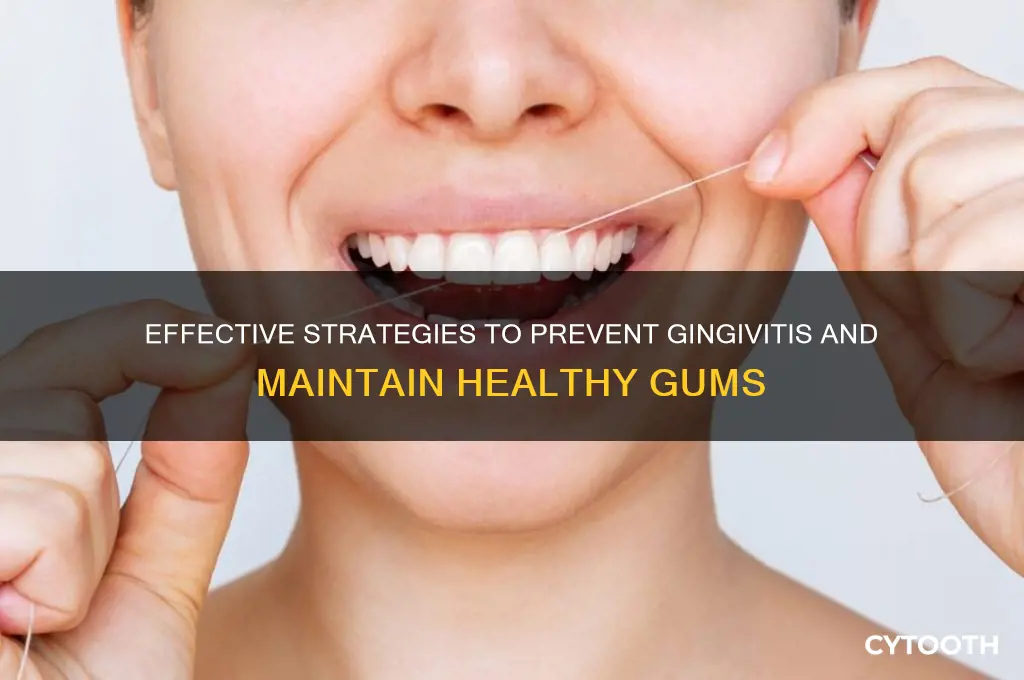
Preventing gingivitis involves maintaining good oral hygiene and adopting healthy habits to protect your gums. Regular brushing with fluoride toothpaste at least twice a day, flossing daily to remove plaque between teeth, and using an antimicrobial mouthwash can significantly reduce the risk. Additionally, scheduling routine dental check-ups and cleanings every six months allows for early detection and removal of tartar buildup. A balanced diet low in sugar and rich in vitamins and minerals, such as vitamin C, also supports gum health. Avoiding tobacco products and limiting alcohol consumption can further minimize the likelihood of developing gingivitis. By combining these practices, you can effectively safeguard your gums and prevent this common yet preventable gum disease.
| Characteristics | Values |
|---|---|
| Oral Hygiene Routine | Brush teeth twice daily with fluoride toothpaste for at least 2 minutes. |
| Flossing | Floss daily to remove plaque and food particles between teeth. |
| Mouthwash | Use an antimicrobial mouthwash to reduce plaque and gingivitis risk. |
| Regular Dental Check-ups | Visit the dentist every 6 months for cleanings and check-ups. |
| Healthy Diet | Limit sugary and acidic foods; eat more fruits, vegetables, and whole grains. |
| Hydration | Drink plenty of water to maintain saliva production and wash away debris. |
| Avoid Tobacco | Quit smoking or using tobacco products, as they increase gingivitis risk. |
| Manage Stress | Stress weakens the immune system, making gums more susceptible to infection. |
| Replace Toothbrush | Change your toothbrush every 3-4 months or sooner if bristles are frayed. |
| Proper Brushing Technique | Use gentle, circular motions and avoid aggressive brushing. |
| Address Teeth Grinding | Use a mouthguard if you grind your teeth to prevent gum damage. |
| Monitor Medications | Some medications can cause dry mouth, increasing gingivitis risk. |
| Vitamin C Intake | Ensure adequate vitamin C intake to maintain gum health. |
| Avoid Sharing Oral Items | Do not share toothbrushes, utensils, or other oral items to prevent bacterial spread. |
| Early Intervention | Address signs of gingivitis (e.g., bleeding gums) promptly with a dentist. |
What You'll Learn
- Brush teeth twice daily with fluoride toothpaste to remove plaque and bacteria effectively
- Floss daily to clean between teeth where brushes can’t reach
- Use antimicrobial mouthwash to reduce gum inflammation and kill germs
- Schedule regular dental check-ups for professional cleanings and early detection
- Maintain a balanced diet, limiting sugary foods that promote bacterial growth

Brush teeth twice daily with fluoride toothpaste to remove plaque and bacteria effectively
Brushing your teeth twice daily with fluoride toothpaste is a cornerstone of gingivitis prevention, yet its effectiveness hinges on technique and consistency. Plaque, a sticky film of bacteria, constantly forms on teeth and gums. If not removed within 24 hours, it hardens into tartar, which irritates gum tissue and triggers inflammation—the hallmark of gingivitis. Fluoride toothpaste not only strengthens enamel but also disrupts bacterial colonies, reducing their ability to adhere to teeth. The American Dental Association recommends brushing for at least two minutes each session, ensuring all surfaces—front, back, and chewing—are cleaned. Electric toothbrushes, with their oscillating or sonic action, can enhance plaque removal, particularly for those with limited dexterity or orthodontic appliances.
Consider the mechanics of brushing as a precision task, not a rushed chore. Hold your toothbrush at a 45-degree angle to the gum line, using short, gentle strokes rather than aggressive scrubbing, which can erode enamel and damage gums. Focus on one tooth at a time, systematically working your way around the mouth. For hard-to-reach areas, tilt the brush vertically and make up-and-down motions. Replace your toothbrush or electric brush head every three months, or sooner if bristles are frayed, as worn brushes are less effective at plaque removal. Children under three should use a smear of fluoride toothpaste (about the size of a grain of rice), while those aged three to six can use a pea-sized amount, supervised to prevent swallowing.
The timing of brushing matters as much as the act itself. Morning brushing eliminates bacteria that accumulate overnight, while evening brushing clears food debris and plaque before sleep, when saliva production slows and bacterial activity increases. Skipping either session allows plaque to build unchecked, elevating gingivitis risk. Pair brushing with flossing to address interdental spaces where toothbrushes can’t reach. For added protection, incorporate an antimicrobial mouthwash into your routine, but avoid those containing alcohol, which can dry out oral tissues and exacerbate irritation.
Comparing fluoride toothpaste to non-fluoride alternatives underscores its superiority in gingivitis prevention. Fluoride not only remineralizes enamel but also inhibits bacterial enzymes, reducing acid production that leads to tooth decay and gum inflammation. Studies show that regular use of fluoride toothpaste decreases gingivitis prevalence by up to 25% compared to non-fluoride options. While natural toothpastes may appeal to some, they often lack the clinical efficacy of fluoride-based formulas. For those with fluoride sensitivity, consult a dentist for alternatives like low-fluoride toothpastes or prescription-strength options.
In practice, consistency trumps all. Brushing twice daily is a non-negotiable habit, akin to wearing a seatbelt—simple yet vital. Keep a toothbrush and travel-sized toothpaste at work or in your bag to avoid missing sessions. For children, make brushing a family activity to instill lifelong habits. Track progress with a brushing chart or timer app to ensure the full two minutes are completed. Remember, gingivitis is reversible with proper care, but neglecting this daily ritual can lead to periodontitis, a more severe gum disease requiring invasive treatment. Your gums are the foundation of oral health—protect them diligently.
Does Laser Gum Surgery Hurt? Pain, Recovery, and What to Expect
You may want to see also
Floss daily to clean between teeth where brushes can’t reach
Toothbrushes, despite their importance, have limitations. They struggle to reach the tight spaces between teeth where plaque and food particles accumulate, creating a breeding ground for bacteria. This buildup irritates the gums, leading to inflammation and the early stages of gingivitis.
Flossing, a seemingly simple act, becomes a powerful weapon against this hidden enemy.
Imagine your teeth as a fortress, with plaque as the invading army. Brushing is like deploying soldiers to the walls, but flossing is sending scouts into the narrow alleys and hidden passages where the enemy lurks unseen. By physically removing plaque and debris from these interdental spaces, flossing disrupts the bacterial colony's growth and prevents it from launching a full-scale attack on your gums.
Studies consistently show that daily flossing significantly reduces gingival inflammation and bleeding, key indicators of gingivitis.
The technique is crucial. Wrap a generous length of floss around your middle fingers, leaving a few inches taut between your hands. Gently guide the floss between each tooth, forming a "C" shape around the side of the tooth. Avoid snapping the floss into the gums, as this can cause irritation. Instead, carefully move the floss up and down, reaching slightly below the gum line to dislodge any hidden plaque.
Remember, consistency is key. Aim to floss at least once daily, preferably before brushing, to loosen debris and allow toothpaste to reach deeper.
For those new to flossing, patience is essential. Gums may bleed initially, but this usually subsides within a week or two as the tissue becomes healthier. If bleeding persists or is accompanied by pain, consult your dentist. They can assess your technique and rule out any underlying issues. Children can begin flossing as soon as they have two teeth that touch. Parents can assist until the child develops the dexterity to floss independently, usually around age 10.
Flossing isn't just about preventing gingivitis; it's an investment in your overall oral health. By incorporating this simple yet effective practice into your daily routine, you're taking a proactive step towards maintaining healthy gums, fresh breath, and a confident smile. Think of it as a daily victory against the silent war raging in your mouth, one floss at a time.
Are Purple Gums Normal? Understanding Gum Color and Oral Health
You may want to see also
Use antimicrobial mouthwash to reduce gum inflammation and kill germs
Antimicrobial mouthwash serves as a targeted defense against the bacterial buildup that triggers gingivitis. Unlike cosmetic rinses, these formulations contain active ingredients like chlorhexidine, cetylpyridinium chloride, or essential oils (e.g., thymol, eucalyptol) that disrupt bacterial cell walls and inhibit plaque formation. Studies show chlorhexidine-based rinses reduce gingivitis symptoms by up to 50% when used consistently, making them a cornerstone of preventive oral care.
To maximize effectiveness, incorporate antimicrobial mouthwash into your routine as follows: Rinse with 15–20 mL undiluted solution for 30 seconds twice daily, ideally after brushing. Avoid eating or drinking for 30 minutes post-rinse to allow the active agents to fully adhere to oral surfaces. While over-the-counter options like Listerine (essential oils) are suitable for adults, chlorhexidine rinses typically require prescription and are recommended for short-term use (2–4 weeks) due to potential side effects like staining.
A common misconception is that mouthwash replaces brushing or flossing. In reality, it complements mechanical cleaning by reaching areas toothbrushes miss. For instance, interdental spaces and gum pockets harbor bacteria that contribute to inflammation. By pairing flossing with antimicrobial rinsing, you create a synergistic effect that reduces both plaque and gingival bleeding more effectively than either method alone.
Children under 6 should avoid mouthwash due to swallowing risks, but adolescents and adults can benefit significantly. For those with braces or dental prosthetics, antimicrobial rinses help mitigate the higher risk of gum irritation by controlling biofilm accumulation. However, long-term use of chlorhexidine may lead to taste alterations or brown tooth discoloration, so alternate with alcohol-free essential oil rinses for sustained prevention without adverse effects.
Ultimately, antimicrobial mouthwash is not a standalone solution but a strategic addition to a comprehensive oral hygiene regimen. When used correctly, it provides measurable reductions in gum inflammation and bacterial load, lowering the likelihood of gingivitis progression. Consistency is key—daily adherence ensures continuous protection against the microbial factors driving gum disease.
Does Gum Contouring Hurt? Pain, Recovery, and What to Expect
You may want to see also
Schedule regular dental check-ups for professional cleanings and early detection
Regular dental check-ups are a cornerstone of gingivitis prevention, yet many underestimate their power. Plaque, the primary culprit behind gum inflammation, hardens into tartar within 24-72 hours, a process that brushing and flossing alone cannot reverse. Professional cleanings, typically recommended every six months, remove this tartar buildup before it irritates the gums and triggers gingivitis. Think of it as preventative maintenance for your mouth, akin to changing your car's oil to avoid engine damage.
Skipping these appointments allows tartar to accumulate, creating a breeding ground for bacteria that inflame the gums. This inflammation, if left unchecked, progresses to gingivitis, characterized by red, swollen gums that bleed easily. Early detection during routine check-ups allows dentists to intervene before the condition worsens, preventing potential tooth loss and systemic health complications linked to gum disease.
Consider this scenario: a 35-year-old with seemingly healthy gums skips dental visits for two years. During this time, undetected tartar buildup leads to gingivitis, causing gum recession and sensitivity. A routine check-up could have identified the issue early, allowing for a simple cleaning and preventative measures to halt the progression. This example highlights the importance of proactive dental care, where regular check-ups act as a safeguard against preventable oral health problems.
For optimal results, schedule dental check-ups every six months, or as recommended by your dentist based on your individual needs. During these visits, expect a thorough cleaning to remove tartar and plaque, a comprehensive oral exam to detect early signs of gingivitis or other issues, and personalized advice on oral hygiene practices. Remember, prevention is always easier and less costly than treating advanced gum disease. By prioritizing regular dental check-ups, you invest in the long-term health of your gums and overall well-being.
Are Zyn Pouches Harmful to Your Gum Health? Find Out Now
You may want to see also
Maintain a balanced diet, limiting sugary foods that promote bacterial growth
Sugar, the silent saboteur of oral health, fuels the bacterial frenzy that leads to gingivitis. These microscopic culprits feast on sugary remnants left on teeth, producing acid as a byproduct. This acid erodes enamel, creating a breeding ground for inflammation and gum disease. Think of it as a microscopic war zone, with sugar acting as the enemy's ammunition.
Limiting sugar intake is a powerful weapon in this battle. The American Heart Association recommends no more than 25 grams of added sugar per day for women and 36 grams for men. This translates to roughly 6 teaspoons and 9 teaspoons, respectively. Imagine swapping sugary sodas for water infused with fresh fruit, or trading candy bars for crunchy vegetables like carrots or celery. These simple swaps deprive bacteria of their fuel source, starving them and protecting your gums.
However, it's not just about cutting out the obvious culprits. Hidden sugars lurk in seemingly innocent foods like flavored yogurt, breakfast cereals, and even some condiments. Reading labels becomes crucial. Look for ingredients ending in "-ose" (like sucrose or fructose) and be mindful of portion sizes. Remember, even natural sugars in dried fruit can contribute to bacterial growth if consumed in excess.
Think of your diet as a strategic battlefield. By limiting sugar intake and choosing nutrient-rich alternatives, you're not just preventing gingivitis, you're fostering a healthy oral ecosystem where beneficial bacteria thrive and harmful ones are kept at bay.
Fluoride's Role in Gum Health: Benefits, Myths, and Dental Care Tips
You may want to see also
Frequently asked questions
Brush your teeth twice a day with fluoride toothpaste, floss daily to remove plaque between teeth, and use an antimicrobial mouthwash to reduce bacteria.
A diet high in sugar and carbohydrates promotes bacterial growth, increasing the risk of gingivitis. Limit sugary snacks, sodas, and refined carbs, and instead, eat more fruits, vegetables, and whole grains.
Yes, regular dental check-ups (every 6 months) are crucial for preventing gingivitis. Dentists can remove plaque and tartar buildup and detect early signs of gum disease before it worsens.