Olivia Bennett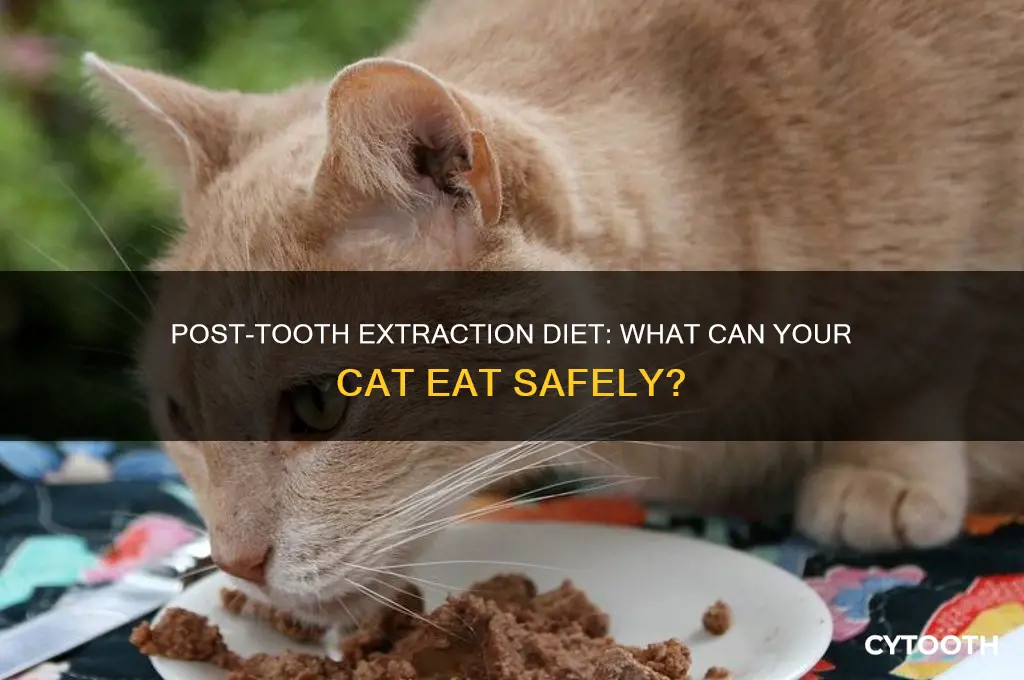
After your cat undergoes a dental procedure like extracting eight teeth, it’s natural to be concerned about their eating habits. Post-extraction, your cat may experience discomfort or swelling, which could temporarily affect their appetite. However, it’s crucial to ensure they eat to maintain their energy and aid recovery. Start by offering soft, moist, or wet food that’s easy to chew and swallow. Avoid dry kibble or hard treats that could irritate the extraction sites. Monitor your cat closely for signs of pain or refusal to eat, and consult your veterinarian if issues persist. They may recommend pain medication or additional dietary adjustments to help your cat recover comfortably.
| Characteristics | Values |
|---|---|
| Immediate Post-Surgery Feeding | Soft, moist, and easily chewable food recommended for 5-7 days. |
| Food Texture | Avoid hard, crunchy, or dry food to prevent irritation or injury. |
| Food Temperature | Serve food at room temperature or slightly warmed to avoid sensitivity. |
| Hydration | Ensure access to fresh water to prevent dehydration. |
| Appetite | Cats may have reduced appetite initially; monitor and encourage eating. |
| Pain Management | Administer prescribed pain medication to ensure comfort during eating. |
| Monitoring | Watch for signs of discomfort, bleeding, or infection during feeding. |
| Recovery Time | Full recovery typically takes 7-14 days; adjust diet as healing progresses. |
| Veterinary Guidance | Follow vet-specific instructions for diet and care post-extraction. |
| Supplements | Avoid hard treats or chews; opt for soft, vet-approved supplements if needed. |
What You'll Learn

Post-Extraction Diet Guidelines
After a cat undergoes the extraction of eight teeth, their dietary needs shift dramatically to accommodate healing and comfort. The immediate post-extraction period is critical, as the oral cavity is sensitive and prone to infection. During the first 24 to 48 hours, soft, lukewarm food is essential to minimize chewing and reduce the risk of irritation. Wet cat food, mashed canned food, or veterinary-recommended recovery diets are ideal. Avoid dry kibble, treats, or any hard items that could disrupt the extraction sites. Hydration is equally vital; ensure your cat has access to fresh water, as dehydration can slow healing.
As your cat transitions into the first week post-extraction, gradually reintroduce texture while prioritizing softness. Blend wet food with a small amount of warm water to create a puree-like consistency, or mix in a veterinary-approved liquid supplement to encourage nutrient intake. Monitor your cat’s appetite closely; reduced hunger is common due to discomfort, but persistent refusal to eat warrants a call to the veterinarian. Pain management, as prescribed by your vet, is crucial during this phase, as discomfort can deter eating. Avoid spicy, acidic, or overly flavorful foods, as these can irritate sensitive gums.
By the second week, most cats begin to tolerate slightly firmer textures, but caution is still necessary. Introduce small pieces of soft-cooked meats, such as boiled chicken or fish, ensuring they are free of bones or seasoning. Wet food should remain the primary diet, but you can mix in a minimal amount of softened kibble (soaked in warm water for 10–15 minutes) to ease the transition back to their regular diet. Observe your cat’s chewing behavior; if they show signs of discomfort or avoid certain foods, revert to softer options. Dental treats or chews should be avoided until your veterinarian confirms full healing.
Long-term dietary adjustments may be necessary, especially if the extractions were due to chronic dental issues. Cats with fewer teeth often adapt well to wet food or softened kibble as a permanent diet. For older cats or those with pre-existing conditions, consult your vet about adding supplements like omega-3 fatty acids or probiotics to support overall health. Regular dental check-ups are essential to prevent future issues and ensure your cat’s diet remains appropriate for their oral health. Patience and consistency during the post-extraction period will significantly impact your cat’s recovery and long-term well-being.
Lidocaine in Surgical Tooth Extractions: Uses, Safety, and Effectiveness
You may want to see also
Soft Food Recommendations
After a cat undergoes a significant dental procedure like extracting eight teeth, their diet must shift to accommodate their new oral limitations. Soft foods become essential to ensure they receive adequate nutrition without causing further discomfort or complications. The key is to provide meals that are easy to chew and swallow, minimizing stress on the healing gums and jaw. Here’s a focused guide on soft food recommendations tailored for post-extraction care.
Analytical Approach: Cats recovering from dental surgery often experience pain, swelling, and sensitivity, making hard kibble impractical. Soft foods not only alleviate discomfort but also encourage hydration, as many options contain higher moisture content. Wet canned food, for instance, is a natural choice due to its texture and water-rich composition. However, not all wet foods are created equal—opt for pâté-style varieties rather than chunks in gravy, as the smoother consistency is gentler on tender gums. Additionally, consider the protein source; lean meats like chicken or turkey are easier to digest than richer options like beef or fish, which may irritate sensitive stomachs.
Instructive Steps: To transition your cat to a soft food diet, start by warming the food slightly to enhance its aroma and make it more palatable. Serve small, frequent meals to avoid overwhelming their reduced chewing capacity. If your cat struggles with wet food alone, mix it with a small amount of warm water or low-sodium chicken broth to create a soft, gravy-like consistency. For cats that prefer variety, introduce soft-cooked vegetables like pumpkin or sweet potato, which add fiber and nutrients without requiring chewing. Always consult your veterinarian before adding new ingredients to ensure they align with your cat’s specific recovery needs.
Comparative Insight: While wet food is the go-to option, there are alternatives for cats with particular preferences or dietary restrictions. Prescription recovery diets, such as those formulated for dental health, offer balanced nutrition in an easily digestible form. These diets often include added vitamins and minerals to support healing. Another option is homemade pureed meats, though this requires careful preparation to avoid seasonings or additives that could harm your cat. Compare these choices based on your cat’s taste, nutritional requirements, and your own convenience, keeping in mind that consistency and safety are paramount during recovery.
Practical Tips: Monitor your cat’s eating habits closely during this period. If they show signs of discomfort, such as pawing at their mouth or reluctance to eat, adjust the food’s texture or temperature. For older cats or those with pre-existing health issues, consult your vet about supplementing their diet with liquid nutritional gels or appetite stimulants if needed. Gradually reintroduce firmer foods only after your vet confirms the extraction sites have healed, typically after 7–14 days. Patience and observation are key to ensuring a smooth transition back to their regular diet.
Using Listerine Post-Tooth Extraction: Safe or Risky Practice?
You may want to see also
Feeding Schedule Adjustments
After a cat undergoes the extraction of eight teeth, their feeding schedule requires careful adjustments to ensure comfort and proper healing. The immediate post-operative period is critical, as the cat’s mouth will be sensitive, and their ability to chew and swallow may be compromised. During the first 24 to 48 hours, soft, moist food is essential. Wet canned food, mashed kibble soaked in water or broth, or veterinary-recommended recovery diets are ideal. Avoid dry kibble or crunchy treats, as these can irritate the surgical sites and increase the risk of infection.
The frequency of meals should also be adjusted to accommodate the cat’s reduced appetite and energy levels. Instead of one or two large meals, offer smaller, more frequent feedings—up to four to six times a day. This approach minimizes strain on the jaw and ensures the cat receives adequate nutrition without overexertion. Monitor their eating habits closely; if they show reluctance to eat, consult your veterinarian, as pain management or appetite stimulants may be necessary.
Hydration is another critical aspect of post-extraction care. Encourage water intake by providing fresh, clean water at all times. Some cats may prefer running water, so consider using a pet fountain. If dehydration is a concern, incorporate low-sodium broths or wet food with higher moisture content into their diet. Avoid milk or dairy products, as many cats are lactose intolerant, and these can cause gastrointestinal upset.
As the cat heals—typically within 7 to 10 days—gradually reintroduce their regular diet. Start by mixing small amounts of their usual food with the soft diet, increasing the proportion over several days. Observe for signs of discomfort, such as pawing at the mouth or reluctance to chew, which may indicate lingering pain or complications. Always follow your veterinarian’s guidance on when and how to transition back to normal feeding.
Finally, maintain a consistent feeding routine to reduce stress and promote recovery. Cats thrive on predictability, and a structured schedule helps them feel secure during a vulnerable time. Keep mealtimes calm and quiet, and avoid sudden changes in diet or environment. With patience and attention to these adjustments, your cat can recover comfortably and return to their normal eating habits.
Can an Infected Tooth Be Extracted? Risks, Benefits, and Recovery Explained
You may want to see also
Pain Management Tips
Post-extraction pain in cats is a delicate balance—manage it poorly, and your cat risks complications; handle it well, and recovery becomes smoother. Pain signals the body to protect itself, but unchecked discomfort can lead to stress, reduced appetite, and slower healing. Cats are masters at masking pain, so subtle signs like decreased grooming, altered posture, or reluctance to jump may be your only clues. Addressing pain isn’t just humane—it’s essential for ensuring your cat eats, drinks, and heals properly after a major procedure like an eight-tooth extraction.
Step one: Administer prescribed medications precisely. Veterinarians typically recommend non-steroidal anti-inflammatory drugs (NSAIDs) like meloxicam or opioids such as buprenorphine for feline dental pain. Dosages are weight-specific—for instance, meloxicam is often given at 0.05 mg/kg once daily. Never use human pain relievers like ibuprofen or acetaminophen; they’re toxic to cats. Follow the vet’s instructions strictly, as overdosing or underdosing can lead to organ damage or inadequate pain control. If your cat vomits within an hour of medication, contact your vet before redosing.
Step two: Create a stress-free environment to minimize discomfort. Cats in pain seek quiet, secure spaces. Set up a cozy recovery area away from household activity, with a soft bed, water bowl, and litter box nearby. Elevate the bed slightly to reduce jaw strain when resting. Avoid handling the cat excessively, especially around the mouth, and keep other pets at a distance to prevent accidental bumps or nips. Temperature control matters too—keep the area warm but not stuffy, as cats under anesthesia may struggle to regulate body heat.
Step three: Modify food and water access to encourage intake. Painful chewing can deter eating, so soften kibble with warm water or switch to a high-quality wet food temporarily. Warm the food slightly to enhance aroma and palatability, but avoid hot temperatures that could burn sensitive gums. Place shallow water bowls at multiple locations to minimize head movement. For severely reluctant eaters, syringe-feed a liquid diet or critical care formula under vet guidance. Ensure hydration by monitoring gum moisture—dry, tacky gums signal dehydration requiring immediate attention.
Caution: Monitor for adverse reactions and adjust care accordingly. Watch for signs of medication intolerance, such as lethargy, diarrhea, or excessive drooling, and report these to your vet promptly. Be vigilant for infection indicators like pus, swelling, or foul breath, which could worsen pain and complicate healing. If your cat shows persistent distress despite medication, contact your vet—they may recommend additional pain management strategies or examine for underlying issues like a dry socket or nerve damage.
Invisalign and Tooth Extraction: Can They Work Together Effectively?
You may want to see also
Monitoring Recovery Signs
After a cat undergoes the extraction of eight teeth, monitoring their recovery is crucial to ensure they heal properly and return to their normal eating habits. The first 24 to 48 hours are critical, as this is when swelling, discomfort, and potential complications are most likely to occur. During this period, observe your cat’s behavior closely for signs of excessive pain, such as prolonged lethargy, refusal to eat or drink, or vocalization when touched. Administer pain medication as prescribed by your veterinarian, typically every 12 to 24 hours, depending on the medication. For example, buprenorphine, a common feline pain reliever, is often given at a dosage of 0.01 to 0.02 mg/kg sublingually or orally, but always follow your vet’s specific instructions.
As your cat begins to eat again, start with soft, palatable foods that require minimal chewing, such as wet food, baby food (without onions or garlic), or veterinary recovery diets. Gradually reintroduce their regular diet over 3 to 5 days, monitoring for signs of discomfort or reluctance to eat. Watch for subtle cues like pawing at the mouth, drooling, or avoiding hard kibble, which may indicate lingering pain or sensitivity. If your cat is older (over 10 years) or has pre-existing health conditions, recovery may take longer, and they may require additional support, such as warmed food to enhance aroma and appetite.
Hydration is another critical aspect of recovery. Ensure your cat has easy access to fresh water, and consider offering low-sodium chicken broth or wet food with added water to encourage fluid intake. Dehydration can exacerbate recovery issues, particularly in cats who are eating less than usual. Signs of dehydration include dry gums, lethargy, and skin tenting (when gently pinched skin does not return to normal quickly). If you suspect dehydration, contact your veterinarian promptly, as subcutaneous fluids may be necessary.
Finally, monitor the surgical site for signs of infection, such as redness, swelling, discharge, or a foul odor. While mild swelling is normal for the first few days, worsening symptoms or fever (above 102.5°F or 39.2°C) warrant immediate veterinary attention. Keep your cat from pawing or licking the extraction sites, as this can introduce bacteria and delay healing. An Elizabethan collar or bitter-tasting topical deterrent may be necessary, especially in curious or persistent cats. By staying vigilant and responsive to these recovery signs, you can help your cat heal comfortably and safely.
Can Inner Ear Bones Break During Tooth Extraction? Facts Revealed
You may want to see also
Frequently asked questions
It’s best to wait at least 2-4 hours after the procedure before offering food, as anesthesia can cause nausea or disorientation. Start with small amounts of soft, wet food to avoid discomfort.
Provide soft, moist, and easily chewable food like wet cat food or canned food. Avoid dry kibble, hard treats, or crunchy items that could irritate the extraction site.
Monitor your cat’s eating habits for at least 3-5 days. Watch for signs of pain, reluctance to eat, or swelling around the mouth. Contact your vet if you notice any issues.