Hailey Morgan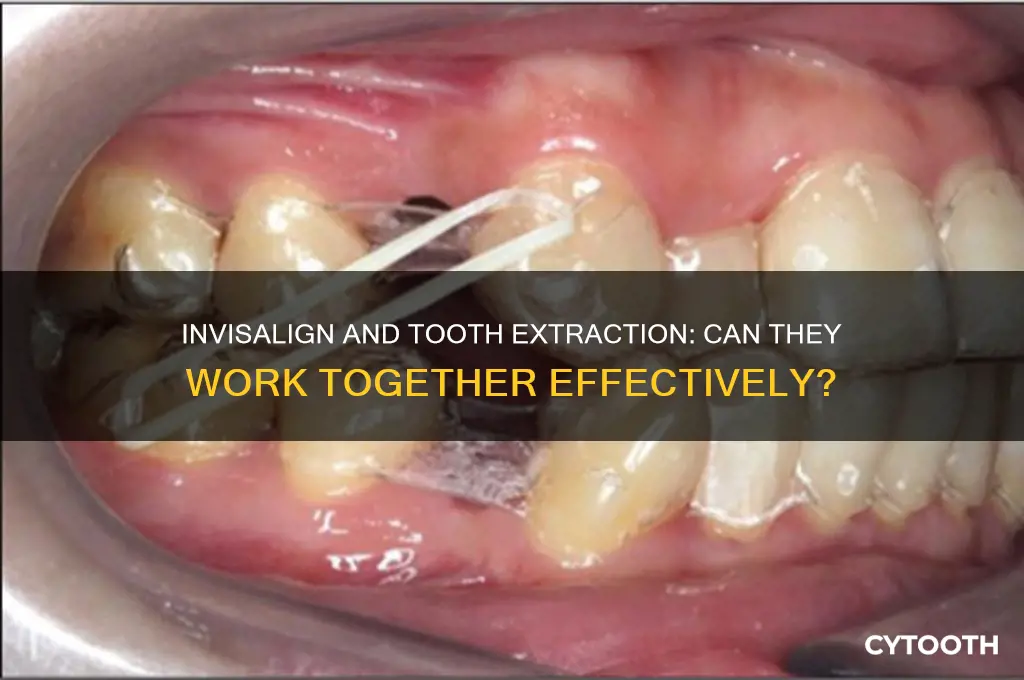
Invisalign, a popular alternative to traditional braces, is often considered for its convenience and aesthetic appeal, but many patients wonder if it can effectively work in conjunction with tooth extraction. The answer is yes, Invisalign can indeed be used after or even during the process of tooth extraction, provided that the treatment plan is carefully tailored to the individual’s needs. When a tooth is extracted, the resulting gap can be managed by Invisalign aligners, which gradually shift the surrounding teeth into proper alignment. This process requires precise planning by an orthodontist or dentist, who will use advanced imaging and software to map out the movement of teeth over time. However, the success of Invisalign with tooth extraction depends on factors such as the reason for the extraction, the patient’s oral health, and the specific alignment goals. In some cases, additional procedures or adjustments may be necessary to ensure optimal results. Ultimately, consulting with a qualified professional is essential to determine if Invisalign is the right choice for your unique situation.
| Characteristics | Values |
|---|---|
| Compatibility | Invisalign can work with tooth extraction in many cases. |
| Purpose of Extraction | Often done for overcrowding, orthodontic preparation, or dental health. |
| Treatment Planning | Customized treatment plan required to account for the extraction gap. |
| Alignment Process | Invisalign gradually shifts teeth into proper position post-extraction. |
| Timeline | Treatment duration may vary; extraction can extend the overall timeline. |
| Attachment Use | SmartForce attachments or other aids may be used to control tooth movement. |
| Follow-Up Extractions | Multiple extractions may be phased into the treatment plan. |
| Success Rate | High success rate when planned and executed by an experienced orthodontist. |
| Patient Suitability | Suitable for most patients, depending on individual dental needs. |
| Post-Extraction Care | Proper healing of extraction site is essential before starting Invisalign. |
| Cost Implications | Extraction may add to the overall cost of Invisalign treatment. |
| Alternatives | Traditional braces or other orthodontic methods may be considered. |
| Orthodontist Consultation | Required to assess feasibility and plan treatment effectively. |
| Aesthetic Impact | Invisalign remains discreet, even with extraction gaps. |
| Maintenance | Regular check-ups and compliance with treatment plan are crucial. |
| Long-Term Results | Effective in achieving desired alignment post-extraction. |
What You'll Learn

Invisalign after extraction healing
Invisalign treatment can indeed proceed after a tooth extraction, but the timing and approach depend heavily on the healing process and the orthodontic goals. Typically, it’s advisable to wait at least 6–8 weeks post-extraction before starting Invisalign. This allows the extraction site to heal sufficiently, reducing the risk of infection or complications. During this waiting period, the alveolar bone begins to remodel, creating a stable foundation for the aligners to work effectively. Rushing into treatment too soon can disrupt healing and compromise results, so patience is key.
The extraction site plays a crucial role in Invisalign planning, especially if the removed tooth was part of the treatment area. Orthodontists often use this opportunity to close gaps or shift teeth into optimal positions. For instance, if a premolar is extracted to alleviate crowding, Invisalign aligners are designed to gradually move adjacent teeth into the vacant space. However, this requires precise timing and alignment adjustments, often involving additional attachments or elastics to guide tooth movement. Regular check-ins during this phase ensure the treatment stays on track.
Healing while wearing Invisalign requires careful attention to oral hygiene and aligner maintenance. Patients must avoid placing aligners over an open extraction site until it’s fully closed, as this can trap bacteria and hinder healing. Once the site is healed, aligners should be worn as prescribed—20–22 hours daily—to maintain treatment progress. Cleaning aligners with mild soap and warm water, not hot water, prevents warping. Additionally, rinsing with saltwater or an alcohol-free mouthwash can soothe the extraction site and promote healing without damaging the aligners.
A common concern is discomfort during the initial stages of Invisalign after extraction. While aligners are generally less painful than traditional braces, the combination of healing tissues and tooth movement can cause sensitivity. Over-the-counter pain relievers like ibuprofen (200–400 mg every 6 hours) can help manage discomfort. Applying orthodontic wax to any sharp aligner edges or using a soft-bristle toothbrush around the extraction site minimizes irritation. Staying hydrated and avoiding hard or sticky foods further supports both healing and aligner effectiveness.
Ultimately, successful Invisalign treatment after extraction hinges on coordination between the patient, orthodontist, and oral surgeon. A well-timed treatment plan, coupled with diligent aftercare, ensures optimal results. Patients should communicate any concerns or unusual symptoms promptly, as early intervention can prevent setbacks. With proper management, Invisalign not only addresses alignment issues but also leverages the extraction to enhance overall dental aesthetics and function.
Post-Extraction Infections: Causes, Symptoms, and Prevention Tips Explained
You may want to see also
Aligner adjustments post-extraction
Invisalign treatment often continues seamlessly after tooth extraction, but aligner adjustments are crucial to accommodate the new dental landscape. Once a tooth is removed, the adjacent teeth may begin to shift, altering the planned alignment trajectory. Orthodontists typically schedule a follow-up appointment within 4–6 weeks post-extraction to assess healing and modify the treatment plan. During this visit, digital scans or impressions are taken to update the 3D model of your teeth, ensuring aligners fit accurately and continue to apply the necessary pressure. Without these adjustments, the treatment may stall or lead to undesirable outcomes, such as uneven spacing or misalignment.
The process of aligner adjustments post-extraction involves more than just resizing the trays. Orthodontists may need to reprogram the treatment sequence to account for the gap left by the extracted tooth. For instance, if a premolar is removed, the aligners might be redesigned to close the space gradually by moving adjacent teeth into position. This requires precise planning, often involving software simulations to predict tooth movement. Patients should expect to receive a new series of aligners tailored to this updated plan, which may extend the overall treatment timeline by a few months.
One practical tip for patients undergoing this process is to maintain consistent wear of aligners, even if they feel loose initially after an extraction. The aligners help stabilize the surrounding teeth and prevent unwanted shifting during the healing phase. Additionally, using chewies or performing recommended exercises can aid in seating the aligners properly, ensuring optimal contact with the teeth. Patients should also avoid excessive pressure on the extraction site, such as chewing hard foods, to prevent complications that could delay treatment.
A comparative analysis reveals that traditional braces often require more invasive adjustments post-extraction, such as adding or removing brackets and wires. Invisalign, however, offers a more flexible approach, as aligners can be easily modified and replaced. This makes it a preferable option for patients who anticipate extractions during their orthodontic journey. That said, the success of aligner adjustments hinges on patient compliance and regular monitoring by the orthodontist. Skipping appointments or neglecting to wear aligners as directed can undermine the entire treatment.
In conclusion, aligner adjustments post-extraction are a critical component of Invisalign treatment following tooth removal. They ensure the treatment remains on track by addressing the immediate changes in tooth positioning and planning for long-term alignment goals. Patients should stay proactive in their care, following their orthodontist’s guidance and attending all scheduled appointments. With proper adjustments, Invisalign can effectively work in conjunction with extractions, delivering the desired results without compromising dental health.
Can Inner Ear Bones Break During Tooth Extraction? Facts Revealed
You may want to see also
Extraction timing for Invisalign
Invisalign treatment can indeed accommodate tooth extractions, but the timing of the extraction is crucial for optimal results. Extracting a tooth before starting Invisalign allows the orthodontist to plan the entire treatment around the new dental configuration, ensuring that the remaining teeth are aligned correctly without the extracted tooth’s interference. This approach is particularly beneficial for cases where overcrowding is the primary reason for extraction, as it provides immediate space for the aligners to work effectively. However, this method requires patience, as the extraction site must heal sufficiently before aligners are fitted, typically delaying the start of treatment by 4–6 weeks.
Alternatively, extracting a tooth during Invisalign treatment is a more complex but feasible option. This approach is often chosen when extraction becomes necessary mid-treatment due to unforeseen issues, such as severe decay or periodontal disease. The orthodontist will pause treatment, perform the extraction, and then modify the treatment plan to account for the new space. This method requires precise coordination to ensure the remaining aligners still achieve the desired tooth movements. Patients should expect a temporary disruption in their treatment timeline, with healing and adjustments adding 1–2 months to the overall process.
A third option is to extract a tooth after Invisalign treatment, though this is less common and typically reserved for cases where extraction is not immediately necessary. This approach allows the patient to complete their Invisalign treatment uninterrupted, but it requires a separate orthodontic intervention post-treatment to address the extracted space. This method may involve additional treatments like a retainer with a fake tooth (pontic) or further alignment adjustments, making it less efficient than the other two options.
For patients considering extraction timing, age and bone density play a significant role. Younger patients (teens and early adults) often heal faster and adapt more readily to orthodontic changes post-extraction. Older adults may experience slower healing and require more cautious planning to avoid complications like bone loss. Orthodontists typically recommend a soft diet and gentle oral hygiene practices during the healing phase to prevent irritation at the extraction site.
In conclusion, the timing of tooth extraction in relation to Invisalign treatment depends on individual needs, treatment goals, and orthodontic recommendations. Pre-treatment extraction offers a streamlined approach, mid-treatment extraction requires flexibility, and post-treatment extraction demands additional planning. Regardless of the timing, open communication with your orthodontist is essential to ensure the extraction complements rather than complicates your Invisalign journey.
Immediate Dental Implants: Can You Replace Extracted Teeth Right Away?
You may want to see also
Invisalign success with missing teeth
Invisalign's adaptability shines when addressing missing teeth, a scenario often arising from extractions due to decay, injury, or orthodontic needs. The clear aligners are custom-designed to fit the unique contours of your mouth, including gaps left by extracted teeth. This precision ensures that the remaining teeth are gradually shifted into optimal alignment, preventing issues like misalignment, bite problems, or uneven wear that can occur when a tooth is missing. The key lies in the treatment plan, which must account for the gap and strategically guide adjacent teeth into their new positions without compromising the overall structure.
Consider a patient who had a molar extracted due to severe decay. Invisalign can be tailored to close the gap by moving neighboring teeth into the empty space, provided there is sufficient bone support and the surrounding teeth are healthy. The process requires careful planning, often involving digital simulations to predict tooth movement and ensure stability. For instance, if the extraction site is in the anterior region, the aligners might focus on closing the gap by moving the adjacent teeth mesially, while posterior gaps may involve more complex movements to maintain proper occlusion.
One critical factor for success is timing. Starting Invisalign treatment shortly after an extraction can be advantageous, as the bone and surrounding tissues are more adaptable. However, it’s essential to wait until the extraction site has healed sufficiently, typically 8–12 weeks, to avoid complications. During this period, a temporary placeholder, such as a removable partial denture, can be used to maintain space and aesthetics. Once the site is healed, the aligners can be adjusted to accommodate the gap and begin the realignment process.
Patients with missing teeth should also be aware of potential challenges. For example, large gaps or multiple missing teeth may require additional interventions, such as implants or bridges, to achieve optimal results. Invisalign alone may not suffice in such cases, but it can work in conjunction with other treatments to create a comprehensive solution. Regular follow-ups with your orthodontist are crucial to monitor progress and make adjustments as needed, ensuring the treatment stays on track despite the complexities introduced by missing teeth.
In conclusion, Invisalign can indeed work effectively with tooth extraction, but success hinges on meticulous planning, timing, and patient-specific factors. By leveraging advanced technology and a tailored approach, Invisalign not only addresses the gap left by a missing tooth but also improves overall dental alignment and function. For those considering this option, consulting with an experienced orthodontist is essential to determine the feasibility and design a treatment plan that meets individual needs. With the right strategy, Invisalign can transform a smile even when teeth are missing, offering a discreet and effective solution for achieving long-term dental health.
Can Infections Lead to Bleeding After Tooth Extraction? Find Out Here
You may want to see also
Extraction impact on treatment duration
Tooth extraction can significantly alter the timeline of Invisalign treatment, often extending the duration by several months. When a tooth is removed, the surrounding teeth begin to shift into the vacant space, a process that can complicate the precise movements planned by Invisalign aligners. This natural migration requires additional phases of treatment to realign the teeth according to the original orthodontic goals. For instance, a patient who undergoes extraction of a premolar might need an extra 3 to 6 months of aligner wear to achieve the desired outcome, depending on the complexity of the case and the speed of dental movement.
The impact of extraction on treatment duration is not uniform; it varies based on factors like the patient’s age, bone density, and the specific tooth extracted. Younger patients, particularly teenagers, may experience faster dental movement due to more responsive bone tissue, potentially reducing the added treatment time. Conversely, adults with denser bone structures may face longer delays. For example, extraction of a first premolar, a common choice in orthodontic cases, typically requires more time to manage than the extraction of a second premolar due to its larger root structure and greater influence on adjacent teeth.
Orthodontists often incorporate strategic planning to mitigate delays caused by extractions. This includes designing aligners that account for anticipated tooth movement into the extraction site or using attachments and elastics to guide teeth more efficiently. Patients can also play a role in minimizing treatment extensions by adhering strictly to aligner wear schedules (20–22 hours per day) and attending regular check-ups to monitor progress. Failure to comply can exacerbate delays, as inconsistent aligner use slows down tooth movement and disrupts the treatment plan.
Comparatively, cases without extractions often proceed more predictably, with treatment times averaging 12 to 18 months for adults. However, extractions can sometimes be necessary to achieve optimal results, particularly in cases of severe crowding or bite issues. While the prospect of a longer treatment may seem daunting, the long-term benefits of a properly aligned bite and improved dental health often outweigh the temporary inconvenience. Patients should discuss their concerns with their orthodontist, who can provide a customized timeline and strategies to streamline the process.
In conclusion, while tooth extraction can extend Invisalign treatment duration, proactive planning and patient cooperation can help manage this challenge effectively. Understanding the variables at play—from bone density to tooth type—allows both orthodontists and patients to set realistic expectations and work collaboratively toward achieving a successful outcome. With the right approach, Invisalign remains a viable and effective option even in cases requiring extractions.
Infected Tooth Extraction: Link to Swollen Tonsils Explained
You may want to see also
Frequently asked questions
Yes, Invisalign can work with tooth extraction. Your orthodontist will create a customized treatment plan to address the gap left by the extracted tooth, gradually moving the surrounding teeth into proper alignment.
Tooth extraction may extend your Invisalign treatment time, as the process of closing the gap and aligning the teeth requires additional adjustments. Your orthodontist will provide a timeline based on your specific needs.
Yes, Invisalign can effectively close the gap created by a tooth extraction. The aligners are designed to move teeth into the desired position, including shifting adjacent teeth to fill the space left by the extracted tooth.
It’s typically recommended to wait a few weeks after a tooth extraction to allow the extraction site to heal before starting Invisalign. Your orthodontist will advise the best timing based on your oral health.