Hailey Morgan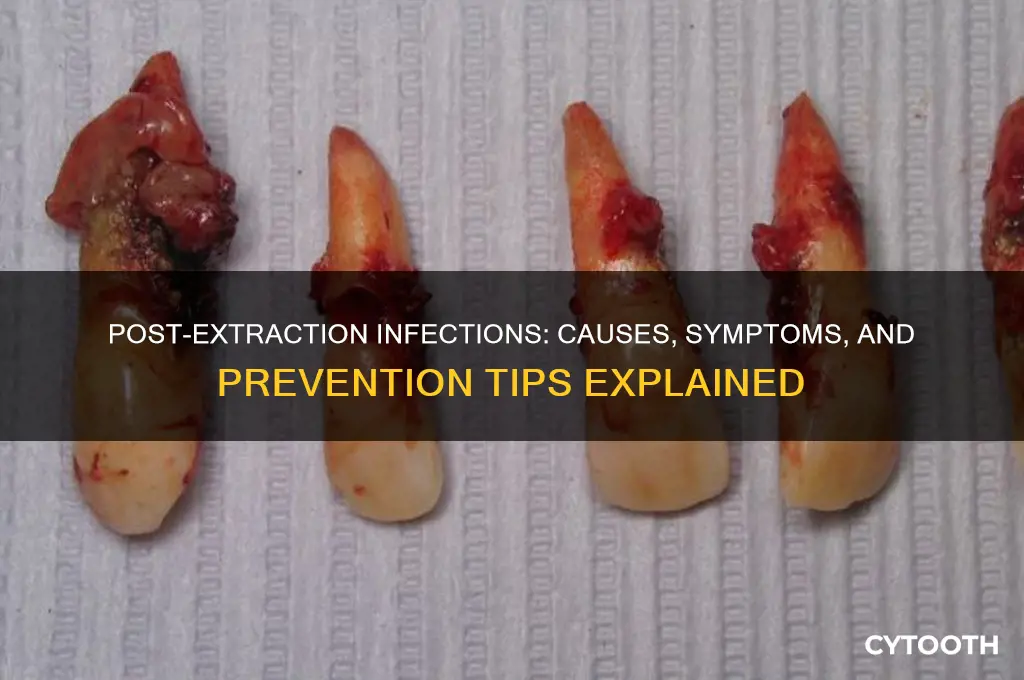
Infection after a tooth extraction is a common concern for many patients, as the procedure creates an open wound in the mouth that is susceptible to bacterial invasion. While proper post-operative care can significantly reduce the risk, factors such as poor oral hygiene, compromised immune systems, or failure to follow aftercare instructions can increase the likelihood of infection. Symptoms of a post-extraction infection may include persistent pain, swelling, fever, foul taste or odor, and discharge of pus from the extraction site. Understanding the causes, signs, and preventive measures is crucial for ensuring a smooth recovery and minimizing complications following a tooth extraction.
| Characteristics | Values |
|---|---|
| Can infection occur after extraction? | Yes, infection is a potential complication following a tooth extraction. |
| Common Types of Infections | - Dry Socket (Alveolar Osteitis): Most common post-extraction infection, caused by loss of blood clot or exposure of bone. |
| - Bacterial Infections: Caused by bacteria entering the extraction site, leading to swelling, pain, and pus. | |
| Risk Factors | - Poor oral hygiene, smoking, weakened immune system, diabetes, inadequate post-operative care, difficult extractions, or pre-existing oral infections. |
| Symptoms of Infection | - Persistent or worsening pain after 2-3 days, foul taste or odor, fever, swelling, redness, pus discharge, difficulty opening mouth, swollen lymph nodes. |
| Onset Time | Symptoms typically appear 2-3 days after extraction but can occur earlier or later depending on the type of infection. |
| Prevention Measures | - Follow post-operative care instructions (e.g., avoid smoking, rinsing vigorously, or using straws), maintain good oral hygiene, and take prescribed antibiotics or pain medications as directed. |
| Treatment Options | - Dry Socket: Cleaning the socket, medicated dressing, and pain management. |
| - Bacterial Infections: Antibiotics, drainage of abscess, warm salt water rinses, and pain relievers. | |
| When to Seek Medical Attention | Immediately consult a dentist if symptoms of infection appear, especially if there is severe pain, fever, or spreading swelling. |
| Prognosis | Most infections resolve with prompt and appropriate treatment. Complications are rare but can include spread of infection to surrounding tissues or bloodstream (sepsis). |
| Latest Data (as of 2023) | Studies emphasize the importance of patient education on post-extraction care and early recognition of infection symptoms to reduce complications. |
What You'll Learn
- Signs of Infection: Redness, swelling, pus, fever, or severe pain post-extraction indicate possible infection
- Common Causes: Bacteria entering the socket, poor oral hygiene, or compromised immunity can cause infection
- Prevention Tips: Follow aftercare instructions, rinse gently, avoid smoking, and maintain oral cleanliness to prevent infection
- Treatment Options: Antibiotics, saltwater rinses, or dental drainage are common treatments for post-extraction infections
- When to Seek Help: Consult a dentist immediately if symptoms worsen or persist beyond 3-4 days?

Signs of Infection: Redness, swelling, pus, fever, or severe pain post-extraction indicate possible infection
After a tooth extraction, the body naturally begins the healing process, but sometimes complications arise. Redness around the extraction site is one of the earliest signs of a potential infection. This isn’t the mild pinkness that often accompanies initial healing; instead, it’s a deeper, more pronounced redness that may spread beyond the immediate area. If you notice this, it’s crucial to monitor the site closely and consult your dentist, as early intervention can prevent the infection from worsening.
Swelling is another common indicator, but it’s important to differentiate between normal post-extraction swelling and that caused by infection. Normal swelling typically peaks within 48 hours and gradually subsides. Infected swelling, however, may persist, increase in size, or feel warm to the touch. Applying a cold compress can help reduce initial swelling, but if it doesn’t improve or worsens, seek professional care immediately.
The presence of pus is a definitive red flag. Pus, a thick, yellowish-white fluid, indicates that the body is fighting an infection. If you notice pus draining from the extraction site or see it when gently rinsing with warm salt water, contact your dentist promptly. They may prescribe antibiotics or perform a drainage procedure to clear the infection.
Fever and severe pain are systemic signs that the infection may be spreading. A low-grade fever (above 100.4°F or 38°C) coupled with intense, throbbing pain that doesn’t respond to over-the-counter pain relievers (e.g., ibuprofen 600 mg every 6 hours, as directed by a dentist) warrants urgent attention. These symptoms suggest the infection has progressed beyond the localized area and may require stronger interventions, such as intravenous antibiotics.
To minimize the risk of infection, follow post-extraction care instructions meticulously: avoid smoking, refrain from using straws for 24–48 hours, and gently rinse with warm salt water (1/2 teaspoon of salt in 8 ounces of water) starting 24 hours after the procedure. If any of these signs appear, act swiftly—infections after tooth extraction, while treatable, can escalate quickly if left unaddressed.
Can an Infected Tooth Be Extracted? Risks, Benefits, and Recovery Explained
You may want to see also
Common Causes: Bacteria entering the socket, poor oral hygiene, or compromised immunity can cause infection
Infections after tooth extractions are often the result of bacteria infiltrating the empty socket, a condition known as a dry socket. This occurs when the blood clot that forms post-extraction is dislodged or dissolves prematurely, exposing the underlying bone and nerves. The oral cavity is teeming with bacteria, and while many are harmless, certain strains can cause significant issues if they gain access to the vulnerable socket. For instance, *Streptococcus* and *Staphylococcus* species are common culprits, thriving in the warm, moist environment of the mouth. Understanding this mechanism is crucial, as it highlights the importance of protecting the blood clot during the initial healing phase.
Poor oral hygiene exacerbates the risk of infection by providing an ideal breeding ground for harmful bacteria. Plaque and food debris accumulate around the extraction site, fostering bacterial growth. Patients who neglect post-operative care, such as gentle rinsing with salt water or avoiding vigorous brushing near the socket, are particularly susceptible. A study published in the *Journal of Oral and Maxillofacial Surgery* found that patients with inadequate oral hygiene were three times more likely to develop infections after extractions. Simple measures, like using a soft-bristled toothbrush and antimicrobial mouthwash, can significantly reduce this risk.
Compromised immunity further amplifies the likelihood of post-extraction infections. Individuals with conditions like diabetes, HIV, or those undergoing chemotherapy have weakened immune systems, making it harder for their bodies to fend off bacterial invaders. For example, diabetics often experience delayed wound healing due to poor blood circulation, increasing the risk of infection. Similarly, medications that suppress the immune system, such as corticosteroids, can hinder the body’s ability to combat bacteria. Patients in these categories should consult their dentist or physician for tailored post-extraction care, which may include prophylactic antibiotics or more frequent follow-up appointments.
Preventing infection requires a multi-faceted approach. First, follow your dentist’s instructions meticulously, including pain management and activity restrictions. Avoid smoking or using straws for at least 72 hours post-extraction, as suction can dislodge the blood clot. Maintain a soft diet and stay hydrated to promote healing. If you notice symptoms like persistent pain, foul odor, or pus discharge, seek immediate dental care. Early intervention, such as irrigation of the socket or prescription antibiotics, can prevent minor issues from escalating into serious infections. By addressing the root causes—bacterial invasion, poor hygiene, and weakened immunity—patients can significantly reduce their risk and ensure a smooth recovery.
Immediate Dental Implants: Can You Replace Extracted Teeth Right Away?
You may want to see also
Prevention Tips: Follow aftercare instructions, rinse gently, avoid smoking, and maintain oral cleanliness to prevent infection
Infections after tooth extractions are a real concern, with studies showing they can occur in up to 5% of cases. The mouth is a breeding ground for bacteria, and an extraction site is an open invitation for these microorganisms to cause trouble. However, by following a few simple prevention tips, you can significantly reduce your risk.
Aftercare instructions are your roadmap to recovery. These guidelines, provided by your dentist, are tailored to your specific procedure and healing process. They typically include details on pain management, diet restrictions, and oral hygiene practices. For instance, you might be advised to avoid hot liquids and strenuous activity for the first 24 hours, and to stick to soft foods for a few days. Ignoring these instructions can lead to complications, including infection.
Rinsing is a delicate balance. While it's crucial to keep the extraction site clean, aggressive rinsing can dislodge the blood clot that forms in the socket, leading to a painful condition called dry socket. Instead, gently rinse your mouth with a warm saltwater solution (1/2 teaspoon of salt in a cup of warm water) after meals and before bed. This helps reduce bacteria and promote healing without disturbing the clot. Start this practice 24 hours after the extraction, as rinsing too soon can also dislodge the clot.
Smoking is a major risk factor for infection. The chemicals in cigarette smoke impair blood flow, slow healing, and introduce harmful bacteria to the extraction site. If you smoke, it's essential to quit or at least abstain for at least 72 hours after the procedure. Even secondhand smoke can hinder recovery, so avoid smoky environments during this critical period.
Maintaining oral cleanliness is a team effort. While the extraction site requires gentle care, the rest of your mouth still needs regular attention. Continue brushing your teeth twice a day, being careful to avoid the extraction area. You can also use an antiseptic mouthwash, but check with your dentist first, as some products may irritate the site. Additionally, consider using a soft-bristled toothbrush to minimize irritation. By keeping your mouth clean, you reduce the overall bacterial load, making it less likely for an infection to take hold.
By following these prevention tips – adhering to aftercare instructions, rinsing gently with saltwater, avoiding smoking, and maintaining oral cleanliness – you can create an environment that discourages bacterial growth and promotes healing. Remember, the first few days after a tooth extraction are critical, so be vigilant and don't hesitate to contact your dentist if you notice any signs of infection, such as persistent pain, swelling, or discharge. With proper care, you can minimize the risk of complications and ensure a smooth recovery.
Infected Tooth Extraction: Link to Swollen Tonsils Explained
You may want to see also
Treatment Options: Antibiotics, saltwater rinses, or dental drainage are common treatments for post-extraction infections
Infections following a tooth extraction, though not inevitable, are a recognized complication that can arise due to bacterial invasion of the extraction site. When such infections occur, prompt and appropriate treatment is essential to prevent further complications like abscess formation or systemic spread. Among the most effective interventions are antibiotics, saltwater rinses, and dental drainage, each serving a distinct purpose in managing the infection and promoting healing.
Antibiotics: The Frontline Defense
Antibiotics are often the first line of treatment for post-extraction infections, particularly when there is evidence of systemic involvement, such as fever, swelling, or lymphadenopathy. Commonly prescribed antibiotics include amoxicillin (500 mg every 8 hours for adults) or clindamycin (300 mg every 6 hours for those allergic to penicillin). The choice of antibiotic depends on the suspected pathogen and patient-specific factors like allergies or pregnancy. It’s crucial to complete the full course of antibiotics, even if symptoms improve, to prevent antibiotic resistance and recurrence. However, antibiotics alone may not suffice if a localized abscess has formed, necessitating adjunctive measures.
Saltwater Rinses: A Simple Yet Effective Adjunct
Saltwater rinses are a time-honored, non-invasive method to reduce inflammation and promote wound healing. Dissolve ½ teaspoon of salt in 8 ounces of warm water and gently rinse the mouth for 30 seconds, focusing on the extraction site. This practice helps remove debris, reduce bacterial load, and soothe irritated tissues. Saltwater rinses are particularly useful in the early stages of infection or as a preventive measure post-extraction. However, they are not a standalone treatment for established infections and should be used in conjunction with other therapies. Avoid vigorous rinsing, especially in the first 24 hours after extraction, to prevent dislodging the blood clot and causing a dry socket.
Dental Drainage: When Abscesses Require Intervention
When an infection progresses to form an abscess, dental drainage becomes necessary to remove pus and relieve pressure. This procedure involves creating a small incision in the gum tissue or abscess to allow drainage, often performed under local anesthesia. Drainage is critical to prevent the infection from spreading to surrounding tissues or entering the bloodstream. Following drainage, the area is often packed with iodine-soaked gauze to facilitate continued drainage and prevent reaccumulation of pus. Patients may experience immediate relief from pain and swelling post-procedure, but follow-up care, including antibiotics and saltwater rinses, is typically recommended to ensure complete resolution.
Comparative Considerations and Practical Tips
While antibiotics target systemic infection, saltwater rinses provide localized relief, and dental drainage addresses abscesses directly. The choice of treatment depends on the infection’s severity and stage. For mild infections, saltwater rinses and close monitoring may suffice, whereas severe cases often require a combination of antibiotics and drainage. Practical tips include maintaining oral hygiene, avoiding smoking (which impairs healing), and attending follow-up appointments to monitor progress. Early intervention is key—ignoring symptoms like persistent pain, swelling, or foul taste can lead to complications that are more difficult to treat.
In summary, post-extraction infections demand tailored treatment strategies. Antibiotics combat systemic spread, saltwater rinses aid in localized care, and dental drainage addresses abscesses. By understanding these options and their applications, patients and providers can effectively manage infections, ensuring optimal healing and preventing long-term complications.
When to Seek Help: Consult a dentist immediately if symptoms worsen or persist beyond 3-4 days
After a tooth extraction, the body’s natural healing process typically begins within hours, with most discomfort peaking around day 3 and gradually subsiding. However, if symptoms such as pain, swelling, or discharge worsen or persist beyond 3–4 days, it may signal an infection. Infections can arise from bacteria entering the extraction site, improper aftercare, or a compromised immune system. Recognizing these signs early is crucial, as untreated infections can lead to complications like dry socket, abscesses, or systemic issues.
Analytical Perspective:
The 3–4 day mark is critical because it represents the window during which the blood clot stabilizing the extraction site should form and begin healing. If symptoms intensify or fail to improve by this time, it suggests the clot may be dislodged (dry socket) or bacterial overgrowth is occurring. For instance, persistent throbbing pain, foul-tasting drainage, or fever are red flags. Ignoring these symptoms can allow the infection to spread to surrounding tissues, bones, or even the bloodstream, necessitating more invasive treatments like root canals or hospitalization.
Instructive Guidance:
If you suspect an infection, contact your dentist immediately. They may prescribe antibiotics (e.g., amoxicillin 500 mg every 8 hours for adults) or recommend a saline rinse to reduce bacterial load. Avoid self-medicating, as over-the-counter pain relievers like ibuprofen (600–800 mg every 6 hours) only mask symptoms without addressing the infection. Until your appointment, maintain oral hygiene by gently rinsing with warm salt water (1 tsp salt in 8 oz water) after meals and avoiding smoking or using straws, which can dislodge the clot.
Comparative Insight:
While post-extraction discomfort is normal, infections present distinctively. Normal healing involves mild to moderate pain managed with acetaminophen (500–1000 mg every 6 hours) and gradual reduction in swelling. In contrast, infections cause unrelenting pain, pus discharge, and sometimes swollen lymph nodes. For example, dry socket pain typically begins 3–5 days post-extraction, whereas infection symptoms often emerge earlier or escalate rapidly. Understanding these differences ensures timely intervention.
Persuasive Argument:
Delaying treatment for a suspected infection is risky. Complications like osteomyelitis (bone infection) or sepsis are rare but life-threatening. For immunocompromised individuals, diabetics, or those over 65, the risk is higher due to slower healing and increased susceptibility to bacteria. Even healthy individuals can experience prolonged recovery or permanent damage to adjacent teeth and gums if infections are left unchecked. Prioritizing prompt dental care is not just about comfort—it’s about preventing long-term health consequences.
Practical Tips:
To minimize infection risk post-extraction, follow your dentist’s aftercare instructions meticulously. Avoid vigorous rinsing or spitting for 24 hours, stick to soft foods, and refrain from alcohol or hot beverages for 48 hours. If symptoms arise, document their onset, severity, and duration to provide your dentist with precise information. Early action not only alleviates discomfort but also ensures a smoother, complication-free recovery.
Frequently asked questions
Yes, an infection can occur after a tooth extraction if bacteria enter the socket or if proper aftercare instructions are not followed.
Signs include severe pain, swelling that worsens after 2-3 days, fever, foul taste or odor, and pus discharge from the socket.
An infection can appear as early as a few days after the extraction, but it may also develop later if complications arise.
Follow your dentist’s aftercare instructions, avoid smoking, rinse gently with salt water, and keep the extraction site clean.
Contact your dentist immediately if you experience severe pain, persistent swelling, fever, or any signs of infection. Early treatment is crucial.