Matthew Grant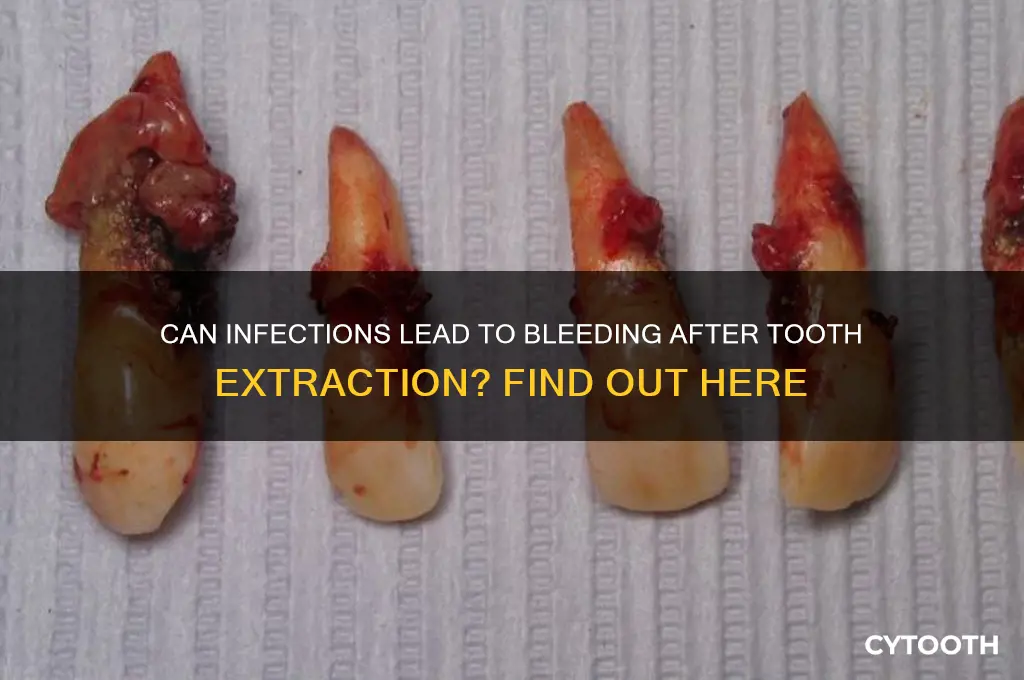
Infection following a tooth extraction can indeed lead to bleeding, as the body’s inflammatory response to the infection often disrupts the healing process and compromises blood clot stability. When bacteria invade the extraction site, they can cause localized inflammation, tissue damage, and the breakdown of the blood clot that forms to protect the wound, resulting in prolonged or recurrent bleeding. Additionally, infections may lead to conditions like dry socket (alveolar osteitis), where the clot is dislodged or fails to form properly, further increasing the risk of bleeding. Proper post-extraction care, including maintaining oral hygiene, avoiding irritants, and following dental instructions, is crucial to prevent infections and minimize the likelihood of bleeding complications. If bleeding persists or is accompanied by signs of infection such as pain, swelling, or foul odor, prompt dental evaluation is essential to address the underlying issue and ensure proper healing.
| Characteristics | Values |
|---|---|
| Can Infection Cause Bleeding? | Yes, infections can lead to prolonged or excessive bleeding post-extraction. |
| Mechanism | Infections can impair blood clotting, damage blood vessels, or cause inflammation. |
| Common Infections | Dry socket (alveolar osteitis), periodontal abscess, or systemic infections. |
| Symptoms of Infection | Persistent pain, swelling, foul odor, fever, or pus discharge. |
| Risk Factors | Poor oral hygiene, smoking, weakened immune system, or diabetes. |
| Prevention | Follow post-extraction care, avoid smoking, and maintain oral hygiene. |
| Treatment | Antibiotics, analgesics, warm salt rinses, or dental intervention. |
| Complications | Prolonged healing, bone damage, or spread of infection to other areas. |
| When to Seek Help | If bleeding persists beyond 24 hours or is accompanied by severe symptoms. |
| Latest Research | Studies emphasize early detection and management of infections post-extraction. |
What You'll Learn

Infection and Gum Tissue Damage
Infections following a tooth extraction can significantly compromise the healing process, particularly by damaging the delicate gum tissue surrounding the extraction site. When bacteria infiltrate the socket, they trigger an inflammatory response, leading to swelling, redness, and pain. This inflammation weakens the gum tissue, making it more susceptible to bleeding. For instance, a condition known as a dry socket (alveolar osteitis) occurs when the blood clot that forms after extraction is dislodged or dissolves prematurely, exposing bone and nerves. This not only causes intense pain but also prolongs bleeding as the gum tissue struggles to heal without the protective clot.
To minimize the risk of infection-induced gum tissue damage, proper post-extraction care is essential. Patients should follow their dentist’s instructions meticulously, including rinsing gently with warm salt water 24 hours after the procedure to reduce bacterial load. Avoid vigorous spitting, drinking through straws, or smoking, as these actions create suction that can dislodge the blood clot. Antiseptic mouthwashes, such as chlorhexidine gluconate (0.12% solution), may be prescribed to reduce microbial activity, but overuse should be avoided to prevent disrupting natural healing processes. For adults over 65 or those with compromised immune systems, dentists may recommend a prophylactic course of antibiotics, typically amoxicillin (500 mg, 3 times daily for 5 days), to prevent infection.
Comparatively, untreated infections can lead to more severe complications, such as periodontal abscesses or cellulitis, which further exacerbate gum tissue damage. An abscess forms when pus accumulates in the gum tissue, causing localized swelling and persistent bleeding. Cellulitis, a deeper infection affecting the soft tissues, can spread rapidly, leading to systemic symptoms like fever and fatigue. In such cases, immediate dental intervention is required, often involving incision and drainage of the abscess, coupled with a higher dose of antibiotics, such as clindamycin (300 mg, 4 times daily for 7–10 days). Early detection and treatment are critical to prevent irreversible damage to the gums and surrounding structures.
Practically, patients can monitor their healing progress by observing the extraction site for signs of infection, such as persistent bleeding beyond 24–48 hours, foul odor, or pus discharge. Applying a cold compress for 15–20 minutes at a time during the first 24 hours can reduce swelling and minimize tissue damage. If bleeding persists or worsens, biting down gently on a moistened tea bag for 15–30 minutes can help, as the tannic acid in tea promotes blood clotting. However, if symptoms of infection develop, seeking immediate dental care is imperative to prevent long-term complications. By understanding the interplay between infection and gum tissue damage, patients can take proactive steps to ensure a smooth and uneventful recovery.
Infected Tooth Extraction: Link to Swollen Tonsils Explained
You may want to see also
Dry Socket Complications
Dry socket, or alveolar osteitis, is a painful complication that can occur after a tooth extraction, particularly when a blood clot fails to form or dislodges prematurely. This condition exposes the underlying bone and nerves, leading to intense discomfort and potential infection. While bleeding is a common concern after extractions, dry socket itself does not directly cause bleeding. Instead, it creates an environment where infection can thrive, which may indirectly contribute to prolonged or abnormal bleeding. Understanding this distinction is crucial for proper post-extraction care.
To prevent dry socket, patients must follow specific aftercare instructions. Avoid vigorous rinsing, spitting, or using straws for the first 24 hours, as these actions can dislodge the blood clot. Stick to soft foods and maintain gentle oral hygiene, using a saltwater rinse after the first day. Smoking is a significant risk factor, as it reduces blood flow and delays healing, so abstaining from tobacco is essential. If dry socket develops, symptoms typically appear 3–5 days post-extraction, including severe pain radiating to the ear or neck, visible bone in the socket, and bad breath.
When dry socket occurs, infection becomes a heightened risk due to the exposed bone. Bacteria can infiltrate the site, causing inflammation and potentially leading to systemic complications. While infection itself doesn’t cause bleeding, it can exacerbate the extraction site’s vulnerability, making it more prone to oozing or prolonged bleeding. Treatment for dry socket often involves flushing the socket to remove debris, followed by dressing it with a medicated packing to alleviate pain and promote healing. Over-the-counter pain relievers like ibuprofen (600–800 mg every 6–8 hours) may be recommended, but stronger medications could be prescribed for severe cases.
Comparatively, typical post-extraction bleeding lasts a few hours and can be managed by applying gentle pressure with a gauze pad. If bleeding persists or worsens, it may indicate an underlying issue, such as infection or improper clotting. Dry socket complicates this scenario by increasing infection risk, which can indirectly affect bleeding patterns. Patients should monitor their symptoms closely and seek immediate dental care if they suspect dry socket or infection, as early intervention is key to preventing further complications.
In summary, dry socket complications primarily involve pain and infection risk rather than direct bleeding. However, the infection associated with dry socket can create conditions that indirectly affect bleeding. Prevention through diligent aftercare and prompt treatment are essential to managing this complication effectively. Patients should remain vigilant and consult their dentist at the first sign of unusual symptoms to ensure a smooth recovery.
Can an Infected Tooth Be Extracted? Risks, Benefits, and Recovery Explained
You may want to see also
Bacterial Spread Impact
Infections following a tooth extraction can significantly exacerbate bleeding due to bacterial spread, which compromises the body’s natural clotting mechanisms. When bacteria infiltrate the extraction site, they produce enzymes and toxins that degrade fibrin, a protein essential for blood clot stability. This disruption prolongs bleeding and increases the risk of a dry socket (alveolar osteitis), a painful condition where the clot dislodges or dissolves prematurely. For instance, *Streptococcus mutans* and *Staphylococcus aureus* are common culprits that thrive in oral environments, particularly when oral hygiene is poor post-extraction.
To mitigate bacterial spread, patients must adhere to specific post-operative care protocols. Rinsing with a 0.12% chlorhexidine mouthwash twice daily for one week reduces bacterial load by up to 90%, according to a study in the *Journal of Oral and Maxillofacial Surgery*. Avoid vigorous rinsing or spitting for the first 24 hours, as this can dislodge the initial clot. Instead, gently swish prescribed antiseptic solutions after meals to minimize bacterial colonization without disturbing the healing site.
Comparatively, untreated bacterial infections not only prolong bleeding but also elevate systemic risks. Bacteria can enter the bloodstream (bacteremia), potentially causing endocarditis in susceptible individuals, such as those with heart valve conditions. A 2018 case study in *Clinical Oral Investigations* highlighted a 45-year-old patient who developed bacteremia post-extraction due to untreated *Fusobacterium nucleatum*, leading to hospitalization. This underscores the importance of prompt antibiotic intervention, typically amoxicillin 500 mg three times daily for 5–7 days, for patients exhibiting signs of infection like persistent pain, fever, or purulent discharge.
Practically, patients should monitor the extraction site for warning signs of bacterial spread: excessive redness, foul odor, or pus. Applying a cold compress for 15 minutes every hour during the first 24 hours reduces swelling and constricts blood vessels, indirectly limiting bacterial access to the wound. After 48 hours, switch to warm compresses to promote circulation and healing. If bleeding persists beyond 48 hours or worsens, seek immediate dental care, as this may indicate an infection-driven hematoma or uncontrolled bacterial activity.
In summary, bacterial spread post-extraction directly impairs clot formation and prolongs bleeding, necessitating proactive hygiene and medical intervention. By following evidence-based care steps and recognizing early infection signs, patients can minimize complications and ensure a smoother recovery. Always consult a dentist if symptoms persist, as timely action prevents both local and systemic consequences of bacterial overgrowth.
Immediate Dental Implants: Can You Replace Extracted Teeth Right Away?
You may want to see also
Delayed Healing Risks
Infections following a tooth extraction can significantly delay the healing process, turning a routine procedure into a prolonged ordeal. When bacteria invade the extraction site, they disrupt the body’s natural repair mechanisms. This interference often manifests as persistent bleeding, swelling, or discharge, which are red flags indicating that the wound isn’t closing as it should. For instance, a study published in the *Journal of Oral and Maxillofacial Surgery* found that patients with post-extraction infections took an average of 50% longer to heal compared to those without complications. This delay isn’t just inconvenient—it increases the risk of further complications, such as bone loss or chronic pain.
To minimize delayed healing, proactive measures are essential. After an extraction, patients should meticulously follow post-operative care instructions, such as avoiding smoking, rinsing gently with saltwater, and taking prescribed antibiotics as directed. For example, a typical antibiotic regimen might include 500 mg of amoxicillin three times daily for 7 days, though dosages vary based on age, weight, and medical history. Ignoring these steps can create an environment ripe for infection, particularly in immunocompromised individuals or those with diabetes, who are already at higher risk. Even minor lapses in care, like using a straw or spitting forcefully, can dislodge the blood clot forming at the extraction site, leading to a painful condition known as dry socket, which further delays healing.
Comparing the healing trajectories of infected versus non-infected extraction sites highlights the stark differences in recovery. In a non-infected case, the initial bleeding typically stops within 24 hours, and the gum tissue begins to regenerate within 3–5 days. In contrast, an infected site may bleed intermittently for a week or more, accompanied by foul-tasting drainage and escalating pain. This prolonged inflammation not only slows tissue repair but also strains the immune system, leaving the body vulnerable to systemic issues. For older adults or those with pre-existing conditions, this can exacerbate health problems, underscoring the need for prompt intervention at the first sign of infection.
Finally, recognizing the signs of delayed healing is crucial for timely treatment. If bleeding persists beyond 48 hours, or if symptoms like fever, intense pain, or pus appear, seek immediate dental care. Dentists may prescribe stronger antibiotics, such as clindamycin (300 mg every 6 hours), or perform a thorough irrigation of the socket to remove debris and bacteria. Patients should also monitor their diet, opting for soft, cool foods and avoiding hot or spicy items that can irritate the wound. By addressing infections swiftly and adhering to tailored care plans, individuals can mitigate the risks of delayed healing and ensure a smoother recovery.
Post-Extraction Infections: Causes, Symptoms, and Prevention Tips Explained
You may want to see also
Bleeding vs. Normal Healing
Bleeding after a tooth extraction is a common concern, but distinguishing between normal healing and infection-related complications is crucial. Typically, minor oozing or slight bleeding for the first 24 hours is expected as the body forms a blood clot to protect the extraction site. This initial bleeding should subside with consistent pressure from a gauze pad held in place for 30–45 minutes. Normal healing progresses with minimal discomfort, gradual reduction in swelling, and the formation of granulation tissue, which appears as a pinkish-white layer over the wound. However, if bleeding persists beyond the first day, increases in intensity, or is accompanied by foul-smelling discharge, it may indicate an infection disrupting the healing process.
Infection-related bleeding often presents differently from normal healing. Instead of a gradual decrease in symptoms, infected sites may exhibit bright red or dark blood, sometimes mixed with pus, and the bleeding may recur despite proper care. Pain and swelling worsen rather than improve, and systemic symptoms like fever, chills, or swollen lymph nodes may develop. These signs suggest that bacteria have compromised the blood clot, leading to a condition known as a dry socket or, in severe cases, a localized abscess. Prompt intervention, such as irrigation of the socket or antibiotic therapy, is essential to prevent further complications.
To differentiate between normal healing and infection, monitor the extraction site closely. Normal healing involves a steady improvement in symptoms, while infection is marked by deterioration. For instance, a healthy clot appears as a dark, fibrous mass initially, gradually lightening as tissue regenerates. In contrast, an infected site may show a discolored or absent clot, with visible debris or a greenish-yellow discharge. Patients should also note the nature of the bleeding—normal healing involves occasional spotting, whereas infection-related bleeding is often persistent and may require frequent gauze changes.
Practical tips can help manage post-extraction care and reduce the risk of infection. Avoid vigorous rinsing, spitting, or using straws for the first 24 hours to preserve the blood clot. Rinse gently with a saline solution (1/2 teaspoon of salt in 8 ounces of warm water) after meals to keep the area clean. Apply a cold compress to reduce swelling during the first 48 hours, followed by a warm compress to promote circulation afterward. If bleeding or pain worsens despite these measures, contact a dentist immediately. Early detection and treatment of infection not only alleviate discomfort but also ensure a smoother recovery process.
Understanding the nuances between bleeding from normal healing and infection is key to effective post-extraction care. While minor bleeding is part of the body’s natural response, persistent or abnormal symptoms warrant attention. By recognizing the signs of infection—such as prolonged bleeding, increased pain, or systemic symptoms—patients can take timely action to address complications. Combining vigilant monitoring with proper aftercare practices ensures that the extraction site heals optimally, minimizing the risk of long-term issues. Always consult a dental professional if uncertainty arises, as their expertise is invaluable in distinguishing between normal healing and infection-related concerns.
Frequently asked questions
Yes, an infection can cause prolonged or excessive bleeding after a tooth extraction. Infections can disrupt the healing process, leading to inflammation and tissue damage, which may result in bleeding.
An infection can weaken blood vessels and tissues around the extraction site, making them more prone to bleeding. Additionally, infections often cause swelling and irritation, which can interfere with the formation of a stable blood clot, leading to bleeding.
Signs of infection include persistent pain, swelling, redness, foul odor or taste, fever, and pus discharge. If these symptoms occur along with bleeding, it may indicate an infection affecting the healing process.
Follow your dentist’s post-extraction care instructions, including keeping the area clean, avoiding strenuous activity, and refraining from smoking or using straws. Rinse gently with saltwater and take prescribed antibiotics if recommended to reduce infection risk.