Hailey Morgan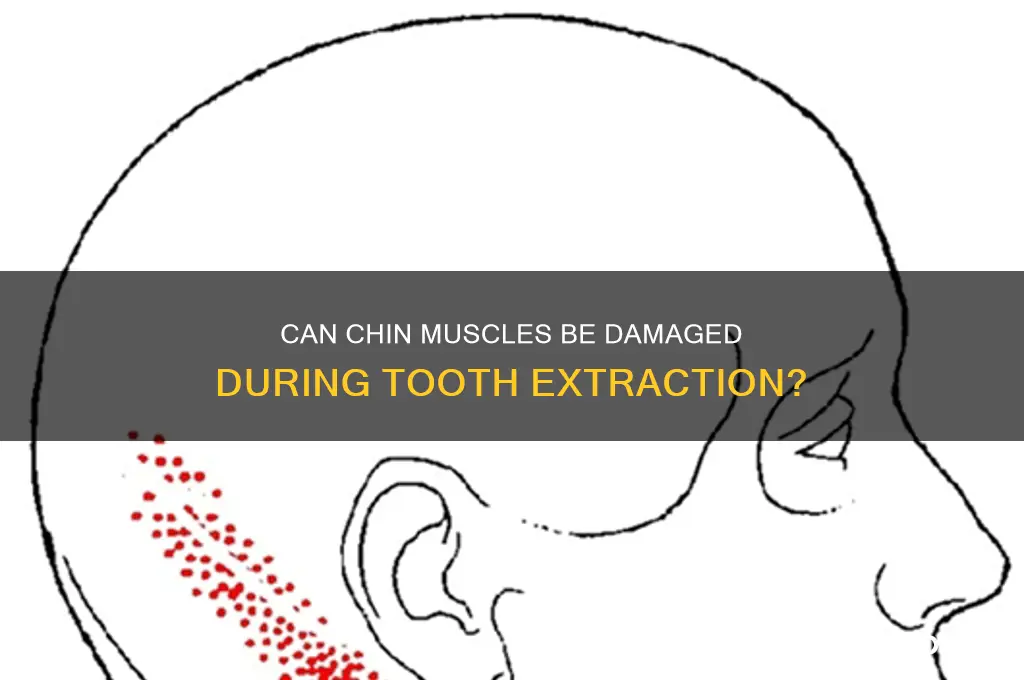
Tooth extraction, while a common dental procedure, can sometimes lead to complications affecting surrounding structures, including the muscles in the chin. The chin area is closely connected to the oral cavity through various muscles and nerves, such as the mentalis muscle and the inferior alveolar nerve. During a tooth extraction, particularly of lower molars or premolars, there is a risk of trauma to these structures due to the proximity of the extraction site. Damage can occur from direct pressure, nerve injury, or hematoma formation, potentially resulting in symptoms like numbness, weakness, or asymmetry in the chin. Understanding the anatomy and potential risks is crucial for both patients and dental professionals to ensure proper care and minimize complications.
What You'll Learn
- Nerve Damage Risks: Potential for nerve injury during extraction affecting chin muscle sensation and function
- Muscle Strain Causes: Extraction force or pressure leading to temporary or permanent muscle strain
- Hematoma Effects: Blood pooling in chin muscles post-extraction causing pain and swelling
- Infection Spread: Bacterial infection from extraction site impacting nearby chin muscles
- Trismus Link: Jaw muscle stiffness post-extraction limiting chin movement and function

Nerve Damage Risks: Potential for nerve injury during extraction affecting chin muscle sensation and function
Tooth extraction, while routine, carries inherent risks, one of which is nerve damage. The inferior alveolar nerve (IAN), a branch of the trigeminal nerve, runs close to the roots of the lower molars and premolars. Injury to this nerve during extraction can lead to altered sensation or function in the chin, lower lip, and tongue. This risk is not merely theoretical; studies indicate that IAN damage occurs in approximately 0.4% to 8.4% of lower molar extractions, depending on surgical complexity and patient anatomy. Such injuries can range from temporary numbness to permanent paresthesia, significantly impacting quality of life.
Understanding the anatomy is crucial for mitigating risk. The IAN lies within the mandibular canal, a bony structure that protects the nerve but also makes it vulnerable during invasive procedures. Proximity to the tooth roots varies among individuals, with radiographic imaging often underestimating this distance. Surgeons must exercise extreme caution, particularly when extracting wisdom teeth, which are more likely to impinge on the canal. Techniques such as sectioning the tooth into smaller pieces and avoiding excessive force can reduce the likelihood of nerve trauma.
Patients experiencing persistent numbness or tingling post-extraction should seek immediate evaluation. Early intervention, including corticosteroid therapy or surgical decompression, may improve outcomes. However, recovery is not guaranteed, and some individuals may face long-term sensory deficits. Informed consent is essential; patients must be aware of this risk and discuss preventive measures with their dentist or oral surgeon.
Comparatively, nerve damage from tooth extraction is less common than complications like dry socket or infection, but its consequences are often more severe. Unlike transient discomfort, nerve injury can alter daily activities such as eating and speaking. For instance, reduced lip sensation may impair food retention, while muscle weakness can affect facial expressions. These functional limitations underscore the importance of precision during extraction and the need for thorough preoperative planning.
Practical tips for patients include selecting an experienced practitioner, particularly for complex extractions, and adhering to postoperative care instructions. Dentists should utilize advanced imaging techniques, such as cone-beam computed tomography (CBCT), to assess nerve proximity preoperatively. While nerve damage cannot always be prevented, awareness and proactive measures can minimize its occurrence and impact. Ultimately, balancing the necessity of extraction with the potential for nerve injury requires careful consideration and collaboration between patient and provider.
Sippy Cups Post-Tooth Extraction: Safe for Kids or Not?
You may want to see also
Muscle Strain Causes: Extraction force or pressure leading to temporary or permanent muscle strain
Tooth extraction, while a routine dental procedure, can exert significant force on the surrounding tissues, including the muscles of the chin and jaw. The mentalis muscle, responsible for elevating the lower lip and shaping the chin, is particularly vulnerable during lower tooth extractions. When excessive force or pressure is applied, this muscle can sustain strain, leading to discomfort or functional impairment. Such strain is often temporary, resolving within days to weeks with proper care. However, in rare cases, improper technique or excessive trauma can result in permanent damage, underscoring the importance of precision during the procedure.
Consider the mechanics of extraction: the elevator instrument used to loosen a tooth applies leverage, creating tension not only on the bone but also on adjacent soft tissues. For instance, removing a deeply rooted molar may require more force, increasing the risk of stretching or tearing the mentalis muscle. Patients may notice symptoms like localized pain, swelling, or difficulty moving the lower lip immediately post-extraction. While these signs are typically benign, persistent issues warrant further evaluation to rule out complications such as hematoma or nerve involvement.
Preventing muscle strain during extraction begins with the dentist’s technique. A skilled practitioner will use controlled, gradual force and assess the patient’s anatomy to minimize tissue trauma. For example, applying counterpressure with a finger or instrument can stabilize the area, reducing strain on the mentalis muscle. Patients can also take proactive steps, such as discussing concerns pre-procedure and following post-extraction care instructions diligently. Applying ice packs for 15–20 minutes at a time during the first 24–48 hours can reduce inflammation, while avoiding strenuous facial movements aids recovery.
Comparatively, muscle strain from extraction is less common than nerve damage but shares similar risk factors, such as tooth location and patient anatomy. For instance, individuals with thinner facial muscles or pre-existing conditions like temporomandibular joint (TMJ) disorder may be more susceptible. In contrast, younger patients (under 30) tend to recover faster due to greater tissue elasticity, whereas older adults (over 50) may experience prolonged healing times. Understanding these factors allows both dentists and patients to tailor preventive measures and manage expectations effectively.
Finally, while temporary muscle strain is a recognized but rare outcome of tooth extraction, permanent damage is exceedingly uncommon. Most cases resolve with conservative management, such as over-the-counter pain relievers (e.g., ibuprofen 600 mg every 6 hours) and rest. However, if symptoms persist beyond two weeks or worsen, a follow-up examination is crucial. Early intervention, such as physical therapy or steroid injections, can prevent long-term complications. By recognizing the potential for muscle strain and taking appropriate precautions, both practitioners and patients can ensure a smoother recovery process.
Invisalign and Tooth Extraction: Can They Work Together Effectively?
You may want to see also
Hematoma Effects: Blood pooling in chin muscles post-extraction causing pain and swelling
A hematoma in the chin muscles after a tooth extraction is a localized collection of blood that can cause significant discomfort and swelling. This occurs when blood vessels are damaged during the procedure, leading to blood pooling in the surrounding tissues. The chin area, with its dense musculature and proximity to the extraction site, is particularly susceptible to this complication. Patients often report a firm, tender mass in the chin, accompanied by bruising and restricted movement. Recognizing these symptoms early is crucial for prompt management and to prevent further complications such as infection or prolonged healing.
To minimize the risk of hematoma, dentists employ specific techniques during extraction, such as careful tissue handling and controlled force application. Post-extraction care is equally vital. Applying ice packs for 20 minutes every hour during the first 24 hours can reduce swelling and constrict blood vessels, limiting blood accumulation. Patients should avoid strenuous activities and maintain a soft diet to prevent additional strain on the chin muscles. If a hematoma develops, warm compresses can be introduced after 48 hours to promote blood reabsorption, but this should only be done under professional guidance.
Comparatively, hematomas in the chin differ from those in other areas due to the unique anatomy of the region. The mentalis muscle, responsible for chin movement, is particularly vulnerable to blood pooling, which can impair function and cause persistent pain. Unlike hematomas in limbs, where mobility can aid in blood dispersal, the chin’s limited range of motion often prolongs recovery. This underscores the need for targeted interventions, such as gentle massage or physical therapy, once the acute phase has passed.
From a persuasive standpoint, patients must communicate openly with their dentist about any unusual symptoms post-extraction. Early detection of a hematoma can prevent complications like nerve damage or chronic swelling. Dentists may recommend over-the-counter pain relievers such as ibuprofen (600 mg every 6 hours, as needed) to manage discomfort, but stronger medications or drainage procedures may be necessary in severe cases. Adhering to follow-up appointments ensures proper monitoring and timely intervention, ultimately leading to a smoother recovery.
In conclusion, while hematomas in the chin muscles post-tooth extraction are relatively rare, their impact can be substantial. Understanding the causes, symptoms, and management strategies empowers patients to take proactive steps in their care. By combining preventive measures, early recognition, and appropriate treatment, individuals can mitigate the effects of this complication and ensure optimal healing. Always consult a healthcare professional for personalized advice tailored to your specific situation.
Immediate Dental Implants: Can You Replace Extracted Teeth Right Away?
You may want to see also
Infection Spread: Bacterial infection from extraction site impacting nearby chin muscles
Bacterial infections following a tooth extraction can escalate from a localized issue to a serious health concern if not managed promptly. The proximity of the extraction site to the chin muscles makes them particularly vulnerable to infection spread. Oral bacteria, such as *Streptococcus* and *Staphylococcus*, can migrate from the socket to surrounding tissues, causing inflammation, pain, and potential muscle damage. This risk is heightened in cases of dry socket (alveolar osteitis), where the blood clot protecting the extraction site is dislodged, exposing bone and nerves to bacterial invasion.
To mitigate infection spread, post-extraction care is critical. Patients should adhere to their dentist’s instructions, which typically include rinsing with a warm saltwater solution (1/2 teaspoon of salt in 8 ounces of water) starting 24 hours after the procedure. Avoid vigorous rinsing or spitting for the first 24 hours to preserve the blood clot. Antibiotics may be prescribed if infection risk is high, with common regimens including amoxicillin (500 mg every 8 hours for 5–7 days) or clindamycin (300 mg every 6 hours for 7 days) for penicillin-allergic individuals. Applying a cold compress to the chin area for 15–20 minutes at a time can reduce swelling and slow bacterial proliferation in the initial 48 hours.
Recognizing early signs of infection is crucial for preventing muscle damage. Symptoms such as persistent throbbing pain, fever, foul taste or odor from the extraction site, and visible redness or pus warrant immediate dental attention. If the infection reaches the chin muscles, patients may experience stiffness, tenderness, or difficulty moving the jaw. In severe cases, cellulitis or abscess formation can occur, requiring incision and drainage alongside systemic antibiotics. Prompt intervention not only preserves muscle function but also prevents systemic complications like sepsis.
Comparatively, while nerve damage from tooth extraction is more commonly discussed, muscle damage from infection spread is equally debilitating but often overlooked. Unlike nerve injuries, which may resolve over time, untreated muscle infections can lead to chronic fibrosis or atrophy, impairing facial mobility. For instance, the mentalis muscle, responsible for chin movement, is particularly susceptible due to its anatomical closeness to the lower molars. Patients with compromised immune systems, diabetes, or poor oral hygiene are at higher risk and should take extra precautions, such as pre-procedural antibiotic prophylaxis and meticulous oral care.
In conclusion, preventing bacterial infection spread from a tooth extraction site is paramount to protecting nearby chin muscles. A combination of proactive post-operative care, vigilant symptom monitoring, and timely medical intervention can minimize the risk of muscle damage. By understanding the mechanisms and consequences of infection spread, patients and practitioners can collaborate to ensure optimal healing and preserve both oral and facial function.
Infected Tooth Extraction: Link to Swollen Tonsils Explained
You may want to see also
Trismus Link: Jaw muscle stiffness post-extraction limiting chin movement and function
Tooth extraction, while routine, can inadvertently trigger trismus—a condition marked by jaw muscle stiffness that restricts chin movement and function. This occurs when the procedure causes trauma to the muscles, nerves, or joints surrounding the extraction site, leading to inflammation and spasms. The masseter, temporalis, and pterygoid muscles, crucial for jaw mobility, are particularly vulnerable during lower molar extractions. Immediate symptoms include difficulty opening the mouth, pain while chewing, and reduced chin mobility, which can persist for days or weeks if left unaddressed.
Preventing trismus begins with proactive measures during and after extraction. Dentists can minimize risk by using gentle techniques, avoiding excessive force, and prescribing anti-inflammatory medications like ibuprofen (400–600 mg every 6–8 hours) to reduce swelling. Patients should apply ice packs for 20 minutes on, 20 minutes off during the first 48 hours to limit inflammation. Gentle jaw exercises, such as slowly opening and closing the mouth or moving the jaw side to side, can help maintain muscle flexibility. Starting these exercises within 24 hours post-extraction is critical, as delayed movement increases stiffness risk.
For those already experiencing trismus, a structured rehabilitation approach is essential. Heat therapy, applied after the initial 48 hours, relaxes tight muscles and improves blood flow. Physical therapy techniques, like manual stretching or ultrasound therapy, may be recommended for severe cases. Over-the-counter muscle relaxants (e.g., cyclobenzaprine 10 mg daily) can alleviate spasms, but should be used under medical supervision. Patients should avoid hard or chewy foods, opting for soft, nutrient-rich options like yogurt or smoothies to minimize jaw strain during recovery.
Comparatively, trismus post-extraction is more common in adults over 40, whose muscles and joints are less resilient than younger individuals. Smokers and those with pre-existing TMJ disorders face higher risks due to compromised blood flow and joint instability. Interestingly, studies show that patients who actively engage in jaw exercises post-extraction reduce trismus duration by up to 50%. This highlights the importance of patient compliance and early intervention in managing this complication.
In conclusion, while trismus is a potential side effect of tooth extraction, its severity and duration can be significantly mitigated through informed care. Dentists and patients must collaborate to implement preventive strategies and timely treatments, ensuring chin function is restored efficiently. By understanding the link between extraction trauma and jaw muscle stiffness, individuals can navigate post-extraction recovery with greater confidence and fewer complications.
Does Medical Insurance Cover Tooth Extraction Costs? What You Need to Know
You may want to see also
Frequently asked questions
While rare, muscle damage in the chin can occur if the extraction involves excessive force, trauma to the surrounding tissues, or complications like nerve injury.
Signs may include persistent pain, numbness, weakness, or difficulty moving the lower lip or chin, indicating potential muscle or nerve involvement.
Muscle damage in the chin is uncommon but can happen in complex extractions, especially if the tooth is close to the mental nerve or if there is excessive pressure applied.
In most cases, muscle damage is temporary and resolves with time. However, severe or untreated cases may lead to long-term or permanent issues, particularly if nerves are involved.
Treatment may include pain management, anti-inflammatory medications, physical therapy, and in severe cases, surgical intervention to repair damaged tissues or nerves.