Matthew Grant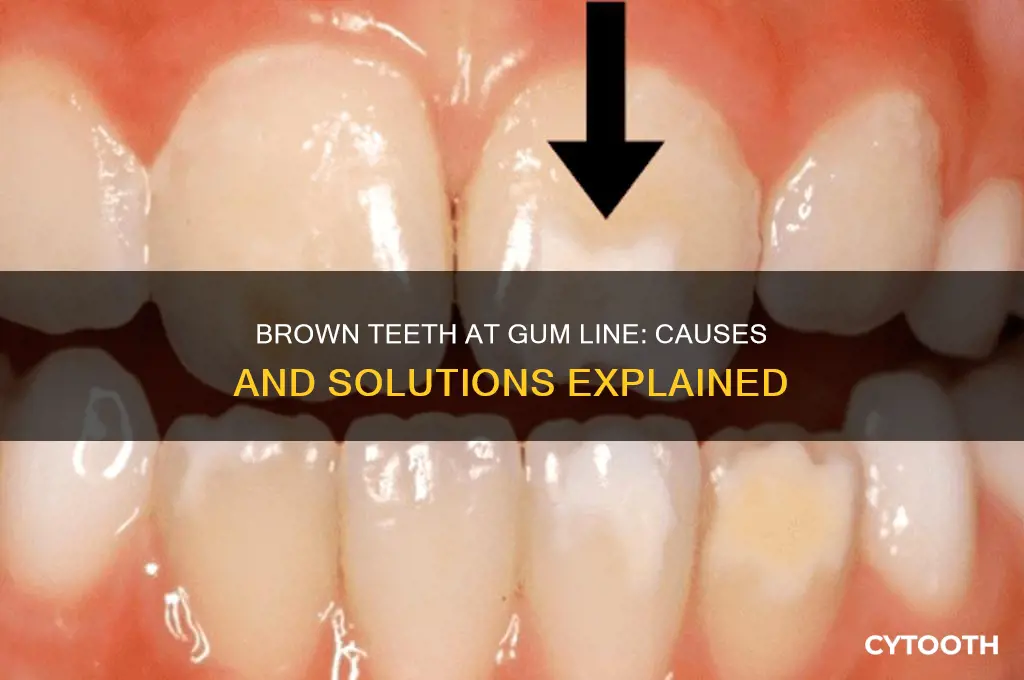
If you’ve noticed your teeth turning brown at the gum line, it’s likely due to a combination of factors such as poor oral hygiene, plaque buildup, or tartar accumulation, which can lead to staining. Consuming foods and drinks like coffee, tea, or red wine, as well as smoking or using tobacco products, can also contribute to discoloration. Additionally, certain medications, aging, or underlying dental issues like gum disease or enamel erosion may play a role. Regular brushing, flossing, and professional dental cleanings can help prevent or address this issue, but consulting a dentist is essential to determine the exact cause and appropriate treatment.
| Characteristics | Values |
|---|---|
| Cause | Poor oral hygiene, tobacco use, certain foods/drinks, medications, aging |
| Common Culprits | Coffee, tea, red wine, cola, tobacco, turmeric, chlorhexidine mouthwash |
| Medical Conditions | Gum disease (gingivitis/periodontitis), enamel erosion, tooth decay |
| Medications | Tetracycline antibiotics, iron supplements, antihistamines, antipsychotics |
| Symptoms | Brown discoloration at gum line, bad breath, gum inflammation, sensitivity |
| Prevention | Regular brushing/flossing, dental check-ups, limiting staining foods/drinks |
| Treatment Options | Professional cleaning, teeth whitening, dental bonding, veneers, scaling |
| Risk Factors | Poor diet, smoking, dry mouth, genetics, inadequate dental care |
| Age Group Affected | All ages, more common in adults due to cumulative staining and aging |
| Long-Term Effects | Increased risk of gum disease, tooth decay, and permanent discoloration |
What You'll Learn

Poor Oral Hygiene Impact
Brown discoloration at the gum line often signals a buildup of plaque and tartar, the direct result of inadequate oral hygiene. Plaque, a sticky film of bacteria, constantly forms on teeth. When not removed through regular brushing and flossing, it hardens into tartar, a calcified deposit that traps stains from food, drinks, and tobacco. This tartar, particularly along the gum line, creates a visible brown line that contrasts with the natural tooth color. Unlike surface stains, tartar cannot be removed by brushing alone, requiring professional dental cleaning to eliminate.
The impact of poor oral hygiene extends beyond aesthetics. As plaque and tartar accumulate, they irritate the gums, leading to gingivitis, the early stage of gum disease. Symptoms include red, swollen, and bleeding gums. If left untreated, gingivitis progresses to periodontitis, a severe infection that damages the soft tissue and bone supporting the teeth. This can result in tooth mobility, tooth loss, and even systemic health issues, as oral bacteria enter the bloodstream, potentially affecting the heart and other organs.
Preventing brown discoloration and its complications starts with a consistent oral care routine. Brush your teeth twice daily with fluoride toothpaste for at least two minutes each session, ensuring you clean along the gum line. Floss daily to remove plaque from between teeth and under the gums, areas a toothbrush cannot reach. Incorporate an antimicrobial mouthwash to reduce bacterial growth. For those prone to tartar buildup, consider using a tartar-control toothpaste and scheduling dental cleanings every six months or as recommended by your dentist.
Children and older adults require special attention. Parents should supervise brushing for children under six to ensure proper technique and duration. Older adults, particularly those with arthritis or dexterity issues, may benefit from adaptive toothbrushes or electric toothbrushes with soft bristles. Regardless of age, maintaining a balanced diet low in sugary and acidic foods can minimize plaque formation and reduce the risk of staining.
In summary, brown teeth at the gum line are a visible warning sign of poor oral hygiene, indicating plaque and tartar buildup. Addressing this issue requires a proactive approach to oral care, including regular brushing, flossing, and professional cleanings. By prioritizing these habits, you not only restore the appearance of your teeth but also safeguard your overall health, preventing the progression of gum disease and its associated complications.
Mint Gum and Dental Health: Benefits or Just Fresh Breath?
You may want to see also
Tobacco and Staining Effects
Brown discoloration at the gum line is a common concern for tobacco users, and the culprit lies in the complex interplay of nicotine, tar, and other chemicals present in tobacco products. When tobacco is smoked or chewed, these substances adhere to the tooth surface, particularly in areas with irregular texture like the gum line. Over time, the porous nature of tooth enamel allows these stains to penetrate deeper layers, resulting in a stubborn, unsightly discoloration. This process is exacerbated by the reduced saliva flow often associated with tobacco use, which would otherwise help wash away surface stains.
The staining effect of tobacco is not merely superficial; it can also indicate more severe oral health issues. Prolonged exposure to tobacco chemicals can lead to gum recession, exposing the root surfaces of teeth, which are more susceptible to staining due to their softer, more porous structure. Additionally, tobacco use is a significant risk factor for periodontal disease, a condition characterized by inflammation and infection of the gums. As the disease progresses, the gums may pull away from the teeth, creating pockets that trap tobacco particles and bacteria, further contributing to the brown discoloration at the gum line.
To mitigate the staining effects of tobacco, it is essential to adopt a comprehensive oral hygiene routine. This includes brushing twice daily with a whitening toothpaste containing mild abrasives and polishing agents to help remove surface stains. Incorporating an electric toothbrush with a rotating head can also improve plaque and stain removal, particularly in hard-to-reach areas like the gum line. For more severe cases, professional dental cleaning and scaling may be necessary to remove tartar buildup and deep-seated stains. It is worth noting that while these measures can help manage existing stains, the most effective solution is to quit tobacco use altogether.
Quitting tobacco not only prevents further staining but also significantly reduces the risk of developing severe oral health issues, including oral cancer. For those struggling to quit, nicotine replacement therapies, such as patches or gum, can help manage cravings without exposing the teeth and gums to harmful tobacco chemicals. It is also advisable to increase water intake, as this can help stimulate saliva production, which in turn aids in neutralizing acids and washing away food particles and stains. By combining these strategies, individuals can effectively address the brown discoloration at the gum line and promote overall oral health.
A comparative analysis of tobacco cessation methods reveals that behavioral therapies, when combined with medication, yield the highest success rates. For instance, a study published in the Journal of Dental Research found that individuals who participated in a 12-week smoking cessation program, which included counseling and nicotine replacement therapy, were 50% more likely to quit successfully than those who attempted to quit without support. Furthermore, the use of prescription medications like varenicline, which reduces nicotine cravings, has been shown to double quit rates compared to placebo. By leveraging these evidence-based approaches, tobacco users can not only improve their oral health but also enhance their overall quality of life.
Chew on This: Top Gum Choices for Healthy Teeth and Gums
You may want to see also
Dietary Causes of Discoloration
Brown discoloration at the gum line often stems from dietary habits that stain enamel or promote bacterial growth. Certain foods and beverages contain chromogens, pigmented compounds that adhere to tooth surfaces, particularly in areas where enamel is thinner or compromised. Common culprits include coffee, tea, red wine, and dark-colored fruits like blueberries or pomegranates. While these items are not inherently harmful, their frequent consumption without proper oral hygiene can lead to noticeable staining, especially along the gum line where plaque accumulates.
The role of acidity in dietary discoloration cannot be overlooked. Acidic foods and drinks, such as citrus fruits, sodas, and vinegar-based dressings, erode enamel over time, making teeth more susceptible to staining. This erosion is particularly evident at the gum line, where enamel is naturally thinner. For instance, drinking a glass of orange juice daily without rinsing afterward can gradually weaken enamel, allowing pigments from other foods to penetrate more easily. Limiting acidic intake and rinsing with water after consumption can mitigate this risk.
Sugary foods and refined carbohydrates also contribute to brown discoloration indirectly by fueling harmful oral bacteria. When sugar interacts with bacteria in the mouth, it produces acids that attack enamel and promote plaque buildup. Over time, this plaque hardens into tartar, which often appears yellow or brown, especially near the gums. Reducing sugar intake and brushing within 30 minutes of consuming sugary snacks can help prevent this bacterial activity.
A comparative analysis of dietary habits reveals that individuals who consume a diet high in processed foods and low in fiber are more prone to gum line discoloration. Fiber-rich foods like apples, carrots, and leafy greens act as natural abrasives, helping to clean teeth surfaces and stimulate saliva production, which neutralizes acids. Incorporating these foods into daily meals can serve as a protective measure against staining. Conversely, a diet lacking in crunchy, fibrous foods may leave teeth more vulnerable to discoloration.
Practical tips for managing dietary discoloration include using a straw when drinking pigmented beverages to minimize contact with teeth, brushing with a soft-bristled toothbrush twice daily, and flossing regularly to remove plaque from the gum line. For those unwilling to give up staining foods, pairing them with dairy products like cheese or yogurt can help neutralize acids and reduce pigment adhesion. Additionally, professional cleanings every six months can remove tartar and surface stains, maintaining a healthier gum line.
Why Are My Gums Growing Over My Teeth? Causes and Solutions
You may want to see also
Medication Side Effects on Teeth
Certain medications can cause teeth to turn brown at the gum line, a side effect often overlooked until it becomes visibly concerning. Antibiotics like tetracycline, for instance, are notorious for binding to calcium in developing teeth, leading to permanent discoloration. This effect is most pronounced in children under 8 years old or pregnant women, as the medication can affect tooth enamel during its formative stages. Even if you’re not in these age groups, prolonged use of tetracycline in adulthood can still stain existing dental work or exposed dentin, particularly near the gums. Always inform your dentist about any antibiotics you’re taking to monitor potential risks.
Iron supplements, commonly prescribed for anemia, are another culprit behind brown staining at the gum line. When iron comes into contact with plaque, it can produce a dark pigment that adheres to tooth surfaces, especially in hard-to-clean areas near the gums. This staining is more likely if you take doses exceeding 100 mg daily or if you have poor oral hygiene. To minimize this risk, rinse your mouth with water after taking iron supplements and brush your teeth twice daily with a fluoride toothpaste. Using a straw to bypass teeth when taking liquid supplements can also help reduce direct contact.
Antihistamines and antihypertensive medications often have a drying effect on the mouth, reducing saliva production. Saliva is crucial for neutralizing acids and washing away food particles, so its absence can lead to plaque buildup and eventual staining near the gums. If you’re on medications like Benadryl or lisinopril, stay hydrated by drinking at least eight glasses of water daily and consider chewing sugar-free gum to stimulate saliva flow. Regular dental check-ups are essential to catch and address staining early before it becomes permanent.
Chlorhexidine mouthwash, prescribed for gum disease, can paradoxically cause brown stains on teeth if used long-term. This staining typically appears at the gum line, where plaque accumulates. If your dentist recommends chlorhexidine, limit its use to no more than two weeks and dilute it with water if possible. Pairing it with a whitening toothpaste can help mitigate discoloration, but professional cleaning may be necessary to remove existing stains. Always weigh the benefits of the medication against its cosmetic side effects with your healthcare provider.
Finally, chemotherapy drugs and radiation therapy can indirectly contribute to tooth discoloration by damaging oral tissues and reducing saliva production. Patients undergoing cancer treatment often notice brown stains at the gum line due to increased plaque and reduced oral care capacity. If you’re in this situation, use a soft-bristled toothbrush and alcohol-free mouthwash to maintain oral hygiene without irritating sensitive gums. Your oncologist and dentist should collaborate to create a dental care plan tailored to your treatment phase, ensuring both your health and smile are preserved.
Effective Ways to Reduce Gum Swelling from Wisdom Teeth
You may want to see also
Gum Disease and Browning Links
Brown discoloration at the gum line often signals an underlying issue, with gum disease being a primary culprit. This condition, known as gingivitis in its early stages, occurs when plaque buildup irritates the gums, leading to inflammation and potential recession. As gums recede, the roots of the teeth become exposed. Unlike the protective enamel covering the crown, tooth roots are shielded by a thinner layer called cementum, which is more susceptible to staining. This exposure, combined with the accumulation of plaque and tartar, contributes to the brown discoloration observed at the gum line.
The link between gum disease and browning intensifies with poor oral hygiene. When plaque hardens into tartar, it creates a rough surface that traps stains from food, beverages, and tobacco. Over time, these stains penetrate the porous cementum, resulting in a persistent brown hue. Moreover, advanced gum disease, or periodontitis, can cause deeper pockets between the teeth and gums, fostering bacterial growth and further exacerbating discoloration. Addressing gum disease through professional cleanings and improved oral care is essential to halt this process and prevent irreversible damage.
A comparative analysis reveals that individuals with gum disease are significantly more likely to experience browning at the gum line than those with healthy gums. Studies show that up to 70% of adults with periodontitis exhibit some degree of discoloration in affected areas. In contrast, only about 10% of individuals with optimal gum health report similar issues. This disparity underscores the critical role of gum health in maintaining the natural color of teeth. Regular dental check-ups, especially for those over 30, can help detect early signs of gum disease and mitigate associated aesthetic concerns.
To combat gum disease-related browning, a proactive approach is necessary. Start by brushing twice daily with a fluoride toothpaste and flossing daily to remove plaque. Incorporate an antimicrobial mouthwash to reduce bacterial buildup, particularly if you’re prone to gum issues. For smokers, quitting is paramount, as tobacco is a leading cause of both gum disease and staining. Professional treatments, such as scaling and root planing, can remove tartar and smooth root surfaces to prevent further staining. In severe cases, cosmetic procedures like gum grafting or teeth whitening may be recommended to restore appearance, but addressing the root cause remains the priority.
Teeth Clenching and Gum Recession: Uncovering the Hidden Connection
You may want to see also
Frequently asked questions
Brown discoloration at the gum line can be caused by plaque buildup, tartar accumulation, or staining from foods, drinks, or tobacco. Poor oral hygiene is often the primary culprit.
Yes, gum disease (gingivitis or periodontitis) can lead to brown stains as bacteria and plaque accumulate along the gum line, causing inflammation and discoloration.
It could be. Decay near the gum line can appear brown or dark, especially if the enamel is weakened or eroded. A dentist should evaluate the area for proper diagnosis.
Yes, frequent consumption of coffee, tea, red wine, or dark-colored foods can lead to staining, particularly if oral hygiene is inadequate and plaque traps these pigments.
Maintain good oral hygiene by brushing twice daily, flossing regularly, and visiting your dentist for cleanings. Professional scaling and polishing can remove existing stains, and reducing stain-causing foods or drinks can help prevent recurrence.